Garlic and Potato Aïoli

Condiment

Garlic and Potato Aïoli

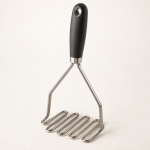
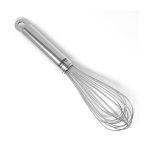
Mash the cooked potato and garlic finely before starting the emulsion. Whisk the oil in slowly at first, then in a thin stream as the sauce thickens.

Yield
1 small batch
Cuisine
French-inspired

Bring it to the table

Use a pasteurized yolk

This sauce is not cooked after the yolk is added. Choose an egg or yolk product specifically labeled pasteurized.

At the table

Spoon a little alongside cooked fish, roasted vegetables or potatoes. Keep the rest chilled until needed.

Before you start

Gather your ingredients.

Full quantities and serving adjustments are in the recipe card below.

See the ingredient checklist
  • 45 g cooked peeled potato — plain, finely mashed and cooled; home-batch amount
  • 30 g garlic — peeled and finely grated
  • 1 pasteurized egg yolk — do not substitute an unpasteurized raw yolk
  • 8 g Dijon mustard
  • 100 ml olive oil
  • 150 ml canola oil
  • salt — to taste
  • ground black pepper — to taste
  • 1 pinch Espelette pepper

A few useful notes.

This version is strongly flavored with garlic.

The potato amount is specified by cooked weight for this home batch.

Use pasteurized yolk; adding oil or mustard does not cook the egg.

The recipe control represents one small batch, without a fixed serving or finished-volume claim.

The cooking plan

How to make Garlic and Potato Aïoli.

  1. For the potato, simmer a peeled potato in water until completely tender. Drain, mash finely while warm and measure the listed cooked weight. Spread the measured portion in a shallow dish to cool promptly before combining with the yolk.

  2. Mash the grated garlic to a very fine paste. In a bowl, combine it with the cooled potato, pasteurized yolk and Dijon until smooth.

  3. Combine the two oils in a pouring jug. Whisk a few drops at a time into the potato mixture, incorporating each addition before adding more. Once the mixture is visibly thickening, continue in a very thin stream while whisking steadily.

  4. Season with salt, black pepper and Espelette to taste. Cover and refrigerate promptly at 40°F or below. Use within 2 days; discard any sauce left at room temperature for more than 2 hours.

Let’s cook

The full recipe.

Check off ingredients as you get them ready.

Changing servings? The ingredient list scales automatically. Adjust quantities named in the steps to match, and choose pans and cooking times for your batch.

Garlic and Potato Aïoli

No ratings yet
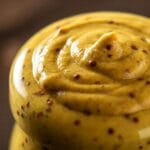
A bold garlic sauce made with mashed potato, Dijon, pasteurized egg yolk and a blend of olive and canola oils.
Servings: 1 small batch
Course: Condiment
Cuisine: French-inspired

Some ingredient links are affiliate links. We may earn a commission at no extra cost to you. As an Amazon Associate I earn from qualifying purchases.

Ingredients
  

  •  
    45 g cooked peeled potato plain, finely mashed and cooled; home-batch amount
  • 30 g garlic peeled and finely grated
  •  
    1 pasteurized egg yolks do not substitute an unpasteurized raw yolk
  • 8 g Dijon mustard
  • 100 ml olive oil
  • 150 ml canola oil
  • salt to taste
  • ground black pepper to taste
  •  
    1 pinch Espelette pepper

Equipment images are illustrative. Exact products may vary.

Instructions
 

  1. For the potato, simmer a peeled potato in water until completely tender. Drain, mash finely while warm and measure the listed cooked weight. Spread the measured portion in a shallow dish to cool promptly before combining with the yolk.
  2. Mash the grated garlic to a very fine paste. In a bowl, combine it with the cooled potato, pasteurized yolk and Dijon until smooth.
  3. Combine the two oils in a pouring jug. Whisk a few drops at a time into the potato mixture, incorporating each addition before adding more. Once the mixture is visibly thickening, continue in a very thin stream while whisking steadily.
  4. Season with salt, black pepper and Espelette to taste. Cover and refrigerate promptly at 40°F or below. Use within 2 days; discard any sauce left at room temperature for more than 2 hours.

Notes

This version is strongly flavored with garlic.
The potato amount is specified by cooked weight for this home batch.
Use pasteurized yolk; adding oil or mustard does not cook the egg.
The recipe control represents one small batch, without a fixed serving or finished-volume claim.

Tried this recipe?

Let us know how it was!

A couple of useful answers.

Can I use a regular raw egg yolk?

Use a yolk specifically labeled pasteurized because the finished sauce is uncooked.

Why add the oil slowly?

Slow additions let the yolk and mustard hold the oil in an emulsion rather than leaving a layer of oil.

Keep the good food going

Similar Recipes

Find another recipe to bring to the table.

Choux Puffs for Profiteroles

Pastry · Dessert

Choux Puffs for Profiteroles

Cook the flour mixture on the stove, cool it briefly and beat in the eggs gradually. Bake the piped mounds until the shells are well set and dry inside.

Yield
1 small batch
Cuisine
French-inspired

Bring it to the table

Add egg by texture

Beat the eggs before weighing. Add gradually until the paste is smooth and glossy and falls from a spatula in a thick ribbon; stop before it becomes runny.

At the table

Cool the shells completely before adding a filling prepared separately. The linked chocolate sauce and almonds can be used to finish a dessert.

Base recipe: Cocoa-Cream Chocolate Sauce, Syrup-Roasted Candied Almonds

Before you start

Gather your ingredients.

Full quantities and serving adjustments are in the recipe card below.

See the ingredient checklist
  • 62.5 g whole milk
  • 75 g water
  • 53 g unsalted butter
  • 2.5 g granulated sugar
  • 2.5 g salt
  • 69 g all-purpose flour — sifted
  • 125 g whole eggs — lightly beaten; add gradually and use only as needed for the texture

A few useful notes.

This recipe makes unfilled shells, not a complete ice-cream-filled profiterole dessert.

The number of shells depends on the piping size.

Fill only when the shells are completely cool. Store fillings according to their own recipes and refrigerate filled pastries when the filling requires it.

The cooking plan

How to make Choux Puffs for Profiteroles.

  1. Heat the oven to 400°F and line a baking sheet with parchment. Bring the milk, water, butter, sugar and salt to a simmer in a saucepan, making sure the butter has melted.

  2. Add the flour all at once and stir vigorously. Cook over medium heat for about 3–6 minutes, stirring, until the paste is smooth and pulls together with a cooked rather than raw-flour smell.

  3. Transfer to a mixing bowl and stir to release steam. Let cool below 125°F before adding egg. Beat in the weighed egg gradually, scraping the bowl, until the paste is smooth and glossy and falls in a thick ribbon. You may not need the last small amount.

  4. Pipe small, evenly sized mounds about 1 1/2 inches across onto the prepared sheet, leaving room to expand. Smooth sharp tips with a lightly dampened finger.

  5. Bake at 400°F for 10 minutes, then lower the oven to 350°F without opening the door. Continue until puffed, deeply golden and firm, starting to check after about 20 more minutes and continuing as needed for size. Do not stop while the shells are pale or soft.

  6. Carefully make a small slit in each shell to release steam, then return to the oven for about 5 minutes to dry. Cool on a rack. Split a cooled test puff to check that the interior is dry rather than wet dough before filling.

Let’s cook

The full recipe.

Check off ingredients as you get them ready.

Changing servings? The ingredient list scales automatically. Adjust quantities named in the steps to match, and choose pans and cooking times for your batch.

Choux Puffs for Profiteroles

No ratings yet
Unfilled choux pastry puffs baked until golden and dry, ready for a separately prepared filling.
Servings: 1 small batch
Course: Dessert, Pastry
Cuisine: French-inspired

Some ingredient links are affiliate links. We may earn a commission at no extra cost to you. As an Amazon Associate I earn from qualifying purchases.

Ingredients
  

  •  
    62.5 g whole milk
  • 75 g water
  • 53 g unsalted butter
  • 2.5 g granulated sugar
  • 2.5 g salt
  • 69 g all-purpose flour sifted
  •  
    125 g whole eggs lightly beaten; add gradually and use only as needed for the texture

Equipment images are illustrative. Exact products may vary.

Instructions
 

  1. Heat the oven to 400°F and line a baking sheet with parchment. Bring the milk, water, butter, sugar and salt to a simmer in a saucepan, making sure the butter has melted.
  2. Add the flour all at once and stir vigorously. Cook over medium heat for about 3–6 minutes, stirring, until the paste is smooth and pulls together with a cooked rather than raw-flour smell.
  3. Transfer to a mixing bowl and stir to release steam. Let cool below 125°F before adding egg. Beat in the weighed egg gradually, scraping the bowl, until the paste is smooth and glossy and falls in a thick ribbon. You may not need the last small amount.
  4. Pipe small, evenly sized mounds about 1 1/2 inches across onto the prepared sheet, leaving room to expand. Smooth sharp tips with a lightly dampened finger.
  5. Bake at 400°F for 10 minutes, then lower the oven to 350°F without opening the door. Continue until puffed, deeply golden and firm, starting to check after about 20 more minutes and continuing as needed for size. Do not stop while the shells are pale or soft.
  6. Carefully make a small slit in each shell to release steam, then return to the oven for about 5 minutes to dry. Cool on a rack. Split a cooled test puff to check that the interior is dry rather than wet dough before filling.

Notes

This recipe makes unfilled shells, not a complete ice-cream-filled profiterole dessert.
The number of shells depends on the piping size.
Fill only when the shells are completely cool. Store fillings according to their own recipes and refrigerate filled pastries when the filling requires it.
Base recipe: Cocoa-Cream Chocolate Sauce
Base recipe: Syrup-Roasted Candied Almonds

Tried this recipe?

Let us know how it was!

A couple of useful answers.

Do I have to add every gram of egg?

Add gradually and stop at the thick, glossy ribbon texture rather than thinning the paste until runny.

Why slit the baked shells?

It lets steam escape so the inside can dry before cooling and filling.

Keep the good food going

Similar Recipes

Find another recipe to bring to the table.

Egg and Vinegar Savory Pastry

Pastry

Egg and Vinegar Savory Pastry

Mix the liquid ingredients first, combine with softened butter, then add the sifted dry ingredients just until the dough comes together. Rest it flat in the refrigerator overnight before rolling.

Yield
1 small batch
Cuisine
French-inspired

Bring it to the table

Keep the mixing brief

Once the dry ingredients are incorporated, stop mixing. The overnight chilled rest firms the dough for rolling.

At the table

Use with a separately prepared tart or pie filling and follow that complete recipe for assembly and final baking.

Before you start

Gather your ingredients.

Full quantities and serving adjustments are in the recipe card below.

See the ingredient checklist
  • 157.5 g unsalted butter — softened
  • 45 g water
  • 5 g white vinegar
  • 7 g salt
  • 2 g granulated sugar
  • 25 g whole egg — lightly beaten and weighed without shell
  • 175 g all-purpose flour — plus a little for rolling
  • 87.5 g cornstarch

A few useful notes.

This recipe is the pastry component only; no pâté, meat filling or curing mixture is included.

The control represents one small dough batch, with no fixed shell count.

Do not taste raw dough.

The cooking plan

How to make Egg and Vinegar Savory Pastry.

  1. Stir the water, vinegar, salt, sugar and weighed egg together. Mix in the softened butter until evenly combined.

  2. Sift the flour and cornstarch together. Add to the butter mixture and mix just until the dough holds together, without prolonged beating.

  3. Flatten into a disc, wrap well and refrigerate overnight. Keep refrigerated and use within 2 days, or freeze promptly for longer keeping.

  4. Let soften just enough to roll, then roll about 1/8 inch thick on a lightly floured surface. Line the chosen pan without stretching the pastry, trim and chill again until firm. Use with a fully specified filling recipe for the required assembly and baking method.

  5. If the filling calls for an empty shell to be baked first, place the lined pan on a baking sheet, line the chilled dough with parchment and pie weights, and bake at 375°F until the sides are set and the lining lifts cleanly, starting to check around 20 minutes. Remove the weights carefully and continue until dry and golden for a fully baked shell, or follow the filling recipe for a partial bake.

Let’s cook

The full recipe.

Check off ingredients as you get them ready.

Changing servings? The ingredient list scales automatically. Adjust quantities named in the steps to match, and choose pans and cooking times for your batch.

Egg and Vinegar Savory Pastry

No ratings yet
A savory pastry dough made with butter, egg, vinegar and a blend of flour and cornstarch.
Servings: 1 small batch
Course: Pastry
Cuisine: French-inspired

Some ingredient links are affiliate links. We may earn a commission at no extra cost to you. As an Amazon Associate I earn from qualifying purchases.

Ingredients
  

  • 157.5 g unsalted butter softened
  • 45 g water
  •  
    5 g white vinegar
  • 7 g salt
  • 2 g granulated sugar
  •  
    25 g whole eggs lightly beaten and weighed without shell
  • 175 g all-purpose flour plus a little for rolling
  • 87.5 g cornstarch

Equipment images are illustrative. Exact products may vary.

Instructions
 

  1. Stir the water, vinegar, salt, sugar and weighed egg together. Mix in the softened butter until evenly combined.
  2. Sift the flour and cornstarch together. Add to the butter mixture and mix just until the dough holds together, without prolonged beating.
  3. Flatten into a disc, wrap well and refrigerate overnight. Keep refrigerated and use within 2 days, or freeze promptly for longer keeping.
  4. Let soften just enough to roll, then roll about 1/8 inch thick on a lightly floured surface. Line the chosen pan without stretching the pastry, trim and chill again until firm. Use with a fully specified filling recipe for the required assembly and baking method.
  5. If the filling calls for an empty shell to be baked first, place the lined pan on a baking sheet, line the chilled dough with parchment and pie weights, and bake at 375°F until the sides are set and the lining lifts cleanly, starting to check around 20 minutes. Remove the weights carefully and continue until dry and golden for a fully baked shell, or follow the filling recipe for a partial bake.

Notes

This recipe is the pastry component only; no pâté, meat filling or curing mixture is included.
The control represents one small dough batch, with no fixed shell count.
Do not taste raw dough.

Tried this recipe?

Let us know how it was!

A couple of useful answers.

Does this include a pâté filling?

No. Prepare any filling separately using a complete recipe with its own cooking instructions.

Why chill overnight?

The dough firms and rests before rolling, making it easier to handle without excess mixing.

Keep the good food going

Similar Recipes

Find another recipe to bring to the table.

Hot-Smoked Trout and Potato Spread

Appetizer

Hot-Smoked Trout and Potato Spread

Cook the potatoes gently in cream, then mash and fold in cleaned, ready-to-eat hot-smoked trout. Add the cooking cream gradually to suit the potatoes and the texture you want.

Yield
4 starter servings
Cuisine
French-inspired

Bring it to the table

Check the fish for bones

Remove the skin and check the flaked trout carefully for fine bones before mixing it with the potatoes.

At the table

Serve warm with toast or a simple vegetable accompaniment prepared separately.

Before you start

Gather your ingredients.

Full quantities and serving adjustments are in the recipe card below.

See the ingredient checklist
  • 283 g Yukon Gold potatoes — peeled and diced
  • 1 small clove garlic — peeled
  • 1/4 tsp fresh thyme leaves
  • 1/4 bay leaf
  • 1 cup heavy cream
  • 340 g ready-to-eat hot-smoked trout — skin and bones removed; edible weight
  • 1/4 cup extra-virgin olive oil
  • 1 pinch Espelette pepper
  • salt — to taste
  • ground black pepper — to taste

A few useful notes.

Use a ready-to-eat hot-smoked product, not raw trout or a product requiring cooking before eating.

Smoked fish can already be salty; taste before adding salt.

Four starter portions are a home serving suggestion.

The cooking plan

How to make Hot-Smoked Trout and Potato Spread.

  1. Put the diced potatoes, garlic, thyme, bay and cream in a small heavy saucepan. Cook over gentle heat, stirring often, until the potatoes and garlic are fully tender. Watch the cream so it does not boil over or catch.

  2. Lift the potatoes and garlic into a bowl, reserving the cooking cream. Remove and discard the bay. Mash the potatoes and garlic while warm.

  3. Flake the hot-smoked trout, removing the skin and any bones. Fold into the potatoes, then mix in the olive oil gradually. Stir in reserved cream only as needed for a soft, spoonable spread.

  4. Season with Espelette, pepper and salt as needed after tasting. Serve promptly. Cool leftovers in shallow portions and refrigerate within 2 hours at 40°F or below; use within 3–4 days and reheat leftovers to 165°F.

Let’s cook

The full recipe.

Check off ingredients as you get them ready.

Changing servings? The ingredient list scales automatically. Adjust quantities named in the steps to match, and choose pans and cooking times for your batch.

Hot-Smoked Trout and Potato Spread

No ratings yet
A warm, rich spread of hot-smoked trout, potatoes, garlic, thyme, cream and olive oil.
Servings: 4 starter servings
Course: Appetizer
Cuisine: French-inspired

Some ingredient links are affiliate links. We may earn a commission at no extra cost to you. As an Amazon Associate I earn from qualifying purchases.

Ingredients
  

  •  
    283 g Yukon Gold potatoes peeled and diced
  • 1 small clove garlic peeled
  •  
    ¼ tsp fresh thyme leaves
  • ¼ bay leaf
  • 1 cup heavy cream
  •  
    340 g ready-to-eat hot-smoked trout skin and bones removed; edible weight
  • ¼ cup extra-virgin olive oil
  •  
    1 pinch Espelette pepper
  • salt to taste
  • ground black pepper to taste

Equipment images are illustrative. Exact products may vary.

Instructions
 

  1. Put the diced potatoes, garlic, thyme, bay and cream in a small heavy saucepan. Cook over gentle heat, stirring often, until the potatoes and garlic are fully tender. Watch the cream so it does not boil over or catch.
  2. Lift the potatoes and garlic into a bowl, reserving the cooking cream. Remove and discard the bay. Mash the potatoes and garlic while warm.
  3. Flake the hot-smoked trout, removing the skin and any bones. Fold into the potatoes, then mix in the olive oil gradually. Stir in reserved cream only as needed for a soft, spoonable spread.
  4. Season with Espelette, pepper and salt as needed after tasting. Serve promptly. Cool leftovers in shallow portions and refrigerate within 2 hours at 40°F or below; use within 3–4 days and reheat leftovers to 165°F.

Notes

Use a ready-to-eat hot-smoked product, not raw trout or a product requiring cooking before eating.
Smoked fish can already be salty; taste before adding salt.
Four starter portions are a home serving suggestion.

Tried this recipe?

Let us know how it was!

A couple of useful answers.

Is this a raw-fish preparation?

No. It uses ready-to-eat hot-smoked trout folded into cooked potatoes.

Why reserve some cream?

Potatoes vary. Adding the cream gradually lets you keep a spoonable spread rather than a thin puree.

Keep the good food going

Similar Recipes

Find another recipe to bring to the table.

Cod, Garlic and Potato Brandade

Appetizer

Cod, Garlic and Potato Brandade

Cook the potatoes and cod separately, then combine them while warm. Add the reserved potato cream only as needed so the brandade stays thick.

Yield
4 starter servings
Cuisine
French-inspired

Bring it to the table

Start with properly desalted cod

Use salt cod that has already been fully desalted according to its packaging instructions. Keep any soaking fish refrigerated and weigh it after desalting and draining.

At the table

Serve warm as a spread, with toast or another accompaniment prepared separately.

Before you start

Gather your ingredients.

Full quantities and serving adjustments are in the recipe card below.

See the ingredient checklist
  • 163 g potatoes — peeled and thinly sliced
  • 12.5 g garlic — peeled
  • 1/2 cup heavy cream
  • 425 g desalted cod — drained weight; skin and bones removed
  • 3/4 cup whole milk — plus a little more only if needed to cover in a snug pan
  • 1 clove garlic — peeled
  • 1/4 thyme sprig
  • 1/4 bay leaf
  • 2 tbsp extra-virgin olive oil
  • 1 tsp parsley — chopped
  • 1 pinch Espelette pepper
  • salt — only if needed after tasting
  • ground black pepper — to taste

A few useful notes.

The cod must be desalted before weighing and cooking; dry salted fish is not ready to use directly.

This is the brandade spread component, not a fried fritter batter.

Four starter portions are a home serving suggestion.

The cooking plan

How to make Cod, Garlic and Potato Brandade.

  1. Put the sliced potatoes, 12.5 g garlic and cream in a small heavy saucepan. Cook gently, stirring often, until the potatoes and garlic are completely tender. Strain, reserving the cream separately.

  2. Put the prepared desalted cod, milk, whole garlic clove, thyme and bay in a snug saucepan. Add a little extra milk only if needed to cover the fish. Poach gently until the fish flakes and its center reaches 145°F.

  3. Drain the cod. Discard the milk, thyme and bay, and check again for bones. Keep the fish and cooked garlic warm.

  4. Mash the warm potatoes and their garlic. Work in the cod and poaching garlic, then add the olive oil gradually while mixing. Add only enough reserved cream to bring the mixture together as a thick spread; do not automatically use all of it.

  5. Fold in the parsley and season with Espelette and black pepper. Taste before adding salt. Serve promptly, or cool in a shallow container and refrigerate within 2 hours. Keep at 40°F or below and use within 3–4 days. Reheat leftovers to 165°F.

Let’s cook

The full recipe.

Check off ingredients as you get them ready.

Changing servings? The ingredient list scales automatically. Adjust quantities named in the steps to match, and choose pans and cooking times for your batch.

Cod, Garlic and Potato Brandade

No ratings yet
A thick, warm cod-and-potato spread enriched with garlic, olive oil and a little cream.
Servings: 4 starter servings
Course: Appetizer
Cuisine: French-inspired

Some ingredient links are affiliate links. We may earn a commission at no extra cost to you. As an Amazon Associate I earn from qualifying purchases.

Ingredients
  

Potato mixture
  •  
    163 g potatoes peeled and thinly sliced
  • 12.5 g garlic peeled
  • ½ cup heavy cream
Cod mixture
  •  
    425 g desalted cod drained weight; skin and bones removed
  •  
    ¾ cup whole milk plus a little more only if needed to cover in a snug pan
  • 1 clove garlic peeled
  • ¼ thyme sprig
  • ¼ bay leaf
Finish
  • 2 tbsp extra-virgin olive oil
  • 1 tsp parsley chopped
  •  
    1 pinch Espelette pepper
  • salt only if needed after tasting
  • ground black pepper to taste

Equipment images are illustrative. Exact products may vary.

Instructions
 

  1. Put the sliced potatoes, 12.5 g garlic and cream in a small heavy saucepan. Cook gently, stirring often, until the potatoes and garlic are completely tender. Strain, reserving the cream separately.
  2. Put the prepared desalted cod, milk, whole garlic clove, thyme and bay in a snug saucepan. Add a little extra milk only if needed to cover the fish. Poach gently until the fish flakes and its center reaches 145°F.
  3. Drain the cod. Discard the milk, thyme and bay, and check again for bones. Keep the fish and cooked garlic warm.
  4. Mash the warm potatoes and their garlic. Work in the cod and poaching garlic, then add the olive oil gradually while mixing. Add only enough reserved cream to bring the mixture together as a thick spread; do not automatically use all of it.
  5. Fold in the parsley and season with Espelette and black pepper. Taste before adding salt. Serve promptly, or cool in a shallow container and refrigerate within 2 hours. Keep at 40°F or below and use within 3–4 days. Reheat leftovers to 165°F.

Notes

The cod must be desalted before weighing and cooking; dry salted fish is not ready to use directly.
This is the brandade spread component, not a fried fritter batter.
Four starter portions are a home serving suggestion.

Tried this recipe?

Let us know how it was!

A couple of useful answers.

Do I add all the reserved cream?

No. Add only enough for a thick spread; the amount depends on the potatoes and fish.

Can I use the mixture as a finished fritter recipe?

This page covers the spread only, with no additional fritter batter or frying method.

Keep the good food going

Similar Recipes

Find another recipe to bring to the table.

Honey-Vanilla Crème Brûlée

Dessert

Honey-Vanilla Crème Brûlée

Stir the custard mixture gently, strain it and bake in a water bath. Chill completely before caramelizing the sugar tops.

Yield
6 small custards
Cuisine
French-inspired

Bring it to the table

Mix without foaming

Stir just enough to dissolve and combine. Skim off surface bubbles after filling the ramekins for a smoother top.

At the table

Caramelize the sugar shortly before serving for a crisp contrast to the cold custard.

Before you start

Gather your ingredients.

Full quantities and serving adjustments are in the recipe card below.

See the ingredient checklist
  • 100 g egg yolks — weighed without whites
  • 25 g granulated sugar
  • 37.5 g honey
  • 6.25 g vanilla paste
  • 125 ml whole milk
  • 375 ml heavy cream
  • 6 tsp granulated sugar — approximately; a thin layer on each custard

A few useful notes.

Six small custards are a home portion suggestion.

This version is flavored with honey and vanilla, without added cinnamon, orange powder or cardamom.

Keep the custards refrigerated and add the sugar crust just before serving.

The cooking plan

How to make Honey-Vanilla Crème Brûlée.

  1. Heat the oven to 300°F. Set six ovenproof ramekins of about 150 ml capacity in a deep roasting pan.

  2. Stir the yolks, 25 g sugar, honey and vanilla paste together until smooth. Stir in the milk, then the cream, gently enough to avoid a foamy mixture. Strain through a fine sieve.

  3. Divide between the ramekins and skim off bubbles. Set the roasting pan on the oven rack and add hot water around the ramekins to about halfway up their sides.

  4. Bake, starting to check at about 40 minutes, until set around the edges with a gently trembling center rather than liquid movement. Check that a center reaches at least 160°F and continue as needed for the ramekins and starting temperature.

  5. Lift the ramekins out of the water carefully. Let the initial heat subside, then refrigerate within 2 hours. Chill fully, allowing at least 4 hours. Keep cold until ready to finish.

  6. Blot any surface condensation, then cover each cold custard with a thin layer of sugar, about 1 teaspoon. On a heatproof surface, caramelize with a kitchen torch used according to its instructions. Let the crust harden briefly and serve.

Let’s cook

The full recipe.

Check off ingredients as you get them ready.

Changing servings? The ingredient list scales automatically. Adjust quantities named in the steps to match, and choose pans and cooking times for your batch.

Honey-Vanilla Crème Brûlée

No ratings yet
A honey-and-vanilla custard made with milk, cream and egg yolks, finished with a thin sugar crust.
Servings: 6 small custards
Course: Dessert
Cuisine: French-inspired

Some ingredient links are affiliate links. We may earn a commission at no extra cost to you. As an Amazon Associate I earn from qualifying purchases.

Ingredients
  

Custard
  •  
    100 g egg yolks weighed without whites
  • 25 g granulated sugar
  •  
    37.5 g honey
  •  
    6.25 g vanilla paste
  •  
    125 ml whole milk
  • 375 ml heavy cream
Sugar crust
  • 6 tsp granulated sugar approximately; a thin layer on each custard

Equipment images are illustrative. Exact products may vary.

Instructions
 

  1. Heat the oven to 300°F. Set six ovenproof ramekins of about 150 ml capacity in a deep roasting pan.
  2. Stir the yolks, 25 g sugar, honey and vanilla paste together until smooth. Stir in the milk, then the cream, gently enough to avoid a foamy mixture. Strain through a fine sieve.
  3. Divide between the ramekins and skim off bubbles. Set the roasting pan on the oven rack and add hot water around the ramekins to about halfway up their sides.
  4. Bake, starting to check at about 40 minutes, until set around the edges with a gently trembling center rather than liquid movement. Check that a center reaches at least 160°F and continue as needed for the ramekins and starting temperature.
  5. Lift the ramekins out of the water carefully. Let the initial heat subside, then refrigerate within 2 hours. Chill fully, allowing at least 4 hours. Keep cold until ready to finish.
  6. Blot any surface condensation, then cover each cold custard with a thin layer of sugar, about 1 teaspoon. On a heatproof surface, caramelize with a kitchen torch used according to its instructions. Let the crust harden briefly and serve.

Notes

Six small custards are a home portion suggestion.
This version is flavored with honey and vanilla, without added cinnamon, orange powder or cardamom.
Keep the custards refrigerated and add the sugar crust just before serving.

Tried this recipe?

Let us know how it was!

A couple of useful answers.

Is the sugar for the custard or the crust?

The 25 g sugar goes into the custard. The separate teaspoon amounts are for the final crust.

Can I add the crust ahead of time?

For a crisp surface, wait until shortly before serving to add and caramelize the sugar.

Keep the good food going

Similar Recipes

Find another recipe to bring to the table.