Mustard Sausage, Halloumi and Cabbage Skillet

Dinner

Mustard Sausage, Halloumi and Cabbage Skillet

This skillet meal builds in stages: brown the halloumi, char the cabbage, crisp the sausage and soften the onion. Toss the vegetables with a mustard glaze before bringing everything back together.

Yield
4 servings
Cuisine
Contemporary fusion

Bring it to the table

Keep the crisp pieces aside

Move the halloumi and sausage out as they brown. Add them back at the end so they keep their texture while the cabbage and onion take on the glaze.

At the table

Finish with a generous scattering of chopped dill. Bread can be served alongside for the extra glaze.

Before you start

Gather your ingredients.

Full quantities and serving adjustments are in the recipe card below.

See the ingredient checklist
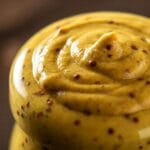
  • 2 tbsp Dijon mustard
  • 2 tbsp whole-grain mustard
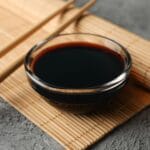
  • 2 tbsp soy sauce
  • 1 tbsp Champagne vinegar or white wine vinegar
  • 2 tbsp olive oil — plus more as needed
  • 8 oz halloumi — torn into 1-inch pieces
  • 1 lb green cabbage — cut into 2-inch-thick wedges
  • 12 oz fully cooked kielbasa or bratwurst — sliced 1/4 inch thick
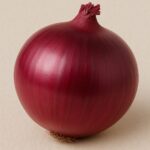
  • 1 medium red onion — cut into 1-inch pieces
  • dill — chopped, to finish

A few useful notes.

Use fully cooked sausage for this method. Raw sausage needs a different cooking step before it joins the skillet.

Halloumi, sausage and soy sauce all bring salt, so taste before adding any additional seasoning.

The cooking plan

How to make Mustard Sausage, Halloumi and Cabbage Skillet.

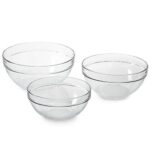
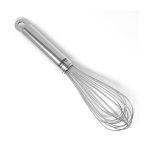
  1. Whisk both mustards, soy sauce and vinegar in a small bowl.

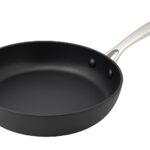
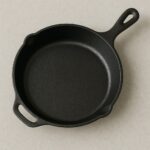
  2. Heat the oil in a large skillet over medium-high heat. Cook the halloumi in a single layer for about 4 minutes, turning as needed, until golden and crisp. Move to a bowl.

  3. Put the cabbage cut-side down in the skillet and leave for about 3 minutes, until charred in spots underneath. Move to a board and cut into smaller pieces.

  4. Cook the sliced fully cooked sausage in the same skillet for about 3 minutes, turning, until browned, crisp and hot throughout. Move to the halloumi bowl, leaving the fat in the pan.

  5. Add oil if needed to leave about a tablespoon of fat for the base batch. Add the onion and leave about 2 minutes to brown at the edges, then stir for another 3 minutes, until softened.

  6. Return the cabbage, add the mustard glaze and toss for about 1 minute, until coated. Take off the heat and fold in the hot sausage and halloumi. Finish with dill.

Let’s cook

The full recipe.

Check off ingredients as you get them ready.

Changing servings? The ingredient list scales automatically. Adjust quantities named in the steps to match, and choose pans and cooking times for your batch.

Mustard Sausage, Halloumi and Cabbage Skillet

No ratings yet
Browned halloumi and cooked sausage with charred cabbage, red onion and a mustard-soy glaze.
Servings: 4 servings
Course: Dinner
Cuisine: Contemporary fusion

Some ingredient links are affiliate links. We may earn a commission at no extra cost to you. As an Amazon Associate I earn from qualifying purchases.

Ingredients
  

Glaze
  • 2 tbsp Dijon mustard
  •  
    2 tbsp whole-grain mustard
  • 2 tbsp soy sauce
  •  
    1 tbsp Champagne vinegar or white wine vinegar
Skillet
  • 2 tbsp olive oil plus more as needed
  •  
    8 oz halloumi torn into 1-inch pieces
  •  
    1 lb green cabbage cut into 2-inch-thick wedges
  •  
    12 oz fully cooked kielbasa or bratwurst sliced 1/4 inch thick
  • 1 medium red onion cut into 1-inch pieces
To finish
  •  
    dill chopped, to finish

Equipment images are illustrative. Exact products may vary.
Instructions
 

  1. Whisk both mustards, soy sauce and vinegar in a small bowl.
  2. Heat the oil in a large skillet over medium-high heat. Cook the halloumi in a single layer for about 4 minutes, turning as needed, until golden and crisp. Move to a bowl.
  3. Put the cabbage cut-side down in the skillet and leave for about 3 minutes, until charred in spots underneath. Move to a board and cut into smaller pieces.
  4. Cook the sliced fully cooked sausage in the same skillet for about 3 minutes, turning, until browned, crisp and hot throughout. Move to the halloumi bowl, leaving the fat in the pan.
  5. Add oil if needed to leave about a tablespoon of fat for the base batch. Add the onion and leave about 2 minutes to brown at the edges, then stir for another 3 minutes, until softened.
  6. Return the cabbage, add the mustard glaze and toss for about 1 minute, until coated. Take off the heat and fold in the hot sausage and halloumi. Finish with dill.

Notes

Use fully cooked sausage for this method. Raw sausage needs a different cooking step before it joins the skillet.
Halloumi, sausage and soy sauce all bring salt, so taste before adding any additional seasoning.

Tried this recipe?

Let us know how it was!

A couple of useful answers.

Why brown the halloumi separately?

It needs direct contact with the skillet to form a crust. Taking it out keeps it from softening while the vegetables cook.

Can I use raw bratwurst?

This method uses fully cooked sausage. Raw bratwurst must be cooked safely before slicing and using here.

Keep the good food going

Similar Recipes

Find another recipe to bring to the table.

Pepper Jack Steak and Broccoli Rabe Skillet

Dinner

Pepper Jack Steak and Broccoli Rabe Skillet

Garlicky broccoli rabe and sweet pickled peppers sit under sliced steak and a layer of pepper Jack. A brief turn under the broiler melts the cheese, with lemon added just before serving.

Yield
4 servings
Cuisine
American-inspired

Bring it to the table

Cook the steak before assembling

Sear the steak to temperature and let it rest while you cook the greens. Slice it across the grain and arrange it over the vegetables before adding the cheese.

At the table

Drizzle lemon juice over the vegetables after broiling and serve from the skillet, using oven mitts for the hot handle.

Before you start

Gather your ingredients.

Full quantities and serving adjustments are in the recipe card below.

See the ingredient checklist
  • 1 lb boneless New York strip steak — patted dry
  • kosher salt — to taste
  • black pepper — freshly ground, to taste
  • 1 tbsp olive oil — plus more as needed
  • 3 cloves garlic — thinly sliced
  • 1 bunch broccoli rabe — about 1 lb for the base batch, cut into 1–2-inch pieces
  • 1/4 cup water
  • 1/3 cup mild pickled Peppadew peppers — drained and thinly sliced
  • 2 tsp lemon zest — finely grated
  • 3 oz pepper Jack cheese — coarsely grated
  • 1 tbsp lemon juice

A few useful notes.

Use a skillet that can safely go under your broiler.

Cook the steak to at least 145°F and rest it for at least 3 minutes before slicing. Timing depends on thickness and your pan.

The cooking plan

How to make Pepper Jack Steak and Broccoli Rabe Skillet.

  1. Season the steak with salt and pepper and rub with the measured oil. Heat an ovenproof skillet over medium-high heat. Sear the steak, turning regularly, until browned and the center reaches at least 145°F. Start checking around 5–7 minutes and continue as needed. Move to a board and rest at least 3 minutes.

  2. Keep the browned bits in the skillet and add oil if needed to give about 2 tablespoons fat for the base batch. Lower the heat to medium. Stir the garlic for about 1 minute, until golden.

  3. Add the broccoli rabe, season with salt and pepper and toss for about 3 minutes, until slightly wilted. Add the water and cook about 3 minutes more, until the liquid evaporates and the greens are tender. Remove from the heat and stir in the pickled peppers and lemon zest.

  4. Heat the broiler. Slice the rested steak across the grain into thin pieces and arrange over the vegetables. Add any juices from the board and sprinkle the cheese over the steak.

  5. Broil for about 3 minutes, watching closely, until the cheese melts and browns in spots. Drizzle the lemon juice over the vegetables and serve.

Let’s cook

The full recipe.

Check off ingredients as you get them ready.

Changing servings? The ingredient list scales automatically. Adjust quantities named in the steps to match, and choose pans and cooking times for your batch.

Pepper Jack Steak and Broccoli Rabe Skillet

No ratings yet
Sliced strip steak over garlicky broccoli rabe and pickled peppers, finished under melted pepper Jack.
Servings: 4 servings
Course: Dinner
Cuisine: American-inspired

Some ingredient links are affiliate links. We may earn a commission at no extra cost to you. As an Amazon Associate I earn from qualifying purchases.

Ingredients
  

Steak
  •  
    1 lb boneless New York strip steak patted dry
Steak and vegetables
  • kosher salt to taste
  • black pepper freshly ground, to taste
  • 1 tbsp olive oil plus more as needed
Vegetables
  • 3 cloves garlic thinly sliced
  •  
    1 bunch broccoli rabe about 1 lb for the base batch, cut into 1–2-inch pieces
  • ¼ cup water
  •  
    ⅓ cup mild pickled Peppadew peppers drained and thinly sliced
  • Finely grated yellow lemon zest beside a partly zested lemon2 tsp lemon zest finely grated
To finish
  •  
    3 oz pepper Jack cheese coarsely grated
  • 1 tbsp lemon juice

Equipment images are illustrative. Exact products may vary.

Instructions
 

  1. Season the steak with salt and pepper and rub with the measured oil. Heat an ovenproof skillet over medium-high heat. Sear the steak, turning regularly, until browned and the center reaches at least 145°F. Start checking around 5–7 minutes and continue as needed. Move to a board and rest at least 3 minutes.
  2. Keep the browned bits in the skillet and add oil if needed to give about 2 tablespoons fat for the base batch. Lower the heat to medium. Stir the garlic for about 1 minute, until golden.
  3. Add the broccoli rabe, season with salt and pepper and toss for about 3 minutes, until slightly wilted. Add the water and cook about 3 minutes more, until the liquid evaporates and the greens are tender. Remove from the heat and stir in the pickled peppers and lemon zest.
  4. Heat the broiler. Slice the rested steak across the grain into thin pieces and arrange over the vegetables. Add any juices from the board and sprinkle the cheese over the steak.
  5. Broil for about 3 minutes, watching closely, until the cheese melts and browns in spots. Drizzle the lemon juice over the vegetables and serve.

Notes

Use a skillet that can safely go under your broiler.
Cook the steak to at least 145°F and rest it for at least 3 minutes before slicing. Timing depends on thickness and your pan.

Tried this recipe?

Let us know how it was!

A couple of useful answers.

When do I slice the steak?

After it reaches temperature and rests for at least 3 minutes, slice across the grain before arranging it over the greens.

When is the lemon juice added?

Drizzle it over the vegetables after the cheese has melted under the broiler.

Keep the good food going

Similar Recipes

Find another recipe to bring to the table.

Green Chile Shrimp Scampi Spaghetti

Dinner

Green Chile Shrimp Scampi Spaghetti

Jalapeño and canned green chiles give this shrimp pasta its extra edge. Lemon juice, butter and a little pasta water make a glossy sauce to coat the spaghetti.

Yield
4 servings
Cuisine
Italian-American fusion

Bring it to the table

Save the pasta water

Keep some cooking water before draining the spaghetti. It joins the butter and chile mixture at the end, helping the sauce cling to the pasta.

At the table

Divide among shallow bowls and finish with parsley, fresh lemon zest and black pepper.

Before you start

Gather your ingredients.

Full quantities and serving adjustments are in the recipe card below.

See the ingredient checklist
  • 10 oz spaghetti
  • kosher salt — for the pasta water and to taste
  • 1 lb shrimp — peeled and deveined; tails on if desired
  • 2 tbsp olive oil — for the shrimp
  • 2 tbsp olive oil — for the aromatics
  • 1 jalapeño — thinly sliced; seeds removed if preferred
  • 4 cloves garlic — thinly sliced
  • 3 4-ounce cans diced roasted green chiles
  • black pepper — freshly ground, to taste
  • 2 tsp lemon zest — finely grated, plus more to finish
  • 1/3 cup lemon juice
  • 6 tbsp unsalted butter
  • parsley — chopped, to finish

A few useful notes.

Do not discard all of the pasta water when draining.

The shrimp cook in two stages. Return them to the sauce to finish, rather than serving them after the brief first sear.

The cooking plan

How to make Green Chile Shrimp Scampi Spaghetti.

  1. Cook the spaghetti in boiling salted water until al dente. Before draining, reserve some cooking water; the base batch uses about a quarter cup.

  2. As the pasta nears readiness, dry the shrimp and season with salt. Heat the shrimp oil in a large skillet over medium heat. Cook the shrimp about 1 minute per side, just until they begin turning pink, and transfer to a plate. They will finish in the sauce.

  3. Add the aromatic oil to the same skillet. Stir the jalapeño and garlic for about 1 minute, until the garlic starts to soften and color. Add the canned chiles, season with salt and pepper and cook about 2 minutes, until their liquid evaporates.

  4. Stir in the lemon juice and cook for about 1 minute, until the mixture thickens slightly. Add the pasta, shrimp, butter, reserved pasta water and measured zest. Toss over the heat until the butter blends into the sauce and the pasta is coated, about 2 minutes. The shrimp should finish firm, pearly and opaque throughout; most seafood should reach 145°F.

  5. Remove from the heat, taste and adjust the salt and pepper. Serve with parsley and extra lemon zest.

Let’s cook

The full recipe.

Check off ingredients as you get them ready.

Changing servings? The ingredient list scales automatically. Adjust quantities named in the steps to match, and choose pans and cooking times for your batch.

Green Chile Shrimp Scampi Spaghetti

No ratings yet
Spaghetti and shrimp in a lemon-butter sauce with jalapeño, garlic and roasted green chiles.
Servings: 4 servings
Course: Dinner
Cuisine: Italian-American fusion

Some ingredient links are affiliate links. We may earn a commission at no extra cost to you. As an Amazon Associate I earn from qualifying purchases.

Ingredients
  

Pasta
  •  
    10 oz spaghetti
  • kosher salt for the pasta water and to taste
Shrimp and sauce
  • 1 lb shrimp peeled and deveined; tails on if desired
  • 2 tbsp olive oil for the shrimp
  • 2 tbsp olive oil for the aromatics
  •  
    1 jalapeño thinly sliced; seeds removed if preferred
  • 4 cloves garlic thinly sliced
  •  
    3 4-ounce cans diced roasted green chiles
  • black pepper freshly ground, to taste
  • Finely grated yellow lemon zest beside a partly zested lemon2 tsp lemon zest finely grated, plus more to finish
  • ⅓ cup lemon juice
  • 6 tbsp unsalted butter
To finish
  • parsley chopped, to finish

Equipment images are illustrative. Exact products may vary.

Instructions
 

  1. Cook the spaghetti in boiling salted water until al dente. Before draining, reserve some cooking water; the base batch uses about a quarter cup.
  2. As the pasta nears readiness, dry the shrimp and season with salt. Heat the shrimp oil in a large skillet over medium heat. Cook the shrimp about 1 minute per side, just until they begin turning pink, and transfer to a plate. They will finish in the sauce.
  3. Add the aromatic oil to the same skillet. Stir the jalapeño and garlic for about 1 minute, until the garlic starts to soften and color. Add the canned chiles, season with salt and pepper and cook about 2 minutes, until their liquid evaporates.
  4. Stir in the lemon juice and cook for about 1 minute, until the mixture thickens slightly. Add the pasta, shrimp, butter, reserved pasta water and measured zest. Toss over the heat until the butter blends into the sauce and the pasta is coated, about 2 minutes. The shrimp should finish firm, pearly and opaque throughout; most seafood should reach 145°F.
  5. Remove from the heat, taste and adjust the salt and pepper. Serve with parsley and extra lemon zest.

Notes

Do not discard all of the pasta water when draining.
The shrimp cook in two stages. Return them to the sauce to finish, rather than serving them after the brief first sear.

Tried this recipe?

Let us know how it was!

A couple of useful answers.

Why take the shrimp out partway through?

It gives the garlic and chiles time to cook without keeping the shrimp over the heat throughout. They return to finish cooking with the pasta.

What makes the sauce come together?

Tossing the butter with the chile mixture and reserved pasta water coats the spaghetti in a glossy sauce.

Keep the good food going

Similar Recipes

Find another recipe to bring to the table.

Red Curry Chicken and Date Endive Cups

Lunch · Dinner

Red Curry Chicken and Date Endive Cups

Chopped dates soften in hot water before joining this red curry chicken filling. Almonds add crunch, scallions bring freshness and endive leaves make crisp little serving cups.

Yield
4 servings
Cuisine
Thai-inspired

Bring it to the table

Soak the dates while the almonds toast

A short soak softens the dates and gives you a little sweet liquid for the skillet. Add both the fruit and its soaking water after the curry paste coats the chicken.

At the table

Arrange the endive leaves on a platter, spoon the chicken mixture over them and finish with torn mint.

Before you start

Gather your ingredients.

Full quantities and serving adjustments are in the recipe card below.

See the ingredient checklist
  • 1/3 cup raw almonds
  • 4 oz Medjool dates — pitted and coarsely chopped
  • 1/2 cup hot water
  • 3 tbsp vegetable oil
  • 1 lb ground chicken
  • 4 scallions — white and dark green parts separated, thinly sliced
  • 1 1-inch piece fresh ginger — peeled and finely grated
  • 2 cloves garlic — finely grated
  • 1/2 tsp crushed red pepper flakes
  • 1 tsp Diamond Crystal kosher salt — or use half as much Morton kosher salt, plus more to taste
  • 2 1/2 tbsp red curry paste
  • 2 large endive — or 3 medium for the base batch, leaves separated
  • 1/2 cup mint leaves — torn if large

A few useful notes.

Keep the scallion whites and greens separate; they are added at different stages.

Curry pastes vary in heat and salt. Taste the finished filling before adding extra seasoning.

The cooking plan

How to make Red Curry Chicken and Date Endive Cups.

  1. Heat the oven to 350°F. Toast the almonds on a rimmed tray for 8–10 minutes, turning once, until fragrant and slightly darker. Cool, then chop. Put the dates in a small bowl with the hot water and set aside.

  2. Heat the oil in a skillet over medium-high heat. Spread the chicken into an even layer and leave for about 5 minutes, until browned underneath.

  3. Add the white scallion slices, ginger, garlic, pepper flakes and measured salt. Stir and break up the meat until combined and no large clumps remain. Stir in the curry paste and cook about 1 minute, coating the chicken evenly.

  4. Add the dates and their soaking water. Cook, stirring, until the liquid evaporates and the chicken reaches 165°F throughout. Begin checking after about 1 minute and continue as needed.

  5. Remove from the heat and stir in the almonds and dark scallion slices. Taste for salt. Spoon over the separated endive leaves and finish with mint.

Let’s cook

The full recipe.

Check off ingredients as you get them ready.

Changing servings? The ingredient list scales automatically. Adjust quantities named in the steps to match, and choose pans and cooking times for your batch.

Red Curry Chicken and Date Endive Cups

No ratings yet
Ground chicken with red curry paste, dates and almonds, spooned over crisp endive leaves with mint.
Servings: 4 servings
Course: Dinner, Lunch
Cuisine: Thai-inspired

Some ingredient links are affiliate links. We may earn a commission at no extra cost to you. As an Amazon Associate I earn from qualifying purchases.

Ingredients
  

Filling
  •  
    ⅓ cup raw almonds
  •  
    4 oz Medjool dates pitted and coarsely chopped
  •  
    ½ cup hot water
  • 3 tbsp vegetable oil
  •  
    1 lb ground chicken
  • 4 scallions white and dark green parts separated, thinly sliced
  • Fresh ginger roots with a cut piece showing the yellow interior1 1-inch piece fresh ginger peeled and finely grated
  • 2 cloves garlic finely grated
  • ½ tsp crushed red pepper flakes
  • Light irregular kosher salt flakes in a small white bowl1 tsp Diamond Crystal kosher salt or use half as much Morton kosher salt, plus more to taste
  •  
    2 ½ tbsp red curry paste
To serve
  •  
    2 large endive or 3 medium for the base batch, leaves separated
  •  
    ½ cup mint leaves torn if large

Equipment images are illustrative. Exact products may vary.

Instructions
 

  1. Heat the oven to 350°F. Toast the almonds on a rimmed tray for 8–10 minutes, turning once, until fragrant and slightly darker. Cool, then chop. Put the dates in a small bowl with the hot water and set aside.
  2. Heat the oil in a skillet over medium-high heat. Spread the chicken into an even layer and leave for about 5 minutes, until browned underneath.
  3. Add the white scallion slices, ginger, garlic, pepper flakes and measured salt. Stir and break up the meat until combined and no large clumps remain. Stir in the curry paste and cook about 1 minute, coating the chicken evenly.
  4. Add the dates and their soaking water. Cook, stirring, until the liquid evaporates and the chicken reaches 165°F throughout. Begin checking after about 1 minute and continue as needed.
  5. Remove from the heat and stir in the almonds and dark scallion slices. Taste for salt. Spoon over the separated endive leaves and finish with mint.

Notes

Keep the scallion whites and greens separate; they are added at different stages.
Curry pastes vary in heat and salt. Taste the finished filling before adding extra seasoning.

Tried this recipe?

Let us know how it was!

A couple of useful answers.

Do I drain the dates after soaking?

No. Add both the dates and the soaking water to the skillet, then cook until the liquid evaporates.

Are the endive leaves cooked?

No. Arrange them on a serving platter and spoon the hot cooked filling over them.

Keep the good food going

Similar Recipes

Find another recipe to bring to the table.

Harissa-Baked Eggs with Kale and Tomato Croutons

Breakfast · Brunch · Dinner

Harissa-Baked Eggs with Kale and Tomato Croutons

Crisp the bread in a skillet before folding it into the harissa tomato sauce. The kale softens in the sauce, then the eggs bake in small wells with yogurt and parsley added at the table.

Yield
4 servings
Cuisine
North African-inspired

Bring it to the table

Toast the bread before building the sauce

A browned surface helps the bread keep some texture when it meets the tomatoes. Keep the toasted pieces aside while you cook the garlic, capers and pastes.

At the table

Add dollops of Greek yogurt, a little olive oil and chopped parsley just before serving the skillet.

Before you start

Gather your ingredients.

Full quantities and serving adjustments are in the recipe card below.

See the ingredient checklist
  • 1 28-ounce can whole peeled tomatoes
  • 3 cups country-style bread — torn into 2-inch pieces
  • 2 tbsp olive oil — for tossing the bread
  • 2 tbsp olive oil — for toasting the bread
  • kosher salt — to taste
  • black pepper — freshly ground, to taste
  • 1 tbsp olive oil — for the sauce, plus more to finish
  • 2 cloves garlic — coarsely chopped
  • 3 tbsp capers — drained
  • 1/4 tsp crushed red pepper flakes
  • 3 tbsp harissa paste
  • 1 tbsp double-concentrated tomato paste
  • 1 bunch Tuscan kale — stems removed; leaves coarsely chopped
  • 4 large eggs
  • 1 cup plain whole-milk Greek yogurt
  • parsley — coarsely chopped, to finish

A few useful notes.

Harissa brands vary in heat. Taste the paste first and adjust the extra red pepper flakes to your preference.

The skillet handle remains hot after baking; use oven mitts when bringing it to the table.

The cooking plan

How to make Harissa-Baked Eggs with Kale and Tomato Croutons.

  1. Heat the oven to 425°F. Put the tomatoes and their juices in a bowl and crush into small pieces.

  2. Toss the bread with its tossing oil, salt and black pepper. Heat the toasting oil in an ovenproof, high-sided skillet over medium-high heat. Spread in the bread and leave for about 3 minutes to brown underneath, then toss for another 3 minutes, until crisp all over. Return it to its bowl.

  3. Add the sauce oil to the skillet. Stir the garlic, capers and pepper flakes for about 1 minute, until beginning to soften. Add the harissa and tomato paste and stir for another minute, until the pastes deepen in color.

  4. Add the kale and crushed tomatoes, season with salt and black pepper and cook for about 3 minutes, stirring, until the kale begins to wilt and the sauce thickens slightly. Remove from the heat and fold in the toasted bread.

  5. Make 4 wells and crack an egg into each. Season lightly and transfer the skillet to the oven. Begin checking after 5–8 minutes and continue until the eggs are set, with firm whites and yolks; the egg mixture should reach 160°F.

  6. Dollop the yogurt over the skillet and finish with parsley and a little more olive oil. Serve hot.

Let’s cook

The full recipe.

Check off ingredients as you get them ready.

Changing servings? The ingredient list scales automatically. Adjust quantities named in the steps to match, and choose pans and cooking times for your batch.

Harissa-Baked Eggs with Kale and Tomato Croutons

No ratings yet
Eggs baked in a harissa tomato and kale sauce with toasted bread, Greek yogurt and parsley.
Servings: 4 servings
Course: Breakfast, Brunch, Dinner
Cuisine: North African-inspired

Some ingredient links are affiliate links. We may earn a commission at no extra cost to you. As an Amazon Associate I earn from qualifying purchases.

Ingredients
  

Sauce
  •  
    1 28-ounce can whole peeled tomatoes
Croutons
  •  
    3 cups country-style bread torn into 2-inch pieces
  • 2 tbsp olive oil for tossing the bread
  • 2 tbsp olive oil for toasting the bread
Croutons and sauce
  • kosher salt to taste
  • black pepper freshly ground, to taste
Sauce
  • 1 tbsp olive oil for the sauce, plus more to finish
  • 2 cloves garlic coarsely chopped
  •  
    3 tbsp capers drained
  • ¼ tsp crushed red pepper flakes
  •  
    3 tbsp harissa paste
  •  
    1 tbsp double-concentrated tomato paste
  •  
    1 bunch Tuscan kale stems removed; leaves coarsely chopped
Eggs
  • 4 large eggs
To finish
  • 1 cup plain whole-milk Greek yogurt
  • parsley coarsely chopped, to finish

Equipment images are illustrative. Exact products may vary.

Instructions
 

  1. Heat the oven to 425°F. Put the tomatoes and their juices in a bowl and crush into small pieces.
  2. Toss the bread with its tossing oil, salt and black pepper. Heat the toasting oil in an ovenproof, high-sided skillet over medium-high heat. Spread in the bread and leave for about 3 minutes to brown underneath, then toss for another 3 minutes, until crisp all over. Return it to its bowl.
  3. Add the sauce oil to the skillet. Stir the garlic, capers and pepper flakes for about 1 minute, until beginning to soften. Add the harissa and tomato paste and stir for another minute, until the pastes deepen in color.
  4. Add the kale and crushed tomatoes, season with salt and black pepper and cook for about 3 minutes, stirring, until the kale begins to wilt and the sauce thickens slightly. Remove from the heat and fold in the toasted bread.
  5. Make 4 wells and crack an egg into each. Season lightly and transfer the skillet to the oven. Begin checking after 5–8 minutes and continue until the eggs are set, with firm whites and yolks; the egg mixture should reach 160°F.
  6. Dollop the yogurt over the skillet and finish with parsley and a little more olive oil. Serve hot.

Notes

Harissa brands vary in heat. Taste the paste first and adjust the extra red pepper flakes to your preference.
The skillet handle remains hot after baking; use oven mitts when bringing it to the table.

Tried this recipe?

Let us know how it was!

A couple of useful answers.

Why toast the bread separately?

It lets the bread brown before absorbing the sauce. Fold it back in just before making the wells for the eggs.

What goes on after baking?

Add the Greek yogurt, parsley and final drizzle of olive oil once the skillet is out of the oven.

Keep the good food going

Similar Recipes

Find another recipe to bring to the table.
Chocolate Chunk Oat Cookies with Figs and Coconut

Dessert

Chocolate Chunk Oat Cookies with Figs and Coconut

These substantial cookies bring oats, chopped figs, coconut and chocolate into one dough. Sliced almonds and a few extra chocolate pieces go on top before baking.

Yield
12 cookies
Cuisine
American

Bring it to the table

Chill before scooping

A short rest in the refrigerator firms the dough for shaping. Leave space between the large scoops and let the cookies cool on their trays before moving them.

At the table

Serve once the cookies have cooled enough to hold together. The base batch makes about 12 large cookies.

Before you start

Gather your ingredients.

Full quantities and serving adjustments are in the recipe card below.

See the ingredient checklist
  • 83 g all-purpose flour
  • 35 g food-grade brewer’s yeast
  • 26 g flaxseed meal
  • 1/2 tsp ground cinnamon
  • 1/2 tsp baking soda
  • 1/2 tsp Diamond Crystal kosher salt — or use half as much Morton kosher salt
  • 1/2 cup unsalted butter — at room temperature
  • 100 g granulated sugar
  • 100 g light brown sugar
  • 1 large egg
  • 1 tsp vanilla extract
  • 120 g old-fashioned rolled oats
  • 1/2 cup dried figs or raisins — figs chopped
  • 1/3 cup shredded coconut — sweetened or unsweetened
  • 5 oz semisweet or bittersweet chocolate — chopped, for the dough
  • 1 oz semisweet or bittersweet chocolate — chopped, for topping
  • 2 tbsp sliced almonds
  • flaky sea salt — to finish

A few useful notes.

Use food-grade brewer’s yeast, which is a different ingredient from the yeast used to raise bread dough.

Quarter-cup portions make about 12 large cookies. Smaller scoops need a different baking time.
The cooking plan

How to make Chocolate Chunk Oat Cookies with Figs and Coconut.

  1. Put oven racks in the upper and lower thirds and heat to 325°F. Line two baking sheets with parchment. Whisk the flour, brewer’s yeast, flaxseed meal, cinnamon, baking soda and kosher salt in a bowl.

  2. Beat the butter and both sugars on medium speed for about 1 minute, until creamy and combined. Beat in the egg and vanilla for about 30 seconds, until smooth.

  3. Mix in the dry ingredients on low speed just until combined, about 15 seconds. Fold in the oats, figs or raisins, coconut and dough chocolate until evenly distributed. Cover and refrigerate for 30 minutes.

  4. Scoop roughly quarter-cup portions onto the lined trays, about 3 inches apart. Leave them mounded rather than flattening. Divide the sliced almonds and topping chocolate over the cookies, pressing them lightly into the surface, and finish with a little flaky salt.

  5. Bake for 18–22 minutes, switching the trays top to bottom and turning them front to back halfway through. The edges should be golden and firm while the centers remain soft. Let cool on the baking sheets for at least 15 minutes before moving.

Let’s cook

The full recipe.

Check off ingredients as you get them ready.

Changing servings? The ingredient list scales automatically. Adjust quantities named in the steps to match, and choose pans and cooking times for your batch.

Chocolate Chunk Oat Cookies with Figs and Coconut

No ratings yet
Large oat cookies with dried figs, coconut, flaxseed meal, brewer’s yeast and chocolate chunks.
Servings: 12 cookies
Course: Dessert
Cuisine: American

Some ingredient links are affiliate links. We may earn a commission at no extra cost to you. As an Amazon Associate I earn from qualifying purchases.

Ingredients
  

Dough
  • 83 g all-purpose flour
  •  
    35 g food-grade brewer’s yeast
  •  
    26 g flaxseed meal
  • ½ tsp ground cinnamon
  • Fine white baking soda in a glass prep bowl with a measuring spoon½ tsp baking soda
  • Light irregular kosher salt flakes in a small white bowl½ tsp Diamond Crystal kosher salt or use half as much Morton kosher salt
  • ½ cup unsalted butter at room temperature
  • 100 g granulated sugar
  • Moist light brown sugar in a white prep bowl100 g light brown sugar
  • 1 large egg
  • 1 tsp vanilla extract
  •  
    120 g old-fashioned rolled oats
  •  
    ½ cup dried figs or raisins figs chopped
  • ⅓ cup shredded coconut sweetened or unsweetened
  •  
    5 oz semisweet or bittersweet chocolate chopped, for the dough
To finish
  •  
    1 oz semisweet or bittersweet chocolate chopped, for topping
  •  
    2 tbsp sliced almonds
  • Large delicate sea salt flakes in a glass prep bowlflaky sea salt to finish

Equipment images are illustrative. Exact products may vary.

Instructions
 

  1. Put oven racks in the upper and lower thirds and heat to 325°F. Line two baking sheets with parchment. Whisk the flour, brewer’s yeast, flaxseed meal, cinnamon, baking soda and kosher salt in a bowl.
  2. Beat the butter and both sugars on medium speed for about 1 minute, until creamy and combined. Beat in the egg and vanilla for about 30 seconds, until smooth.
  3. Mix in the dry ingredients on low speed just until combined, about 15 seconds. Fold in the oats, figs or raisins, coconut and dough chocolate until evenly distributed. Cover and refrigerate for 30 minutes.
  4. Scoop roughly quarter-cup portions onto the lined trays, about 3 inches apart. Leave them mounded rather than flattening. Divide the sliced almonds and topping chocolate over the cookies, pressing them lightly into the surface, and finish with a little flaky salt.
  5. Bake for 18–22 minutes, switching the trays top to bottom and turning them front to back halfway through. The edges should be golden and firm while the centers remain soft. Let cool on the baking sheets for at least 15 minutes before moving.

Notes

Use food-grade brewer’s yeast, which is a different ingredient from the yeast used to raise bread dough.
Quarter-cup portions make about 12 large cookies. Smaller scoops need a different baking time.

Tried this recipe?

Let us know how it was!

A couple of useful answers.

Why are the cookies left mounded?

The dough spreads as it bakes, so the scoops do not need flattening beforehand.

When can I move them off the tray?

Wait at least 15 minutes after baking so the soft centers have time to firm up.

Keep the good food going

Similar Recipes

Find another recipe to bring to the table.