Lemon Swordfish with Asparagus and White Beans

Dinner

Lemon Swordfish with Asparagus and White Beans

Cook the asparagus and beans first, then use the same skillet for bite-size pieces of swordfish. A lemony dressing and fresh herbs bring the two parts together at the end.

Yield
4 servings
Cuisine
Mediterranean-inspired

Bring it to the table

Keep the fish separate until serving

Warm the beans and cook the asparagus before searing the fish. Combining them gently at the end keeps the fish pieces from breaking up in the pan.

At the table

Add the fish and herbs to the warm beans, drizzle with dressing and scatter extra herbs over the serving bowl.

Before you start

Gather your ingredients.

Full quantities and serving adjustments are in the recipe card below.

See the ingredient checklist
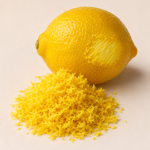
  • 2 lemons — zest and juice
  • 1 tsp crushed red pepper flakes
  • 1/2 cup olive oil — for the vinaigrette
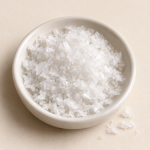
  • kosher salt — to taste
  • black pepper — freshly ground, to taste
  • 1 1/2 lb swordfish or mahi-mahi — patted dry and cut into 1-inch cubes
  • 2 tbsp olive oil — for the vegetables
  • 1 lb asparagus — trimmed and cut into 1/2-inch pieces
  • 1 clove garlic — thinly sliced
  • 2 15-ounce cans small white beans — drained and rinsed
  • 1/4 cup water
  • 2 tbsp olive oil — for the fish
  • 1/2 cup tender herbs — mint, dill, basil and/or parsley, plus more to finish

A few useful notes.

Keep the separate oil measures ready for the dressing, vegetables and fish.

Firm fish holds its shape when folded into the beans. Use a thermometer and doneness cues because cube size affects timing.

The cooking plan

How to make Lemon Swordfish with Asparagus and White Beans.

  1. Whisk the lemon zest and juice, red pepper flakes and dressing oil in a bowl. Season with salt and pepper.

  2. Season the fish with salt and pepper. Warm the vegetable oil in a large skillet over medium heat. Add the asparagus, garlic, beans and water. Season lightly and cook, stirring occasionally, for about 4 minutes, until the asparagus is tender-crisp and the beans are hot.

  3. Transfer the vegetables to a serving bowl and stir in a little dressing, starting with about 2 tablespoons for the base batch.

  4. Add the fish oil to the same skillet over medium heat. Cook the fish for about 5–7 minutes, turning carefully, until golden and opaque, flaking readily, and reaching 145°F.

  5. Add the fish and measured herbs to the beans and fold together gently. Drizzle over more vinaigrette to taste, adjust the salt and pepper and finish with extra herbs.

Let’s cook

The full recipe.

Check off ingredients as you get them ready.

Changing servings? The ingredient list scales automatically. Adjust quantities named in the steps to match, and choose pans and cooking times for your batch.

Lemon Swordfish with Asparagus and White Beans

No ratings yet
Skillet swordfish with asparagus and white beans, tossed with lemon vinaigrette and tender herbs.
Servings: 4 servings
Course: Dinner
Cuisine: Mediterranean-inspired

Some ingredient links are affiliate links. We may earn a commission at no extra cost to you. As an Amazon Associate I earn from qualifying purchases.

Ingredients
  

Dressing
  • 2 Lemon zest and juice
  • 1 tsp crushed red pepper flakes
  • ½ cup olive oil for the vinaigrette
  • kosher salt to taste
  • black pepper freshly ground, to taste
Skillet
  •  
    1 ½ lb swordfish or mahi-mahi patted dry and cut into 1-inch cubes
  • 2 tbsp olive oil for the vegetables
  • Fresh green asparagus spears1 lb asparagus trimmed and cut into 1/2-inch pieces
  • 1 clove garlic thinly sliced
  •  
    2 15-ounce cans small white beans drained and rinsed
  • ¼ cup water
  • 2 tbsp olive oil for the fish
To finish
  •  
    ½ cup tender herbs mint, dill, basil and/or parsley, plus more to finish

Equipment images are illustrative. Exact products may vary.

Instructions
 

  1. Whisk the lemon zest and juice, red pepper flakes and dressing oil in a bowl. Season with salt and pepper.
  2. Season the fish with salt and pepper. Warm the vegetable oil in a large skillet over medium heat. Add the asparagus, garlic, beans and water. Season lightly and cook, stirring occasionally, for about 4 minutes, until the asparagus is tender-crisp and the beans are hot.
  3. Transfer the vegetables to a serving bowl and stir in a little dressing, starting with about 2 tablespoons for the base batch.
  4. Add the fish oil to the same skillet over medium heat. Cook the fish for about 5–7 minutes, turning carefully, until golden and opaque, flaking readily, and reaching 145°F.
  5. Add the fish and measured herbs to the beans and fold together gently. Drizzle over more vinaigrette to taste, adjust the salt and pepper and finish with extra herbs.

Notes

Keep the separate oil measures ready for the dressing, vegetables and fish.
Firm fish holds its shape when folded into the beans. Use a thermometer and doneness cues because cube size affects timing.

Tried this recipe?

Let us know how it was!

A couple of useful answers.

Do the fish and vegetables cook together?

Cook them separately in the same skillet, then fold them together gently in the serving bowl.

Can I use mahi-mahi instead?

Yes. Cut it into similar-size pieces and cook it to 145°F before combining with the vegetables.

Keep the good food going

Similar Recipes

Find another recipe to bring to the table.

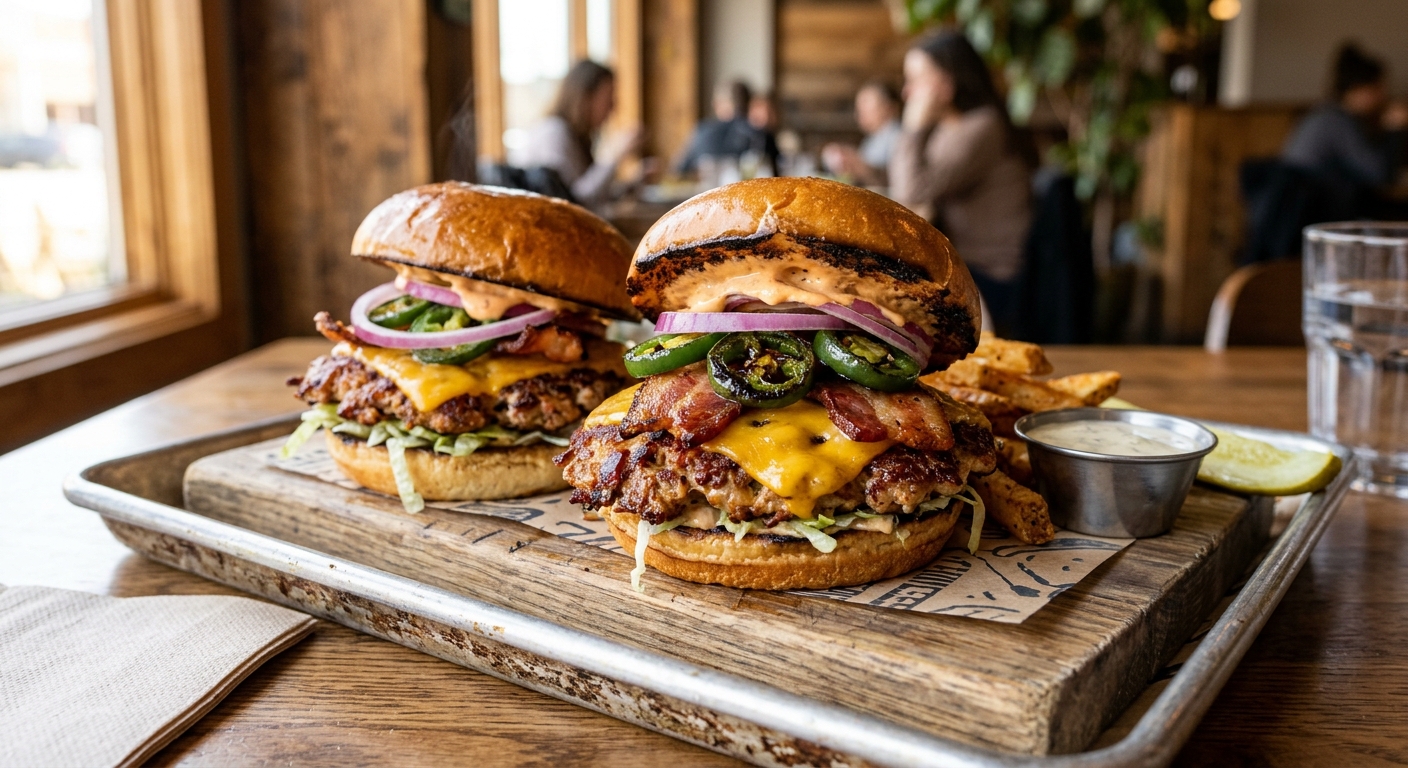
Chicken and Bacon Smash Burgers with Jalapeño

Lunch · Dinner

Chicken and Bacon Smash Burgers with Jalapeño

These chicken patties get smashed thin in the skillet, with sliced onion and jalapeño pressed onto the top before flipping. Crisp bacon and toasted buns finish the burgers.

Yield
4 servings
Cuisine
American

Bring it to the table

Smash once, then let the patties brown

Handle the chicken gently when forming the portions. Flatten each one in the hot pan, add the onion and chile, and leave it alone until the first side has a browned crust.

At the table

Build the burgers on toasted buns with the crisp bacon and serve with ketchup alongside.

Before you start

Gather your ingredients.

Full quantities and serving adjustments are in the recipe card below.

See the ingredient checklist
  • 1 lb ground chicken
  • 2 tsp vegetable oil
  • 4 hamburger buns — split
  • 8 slices bacon — regular-cut, halved crosswise
  • kosher salt — to taste
  • black pepper — freshly ground, to taste
  • 1 small red onion — very thinly sliced
  • 1 jalapeño — very thinly sliced
  • ketchup — to serve

A few useful notes.

Cook ground chicken to 165°F. Thin patties cook quickly, but their temperature is more useful than a fixed minute count.

Regular-cut bacon is used here; thick-cut slices take longer to crisp.

The cooking plan

How to make Chicken and Bacon Smash Burgers with Jalapeño.

  1. Divide the chicken into 4 equal portions, handling it as little as possible. Shape into loose balls and flatten their tops slightly.

  2. Heat the oil in a large cast-iron skillet over medium-high heat. Toast the buns cut-side down in batches for about 1 minute, until golden. Move to serving plates.

  3. Cook half the bacon in the skillet until crisp, about 2 minutes per side. Put the cooked bacon on two bottom buns. Leave enough rendered fat in the skillet to sear the patties.

  4. Season two chicken portions with salt and pepper and set them well apart in the pan. Press firmly with a spatula into thin patties. Divide half the onion and jalapeño over them and press lightly into the chicken.

  5. Cook without moving for about 2 minutes, until browned underneath. Flip and continue until the onion is golden and the chicken reaches 165°F throughout; begin checking after about 1 minute on the second side and continue as needed. Move onto the bacon-topped buns.

  6. Repeat with the remaining bacon, chicken, onion and jalapeño. Add the bun tops and serve with ketchup.

Let’s cook

The full recipe.

Check off ingredients as you get them ready.

Changing servings? The ingredient list scales automatically. Adjust quantities named in the steps to match, and choose pans and cooking times for your batch.

Chicken and Bacon Smash Burgers with Jalapeño

No ratings yet
Thin chicken burgers seared with red onion and jalapeño, served on toasted buns with crisp bacon.
Servings: 4 servings
Course: Dinner, Lunch
Cuisine: American

Some ingredient links are affiliate links. We may earn a commission at no extra cost to you. As an Amazon Associate I earn from qualifying purchases.

Ingredients
  

Burgers
  •  
    1 lb ground chicken
  • 2 tsp vegetable oil
  •  
    4 hamburger buns split
  • 8 slices bacon regular-cut, halved crosswise
  • kosher salt to taste
  • black pepper freshly ground, to taste
  • 1 small red onion very thinly sliced
  •  
    1 jalapeño very thinly sliced
To finish
  • ketchup to serve

Equipment images are illustrative. Exact products may vary.

Instructions
 

  1. Divide the chicken into 4 equal portions, handling it as little as possible. Shape into loose balls and flatten their tops slightly.
  2. Heat the oil in a large cast-iron skillet over medium-high heat. Toast the buns cut-side down in batches for about 1 minute, until golden. Move to serving plates.
  3. Cook half the bacon in the skillet until crisp, about 2 minutes per side. Put the cooked bacon on two bottom buns. Leave enough rendered fat in the skillet to sear the patties.
  4. Season two chicken portions with salt and pepper and set them well apart in the pan. Press firmly with a spatula into thin patties. Divide half the onion and jalapeño over them and press lightly into the chicken.
  5. Cook without moving for about 2 minutes, until browned underneath. Flip and continue until the onion is golden and the chicken reaches 165°F throughout; begin checking after about 1 minute on the second side and continue as needed. Move onto the bacon-topped buns.
  6. Repeat with the remaining bacon, chicken, onion and jalapeño. Add the bun tops and serve with ketchup.

Notes

Cook ground chicken to 165°F. Thin patties cook quickly, but their temperature is more useful than a fixed minute count.
Regular-cut bacon is used here; thick-cut slices take longer to crisp.

Tried this recipe?

Let us know how it was!

A couple of useful answers.

When do the onion and jalapeño go on?

Press them onto the smashed patties before flipping. They meet the hot skillet when the burgers are turned.

How do I know the chicken is cooked?

Check that the patties reach 165°F throughout. Add cooking time as needed rather than relying only on browning.

Keep the good food going

Similar Recipes

Find another recipe to bring to the table.

Spring Barley with Asparagus, Peas and Mint

Lunch · Dinner

Spring Barley with Asparagus, Peas and Mint

Cook pearl barley in fennel broth, then stir in peas, briefly sautéed asparagus and lemon. Fresh mint finishes the bowl without weighing down the vegetables.

Yield
4 servings
Cuisine
Southern American-inspired

Bring it to the table

Keep the asparagus separate at first

Sauté the asparagus before toasting the barley, then set it aside. It returns near the end so the grains have time to cook without turning the asparagus soft.

At the table

Spoon the barley into bowls and add the lemon zest and mint leaves just before serving.

Base recipe: Fennel Potlikker

Before you start

Gather your ingredients.

Full quantities and serving adjustments are in the recipe card below.

See the ingredient checklist
  • 2 tbsp olive oil
  • 1 lb asparagus — trimmed and cut into 1-inch pieces
  • 1 cup pearl barley
  • 3 cups fennel potlikker — see linked base recipe; top up with water if needed
  • 1 tbsp Diamond Crystal kosher salt — Morton alternative: 1 3/4 tsp for the base four-serving batch; scale with servings
  • 1 cup green peas — fresh or frozen
  • 2 tsp lemon juice
  • black pepper — freshly ground, to taste
  • 1 tbsp lemon zest — finely grated
  • 1/2 cup mint leaves

A few useful notes.

Use pearl barley, not hulled barley, for the liquid amount and timing given here.

The broth is already seasoned. Taste before adding any salt beyond the measured amount.

Scale alternate salt quantities written in notes if changing the servings.

The cooking plan

How to make Spring Barley with Asparagus, Peas and Mint.

  1. Have the prepared fennel potlikker ready; its base recipe is linked on this page. Heat the oil in a saucepan over medium heat. Cook the asparagus for about 5 minutes, stirring often, until bright green and softened. Transfer to a plate.

  2. Raise the heat to medium-high and add the barley to the same saucepan. Stir for about 4 minutes, until lightly toasted.

  3. Add the measured broth and salt and bring to a boil. Lower the heat, cover and simmer for 25–30 minutes, until the barley is tender and the liquid is absorbed.

  4. Uncover and stir in the peas. Cook for about 4 minutes, until tender and bright green. Add the lemon juice and reserved asparagus and stir until hot. Taste and season with black pepper and any extra salt needed.

  5. Divide among bowls and finish with the lemon zest and mint.

Let’s cook

The full recipe.

Check off ingredients as you get them ready.

Changing servings? The ingredient list scales automatically. Adjust quantities named in the steps to match, and choose pans and cooking times for your batch.

Spring Barley with Asparagus, Peas and Mint

No ratings yet
Pearl barley cooked in fennel broth with asparagus, green peas, lemon and mint.
Servings: 4 servings
Course: Dinner, Lunch
Cuisine: Southern American-inspired

Some ingredient links are affiliate links. We may earn a commission at no extra cost to you. As an Amazon Associate I earn from qualifying purchases.

Ingredients
  

Barley bowl
  • 2 tbsp olive oil
  • Fresh green asparagus spears1 lb asparagus trimmed and cut into 1-inch pieces
  •  
    1 cup pearl barley
  •  
    3 cups fennel potlikker see linked base recipe; top up with water if needed
  • Light irregular kosher salt flakes in a small white bowl1 tbsp Diamond Crystal kosher salt Morton alternative: 1 3/4 tsp for the base four-serving batch; scale with servings
  •  
    1 cup green peas fresh or frozen
  • 2 tsp lemon juice
  • black pepper freshly ground, to taste
To finish
  • Finely grated yellow lemon zest beside a partly zested lemon1 tbsp lemon zest finely grated
  •  
    ½ cup mint leaves

Equipment images are illustrative. Exact products may vary.

Instructions
 

  1. Have the prepared fennel potlikker ready; its base recipe is linked on this page. Heat the oil in a saucepan over medium heat. Cook the asparagus for about 5 minutes, stirring often, until bright green and softened. Transfer to a plate.
  2. Raise the heat to medium-high and add the barley to the same saucepan. Stir for about 4 minutes, until lightly toasted.
  3. Add the measured broth and salt and bring to a boil. Lower the heat, cover and simmer for 25–30 minutes, until the barley is tender and the liquid is absorbed.
  4. Uncover and stir in the peas. Cook for about 4 minutes, until tender and bright green. Add the lemon juice and reserved asparagus and stir until hot. Taste and season with black pepper and any extra salt needed.
  5. Divide among bowls and finish with the lemon zest and mint.

Notes

Use pearl barley, not hulled barley, for the liquid amount and timing given here.
The broth is already seasoned. Taste before adding any salt beyond the measured amount.
Scale alternate salt quantities written in notes if changing the servings.
Base recipe: Fennel Potlikker

Tried this recipe?

Let us know how it was!

A couple of useful answers.

Can I use hulled barley?

This method is written for pearl barley. Hulled barley needs a different liquid amount and cooking time, so it is not a direct substitution.

When do the peas go in?

Stir them in after the barley is tender, then cook for about 4 minutes before adding the asparagus and lemon juice.

Keep the good food going

Similar Recipes

Find another recipe to bring to the table.

Shrimp and Grits with Fennel and Tomatoes

Dinner

Shrimp and Grits with Fennel and Tomatoes

Fennel broth cooks into the grits and also loosens the shrimp sauce. Use the fennel stems in the skillet and save the fronds to scatter over the finished bowls.

Yield
4 servings
Cuisine
Southern American-inspired

Bring it to the table

Give the grits the time they need

Stone-ground and regular grits cook at different speeds. Whisk often and use their texture as the guide, adding a little more broth or water if they tighten before you are ready to serve.

At the table

Divide the hot grits among bowls, spoon the shrimp and tomato sauce over them and finish with chopped fennel fronds.

Base recipe: Fennel Potlikker

Before you start

Gather your ingredients.

Full quantities and serving adjustments are in the recipe card below.

See the ingredient checklist
  • 2 cups fennel potlikker — for the grits, plus extra to loosen; see linked base recipe
  • 2 cups cold water
  • 1 cup yellow grits — stone-ground or regular, rinsed and drained
  • 1 bay leaf
  • 2 tsp Diamond Crystal kosher salt — or use half as much Morton kosher salt
  • 1 tsp black pepper — freshly ground
  • 1 lb large shrimp — peeled and deveined, tails left on if desired
  • 1 tsp Diamond Crystal kosher salt — or use half as much Morton kosher salt
  • 1 tsp black pepper — freshly ground
  • 3 tbsp olive oil
  • 1 cup fennel stems — finely chopped
  • 2 cloves garlic — thinly sliced
  • 1 tsp crushed red pepper flakes
  • 2 plum tomatoes — cored and finely chopped
  • 1/2 cup fennel potlikker — for the sauce
  • 3 tbsp fennel fronds — coarsely chopped

A few useful notes.

The broth is part of both the grits and sauce. Keep their separate measures ready before starting.

Grits thicken as they stand. Whisk in a little extra hot broth or water before serving if necessary.

The cooking plan

How to make Shrimp and Grits with Fennel and Tomatoes.

  1. Prepare the fennel potlikker using the linked base recipe. Combine the grits broth and cold water in a saucepan, then whisk in the grits. Bring to a boil over medium heat, lower to medium-low and add the bay leaf and grits salt.

  2. Cook, whisking often, until thick and creamy: about 40–45 minutes for stone-ground grits or 20–25 minutes for regular grits. Stir in the grits pepper, taste for salt and remove the bay leaf. Keep warm over very low heat, whisking occasionally.

  3. Season the shrimp with their measured salt and pepper. Heat the oil in a skillet over medium-high heat. Cook the shrimp in batches for about 2 minutes per side, until turning opaque, then move to a plate; they will return to the sauce.

  4. Lower the skillet heat to medium. Stir the chopped fennel stems in the pan for about 5 minutes, until softened and starting to brown. Add the garlic and pepper flakes and stir for 1 minute. Add the tomatoes and sauce broth and simmer about 5 minutes, until the tomatoes begin to break down.

  5. Return the shrimp and cook for about 1 minute more, or until firm, pearly and opaque throughout; most seafood should reach 145°F. Taste the sauce and adjust the seasoning.

  6. Loosen the grits with extra broth or water if needed. Spoon into bowls, add the shrimp and sauce and finish with fennel fronds.

Let’s cook

The full recipe.

Check off ingredients as you get them ready.

Changing servings? The ingredient list scales automatically. Adjust quantities named in the steps to match, and choose pans and cooking times for your batch.

Shrimp and Grits with Fennel and Tomatoes

No ratings yet
Creamy grits cooked in fennel broth, topped with shrimp and a tomato-fennel pan sauce.
Servings: 4 servings
Course: Dinner
Cuisine: Southern American-inspired

Some ingredient links are affiliate links. We may earn a commission at no extra cost to you. As an Amazon Associate I earn from qualifying purchases.

Ingredients
  

Grits
  •  
    2 cups fennel potlikker for the grits, plus extra to loosen; see linked base recipe
  • 2 cups cold water
  •  
    1 cup yellow grits stone-ground or regular, rinsed and drained
  • 1 bay leaf
  • Light irregular kosher salt flakes in a small white bowl2 tsp Diamond Crystal kosher salt or use half as much Morton kosher salt
  • 1 tsp black pepper freshly ground
Shrimp and sauce
  • 1 lb large shrimp peeled and deveined, tails left on if desired
  • Light irregular kosher salt flakes in a small white bowl1 tsp Diamond Crystal kosher salt or use half as much Morton kosher salt
  • 1 tsp black pepper freshly ground
  • 3 tbsp olive oil
  •  
    1 cup fennel stems finely chopped
  • 2 cloves garlic thinly sliced
  • 1 tsp crushed red pepper flakes
  •  
    2 plum tomatoes cored and finely chopped
  •  
    ½ cup fennel potlikker for the sauce
To finish
  •  
    3 tbsp fennel fronds coarsely chopped

Equipment images are illustrative. Exact products may vary.

Instructions
 

  1. Prepare the fennel potlikker using the linked base recipe. Combine the grits broth and cold water in a saucepan, then whisk in the grits. Bring to a boil over medium heat, lower to medium-low and add the bay leaf and grits salt.
  2. Cook, whisking often, until thick and creamy: about 40–45 minutes for stone-ground grits or 20–25 minutes for regular grits. Stir in the grits pepper, taste for salt and remove the bay leaf. Keep warm over very low heat, whisking occasionally.
  3. Season the shrimp with their measured salt and pepper. Heat the oil in a skillet over medium-high heat. Cook the shrimp in batches for about 2 minutes per side, until turning opaque, then move to a plate; they will return to the sauce.
  4. Lower the skillet heat to medium. Stir the chopped fennel stems in the pan for about 5 minutes, until softened and starting to brown. Add the garlic and pepper flakes and stir for 1 minute. Add the tomatoes and sauce broth and simmer about 5 minutes, until the tomatoes begin to break down.
  5. Return the shrimp and cook for about 1 minute more, or until firm, pearly and opaque throughout; most seafood should reach 145°F. Taste the sauce and adjust the seasoning.
  6. Loosen the grits with extra broth or water if needed. Spoon into bowls, add the shrimp and sauce and finish with fennel fronds.

Notes

The broth is part of both the grits and sauce. Keep their separate measures ready before starting.
Grits thicken as they stand. Whisk in a little extra hot broth or water before serving if necessary.
Base recipe: Fennel Potlikker

Tried this recipe?

Let us know how it was!

A couple of useful answers.

Which kind of grits should I use?

Stone-ground or regular yellow grits both work, but the cooking time differs. Cook and whisk until creamy rather than using a single fixed time for both.

Which parts of fennel are used?

Chopped stems cook in the shrimp sauce. The softer fronds are scattered over the bowls at the end; the base broth is made with the bulb.

Keep the good food going

Similar Recipes

Find another recipe to bring to the table.

Fennel Potlikker

Soup

Fennel Potlikker

Fennel, onion and celery simmer into a light broth with a splash of anise-flavored Pernod. Strain it before using it to cook grits or pearl barley.

Yield
3 cups
Cuisine
Southern American-inspired

Bring it to the table

Soften the vegetables before simmering

Start the onion, fennel and celery in olive oil. Once they soften, add Pernod and let the liquid reduce before pouring in the water for the simmer.

At the table

Measure the strained broth for shrimp and grits or a spring barley bowl. Save fennel stems and fronds separately if you plan to make the shrimp dish.

Before you start

Gather your ingredients.

Full quantities and serving adjustments are in the recipe card below.

See the ingredient checklist
  • 3 tbsp olive oil
  • 1 large onion — chopped
  • 1 large fennel bulb — cut into 8 wedges
  • 1 stalk celery — chopped
  • 1 tsp Diamond Crystal kosher salt — or use half as much Morton kosher salt
  • 2 tbsp Pernod
  • 1/4 tsp crushed red pepper flakes
  • 5 cups water

A few useful notes.

The final volume depends on evaporation. Measure the strained broth before using it in another recipe.

The cooking plan

How to make Fennel Potlikker.

  1. Warm the oil in a large saucepan over medium heat. Add the onion, fennel, celery and salt. Stir frequently for about 4 minutes, until the vegetables turn translucent.

  2. Add the Pernod and red pepper flakes. Stir for about 1 minute, until most of the liquid has evaporated.

  3. Pour in the water and bring to a simmer. Reduce the heat to medium-low and cook for 45 minutes.

  4. Strain through a fine sieve into a heatproof jug or bowl, discarding the solids. The base batch makes about 3 cups. Use as directed in your dish, or cool promptly in shallow containers and refrigerate within 2 hours.

Let’s cook

The full recipe.

Check off ingredients as you get them ready.

Changing servings? The ingredient list scales automatically. Adjust quantities named in the steps to match, and choose pans and cooking times for your batch.

Fennel Potlikker

No ratings yet
A fennel, onion and celery broth with a splash of Pernod and a little crushed red pepper.
Servings: 3 cups
Course: Soup
Cuisine: Southern American-inspired

Some ingredient links are affiliate links. We may earn a commission at no extra cost to you. As an Amazon Associate I earn from qualifying purchases.

Ingredients
  

Broth
  • 3 tbsp olive oil
  • 1 large Onions chopped
  •  
    1 large fennel bulb cut into 8 wedges
  • 1 stalk celery chopped
  • Light irregular kosher salt flakes in a small white bowl1 tsp Diamond Crystal kosher salt or use half as much Morton kosher salt
  •  
    2 tbsp Pernod
  • ¼ tsp crushed red pepper flakes
  • 5 cups water

Equipment images are illustrative. Exact products may vary.

Instructions
 

  1. Warm the oil in a large saucepan over medium heat. Add the onion, fennel, celery and salt. Stir frequently for about 4 minutes, until the vegetables turn translucent.
  2. Add the Pernod and red pepper flakes. Stir for about 1 minute, until most of the liquid has evaporated.
  3. Pour in the water and bring to a simmer. Reduce the heat to medium-low and cook for 45 minutes.
  4. Strain through a fine sieve into a heatproof jug or bowl, discarding the solids. The base batch makes about 3 cups. Use as directed in your dish, or cool promptly in shallow containers and refrigerate within 2 hours.

Notes

The final volume depends on evaporation. Measure the strained broth before using it in another recipe.

Tried this recipe?

Let us know how it was!

A couple of useful answers.

What can I make with the broth?

Use it as the liquid for the linked shrimp-and-grits dish or the spring vegetable barley bowl.

Do the vegetables stay in the broth?

No. Strain the broth after simmering and discard the cooked solids.

Keep the good food going

Similar Recipes

Find another recipe to bring to the table.

Smothered Pork Chops with Ham-Broth Gravy

Dinner

Smothered Pork Chops with Ham-Broth Gravy

Brown the chops, soften a generous pile of onions and use the same pot to make the gravy. Ham broth, a little molasses and fresh herbs give the long simmer its depth.

Yield
4 servings
Cuisine
Southern American-inspired

Bring it to the table

Use the dredging flour in the gravy

Set aside the flour left after coating the chops. Cooking it with the onions before whisking in the broth thickens the gravy and picks up the browned bits from the pan.

At the table

Lift the tender chops onto a platter, spoon over the onion gravy and add a few thyme leaves. Serve with a side that can catch the sauce.

Base recipe: Country Ham Potlikker

Before you start

Gather your ingredients.

Full quantities and serving adjustments are in the recipe card below.

See the ingredient checklist
  • 1 1/2 cups country ham potlikker — plus more if needed; see linked base recipe
  • 2 tbsp distilled white vinegar
  • 2 tbsp Worcestershire sauce
  • 1 tsp Dijon mustard
  • 1 tsp ground allspice
  • 1 tsp light molasses
  • 1 cup water — plus more if needed
  • 1/3 cup all-purpose flour
  • 4 bone-in pork chops — 1–1 1/2 inches thick
  • kosher salt — to taste
  • black pepper — freshly ground, to taste
  • 1/3 cup vegetable oil
  • 2 medium onions — thinly sliced
  • 6 cloves garlic — finely chopped; use up to 8 for the base batch if desired
  • 1 tbsp marjoram — finely chopped
  • 1 tbsp rosemary — finely chopped
  • 1 1/2 tsp thyme — finely chopped, plus leaves to serve

A few useful notes.

Ham broth and Worcestershire add salt. Check the finished gravy before adding more.

The chops cook gently in the gravy after browning. Keep the simmer steady rather than boiling hard.

The cooking plan

How to make Smothered Pork Chops with Ham-Broth Gravy.

  1. Whisk the prepared ham potlikker, vinegar, Worcestershire, mustard, allspice, molasses and measured water in a bowl. The base broth recipe is linked on this page.

  2. Put the flour in a shallow bowl. Dry the chops, season with salt and pepper, then coat lightly in flour, shaking off the excess. Reserve the remaining flour.

  3. Heat the oil in a Dutch oven or heavy pot over medium-high heat. Brown the chops in two batches for about 3 minutes per side, moving each batch to a plate.

  4. Reduce the heat to medium. Cook the onions and garlic for about 4 minutes, stirring, until softened. Turn the heat to low, sprinkle in the reserved flour and stir for 6–8 minutes, scraping the base of the pot, until the onions begin to brown.

  5. Whisk in the broth mixture until smooth and bring to a boil. Add the chopped herbs, lower the heat to medium-low and return the chops with any juices from the plate. Cover and simmer for 70–80 minutes, until tender. The pork should reach at least 145°F; let it rest at least 3 minutes before serving.

  6. If the gravy becomes too thick, add a little more potlikker or water. Taste and adjust the salt, then transfer the chops to a platter with the gravy and thyme leaves.

Let’s cook

The full recipe.

Check off ingredients as you get them ready.

Changing servings? The ingredient list scales automatically. Adjust quantities named in the steps to match, and choose pans and cooking times for your batch.

Smothered Pork Chops with Ham-Broth Gravy

No ratings yet
Bone-in pork chops simmered in an onion gravy with ham broth, mustard, Worcestershire and herbs.
Servings: 4 servings
Course: Dinner
Cuisine: Southern American-inspired

Some ingredient links are affiliate links. We may earn a commission at no extra cost to you. As an Amazon Associate I earn from qualifying purchases.

Ingredients
  

Gravy
  •  
    1 ½ cups country ham potlikker plus more if needed; see linked base recipe
  •  
    2 tbsp distilled white vinegar
  • 2 tbsp Worcestershire sauce
  • 1 tsp Dijon mustard
  •  
    1 tsp ground allspice
  •  
    1 tsp light molasses
  • 1 cup water plus more if needed
Chops and onions
  • ⅓ cup all-purpose flour
  •  
    4 bone-in pork chops 1–1 1/2 inches thick
  • kosher salt to taste
  • black pepper freshly ground, to taste
  • ⅓ cup vegetable oil
  • 2 medium onions thinly sliced
  • 6 cloves garlic finely chopped; use up to 8 for the base batch if desired
Herbs
  •  
    1 tbsp marjoram finely chopped
  •  
    1 tbsp rosemary finely chopped
  • 1 ½ tsp thyme finely chopped, plus leaves to serve

Equipment images are illustrative. Exact products may vary.

Instructions
 

  1. Whisk the prepared ham potlikker, vinegar, Worcestershire, mustard, allspice, molasses and measured water in a bowl. The base broth recipe is linked on this page.
  2. Put the flour in a shallow bowl. Dry the chops, season with salt and pepper, then coat lightly in flour, shaking off the excess. Reserve the remaining flour.
  3. Heat the oil in a Dutch oven or heavy pot over medium-high heat. Brown the chops in two batches for about 3 minutes per side, moving each batch to a plate.
  4. Reduce the heat to medium. Cook the onions and garlic for about 4 minutes, stirring, until softened. Turn the heat to low, sprinkle in the reserved flour and stir for 6–8 minutes, scraping the base of the pot, until the onions begin to brown.
  5. Whisk in the broth mixture until smooth and bring to a boil. Add the chopped herbs, lower the heat to medium-low and return the chops with any juices from the plate. Cover and simmer for 70–80 minutes, until tender. The pork should reach at least 145°F; let it rest at least 3 minutes before serving.
  6. If the gravy becomes too thick, add a little more potlikker or water. Taste and adjust the salt, then transfer the chops to a platter with the gravy and thyme leaves.

Notes

Ham broth and Worcestershire add salt. Check the finished gravy before adding more.
The chops cook gently in the gravy after browning. Keep the simmer steady rather than boiling hard.
Base recipe: Country Ham Potlikker

Tried this recipe?

Let us know how it was!

A couple of useful answers.

What if the gravy gets too thick?

Loosen it with a little extra potlikker or water during the simmer, then taste the seasoning again.

Should I throw away the flour left in the dredging bowl?

In this method, the reserved flour is cooked thoroughly with the onions and then simmered in the gravy. Do not use it uncooked elsewhere.

Keep the good food going

Similar Recipes

Find another recipe to bring to the table.