Soy-Braised Brisket with Dates and Carrots

Dinner

Soy-Braised Brisket with Dates and Carrots

Sear the brisket before a covered oven braise in cider, wine and savory sauces. Dates and vegetables join later, leaving a sweet-savory cooking liquid to spoon over the sliced beef.

Yield
4 servings
Cuisine
Korean-American-inspired

Bring it to the table

Slice across the grain

Let the brisket rest, then look at the direction of its fibers and cut across them. Tender braised meat still benefits from the right slicing direction.

At the table

Arrange sliced brisket with carrots, onions and dates; spoon over strained braising liquid and add parsley.

Before you start

Gather your ingredients.

Full quantities and serving adjustments are in the recipe card below.

See the ingredient checklist
  • 3 lb untrimmed beef brisket
  • 2 tsp garlic powder
  • 1 tsp black pepper
  • 1 tbsp Diamond Crystal kosher salt — or use 1 3/4 tsp Morton for the base batch
  • 1 head garlic — cloves peeled and coarsely chopped
  • 1 cup apple cider — not apple cider vinegar
  • 1/2 cup oyster sauce
  • 1/2 cup soy sauce
  • 1 tbsp Worcestershire sauce
  • 1 tbsp vegetable oil
  • 1 cup dry red wine
  • 3 medium carrots — cut into 1-inch diagonal pieces
  • 14.4 oz frozen pearl onions
  • 1 cup pitted dates
  • 1/2 cup water — plus more if needed to reach halfway up the meat
  • parsley — to finish

A few useful notes.

The base batch serves about 4–6; the serving control starts at 4.

Apple cider is the fruit drink; do not substitute a cup of cider vinegar.

The cooking plan

How to make Soy-Braised Brisket with Dates and Carrots.

  1. Set an oven rack in the lower third and heat to 300°F. Season brisket with garlic powder, pepper and salt. Whisk chopped garlic, apple cider, oyster sauce, soy sauce and Worcestershire in a bowl.

  2. Heat oil in a heavy ovenproof pot over medium-high heat. Brown brisket for 3–4 minutes on each broad side and 1–2 minutes on the edges. Transfer to a plate.

  3. Add red wine to the pot and scrape up the browned bits. Simmer until reduced by half. Add the cider mixture and return the brisket. Pour in enough measured water to bring the liquid about halfway up the meat.

  4. Cover tightly and braise in the oven for 2 hours. Add carrots, pearl onions and dates, cover again and cook for about 1 hour more, until the brisket is tender but still holds together.

  5. Transfer brisket to a board and rest for 20 minutes. Lift vegetables and dates into a serving dish. Strain the cooking liquid through a fine sieve.

  6. Slice brisket across the grain and serve with the vegetables, dates and strained juices. Finish with parsley.

Let’s cook

The full recipe.

Check off ingredients as you get them ready.

Changing servings? The ingredient list scales automatically. Adjust quantities named in the steps to match, and choose pans and cooking times for your batch.

Soy-Braised Brisket with Dates and Carrots

No ratings yet
Slow-braised beef brisket with soy, apple cider, dates, pearl onions and carrots.
Servings: 4 servings
Course: Dinner
Cuisine: Korean-American-inspired

Some ingredient links are affiliate links. We may earn a commission at no extra cost to you. As an Amazon Associate I earn from qualifying purchases.

Ingredients
  

  •  
    3 lb untrimmed beef brisket
  • 2 tsp garlic powder
  • 1 tsp black pepper
  • Light irregular kosher salt flakes in a small white bowl1 tbsp Diamond Crystal kosher salt or use 1 3/4 tsp Morton for the base batch
  • 1 head garlic cloves peeled and coarsely chopped
  •  
    1 cup apple cider not apple cider vinegar
  •  
    ½ cup oyster sauce
  • ½ cup soy sauce
  • 1 tbsp Worcestershire sauce
  • 1 tbsp vegetable oil
  • 1 cup dry red wine
  • 3 medium carrots cut into 1-inch diagonal pieces
  •  
    14.4 oz frozen pearl onions
  •  
    1 cup pitted dates
  • ½ cup water plus more if needed to reach halfway up the meat
  • parsley to finish

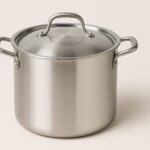
Equipment images are illustrative. Exact products may vary.
Instructions
 

  1. Set an oven rack in the lower third and heat to 300°F. Season brisket with garlic powder, pepper and salt. Whisk chopped garlic, apple cider, oyster sauce, soy sauce and Worcestershire in a bowl.
  2. Heat oil in a heavy ovenproof pot over medium-high heat. Brown brisket for 3–4 minutes on each broad side and 1–2 minutes on the edges. Transfer to a plate.
  3. Add red wine to the pot and scrape up the browned bits. Simmer until reduced by half. Add the cider mixture and return the brisket. Pour in enough measured water to bring the liquid about halfway up the meat.
  4. Cover tightly and braise in the oven for 2 hours. Add carrots, pearl onions and dates, cover again and cook for about 1 hour more, until the brisket is tender but still holds together.
  5. Transfer brisket to a board and rest for 20 minutes. Lift vegetables and dates into a serving dish. Strain the cooking liquid through a fine sieve.
  6. Slice brisket across the grain and serve with the vegetables, dates and strained juices. Finish with parsley.

Notes

The base batch serves about 4–6; the serving control starts at 4.
Apple cider is the fruit drink; do not substitute a cup of cider vinegar.

Tried this recipe?

Let us know how it was!

A couple of useful answers.

Which cider goes in the braise?

Use apple cider, not apple cider vinegar.

How can I tell the beef is ready?

A fork should enter easily, while the meat still holds its shape for slicing.

Keep the good food going

Similar Recipes

Find another recipe to bring to the table.

Furikake Ranch Crunchy Snack Mix

Snack

Furikake Ranch Crunchy Snack Mix

Cereal, crackers, pretzels and peanuts get a sweet-savory coating before a low oven dries the mix. Add the furikake in two rounds so it reaches more than just the top of the bowl.

Yield
16 cups
Cuisine
Japanese-Hawaiian-inspired

Bring it to the table

Stir as it bakes

Turn the mixture every 15–20 minutes and rotate the trays halfway through. The coating should feel dry before you take it out.

At the table

Cool completely, then put out in bowls for sharing.

Before you start

Gather your ingredients.

Full quantities and serving adjustments are in the recipe card below.

See the ingredient checklist
  • 1/2 cup butter
  • 1/3 cup light corn syrup
  • 1/4 cup sugar
  • 1/4 cup vegetable oil
  • 1 tbsp soy sauce
  • 1 oz ranch seasoning mix
  • 10 cups rice or corn cereal squares
  • 3 cups Bugles or oyster crackers
  • 2 cups mini windowpane pretzels
  • 2 cups cheddar fish crackers
  • 1 cup salted roasted peanuts
  • 1.7 oz nori komi furikake

A few useful notes.

Yield is approximately 16 cups, not 16 individual people.

Use utensils to toss the warm coating. Do not handle the hot syrup mixture with bare hands.

The cooking plan

How to make Furikake Ranch Crunchy Snack Mix.

  1. Set racks in the upper and lower thirds of the oven and heat to 250°F. Have two large rimmed baking sheets ready.

  2. Warm butter, corn syrup, sugar, oil, soy sauce and ranch seasoning in a saucepan, stirring until the sugar dissolves.

  3. Combine cereal, Bugles or oyster crackers, pretzels, cheese crackers and peanuts in a very large heatproof bowl. Pour over the warm coating and toss with sturdy utensils. Add half the furikake, toss, then add the rest and toss again.

  4. Divide between the baking sheets. Bake for about 1 hour, stirring every 15–20 minutes and switching and rotating the trays halfway through. If the coating is still tacky, continue baking for another 15–30 minutes as needed.

  5. Cool the mix completely on the trays before serving or packing into airtight containers.

Let’s cook

The full recipe.

Check off ingredients as you get them ready.

Changing servings? The ingredient list scales automatically. Adjust quantities named in the steps to match, and choose pans and cooking times for your batch.

Furikake Ranch Crunchy Snack Mix

No ratings yet
A baked cereal and cracker mix with ranch seasoning, soy-butter glaze and nori furikake.
Servings: 16 cups
Course: Snack
Cuisine: Japanese-Hawaiian-inspired

Some ingredient links are affiliate links. We may earn a commission at no extra cost to you. As an Amazon Associate I earn from qualifying purchases.

Ingredients
  

  • ½ cup butter
  •  
    ⅓ cup light corn syrup
  • ¼ cup sugar
  • ¼ cup vegetable oil
  • 1 tbsp soy sauce
  •  
    1 oz ranch seasoning mix
  •  
    10 cups rice or corn cereal squares
  •  
    3 cups Bugles or oyster crackers
  •  
    2 cups mini windowpane pretzels
  •  
    2 cups cheddar fish crackers
  •  
    1 cup salted roasted peanuts
  •  
    1.7 oz nori komi furikake

Equipment images are illustrative. Exact products may vary.

Instructions
 

  1. Set racks in the upper and lower thirds of the oven and heat to 250°F. Have two large rimmed baking sheets ready.
  2. Warm butter, corn syrup, sugar, oil, soy sauce and ranch seasoning in a saucepan, stirring until the sugar dissolves.
  3. Combine cereal, Bugles or oyster crackers, pretzels, cheese crackers and peanuts in a very large heatproof bowl. Pour over the warm coating and toss with sturdy utensils. Add half the furikake, toss, then add the rest and toss again.
  4. Divide between the baking sheets. Bake for about 1 hour, stirring every 15–20 minutes and switching and rotating the trays halfway through. If the coating is still tacky, continue baking for another 15–30 minutes as needed.
  5. Cool the mix completely on the trays before serving or packing into airtight containers.

Notes

Yield is approximately 16 cups, not 16 individual people.
Use utensils to toss the warm coating. Do not handle the hot syrup mixture with bare hands.

Tried this recipe?

Let us know how it was!

A couple of useful answers.

When should I stop baking?

The coating should be dry rather than sticky. Stir a sample and let it cool briefly to judge the texture.

Can I store it while warm?

Let it cool completely first so trapped steam does not soften the mix.

Keep the good food going

Similar Recipes

Find another recipe to bring to the table.

Shrimp Udon with Doenjang Butter

Dinner

Shrimp Udon with Doenjang Butter

Brown the shrimp briefly, then use the same pan for a scallion-garlic sauce. A splash of noodle water helps the butter and fermented soybean paste coat the udon.

Yield
4 servings
Cuisine
Korean-Italian-inspired

Bring it to the table

Save the noodle water

Reserve a cup before draining. Add it gradually as you toss, stopping when the noodles are glossy and the sauce clings.

At the table

Finish with lemon zest, scallion greens and lemon wedges.

Before you start

Gather your ingredients.

Full quantities and serving adjustments are in the recipe card below.

See the ingredient checklist
  • 1 lb shrimp — peeled and deveined
  • 1 tsp Diamond Crystal kosher salt — for shrimp; or half as much Morton
  • 1/2 tsp Diamond Crystal kosher salt — for sauce; or half as much Morton
  • black pepper — to taste
  • 6 scallions — use up to 8 for the base batch; whites and greens separated and sliced
  • 2 tbsp olive oil
  • 4 tbsp butter — divided
  • 8 cloves garlic — thinly sliced
  • 1/4 tsp red pepper flakes
  • 1/4 cup dry white wine
  • 2 tbsp soy sauce
  • 1 tbsp doenjang — or use twice this amount of light miso
  • 2 blocks frozen Sanuki udon — 8–9 oz each
  • 1 lemon — zest for finishing; fruit cut into wedges

A few useful notes.

The light-miso substitution is 2 tablespoons in place of 1 tablespoon doenjang for the base batch.

Frozen Sanuki udon cooks quickly; follow your package rather than applying the same timing to dried noodles.

The cooking plan

How to make Shrimp Udon with Doenjang Butter.

  1. Season shrimp with their measured salt and pepper. Heat olive oil in a wide skillet over medium-high heat. Sear shrimp for 1–2 minutes on the first side and about 30 seconds on the second, then transfer to a plate to finish later.

  2. Lower the heat to medium. Melt half the butter in the same skillet. Add scallion whites, garlic, pepper flakes and sauce salt; cook about 3 minutes. Add wine and let it mostly evaporate. Stir in soy sauce and doenjang until dissolved, then take the pan off the heat.

  3. Cook the frozen udon in boiling water according to the package, gently separating the strands as they loosen. Reserve 1 cup cooking water for the base batch, then drain.

  4. If desired, cut half the shrimp into thirds. Return the skillet to medium-low heat. Add half the reserved water and the remaining butter, stirring until combined.

  5. Add udon, shrimp and their juices. Toss until glossy, adding more reserved water a little at a time as needed. Cook until shrimp reach 145°F. Finish with lemon zest and scallion greens; serve with lemon wedges.

Let’s cook

The full recipe.

Check off ingredients as you get them ready.

Changing servings? The ingredient list scales automatically. Adjust quantities named in the steps to match, and choose pans and cooking times for your batch.

Shrimp Udon with Doenjang Butter

No ratings yet
Chewy udon tossed with shrimp, scallions and a glossy doenjang, soy and butter sauce.
Servings: 4 servings
Course: Dinner
Cuisine: Korean-Italian-inspired

Some ingredient links are affiliate links. We may earn a commission at no extra cost to you. As an Amazon Associate I earn from qualifying purchases.

Ingredients
  

  • 1 lb shrimp peeled and deveined
  • Light irregular kosher salt flakes in a small white bowl1 tsp Diamond Crystal kosher salt for shrimp; or half as much Morton
  • Light irregular kosher salt flakes in a small white bowl½ tsp Diamond Crystal kosher salt for sauce; or half as much Morton
  • black pepper to taste
  • 6 scallions use up to 8 for the base batch; whites and greens separated and sliced
  • 2 tbsp olive oil
  • 4 tbsp butter divided
  • 8 cloves garlic thinly sliced
  • ¼ tsp red pepper flakes
  • ¼ cup dry white wine
  • 2 tbsp soy sauce
  •  
    1 tbsp doenjang or use twice this amount of light miso
  •  
    2 blocks frozen Sanuki udon 8–9 oz each
  • 1 lemon zest for finishing; fruit cut into wedges

Equipment images are illustrative. Exact products may vary.

Instructions
 

  1. Season shrimp with their measured salt and pepper. Heat olive oil in a wide skillet over medium-high heat. Sear shrimp for 1–2 minutes on the first side and about 30 seconds on the second, then transfer to a plate to finish later.
  2. Lower the heat to medium. Melt half the butter in the same skillet. Add scallion whites, garlic, pepper flakes and sauce salt; cook about 3 minutes. Add wine and let it mostly evaporate. Stir in soy sauce and doenjang until dissolved, then take the pan off the heat.
  3. Cook the frozen udon in boiling water according to the package, gently separating the strands as they loosen. Reserve 1 cup cooking water for the base batch, then drain.
  4. If desired, cut half the shrimp into thirds. Return the skillet to medium-low heat. Add half the reserved water and the remaining butter, stirring until combined.
  5. Add udon, shrimp and their juices. Toss until glossy, adding more reserved water a little at a time as needed. Cook until shrimp reach 145°F. Finish with lemon zest and scallion greens; serve with lemon wedges.

Notes

The light-miso substitution is 2 tablespoons in place of 1 tablespoon doenjang for the base batch.
Frozen Sanuki udon cooks quickly; follow your package rather than applying the same timing to dried noodles.

Tried this recipe?

Let us know how it was!

A couple of useful answers.

What can replace doenjang?

Use twice the measured amount of light miso. Taste before adding any extra salt.

Why keep the noodle water?

It loosens the sauce and helps it coat the udon as you toss.

Keep the good food going

Similar Recipes

Find another recipe to bring to the table.

Piri-Piri Chicken, Kale and Coconut Stew

Dinner

Piri-Piri Chicken, Kale and Coconut Stew

Broiled peppers, chiles and garlic make the piri-piri-style sauce for this coconut chicken stew. Brown the thighs first, then return them to the pot to finish gently with chopped kale.

Yield
4 servings
Cuisine
Southern African-inspired

Bring it to the table

Build the sauce with charred vegetables

Let the pepper skins pick up dark spots under the broiler. Blend the softened vegetables with lemon, vinegar and spices before adding them to the pot.

At the table

Serve with toast, lemon wedges and extra sliced chile if you like.

Before you start

Gather your ingredients.

Full quantities and serving adjustments are in the recipe card below.

See the ingredient checklist
  • 2 large red bell peppers — cut into 3-inch pieces
  • 1 medium onion — thinly sliced
  • 2 Fresno chiles — halved
  • 3 red Thai chiles — halved
  • 5 cloves garlic
  • 3 tbsp vegetable oil — for browning chicken, plus extra to drizzle on vegetables
  • 1 tbsp Diamond Crystal kosher salt — divided; or use 1 3/4 tsp Morton for the base batch
  • 1 lemon — zest and juice
  • 2 tbsp apple cider vinegar
  • 1 tbsp paprika
  • 1 tsp dried thyme
  • 1/2 tsp dried oregano
  • 1 tsp black pepper — divided
  • 3 lb boneless skinless chicken thighs — cut into 3-inch pieces
  • 1 bunch Tuscan kale — stems finely chopped; leaves coarsely chopped
  • 1 can unsweetened coconut milk — 13.5 oz
  • 2 tsp honey
  • 1/2 cup water — plus up to 1/2 cup more if needed for the base batch
  • toast, lemon wedges and sliced chiles — to serve

A few useful notes.

This is a Southern African-inspired adaptation rather than a claim of a traditional regional formula.

The sauce includes several chiles; remove seeds before broiling if you prefer a milder result.

The cooking plan

How to make Piri-Piri Chicken, Kale and Coconut Stew.

  1. Heat the broiler. Spread bell peppers, onion, both kinds of chiles and garlic on a rimmed tray. Drizzle with oil and season with a little of the measured salt. Broil for 10–13 minutes, until softened with charred spots.

  2. Blend the roasted vegetables with lemon zest and juice, vinegar, paprika, thyme, oregano and half the pepper until smooth.

  3. Season the chicken with the remaining measured salt and pepper. Heat the 3 tablespoons oil in a heavy pot over medium-high heat. Brown the chicken in batches, about 5 minutes per side, and transfer to a plate; it will finish cooking in the stew.

  4. Add the blended sauce to the pot and cook for about 5 minutes, stirring, until it darkens slightly. Add chopped kale stems and leaves, chicken and its juices, coconut milk, honey and measured water.

  5. Simmer gently for 20–25 minutes, until the kale is tender and the chicken reaches 165°F. Add a little water if needed to loosen the sauce. Serve with toast and lemon, adding sliced chile to taste.

Let’s cook

The full recipe.

Check off ingredients as you get them ready.

Changing servings? The ingredient list scales automatically. Adjust quantities named in the steps to match, and choose pans and cooking times for your batch.

Piri-Piri Chicken, Kale and Coconut Stew

No ratings yet
Chicken thighs simmered with kale and coconut milk in a roasted pepper and chile sauce.
Servings: 4 servings
Course: Dinner
Cuisine: Southern African-inspired

Some ingredient links are affiliate links. We may earn a commission at no extra cost to you. As an Amazon Associate I earn from qualifying purchases.

Ingredients
  

  • 2 large Red Bell Pepper cut into 3-inch pieces
  • 1 medium Onions thinly sliced
  •  
    2 Fresno chiles halved
  •  
    3 red Thai chiles halved
  • 5 cloves garlic
  • 3 tbsp vegetable oil for browning chicken, plus extra to drizzle on vegetables
  • Light irregular kosher salt flakes in a small white bowl1 tbsp Diamond Crystal kosher salt divided; or use 1 3/4 tsp Morton for the base batch
  • 1 lemon zest and juice
  • Cloudy golden apple cider vinegar in a glass bottle and prep bowl2 tbsp apple cider vinegar
  • 1 tbsp paprika
  •  
    1 tsp dried thyme
  • ½ tsp dried oregano
  • 1 tsp black pepper divided
  •  
    3 lb boneless skinless chicken thighs cut into 3-inch pieces
  •  
    1 bunch Tuscan kale stems finely chopped; leaves coarsely chopped
  •  
    1 can unsweetened coconut milk 13.5 oz
  • Golden honey in a glass bowl with a wooden honey dipper2 tsp honey
  • ½ cup water plus up to 1/2 cup more if needed for the base batch
  •  
    toast, lemon wedges and sliced chiles to serve

Equipment images are illustrative. Exact products may vary.

Instructions
 

  1. Heat the broiler. Spread bell peppers, onion, both kinds of chiles and garlic on a rimmed tray. Drizzle with oil and season with a little of the measured salt. Broil for 10–13 minutes, until softened with charred spots.
  2. Blend the roasted vegetables with lemon zest and juice, vinegar, paprika, thyme, oregano and half the pepper until smooth.
  3. Season the chicken with the remaining measured salt and pepper. Heat the 3 tablespoons oil in a heavy pot over medium-high heat. Brown the chicken in batches, about 5 minutes per side, and transfer to a plate; it will finish cooking in the stew.
  4. Add the blended sauce to the pot and cook for about 5 minutes, stirring, until it darkens slightly. Add chopped kale stems and leaves, chicken and its juices, coconut milk, honey and measured water.
  5. Simmer gently for 20–25 minutes, until the kale is tender and the chicken reaches 165°F. Add a little water if needed to loosen the sauce. Serve with toast and lemon, adding sliced chile to taste.

Notes

This is a Southern African-inspired adaptation rather than a claim of a traditional regional formula.
The sauce includes several chiles; remove seeds before broiling if you prefer a milder result.

Tried this recipe?

Let us know how it was!

A couple of useful answers.

Does the chicken finish during browning?

No. Return it to the stew and check that it reaches 165°F before serving.

Can I loosen the sauce?

Add small splashes of water during simmering if the sauce becomes too thick.

Keep the good food going

Similar Recipes

Find another recipe to bring to the table.

Miso Eggplant and Potato Stew

Dinner

Miso Eggplant and Potato Stew

Miso, soy and ginger turn a short ingredient list into a savory vegetable supper. Give the potatoes a head start, then add the eggplant to soften in the same broth.

Yield
4 servings
Cuisine
Japanese-inspired

Bring it to the table

Stir the miso until smooth

Break up any lumps when the water goes in so the seasoning is evenly mixed before the vegetables simmer.

At the table

Finish each bowl with scallion greens and crushed roasted peanuts.

Before you start

Gather your ingredients.

Full quantities and serving adjustments are in the recipe card below.

See the ingredient checklist
  • 3 tbsp vegetable oil
  • 4 scallions — white and dark green parts separated and sliced
  • 6 cloves garlic — finely chopped
  • 1 piece fresh ginger — 1 inch long; finely chopped
  • 1/3 cup white miso
  • 1 tbsp soy sauce
  • 1 tbsp unseasoned rice vinegar
  • 1 tsp honey
  • 1 lb Yukon Gold potatoes — about 2 large; peeled, halved lengthwise and sliced 1/4 inch thick
  • 1 lb Japanese or Chinese eggplant — about 3 medium; quartered lengthwise and cut into 3-inch lengths
  • 1 1/2 cups water — plus up to 1/4 cup more if needed for the base batch
  • salt — to taste
  • unsalted roasted peanuts — crushed, to finish

A few useful notes.

The base batch makes 2 generous main-dish portions or 4 smaller portions; the serving control starts at 4.

Miso and soy sauce are salty, so taste the finished broth before adding salt.

The cooking plan

How to make Miso Eggplant and Potato Stew.

  1. Heat the oil in a wide pot over medium heat. Cook the scallion whites, garlic and ginger for about 3 minutes, stirring.

  2. Add miso, soy sauce and measured water. Stir until the miso is smooth, then add vinegar and honey.

  3. Add the potatoes and bring to a boil. Stir in the eggplant, reduce to a simmer and cook for 12–15 minutes, until both vegetables are tender. Add a little more water if necessary.

  4. Stir in most of the scallion greens, reserving about 1 tablespoon for the base batch. Taste before adding salt. Serve topped with peanuts and the reserved greens.

Let’s cook

The full recipe.

Check off ingredients as you get them ready.

Changing servings? The ingredient list scales automatically. Adjust quantities named in the steps to match, and choose pans and cooking times for your batch.

Miso Eggplant and Potato Stew

No ratings yet
Tender potatoes and eggplant in a miso-ginger broth, finished with scallions and peanuts.
Servings: 4 servings
Course: Dinner
Cuisine: Japanese-inspired

Some ingredient links are affiliate links. We may earn a commission at no extra cost to you. As an Amazon Associate I earn from qualifying purchases.

Ingredients
  

  • 3 tbsp vegetable oil
  • 4 scallions white and dark green parts separated and sliced
  • 6 cloves garlic finely chopped
  • Fresh ginger roots with a cut piece showing the yellow interior1 piece fresh ginger 1 inch long; finely chopped
  •  
    ⅓ cup white miso
  • 1 tbsp soy sauce
  •  
    1 tbsp unseasoned rice vinegar
  • Golden honey in a glass bowl with a wooden honey dipper1 tsp honey
  •  
    1 lb Yukon Gold potatoes about 2 large; peeled, halved lengthwise and sliced 1/4 inch thick
  •  
    1 lb Japanese or Chinese eggplant about 3 medium; quartered lengthwise and cut into 3-inch lengths
  • 1 ½ cups water plus up to 1/4 cup more if needed for the base batch
  • salt to taste
  •  
    unsalted roasted peanuts crushed, to finish

Equipment images are illustrative. Exact products may vary.

Instructions
 

  1. Heat the oil in a wide pot over medium heat. Cook the scallion whites, garlic and ginger for about 3 minutes, stirring.
  2. Add miso, soy sauce and measured water. Stir until the miso is smooth, then add vinegar and honey.
  3. Add the potatoes and bring to a boil. Stir in the eggplant, reduce to a simmer and cook for 12–15 minutes, until both vegetables are tender. Add a little more water if necessary.
  4. Stir in most of the scallion greens, reserving about 1 tablespoon for the base batch. Taste before adding salt. Serve topped with peanuts and the reserved greens.

Notes

The base batch makes 2 generous main-dish portions or 4 smaller portions; the serving control starts at 4.
Miso and soy sauce are salty, so taste the finished broth before adding salt.

Tried this recipe?

Let us know how it was!

A couple of useful answers.

When is the stew ready?

Both potato slices and eggplant should be tender enough to cut easily with a spoon.

Should I salt the broth at the start?

Wait until the end; the miso and soy sauce may provide enough salt.

Keep the good food going

Similar Recipes

Find another recipe to bring to the table.

Pork Vindaloo with Tamarind and Chiles

Dinner

Pork Vindaloo with Tamarind and Chiles

A blended paste coats the pork before it goes into the pot. Vinegar brings the sharp edge, while shoulder and belly soften together during a slow covered simmer.

Yield
4 servings
Cuisine
Goan-inspired

Bring it to the table

Blend a fine paste

Break the cinnamon into small pieces before blending. A smooth paste distributes the spices throughout the sauce.

At the table

Serve with rice to catch the chile-vinegar sauce.

Before you start

Gather your ingredients.

Full quantities and serving adjustments are in the recipe card below.

See the ingredient checklist
  • 15 dried Kashmiri chiles — or use 12 dried guajillo chiles for the base batch; stems removed
  • 8 cloves garlic
  • 1 piece fresh ginger — 1 inch long; peeled
  • 1 piece cinnamon stick — 3 inches long; broken into small pieces
  • 1/2 cup distilled white vinegar
  • 1 tbsp sugar
  • 1 tbsp tamarind paste — optional
  • 1 tsp black peppercorns
  • 1 tsp cumin seeds
  • 1/2 tsp ground turmeric
  • 1/2 tsp whole cloves
  • 1 tbsp Diamond Crystal kosher salt — or use 1 3/4 tsp Morton for the base batch
  • 1 1/2 lb pork shoulder — 1-inch cubes
  • 8 oz skin-on pork belly — 1-inch cubes
  • 2 tbsp vegetable oil
  • 1 medium onion — quartered and thinly sliced
  • 2 1/2 cups water — plus up to 1/2 cup more if needed for the base batch
  • cooked rice — to serve

A few useful notes.

The base batch serves about 4–6; the serving control starts at 4.

The guajillo alternative uses 12 chiles in place of 15 Kashmiri chiles for the base batch.

The cooking plan

How to make Pork Vindaloo with Tamarind and Chiles.

  1. Blend the chiles, garlic, ginger, cinnamon, vinegar, sugar, optional tamarind, peppercorns, cumin, turmeric, cloves and salt into a fine paste.

  2. Coat both cuts of pork with the paste. Cover and refrigerate for 30 minutes.

  3. Warm the oil in a heavy pot over medium heat. Cook the onion for about 5 minutes, stirring, until softened.

  4. Add the pork with all its marinade and the measured water. Bring to a boil, reduce to a gentle simmer and cover. Cook for 1 1/2–2 hours, stirring occasionally, until the meat is tender. Add a little water if the sauce becomes dry before the pork softens.

  5. Taste the sauce and serve the stew over rice.

Let’s cook

The full recipe.

Check off ingredients as you get them ready.

Changing servings? The ingredient list scales automatically. Adjust quantities named in the steps to match, and choose pans and cooking times for your batch.

Pork Vindaloo with Tamarind and Chiles

No ratings yet
Pork shoulder and belly simmered in a chile, vinegar and spice paste, with optional tamarind.
Servings: 4 servings
Course: Dinner
Cuisine: Goan-inspired

Some ingredient links are affiliate links. We may earn a commission at no extra cost to you. As an Amazon Associate I earn from qualifying purchases.

Ingredients
  

  •  
    15 dried Kashmiri chiles or use 12 dried guajillo chiles for the base batch; stems removed
  • 8 cloves garlic
  • Fresh ginger roots with a cut piece showing the yellow interior1 piece fresh ginger 1 inch long; peeled
  •  
    1 piece cinnamon stick 3 inches long; broken into small pieces
  •  
    ½ cup distilled white vinegar
  • 1 tbsp sugar
  •  
    1 tbsp tamarind paste optional
  •  
    1 tsp black peppercorns
  •  
    1 tsp cumin seeds
  • Golden yellow ground turmeric in a small white prep bowl½ tsp ground turmeric
  •  
    ½ tsp whole cloves
  • Light irregular kosher salt flakes in a small white bowl1 tbsp Diamond Crystal kosher salt or use 1 3/4 tsp Morton for the base batch
  •  
    1 ½ lb pork shoulder 1-inch cubes
  •  
    8 oz skin-on pork belly 1-inch cubes
  • 2 tbsp vegetable oil
  • 1 medium Onions quartered and thinly sliced
  • 2 ½ cups water plus up to 1/2 cup more if needed for the base batch
  •  
    cooked rice to serve

Equipment images are illustrative. Exact products may vary.

Instructions
 

  1. Blend the chiles, garlic, ginger, cinnamon, vinegar, sugar, optional tamarind, peppercorns, cumin, turmeric, cloves and salt into a fine paste.
  2. Coat both cuts of pork with the paste. Cover and refrigerate for 30 minutes.
  3. Warm the oil in a heavy pot over medium heat. Cook the onion for about 5 minutes, stirring, until softened.
  4. Add the pork with all its marinade and the measured water. Bring to a boil, reduce to a gentle simmer and cover. Cook for 1 1/2–2 hours, stirring occasionally, until the meat is tender. Add a little water if the sauce becomes dry before the pork softens.
  5. Taste the sauce and serve the stew over rice.

Notes

The base batch serves about 4–6; the serving control starts at 4.
The guajillo alternative uses 12 chiles in place of 15 Kashmiri chiles for the base batch.

Tried this recipe?

Let us know how it was!

A couple of useful answers.

Is the tamarind required?

No. The vinegar supplies acidity even when the optional tamarind is omitted.

Why use two pork cuts?

Shoulder provides the main pieces of meat, while belly adds richness during the long simmer.

Keep the good food going

Similar Recipes

Find another recipe to bring to the table.