Sea Scallop Recipes

Sea Scallop Recipes

[digr_post_grid posts_number=”24″ post_display=”by_category” include_categories=”1537″ show_pagination=”on” use_number_pagination=”on” use_post_excerpt=”on” excerpt_length=”60″ show_readmore=”on” show_date=”on” show_categories=”off” enable_divider=”on” grid_column=”4″ enable_grid_row=”on” grid_row=”2″ _builder_version=”4.27.4″ _module_preset=”default” global_colors_info=”{}”][/digr_post_grid]

About Sea Scallops

Sea scallops are prized for their sweet, delicate flavor and tender, almost buttery texture. These versatile shellfish can be cooked in countless ways—seared, grilled, broiled, or even enjoyed raw. They’re delicious in pasta dishes, risottos, and ceviches, adding a touch of elegance to any meal. Plus, they’re a healthy source of protein and omega-3 fatty acids.

Please follow and like us:
onpost_follow
fb-share-icon197
Tweet120
Pinterest20
Share 20
submit to reddit

Explore Our Most Popular Sections with These Quick Links

Holidays & Occasions

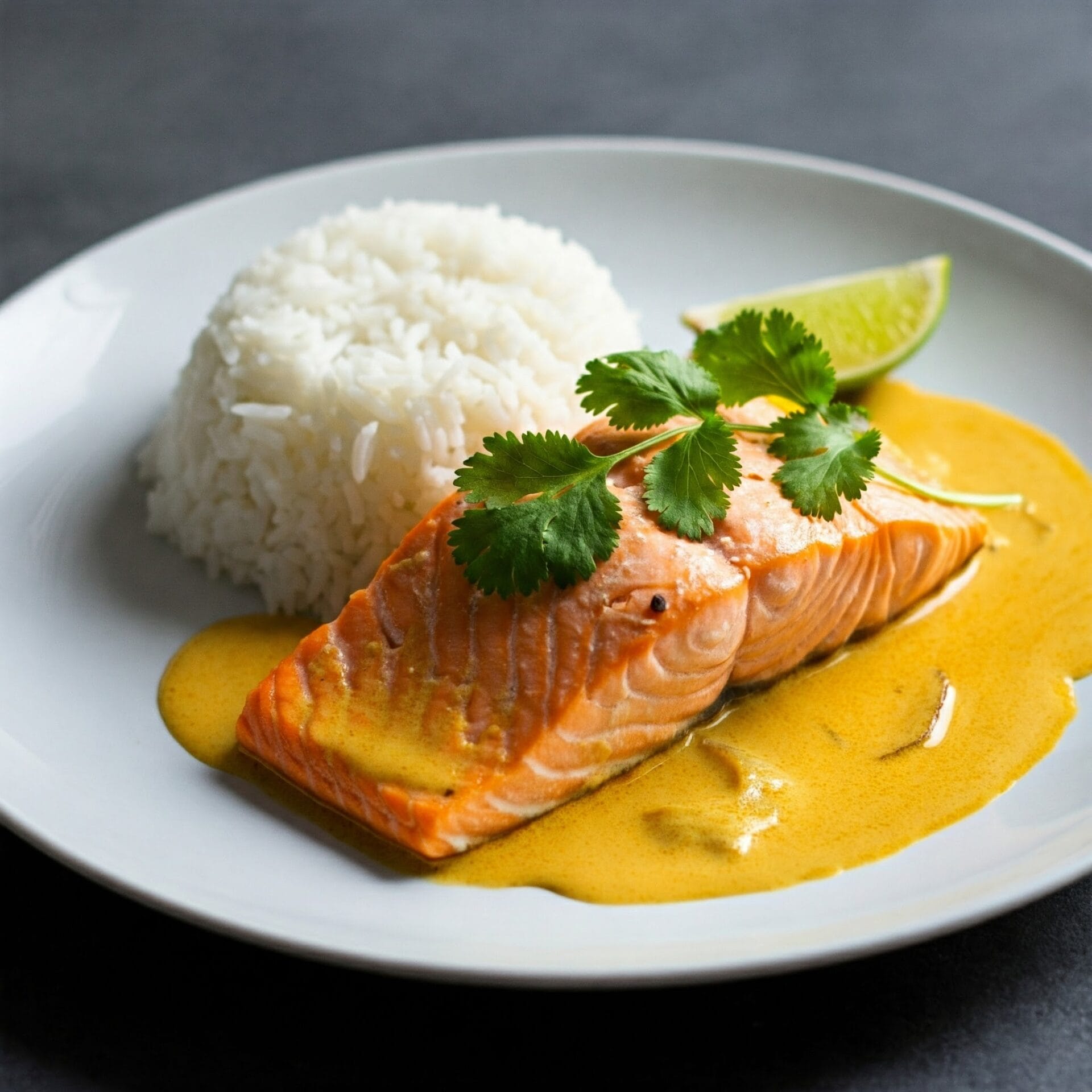
Coconut Curry Salmon

Coconut Curry Salmon

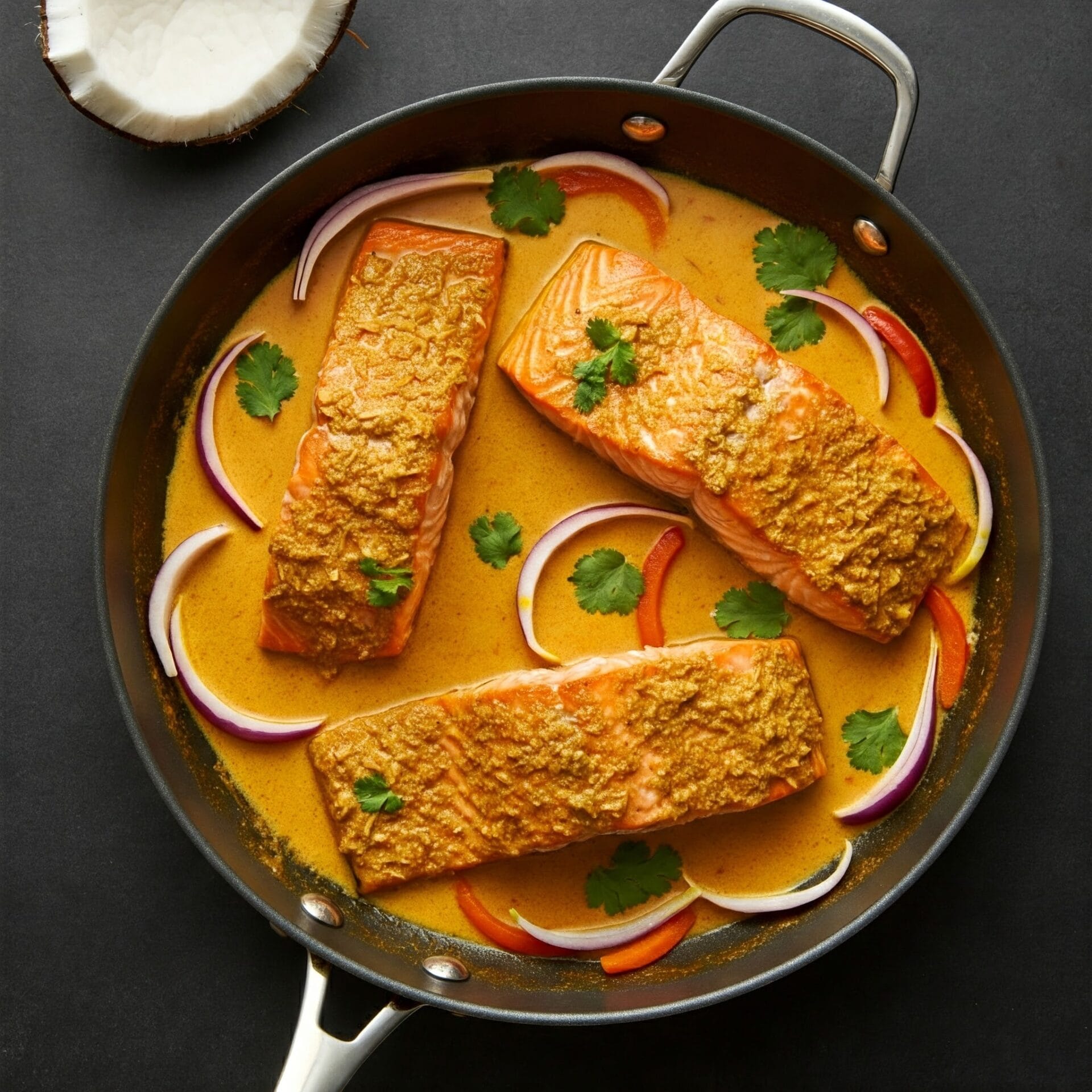
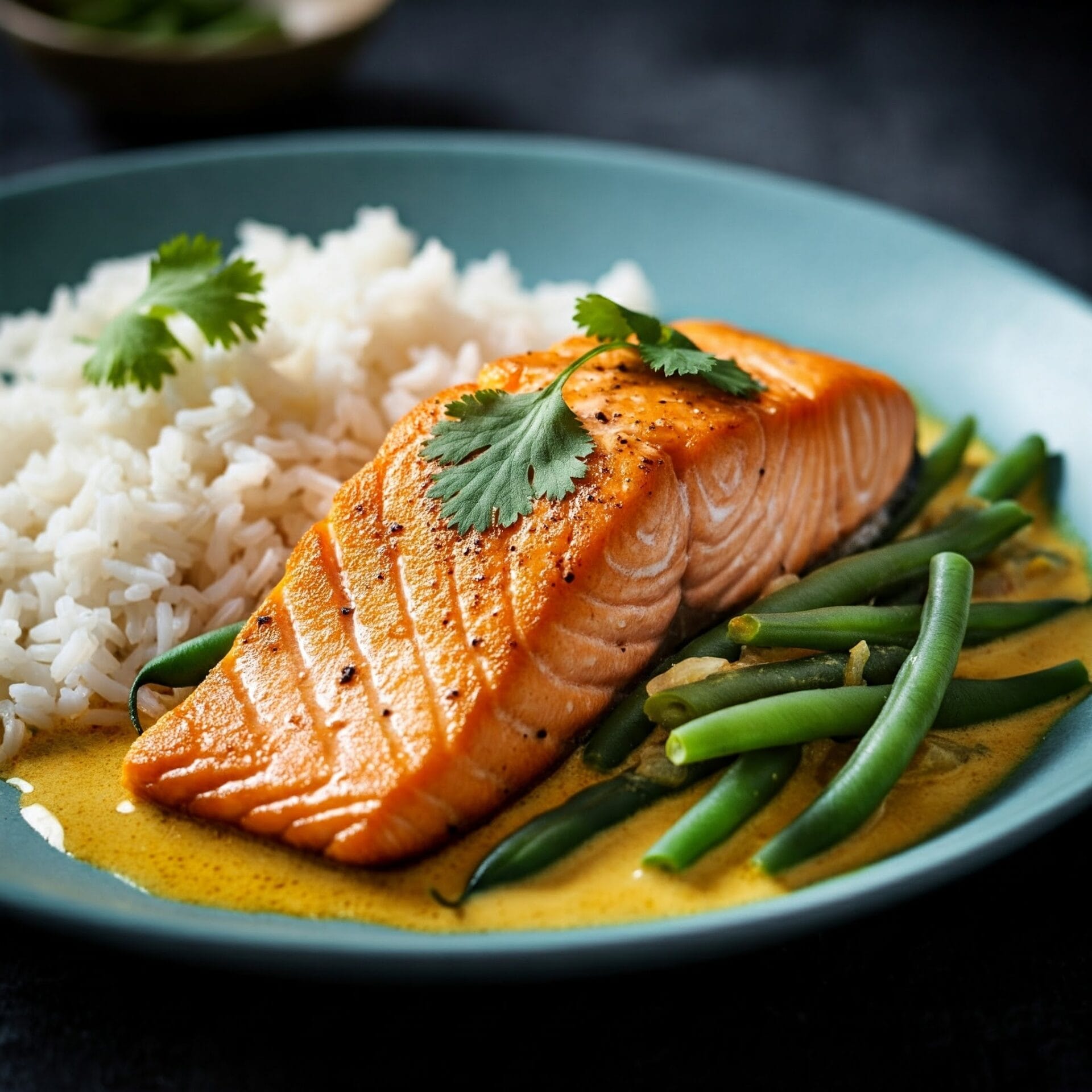
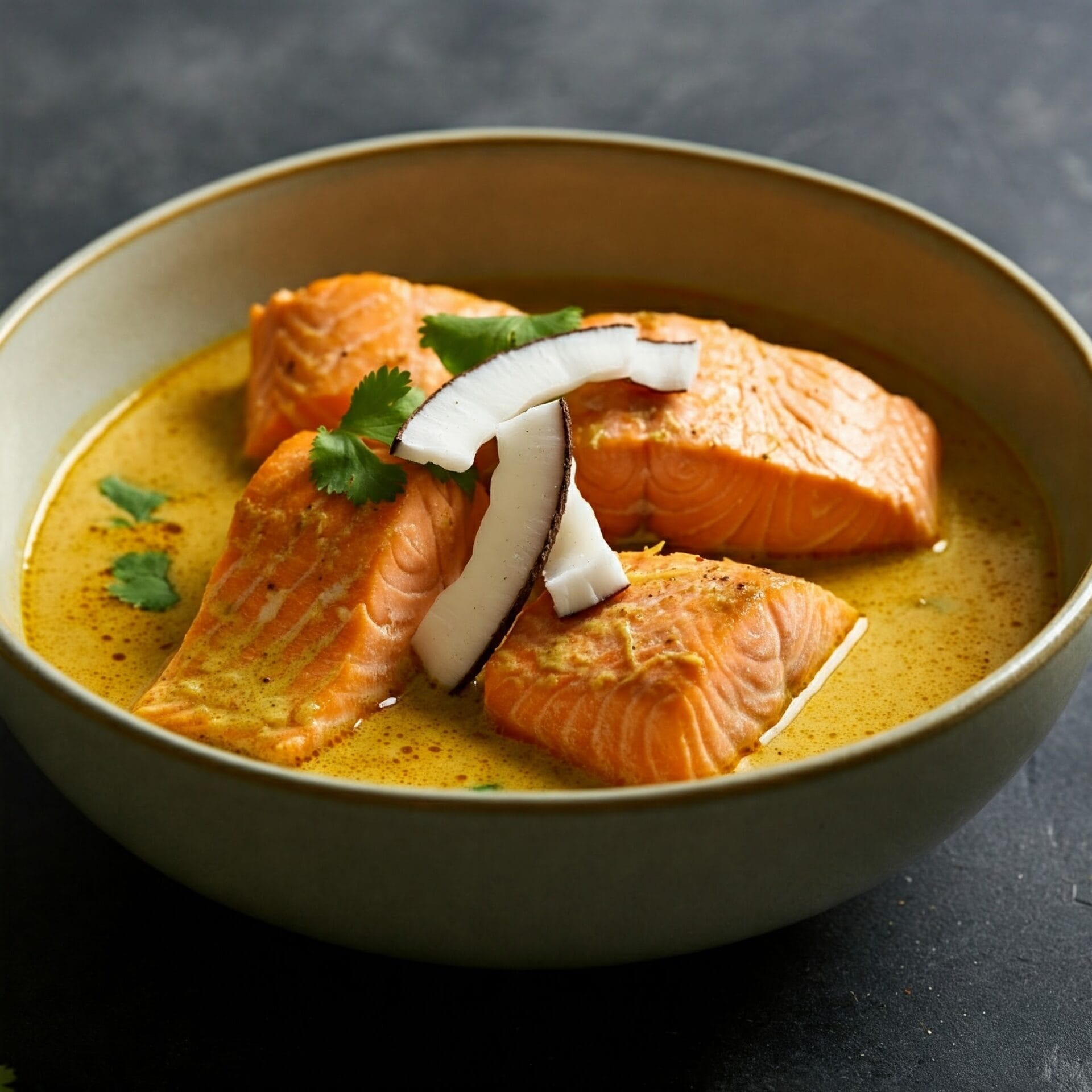
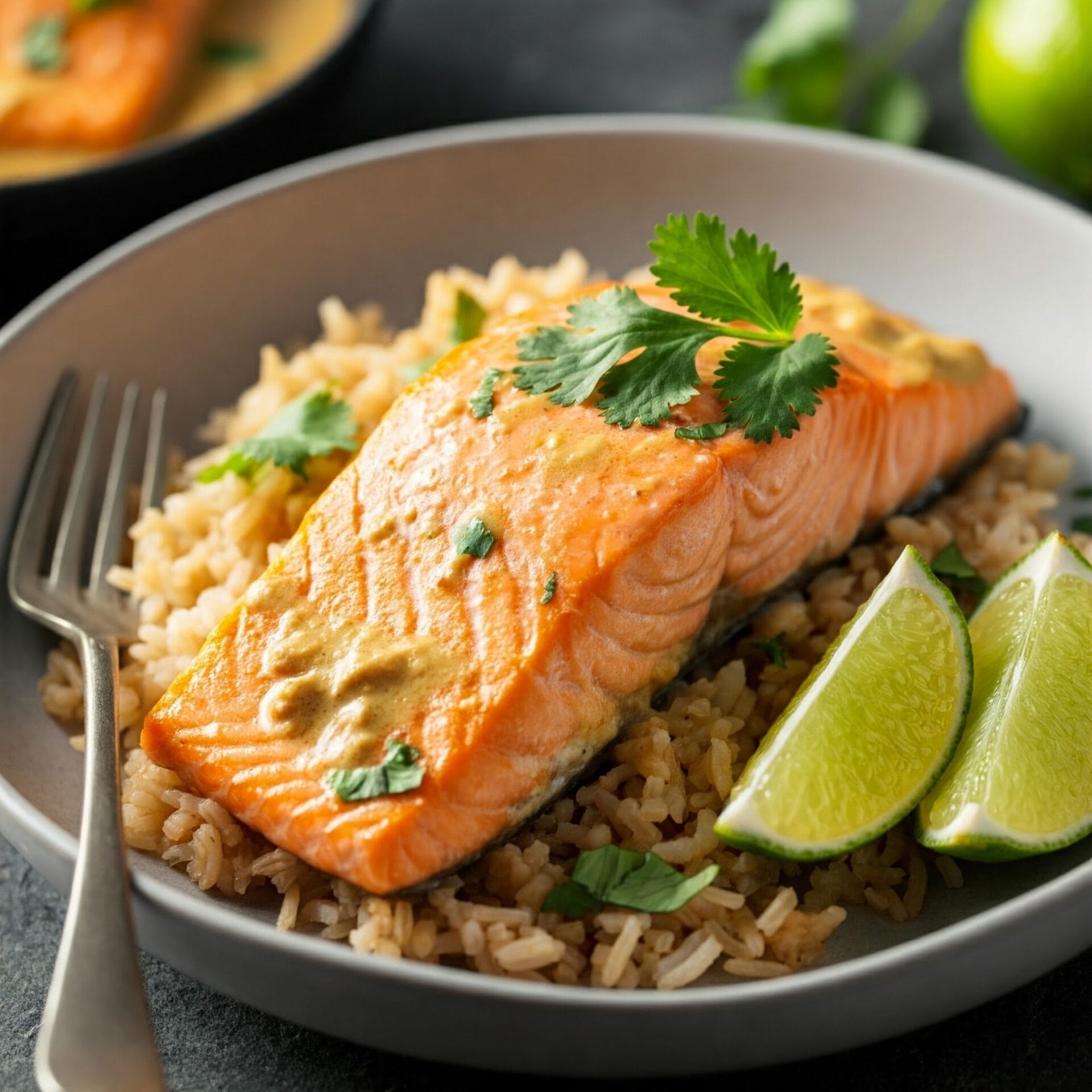
Dive into bold, vibrant flavor with this Coconut Curry Salmon—a dish that brings together tender, flaky salmon and a luxuriously creamy coconut curry sauce. Infused with warming spices, fresh ginger, garlic, and a touch of lime, each bite is layered with savory depth and gentle heat. The richness of the coconut milk balances perfectly with the natural richness of the salmon, creating a dish that’s both comforting and exotic. Served over rice or with warm naan, it’s a restaurant-worthy meal that comes together effortlessly in your own kitchen.

Coconut Curry Salmon

No ratings yet
Coconut curry salmon is a vibrant dish where tender salmon fillets are immersed in a rich and fragrant curry sauce. This sauce, typically made with creamy coconut milk, is infused with a medley of aromatic spices. Common additions include ginger, garlic, and chili, providing warmth and depth. The salmon is often pan-seared to achieve a slightly crispy exterior while maintaining a moist and flaky interior. It then simmers in the curry sauce, absorbing the complex flavors. This dish is typically served with fluffy rice, which acts as the perfect vehicle for soaking up the luscious sauce. Garnishes like fresh cilantro, lime wedges, and chopped peanuts add brightness and texture, completing this flavorful and satisfying meal.
Prep Time 10 minutes
Cook Time 30 minutes
Servings: 6 people
Course: Dinner, Lunch, Main Course
Cuisine: Southeast Asian, Thai
Calories: 267

Ingredients
  

  •  
    16 oz Salmon filets
  • 1 Kosher Salt
  • 1 Ground Black Pepper (freshly ground)
  • 1 Tbsp Vegetable oil
  • 1 Shallot thinly sliced
  •  
    1 Tbsp Red curry paste
  • 2 Cloves Garlic minced
  •  
    1 tsp Ginger, Fresh minced
  •  
    14 oz Coconut milk canned
  • 1 Tbsp Sriracha
  •  
    1 Tbsp Fish sauce
  •  
    1 Rice pre cooked
  • 1 Lime Cut into wedges
  • 1 Fresh Cilantro chopped

Method
 

  1. Grab your salmon fillets and season them generously with salt and pepper. Next, heat up your skillet over medium heat and add the oil. Once the oil is nice and hot, it's time for the salmon! Place the fillets in the skillet, skin-side down. Let them sizzle away for about 5 minutes, until that skin gets beautifully golden and crispy. Flip them over and cook for another 5 minutes, or until the salmon is cooked through. Transfer the salmon to a plate, and you're ready for the next step!
    16 oz Salmon filets, 1 Kosher Salt, 1 Ground Black Pepper, 1 Tbsp Vegetable oil
  2. Place the skillet back on the stovetop over medium heat. Add the shallots and cook, stirring occasionally, until they become soft and golden brown, about 3 minutes. Next, add the curry paste, minced garlic, and ginger to the skillet. Cook for another minute, stirring constantly, until the paste is fragrant and has deepened in color. Reduce the heat slightly and slowly whisk in the coconut milk, ensuring it is fully incorporated into the sauce. Then, add the sriracha and fish sauce. Bring the sauce to a gentle simmer. Carefully return the salmon fillets to the skillet, nestling them into the sauce. Allow the salmon to simmer until it flakes easily with a fork and reaches an internal temperature of 145°F. This should take about 15 minutes, depending on the thickness of the salmon. As the salmon simmers, spoon the sauce over the fillets occasionally to ensure they are well coated and infused with flavor. Taste the sauce and adjust the seasoning by adding more sriracha or fish sauce as needed.
    1 Shallot, 1 Tbsp Red curry paste, 2 Cloves Garlic, 1 tsp Ginger, Fresh, 14 oz Coconut milk, 1 Tbsp Sriracha, 1 Tbsp Fish sauce
  3. And there you have it! Spoon that amazing sauce over the salmon – don't be shy! Serve it up with a generous portion of fluffy rice. A squeeze of lime and a sprinkle of cilantro add the perfect finishing touch. Dig in and enjoy!
    1 Rice, 1 Lime, 1 Fresh Cilantro

Nutrition

Serving: 6ozCalories: 267kcalCarbohydrates: 3gProtein: 17gFat: 21gSaturated Fat: 14gPolyunsaturated Fat: 3gMonounsaturated Fat: 3gTrans Fat: 0.01gCholesterol: 42mgSodium: 335mgPotassium: 547mgFiber: 0.3gSugar: 1gVitamin A: 428IUVitamin C: 3mgCalcium: 29mgIron: 3mg

Notes

Choosing the Salmon:
  • Freshness: Look for salmon fillets that are firm, brightly colored, and have a fresh, mild scent. Avoid any with a strong fishy odor or discoloration.
  • Skin on or off: While skin-on fillets provide extra flavor and texture, skinless fillets work well too.
  • Sustainability: Consider purchasing sustainably sourced salmon to support responsible fishing practices.
Cooking the Salmon:
  • Don't overcrowd the pan: Give the fillets enough space in the skillet to ensure even cooking and browning.
  • Adjust cooking time: Cooking time will vary depending on the thickness of the fillets and your stovetop. Aim for an internal temperature of 145°F (63°C) for food safety.
  • Avoid overcooking: Overcooked salmon can become dry and tough. Aim for a moist and flaky texture.
Making the Curry Sauce:
  • Curry paste: Use your favorite red or yellow curry paste. Adjust the amount to your desired level of spiciness.
  • Aromatics: Fresh ginger and garlic are key to building flavor in the sauce.
  • Coconut milk: Use full-fat coconut milk for a rich and creamy sauce.
  • Balancing flavors: Taste the sauce and adjust the sriracha and fish sauce to achieve the desired balance of sweet, salty, spicy, and sour.
  • Simmering: Simmering the salmon in the sauce allows it to absorb the flavors fully.
Serving:
  • Rice: Serve with fluffy white or brown rice to soak up the delicious sauce.
  • Garnishes: Fresh cilantro, lime wedges, and chopped peanuts add brightness, acidity, and texture.
  • Sides: Consider serving with additional sides like steamed vegetables or a simple salad.
Other Tips:
  • Make it ahead: The curry sauce can be made ahead of time and reheated.
  • Storage: Leftovers can be stored in the refrigerator for up to 3 days.
  • Adapt to your taste: Feel free to adjust the ingredients and spices to your liking. You can add vegetables like bell peppers, onions, or spinach to the sauce.
By keeping these notes in mind, you'll be well on your way to preparing a flavorful and satisfying coconut curry salmon dish. Enjoy!

Tried this recipe?

Let us know how it was!

Related Recipes

Ingredients

  • 16 oz Salmon fillets
  • 1 tsp Kosher salt
  • 1 tsp Ground black pepper (freshly ground)
  • 1 Tbsp Vegetable oil
  • 1 Shallot, thinly sliced
  • 1 Tbsp Red curry paste
  • 2 Cloves Garlic, minced
  • 1 tsp Fresh ginger, minced
  • 14 oz Canned coconut milk
  • 1 Tbsp Sriracha
  • 1 Tbsp Fish sauce
  • Cooked rice (for serving)
  • 1 Lime, cut into wedges (for serving)
  • Chopped cilantro (for serving)

Image Gallery Coconut Curry Salmon

Storage & Leftovers

Storage:

  • Refrigerator: Store cooled leftovers in an airtight container in the fridge for up to 3 days. Keep the salmon and curry sauce together for maximum flavor, or separate them if you prefer to reheat individually.

  • Freezer: While the curry sauce freezes well, the texture of salmon can change slightly after freezing. If freezing, do so in portions and use within 1 month for best results.

Reheating:

  • Stovetop (Recommended): Reheat gently over medium-low heat in a skillet, adding a splash of water or coconut milk to loosen the sauce. Heat until warmed through, about 5–7 minutes.

  • Microwave: Place in a microwave-safe dish, cover loosely, and heat in 30-second intervals, stirring between rounds to avoid overcooking the fish.

Tips:

  • Avoid high heat to keep the salmon from drying out.

  • Leftovers are perfect for grain bowls, stuffed pitas, or as a topping for coconut rice.

  • For added freshness, squeeze a little lime juice or sprinkle chopped cilantro before serving again.

Please follow and like us:
onpost_follow
fb-share-icon197
Tweet120
Pinterest20
Share 20
submit to reddit

Subscribe for New Recipes

* indicates required

Intuit Mailchimp

Salmon Recipes

Salmon Recipes

[digr_post_grid posts_number=”24″ post_display=”by_category” include_categories=”1481″ show_pagination=”on” use_number_pagination=”on” use_post_excerpt=”on” excerpt_length=”60″ show_readmore=”on” show_date=”on” show_categories=”off” enable_divider=”on” grid_column=”4″ enable_grid_row=”on” grid_row=”2″ _builder_version=”4.27.4″ _module_preset=”default” hover_enabled=”0″ global_colors_info=”{}” theme_builder_area=”post_content” sticky_enabled=”0″][/digr_post_grid]
Please follow and like us:
onpost_follow
fb-share-icon197
Tweet120
Pinterest20
Share 20
submit to reddit

Explore Our Most Popular Sections with These Quick Links

Holidays & Occasions

Shrimp Recipes

Shrimp Recipes

[digr_post_grid posts_number=”24″ post_display=”by_category” include_categories=”1426″ show_pagination=”on” use_number_pagination=”on” use_post_excerpt=”on” excerpt_length=”60″ show_readmore=”on” show_date=”on” show_categories=”off” enable_divider=”on” grid_column=”4″ enable_grid_row=”on” grid_row=”2″ _builder_version=”4.27.4″ _module_preset=”default” global_colors_info=”{}”][/digr_post_grid]
Please follow and like us:
onpost_follow
fb-share-icon197
Tweet120
Pinterest20
Share 20
submit to reddit

Explore Our Most Popular Sections with These Quick Links

Holidays & Occasions

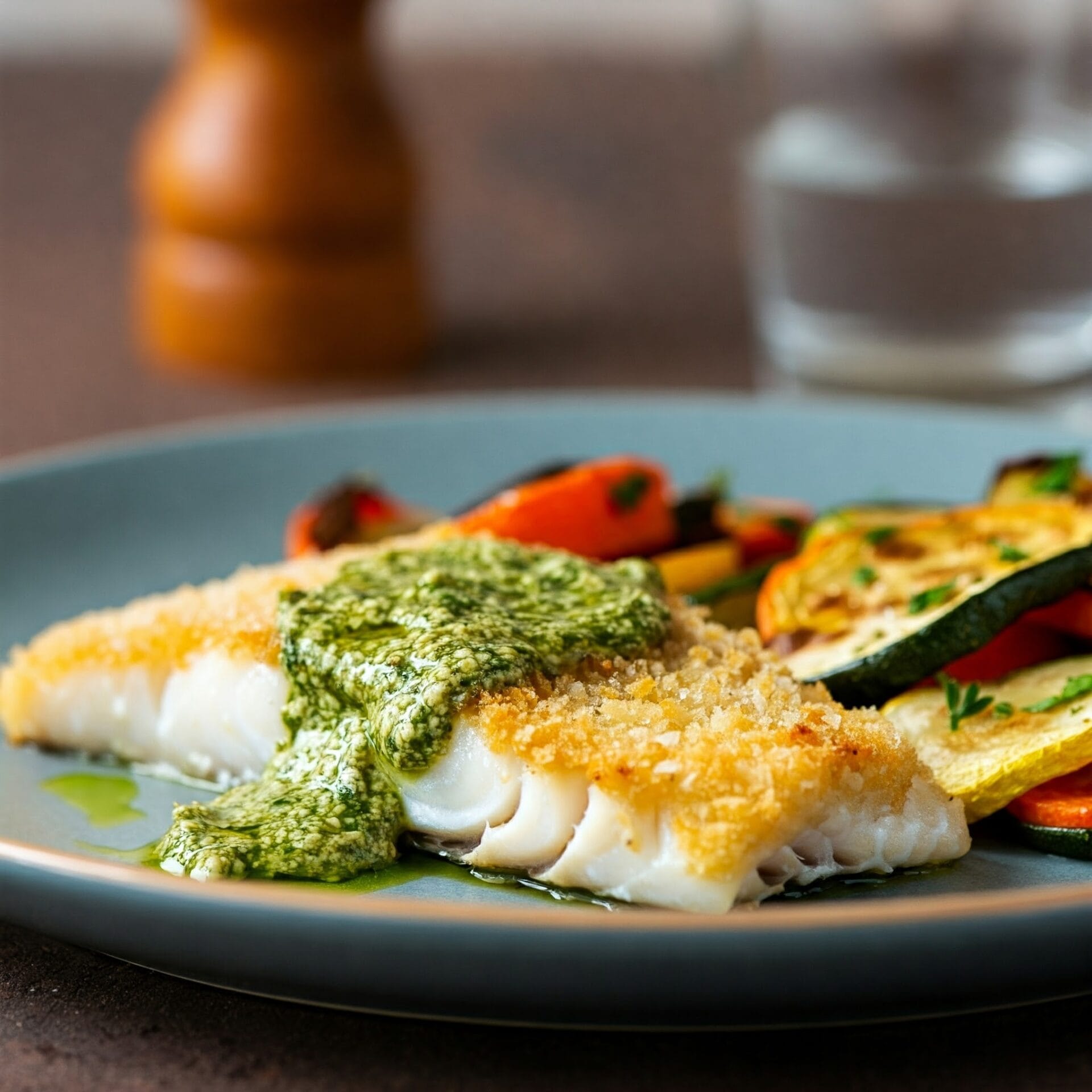
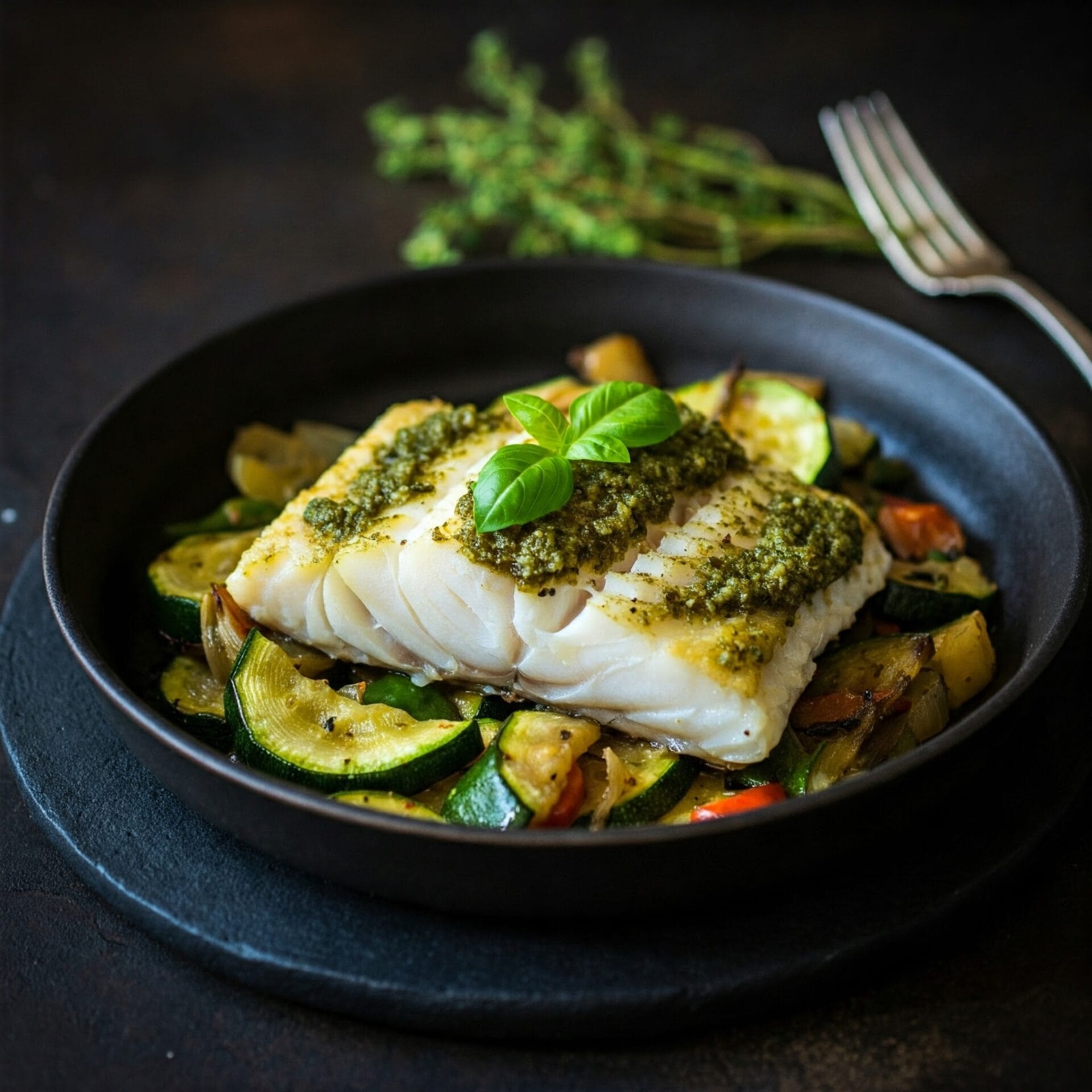
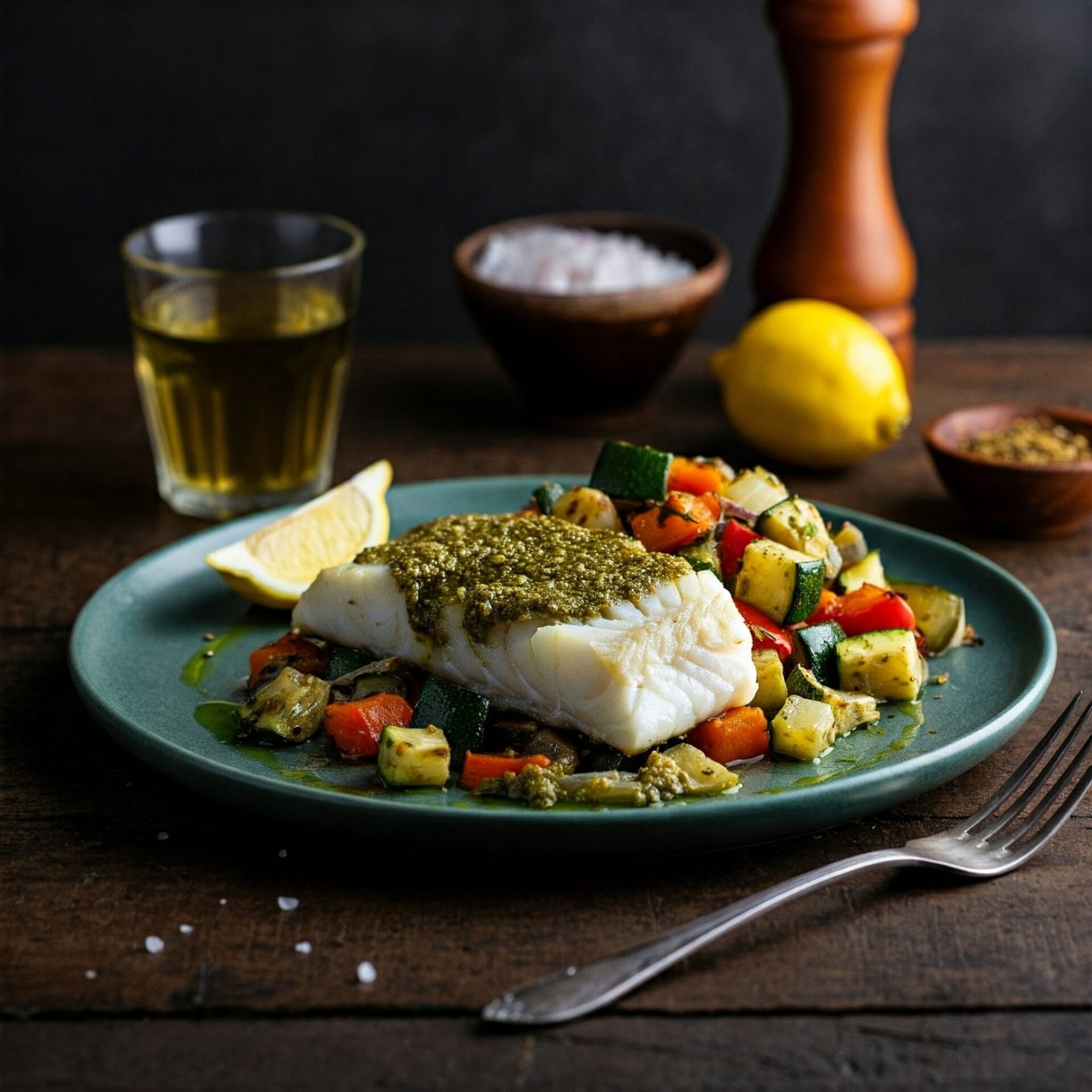
Pesto Cod With Sauteed Vegetables

Pesto Cod With Sauteed Vegetables

Light, fresh, and full of vibrant flavor—this Pesto Cod is the perfect balance of healthy and satisfying. Flaky, tender cod fillets are oven-baked or pan-seared and topped with a generous spoonful of bright, herbaceous pesto. Paired with a colorful medley of sautéed vegetables like zucchini, bell peppers, and cherry tomatoes, this dish delivers Mediterranean-inspired freshness in every bite. It’s a quick and nourishing meal you’ll come back to again and again—perfect for weeknights or elegant enough for guests.

Pesto Cod with Sauteed Veggies

No ratings yet
Pesto Cod with Sautéed Vegetables is a culinary delight that will transport your taste buds to the Mediterranean. Imagine flaky, tender cod enveloped in a vibrant pesto sauce, bursting with the flavors of fresh basil, garlic, and Parmesan cheese. This dish is a symphony of flavors and textures, combining the delicate taste of the cod with the boldness of the pesto and the sweetness of sautéed vegetables like bell peppers, zucchini, and cherry tomatoes. It's a testament to the beauty of simple ingredients and straightforward cooking techniques, resulting in a light and healthy meal that's packed with protein, vitamins, and flavor. Whether you're a seafood enthusiast or simply seeking a delicious and healthy meal, this Pesto Cod with Sautéed Vegetables is a must-try. It's a culinary adventure that will leave you feeling satisfied and refreshed.
Prep Time 10 minutes
Cook Time 24 minutes
Servings: 6 people
Course: Main Course
Cuisine: American
Calories: 765

Ingredients
  

  • 4 lbs Cod fillets
  •  
    1 Cup basil pesto jarred or homemade
  •  
    1 Cup Breadcrumbs Unseasoned
  • 1 Tbsp Olive Oil
  •  
    1 Med Zucchini trimmed & cut into half coins
  • 1 Med Yellow Squash trimmed & cut into half coins
  • 1 Med Red Bell Pepper diced
  • 1 Clove Garlic minced (fresh preferred)
  • 1 Pinch salt to taste
  • 1 Pinch Black Pepper to taste
Optional for Serving:
  • ¼ Cup Parmesan Cheese Freshly grated
  • 1 Lemon cut into wedges
  • 2 Cups White rice pasta or quinoa are also fine

Method
 

  1. Before you begin, preheat your oven to 450 degrees Fahrenheit. Line a baking sheet with parchment paper to prevent sticking.
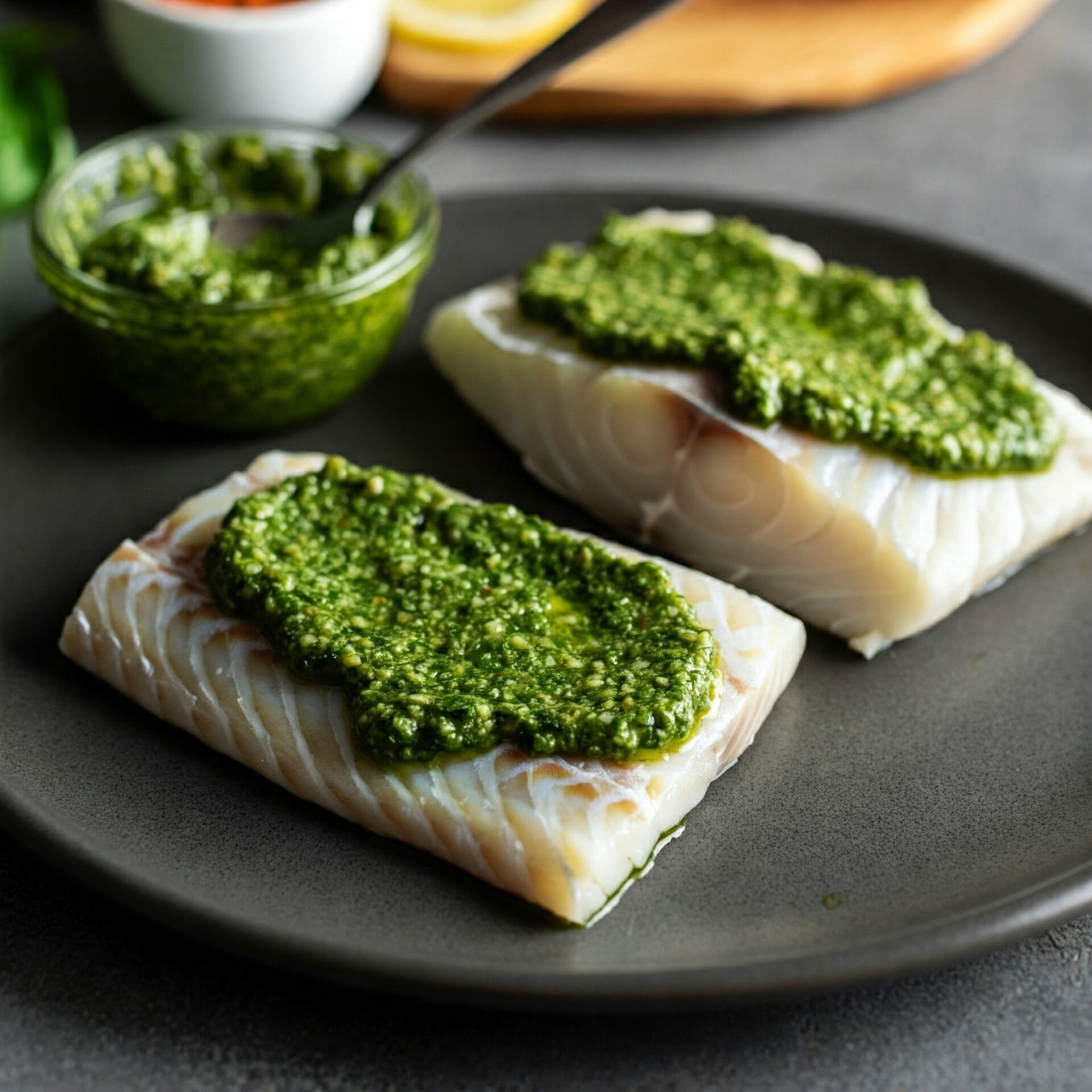
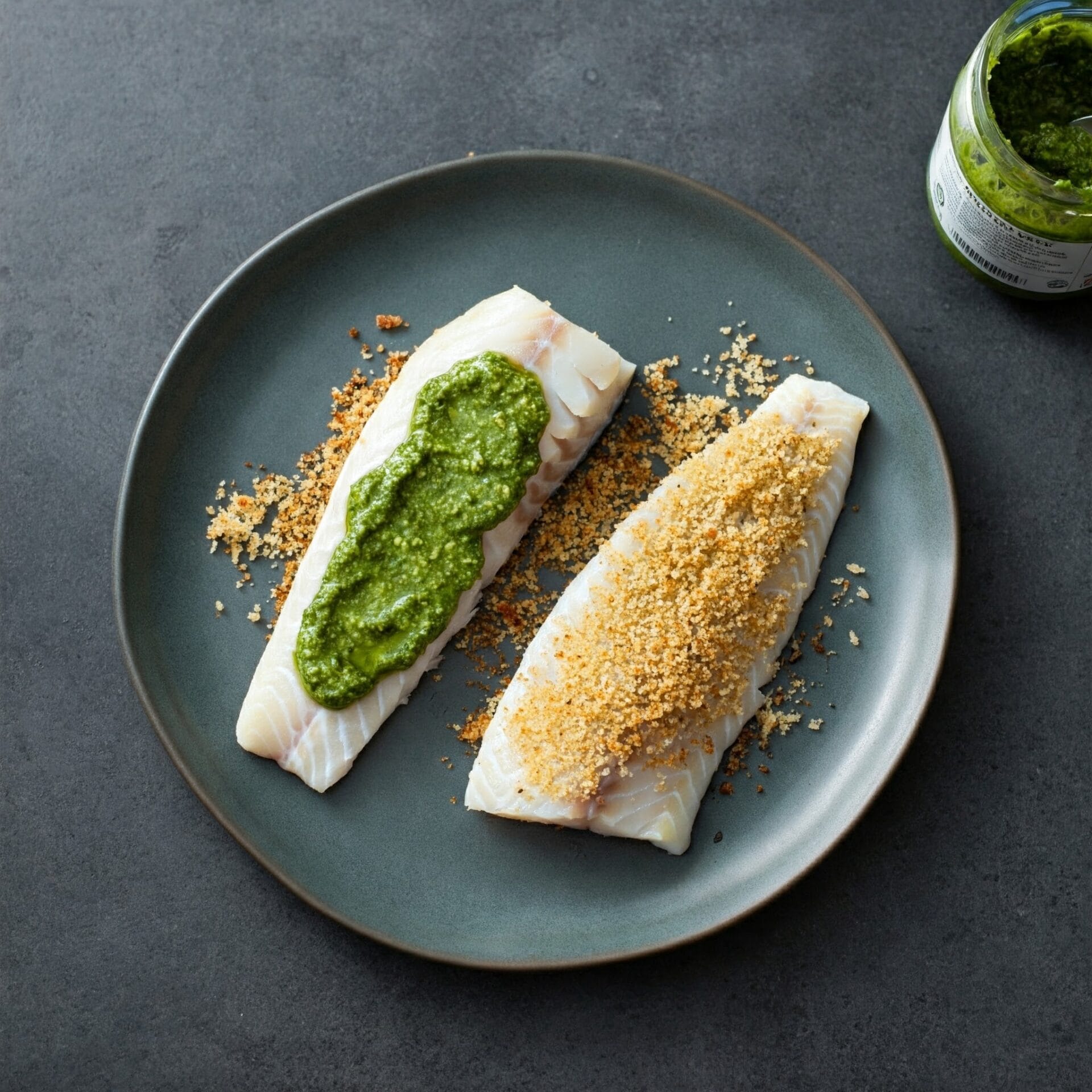
  2. Gently pat the cod fillets dry with paper towels. This will help the pesto adhere better. Place the fillets on a baking sheet lined with parchment paper. Spoon a generous amount of basil pesto onto the top of each piece of fish. Use your hands or the back of a spoon to spread the pesto evenly over one side of each fillet. If you are using a spoon, make sure to use a clean spoon for each fillet to avoid contaminating the jar of pesto with any bacteria from the raw fish.
    4 lbs Cod, 1 Cup basil pesto
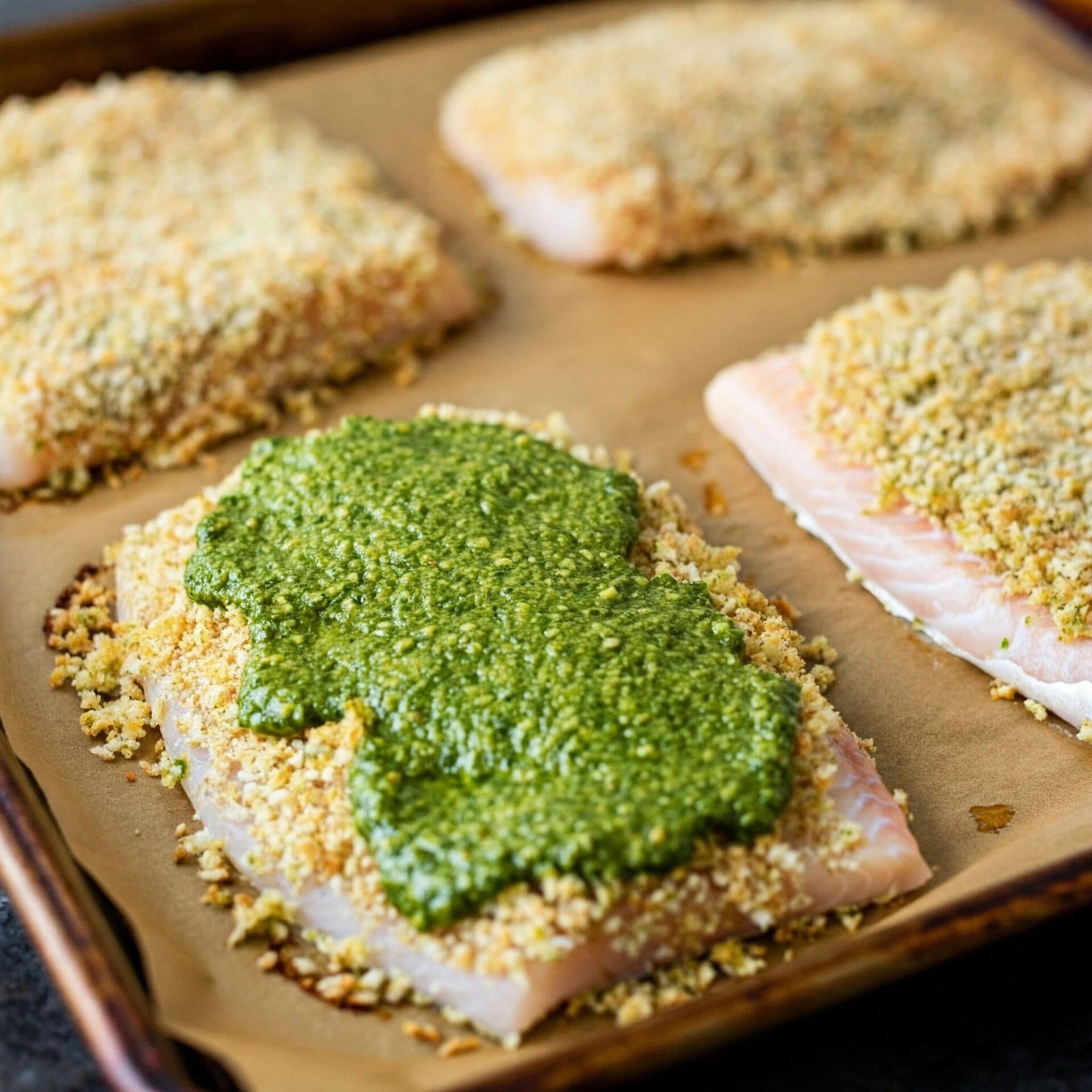
  3. Take a handful of breadcrumbs and sprinkle them evenly over the top of the pesto on each fillet. Use your hands to gently press the breadcrumbs into the pesto, making sure they adhere well to the fish. This will create a nice crust when baked.
    1 Cup Breadcrumbs
  4. Now that the first side of the fish is breaded, carefully place the fillets, breaded side down, onto the parchment-lined baking sheet. Make sure to leave at least an inch of space between each fillet to allow for even cooking and prevent them from sticking together. Repeat the breading process on the top side of each fillet: spoon on some pesto, spread it evenly, and then sprinkle with breadcrumbs, pressing gently to help them adhere. Bake in the preheated oven for approximately 10 minutes, give or take 2-3 minutes depending on thickness and size of the filets.
    1 Cup basil pesto, 1 Cup Breadcrumbs
  5. While the fish is baking, start preparing the vegetables. Heat the olive oil in a large frying pan over high heat. Once the oil is hot, add the zucchini, squash, and bell pepper to the pan. Season with salt and pepper. Sauté the vegetables, stirring frequently, until they are tender-crisp and nicely browned. Be careful not to overcrowd the pan, as this can cause the vegetables to steam instead of brown.
    1 Tbsp Olive Oil, 1 Med Zucchini, 1 Med Yellow Squash, 1 Med Red Bell Pepper, 1 Pinch salt, 1 Pinch Black Pepper
  6. Once the vegetables are nicely browned and tender-crisp, reduce the heat to medium-low. Add the minced garlic to the pan. Stir the garlic in, making sure it's evenly distributed among the vegetables. Continue to cook and stir until the garlic is fragrant and softened, about 30 seconds. Be careful not to burn the garlic, as this will give it a bitter taste. The vegetables should take about 10 minutes total to cook.
    1 Clove Garlic
  7. Once the cod is cooked through, remove it from the oven and plate it immediately. Arrange the cod on a serving platter or individual plates. Add a generous portion of the sautéed vegetables alongside the cod. For a complete meal, serve with a side of rice, quinoa, or pasta. Drizzle the starch with olive oil and sprinkle with freshly grated Parmesan cheese. For an extra burst of flavor, add a dollop of pesto to the starch or a squeeze of fresh lemon juice over the entire dish.
    ¼ Cup Parmesan Cheese, 1 Lemon, 2 Cups White rice

Nutrition

Serving: 10ozCalories: 765kcalCarbohydrates: 70gProtein: 65gFat: 23gSaturated Fat: 4gPolyunsaturated Fat: 2gMonounsaturated Fat: 3gCholesterol: 136mgSodium: 777mgPotassium: 1575mgFiber: 3gSugar: 5gVitamin A: 1751IUVitamin C: 40mgCalcium: 229mgIron: 3mg

Notes

Ingredients:
  • Cod: Use fresh or frozen cod fillets. Thaw completely if using frozen.
  • Pesto: Use your favorite homemade or store-bought pesto.
  • Breadcrumbs: Panko breadcrumbs create a light and crispy crust.
  • Vegetables: Use a variety of colorful vegetables like zucchini, yellow squash, bell peppers, and cherry tomatoes.
  • Garlic: Freshly minced garlic adds flavor to the vegetables.
  • Seasonings: Salt and pepper are essential. You can also add other herbs like thyme or oregano.
  • Olive Oil: Use a good-quality olive oil for sautéing the vegetables.
Cooking Tips:
  • Preheat Oven and Baking Sheet: Preheat your oven to 450°F and line a baking sheet with parchment paper.
  • Prepare the Cod: Pat the cod fillets dry with paper towels to help the pesto adhere better.
  • Coat with Pesto and Breadcrumbs: Coat one side of the cod fillets with pesto and then sprinkle with breadcrumbs, pressing gently to help them adhere. Place the fillets on the baking sheet, breaded side down, and then repeat the coating process on the other side.
  • Bake the Cod: Bake the cod in the preheated oven for about 10 minutes, or until cooked through. The cooking time may vary depending on the thickness of the fillets.
  • Sauté the Vegetables: While the cod is baking, sauté the vegetables in olive oil over high heat until tender-crisp and lightly browned. Add the garlic towards the end of cooking to prevent it from burning.
  • Serve Immediately: Plate the cod with the sautéed vegetables and serve immediately.
Serving Suggestions:
  • Sides: Serve with a side of rice, quinoa, or pasta drizzled with olive oil and sprinkled with Parmesan cheese.
  • Garnish: Garnish with fresh parsley or a squeeze of lemon juice.
  • Wine Pairing: A crisp white wine, such as Sauvignon Blanc or Pinot Grigio, pairs well with this dish.
Variations:
  • Different Fish: You can use other white fish like haddock, pollock, or tilapia.
  • Vegetables: Experiment with different vegetables like broccoli, asparagus, or green beans.
  • Spicy: Add a pinch of red pepper flakes to the vegetables for a touch of heat.
  • Lemon: Add a squeeze of lemon juice to the cooked vegetables or the finished dish for extra brightness.
With these tips, you'll be able to create a delicious and satisfying Pesto Cod with Sautéed Vegetables!

Tried this recipe?

Let us know how it was!

Related Recipes

Ingredients

Ingredients:

  • 4 lbs cod fillets
  • 1 cup basil pesto (jarred or homemade)
  • 1 cup breadcrumbs (unseasoned)
  • 1 tablespoon olive oil
  • 1 medium zucchini, trimmed and cut into half-coins
  • 1 medium yellow squash, trimmed and cut into half-coins
  • 1 medium red bell pepper, diced
  • 1 clove garlic, minced (fresh preferred)
  • Salt and pepper, to taste

Optional for Serving:

  • ¼ cup Parmesan cheese, freshly grated
  • 1 lemon, cut into wedges
  • 2 cups cooked white rice (pasta or quinoa are also fine)

Image Gallery Pesto Cod with Sauteed Vegetables

Storage & Leftovers

Storage:

  • Cod:
    Store cooked cod in an airtight container in the refrigerator for up to 2–3 days. Seafood is delicate, so it’s best enjoyed fresh or shortly after cooking.

  • Sautéed Veggies:
    Can be stored separately or together with the cod in the same container. Keep refrigerated up to 3–4 days.

  • Pesto:
    If homemade, store extra pesto in a sealed jar in the fridge for up to 5 days, or freeze for up to 3 months in small portions (ice cube trays work great!).

Reheating:

  • Stovetop (Best for texture):
    Gently reheat cod and veggies in a skillet over low heat with a splash of olive oil or water. Avoid high heat to keep the cod from drying out.

  • Microwave:
    Use low power and short intervals (30–40 seconds) to prevent overcooking. Place a damp paper towel over the container to retain moisture.

Pro Tips:

  • Flake leftover cod over a salad or grain bowl for a quick next-day lunch.

  • Reheat pesto separately or serve cold for the freshest flavor.

  • Avoid freezing the sautéed veggies—they may become mushy after thawing.

Please follow and like us:
onpost_follow
fb-share-icon197
Tweet120
Pinterest20
Share 20
submit to reddit

Subscribe for New Recipes

* indicates required

Intuit Mailchimp