Raspberry Cream Mousse

Dessert

Raspberry Cream Mousse

Prepare the fruit base, meringue and cream separately, then fold them together while the raspberry mixture is still fluid. Chill the portioned mousse until fully set.

Yield
6 small portions
Cuisine
French-inspired

Bring it to the table

Use a defined gelatin grade

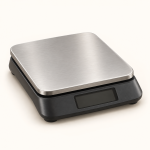
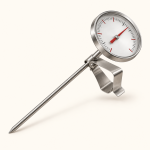
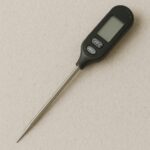
Weigh the gelatin dry and use 200-Bloom gold sheets. The syrup method also needs a candy thermometer; it does not replace using pasteurized egg whites.

At the table

Serve chilled in small dessert glasses, with any garnish prepared separately.

Before you start

Gather your ingredients.

Full quantities and serving adjustments are in the recipe card below.

See the ingredient checklist
  • 250 g unsweetened raspberry purée — pasteurized and ready to eat
  • 75 g plain simple syrup — equal weights sugar and water, prepared and cooled
  • 7.5 g 200-Bloom gold gelatin sheets — dry weight before soaking
  • 1 tsp lemon juice
  • 65 g pasteurized egg whites — plain whites labeled suitable for whipping
  • 90 g granulated sugar
  • 30 g water — for the meringue syrup
  • 250 g heavy whipping cream — cold, made with pasteurized milk

A few useful notes.

Use 7.5 g dry 200-Bloom gold gelatin for the base batch; other sheet grades have different strengths and weights.

Plain simple syrup uses equal weights sugar and water, not a flavored or concentrated cocktail syrup.

Use pasteurized egg whites suitable for whipping.

Six small portions are a serving suggestion, not a measured finished-volume claim.

Chill rather than freeze for this version.

The cooking plan

How to make Raspberry Cream Mousse.

  1. If making the plain simple syrup, dissolve equal weights sugar and water together with gentle heat, then cool and weigh the amount listed. Combine it with the raspberry purée and lemon juice. Set out briefly so the fruit mixture is cool rather than refrigerator-cold when the gelatin is incorporated.

  2. Separate the gelatin sheets and soak in plenty of cold water for 5–10 minutes, until fully soft. Whip the cold cream to soft peaks and refrigerate it while preparing the meringue.

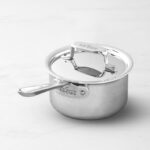
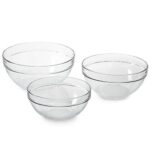
  3. Put the pasteurized whites in a clean heatproof mixing bowl. Heat the granulated sugar and measured meringue water in a small saucepan. As the syrup approaches 239°F, begin whisking the whites to a soft, foamy volume. Cook the syrup to 244°F, equivalent to 118°C, measured with a candy thermometer.

  4. With the mixer running, carefully pour the hot syrup in a thin stream down the side of the whites bowl, away from the spinning beaters. Continue whisking until glossy and cooled to just slightly warm. Use promptly. The whites must be pasteurized; the syrup does not verify pasteurization of the mixture.

  5. Gently warm a few spoonfuls of the raspberry mixture until just warm. Lift and squeeze the softened gelatin, then stir it into that warm portion until completely dissolved, without boiling. Gradually whisk in the remaining raspberry mixture. Keep it fluid and do not chill it until it begins setting.

  6. Fold in the meringue gently, then fold in the softly whipped cream in two additions. Divide among small dessert glasses, cover and refrigerate promptly at 40°F or below for at least 8 hours, until set.

  7. Use within 2 days and keep refrigerated until serving. Keep the preparation time out of refrigeration under 2 hours, and discard mousse left at room temperature for more than 2 hours.

Let’s cook

The full recipe.

Check off ingredients as you get them ready.

Changing servings? The ingredient list scales automatically. Adjust quantities named in the steps to match, and choose pans and cooking times for your batch.

Raspberry Cream Mousse

No ratings yet
A chilled raspberry mousse lightened with whipped cream and an Italian-style meringue made with pasteurized whites.
Servings: 6 small portions
Course: Dessert
Cuisine: French-inspired

Some ingredient links are affiliate links. We may earn a commission at no extra cost to you. As an Amazon Associate I earn from qualifying purchases.

Ingredients
  

  •  
    250 g unsweetened raspberry purée pasteurized and ready to eat
  •  
    75 g plain simple syrup equal weights sugar and water, prepared and cooled
  •  
    7.5 g 200-Bloom gold gelatin sheets dry weight before soaking
  • 1 tsp lemon juice
  •  
    65 g pasteurized egg whites plain whites labeled suitable for whipping
  • 90 g granulated sugar
  • 30 g water for the meringue syrup
  •  
    250 g heavy whipping cream cold, made with pasteurized milk
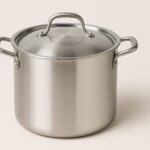
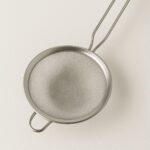
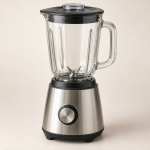
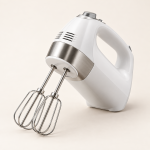
Equipment images are illustrative. Exact products may vary.
Instructions
 

  1. If making the plain simple syrup, dissolve equal weights sugar and water together with gentle heat, then cool and weigh the amount listed. Combine it with the raspberry purée and lemon juice. Set out briefly so the fruit mixture is cool rather than refrigerator-cold when the gelatin is incorporated.
  2. Separate the gelatin sheets and soak in plenty of cold water for 5–10 minutes, until fully soft. Whip the cold cream to soft peaks and refrigerate it while preparing the meringue.
  3. Put the pasteurized whites in a clean heatproof mixing bowl. Heat the granulated sugar and measured meringue water in a small saucepan. As the syrup approaches 239°F, begin whisking the whites to a soft, foamy volume. Cook the syrup to 244°F, equivalent to 118°C, measured with a candy thermometer.
  4. With the mixer running, carefully pour the hot syrup in a thin stream down the side of the whites bowl, away from the spinning beaters. Continue whisking until glossy and cooled to just slightly warm. Use promptly. The whites must be pasteurized; the syrup does not verify pasteurization of the mixture.
  5. Gently warm a few spoonfuls of the raspberry mixture until just warm. Lift and squeeze the softened gelatin, then stir it into that warm portion until completely dissolved, without boiling. Gradually whisk in the remaining raspberry mixture. Keep it fluid and do not chill it until it begins setting.
  6. Fold in the meringue gently, then fold in the softly whipped cream in two additions. Divide among small dessert glasses, cover and refrigerate promptly at 40°F or below for at least 8 hours, until set.
  7. Use within 2 days and keep refrigerated until serving. Keep the preparation time out of refrigeration under 2 hours, and discard mousse left at room temperature for more than 2 hours.

Notes

Use 7.5 g dry 200-Bloom gold gelatin for the base batch; other sheet grades have different strengths and weights.
Plain simple syrup uses equal weights sugar and water, not a flavored or concentrated cocktail syrup.
Use pasteurized egg whites suitable for whipping.
Six small portions are a serving suggestion, not a measured finished-volume claim.
Chill rather than freeze for this version.

Tried this recipe?

Let us know how it was!

A couple of useful answers.

Can I use regular raw egg whites?

Use pasteurized whites labeled suitable for whipping. Hot syrup alone does not establish a safe cooking temperature throughout the meringue.

Can I substitute gelatin sheets by count?

Weigh the dry gelatin and check the 200-Bloom grade. Sheet sizes and strengths differ.

Keep the good food going

Similar Recipes

Find another recipe to bring to the table.

Saffron-Orange Fish and Lobster Broth

Soup

Saffron-Orange Fish and Lobster Broth

Use cleaned fish frames and lobster shells prepared for stock. Simmer with the vegetables, then strain through fine cloth and discard all bones, shells and solids.

Yield
1 small pot
Cuisine
French-inspired

Bring it to the table

Strain rather than blend

Do not put fish bones or lobster shells through a blender or food mill for this home version. Filter the liquid carefully and discard the solids.

At the table

Use the hot broth as the base for a separately prepared soup or sauce, or serve a small cup with an accompaniment prepared separately.

Before you start

Gather your ingredients.

Full quantities and serving adjustments are in the recipe card below.

See the ingredient checklist
  • 850 g white-fish frames and heads — fresh or properly thawed; cleaned by a fishmonger, gills removed
  • 280 g lobster bodies and shells — cleaned and prepared for stock
  • 2 tbsp olive oil
  • 1/2 large onion — roughly chopped
  • 1/4 fennel bulb — roughly chopped
  • 25 g white leek — washed carefully and sliced
  • 3 cloves garlic — peeled and crushed
  • 6 saffron threads
  • 2 cups ripe tomatoes — roughly chopped
  • 2 tbsp tomato paste
  • 3/4 star anise
  • 1/2 anchovy fillet
  • 3/4 orange — thin strips of zest only; no white pith
  • 1 small thyme sprig
  • 1 bay leaf
  • 2 parsley stems
  • water — just enough to cover in a snug stockpot
  • salt — to taste
  • ground black pepper — to taste
  • 1 pinch cayenne pepper

A few useful notes.

This version makes a strained broth, not a puree of whole fish.

No fixed finished volume is claimed; the pot and water needed to cover affect the yield.

All bones, shells and cooked solids are discarded after straining.

The broth contains fish and shellfish.

The cooking plan

How to make Saffron-Orange Fish and Lobster Broth.

  1. Ask a fishmonger to prepare clean white-fish frames and heads with gills removed, and lobster bodies and shells suitable for stock. Keep them refrigerated until cooking. Wash and chop the vegetables, cleaning grit from the leek.

  2. Warm the oil in a heavy stockpot. Add the onion, fennel, leek and garlic and cook gently until softened. Stir in the saffron, tomato paste, star anise and anchovy and cook briefly without scorching.

  3. Add the prepared fish frames and lobster shells, tomatoes, orange zest and herbs. Pour in only enough water to cover the ingredients in the pot.

  4. Bring to a boil, then reduce to a gentle simmer and cook for about 20 minutes, skimming the surface and stirring carefully if needed to prevent sticking.

  5. Lift out large solids carefully, then strain the liquid through a fine sieve lined with damp food-grade cheesecloth into a clean heatproof pot. Do not crush, puree or blend the bones and shells. Discard every solid, then filter the liquid again through clean fine cloth if any particles remain.

  6. Bring the strained broth back to a boil, season with salt, black pepper and cayenne, and use promptly.

  7. For later use, cool rapidly in shallow containers over an ice bath, stirring the broth with a clean utensil, and refrigerate within 2 hours at 40°F or below. Use within 3–4 days or freeze promptly. Reheat refrigerated broth to a rolling boil.

Let’s cook

The full recipe.

Check off ingredients as you get them ready.

Changing servings? The ingredient list scales automatically. Adjust quantities named in the steps to match, and choose pans and cooking times for your batch.

Saffron-Orange Fish and Lobster Broth

No ratings yet
A strained seafood broth with tomato, fennel, saffron, orange and a little star anise.
Servings: 1 small pot
Course: Soup
Cuisine: French-inspired

Some ingredient links are affiliate links. We may earn a commission at no extra cost to you. As an Amazon Associate I earn from qualifying purchases.

Ingredients
  

  •  
    850 g white-fish frames and heads fresh or properly thawed; cleaned by a fishmonger, gills removed
  •  
    280 g lobster bodies and shells cleaned and prepared for stock
  • 2 tbsp olive oil
  • ½ large Onions roughly chopped
  •  
    ¼ fennel bulb roughly chopped
  •  
    25 g white leek washed carefully and sliced
  • 3 cloves garlic peeled and crushed
  • 6 saffron threads
  •  
    2 cups ripe tomatoes roughly chopped
  • 2 tbsp tomato paste
  •  
    ¾ star anise
  • ½ anchovy fillets
  • ¾ orange thin strips of zest only; no white pith
  • 1 small thyme sprig
  • 1 bay leaf
  • 2 parsley stems
  • water just enough to cover in a snug stockpot
  • salt to taste
  • ground black pepper to taste
  • 1 pinch cayenne pepper

Equipment images are illustrative. Exact products may vary.

Instructions
 

  1. Ask a fishmonger to prepare clean white-fish frames and heads with gills removed, and lobster bodies and shells suitable for stock. Keep them refrigerated until cooking. Wash and chop the vegetables, cleaning grit from the leek.
  2. Warm the oil in a heavy stockpot. Add the onion, fennel, leek and garlic and cook gently until softened. Stir in the saffron, tomato paste, star anise and anchovy and cook briefly without scorching.
  3. Add the prepared fish frames and lobster shells, tomatoes, orange zest and herbs. Pour in only enough water to cover the ingredients in the pot.
  4. Bring to a boil, then reduce to a gentle simmer and cook for about 20 minutes, skimming the surface and stirring carefully if needed to prevent sticking.
  5. Lift out large solids carefully, then strain the liquid through a fine sieve lined with damp food-grade cheesecloth into a clean heatproof pot. Do not crush, puree or blend the bones and shells. Discard every solid, then filter the liquid again through clean fine cloth if any particles remain.
  6. Bring the strained broth back to a boil, season with salt, black pepper and cayenne, and use promptly.
  7. For later use, cool rapidly in shallow containers over an ice bath, stirring the broth with a clean utensil, and refrigerate within 2 hours at 40°F or below. Use within 3–4 days or freeze promptly. Reheat refrigerated broth to a rolling boil.

Notes

This version makes a strained broth, not a puree of whole fish.
No fixed finished volume is claimed; the pot and water needed to cover affect the yield.
All bones, shells and cooked solids are discarded after straining.
The broth contains fish and shellfish.

Tried this recipe?

Let us know how it was!

A couple of useful answers.

Should I blend the cooked fish bones?

No. For this home version, strain the liquid and discard all bones, shells and other solids.

Can this be the base of a seafood soup?

Yes. Prepare and cook any added seafood separately according to its own recipe and add it to the hot broth.

Keep the good food going

Similar Recipes

Find another recipe to bring to the table.

Crab Butter with Preserved Lemon and Roasted Tomato

Condiment

Crab Butter with Preserved Lemon and Roasted Tomato

Check the crab carefully for shell, mince the flavorings finely and fold everything into softened butter. Warm only the amount needed for serving.

Yield
1 small batch
Cuisine
French-inspired

Bring it to the table

Use ready-to-eat ingredients

Choose commercially prepared preserved lemon and fully cooked roasted tomatoes for this version. The crab must be cooked and ready to eat before mixing.

At the table

Spoon a little of the warmed topping over cooked fish or vegetables prepared separately.

Before you start

Gather your ingredients.

Full quantities and serving adjustments are in the recipe card below.

See the ingredient checklist
  • 170 g ready-to-eat cooked crab meat — drained; checked carefully for shell
  • 113 g unsalted butter — softened
  • 2 scallions — washed, dried and finely minced
  • 1/2 tsp commercially prepared preserved lemon peel — ready to eat; flesh discarded, peel finely minced
  • 28 g roasted tomatoes — fully cooked, ready to eat, drained and finely minced
  • 1 pinch Espelette pepper
  • salt — only if needed after tasting
  • ground black pepper — to taste

A few useful notes.

The crab is already cooked; this is a topping component rather than a complete halibut recipe.

Use a commercial ready-to-eat preserved lemon product, not an unvalidated homemade preserve.

This mixture is perishable despite its butter content.

The recipe control represents one small batch, without a fixed topping count.

The cooking plan

How to make Crab Butter with Preserved Lemon and Roasted Tomato.

  1. Drain the cooked crab and check carefully for small shell fragments. Keep refrigerated while preparing the butter. Wash and dry the scallions and mince finely.

  2. Use ready-to-eat commercially prepared preserved lemon, following its label. Remove the flesh, mince the peel finely and measure. Finely mince the ready-to-eat roasted tomatoes after draining.

  3. Mix the softened butter with the scallions, lemon peel, tomatoes and Espelette. Fold in the cooked crab gently, then season with black pepper and salt only if needed.

  4. Cover and refrigerate promptly at 40°F or below. Use within 2 days, or sooner if any component’s label requires it. Freeze promptly if keeping longer; thaw in the refrigerator.

  5. For serving, warm only the amount needed in a small saucepan, stirring gently, until the crab topping reaches 165°F. Spoon over a separately cooked dish and serve promptly. Discard any portion left at room temperature for more than 2 hours.

Let’s cook

The full recipe.

Check off ingredients as you get them ready.

Changing servings? The ingredient list scales automatically. Adjust quantities named in the steps to match, and choose pans and cooking times for your batch.

Crab Butter with Preserved Lemon and Roasted Tomato

No ratings yet
A rich cooked-crab and butter topping with scallions, ready-to-eat preserved lemon and roasted tomatoes.
Servings: 1 small batch
Course: Condiment
Cuisine: French-inspired

Some ingredient links are affiliate links. We may earn a commission at no extra cost to you. As an Amazon Associate I earn from qualifying purchases.

Ingredients
  

  •  
    170 g ready-to-eat cooked crab meat drained; checked carefully for shell
  • 113 g unsalted butter softened
  • 2 scallions washed, dried and finely minced
  •  
    ½ tsp commercially prepared preserved lemon peel ready to eat; flesh discarded, peel finely minced
  •  
    28 g roasted tomatoes fully cooked, ready to eat, drained and finely minced
  • 1 pinch espelette pepper
  • salt only if needed after tasting
  • ground black pepper to taste

Equipment images are illustrative. Exact products may vary.

Instructions
 

  1. Drain the cooked crab and check carefully for small shell fragments. Keep refrigerated while preparing the butter. Wash and dry the scallions and mince finely.
  2. Use ready-to-eat commercially prepared preserved lemon, following its label. Remove the flesh, mince the peel finely and measure. Finely mince the ready-to-eat roasted tomatoes after draining.
  3. Mix the softened butter with the scallions, lemon peel, tomatoes and Espelette. Fold in the cooked crab gently, then season with black pepper and salt only if needed.
  4. Cover and refrigerate promptly at 40°F or below. Use within 2 days, or sooner if any component’s label requires it. Freeze promptly if keeping longer; thaw in the refrigerator.
  5. For serving, warm only the amount needed in a small saucepan, stirring gently, until the crab topping reaches 165°F. Spoon over a separately cooked dish and serve promptly. Discard any portion left at room temperature for more than 2 hours.

Notes

The crab is already cooked; this is a topping component rather than a complete halibut recipe.
Use a commercial ready-to-eat preserved lemon product, not an unvalidated homemade preserve.
This mixture is perishable despite its butter content.
The recipe control represents one small batch, without a fixed topping count.

Tried this recipe?

Let us know how it was!

A couple of useful answers.

Do I add raw crab?

No. Use cooked, ready-to-eat crab meat and remove any shell fragments.

Can I keep it like plain butter?

No. Treat it as a perishable seafood mixture and keep it refrigerated for prompt use.

Keep the good food going

Similar Recipes

Find another recipe to bring to the table.

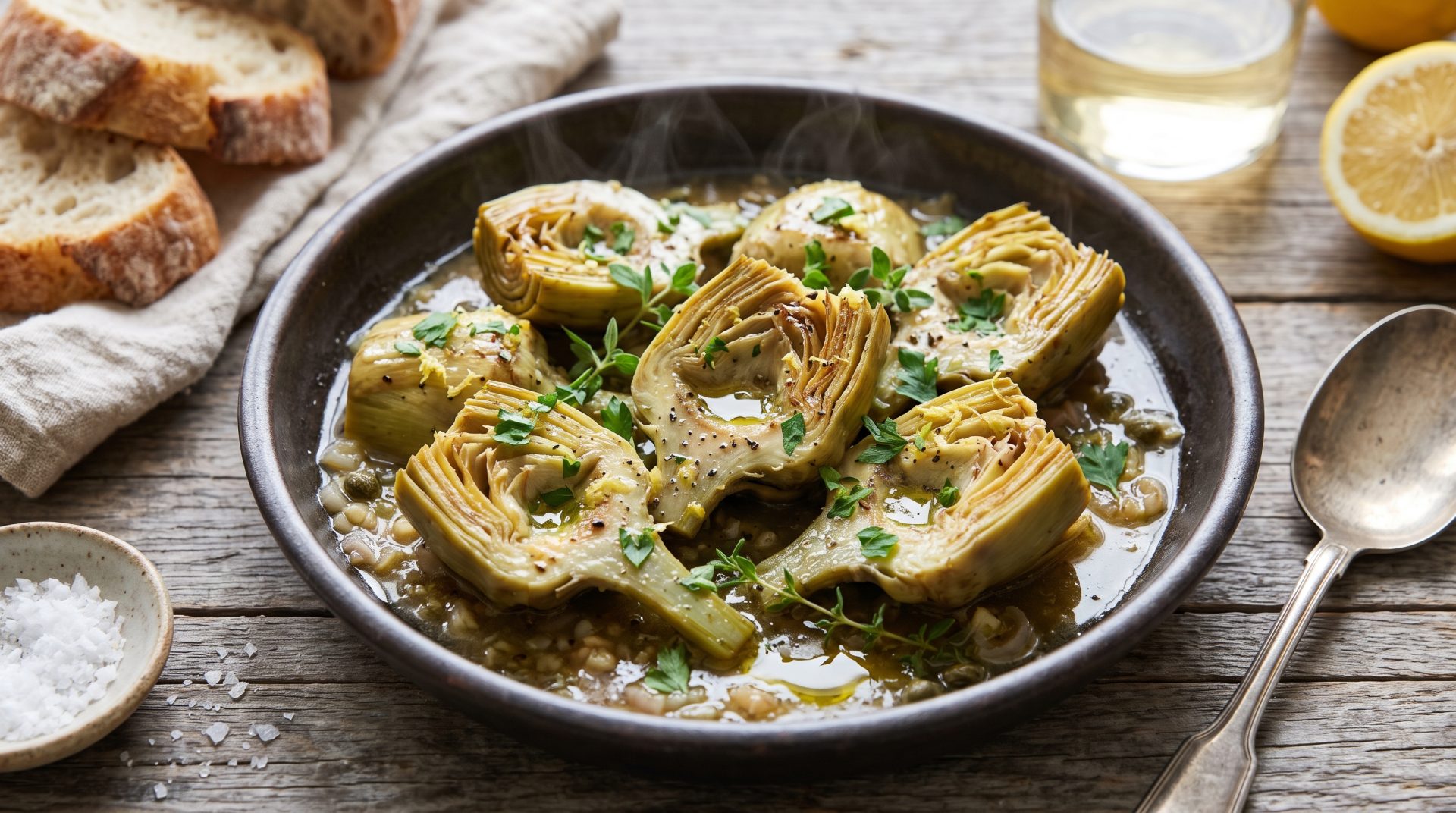
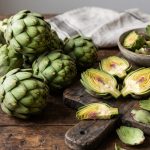
White Wine-Braised Baby Artichokes

Side Dish

White Wine-Braised Baby Artichokes

Trim away the tough leaves before cooking and use a snug pan. The artichokes are ready when a knife slips easily into their bases, with no tough outer leaves remaining.

Yield
4 side servings
Cuisine
French-inspired

Bring it to the table

Trim down to tender leaves

Baby artichokes still need trimming. Remove tough outer leaves, shorten the tops and peel the stems before halving and checking for any fuzzy choke.

At the table

Serve warm or chilled with a little of the cooking liquid as a vegetable side.

Before you start

Gather your ingredients.

Full quantities and serving adjustments are in the recipe card below.

See the ingredient checklist
  • 8 baby artichokes
  • 1 lemon — juice, for the holding water
  • 4 tbsp extra-virgin olive oil — divided
  • 1/2 small onion — finely diced
  • 2 cloves garlic — thinly sliced
  • 1/2 tsp fennel seeds
  • 1/2 tsp coriander seeds
  • 1/8 tsp whole black peppercorns
  • 180 ml dry white wine
  • 1 thyme sprig
  • 1 bay leaf
  • 2 parsley stems
  • water — as needed for braising
  • salt — to taste

A few useful notes.

Four side portions are a home serving suggestion.

Cooking time varies with artichoke size and trimming.

This version contains white wine; cooking is not a promise of complete alcohol removal.

The cooking plan

How to make White Wine-Braised Baby Artichokes.

  1. Prepare a bowl of cold water with the lemon juice. Remove tough outer artichoke leaves, cut away the firm upper leaf tips, trim and peel the stems, and halve the artichokes. Remove any fuzzy choke. Place trimmed pieces in the lemon water as you work, then drain before cooking.

  2. Warm half the oil in a snug, heavy saucepan. Add the fennel seeds, coriander and peppercorns and stir briefly until fragrant without burning.

  3. Add the onion and garlic and cook gently until softened without browning. Add the remaining oil and drained artichokes, then the wine, thyme, bay and parsley stems.

  4. Add only enough water to barely cover the artichokes. Cover with a close-fitting lid or parchment circle and simmer gently, stirring or turning occasionally and adding a splash of water if the pan is drying.

  5. Start checking after about 15 minutes and continue until a small knife slips easily into the bases and the leaves are tender. Remove the herb stems and bay, season to taste and serve with a little cooking liquid.

  6. If serving later, cool in a shallow container and refrigerate within 2 hours at 40°F or below. Use within 3–4 days. This is a cooked vegetable dish for prompt use, not a preserving or canning method.

Let’s cook

The full recipe.

Check off ingredients as you get them ready.

Changing servings? The ingredient list scales automatically. Adjust quantities named in the steps to match, and choose pans and cooking times for your batch.

White Wine-Braised Baby Artichokes

No ratings yet
Baby artichokes braised with white wine, garlic, onion, fennel seed and coriander.
Servings: 4 side servings
Course: Side Dish
Cuisine: French-inspired

Some ingredient links are affiliate links. We may earn a commission at no extra cost to you. As an Amazon Associate I earn from qualifying purchases.

Ingredients
  

  • 8 baby artichokes
  • 1 lemon juice, for the holding water
  • 4 tbsp extra-virgin olive oil divided
  • ½ small Onions finely diced
  • 2 cloves garlic thinly sliced
  • ½ tsp fennel seeds
  • ½ tsp coriander seeds
  • ⅛ tsp whole black peppercorns
  • 180 ml dry white wine
  • 1 thyme sprig
  • 1 bay leaf
  • 2 parsley stems
  • water as needed for braising
  • salt to taste

Equipment images are illustrative. Exact products may vary.

Instructions
 

  1. Prepare a bowl of cold water with the lemon juice. Remove tough outer artichoke leaves, cut away the firm upper leaf tips, trim and peel the stems, and halve the artichokes. Remove any fuzzy choke. Place trimmed pieces in the lemon water as you work, then drain before cooking.
  2. Warm half the oil in a snug, heavy saucepan. Add the fennel seeds, coriander and peppercorns and stir briefly until fragrant without burning.
  3. Add the onion and garlic and cook gently until softened without browning. Add the remaining oil and drained artichokes, then the wine, thyme, bay and parsley stems.
  4. Add only enough water to barely cover the artichokes. Cover with a close-fitting lid or parchment circle and simmer gently, stirring or turning occasionally and adding a splash of water if the pan is drying.
  5. Start checking after about 15 minutes and continue until a small knife slips easily into the bases and the leaves are tender. Remove the herb stems and bay, season to taste and serve with a little cooking liquid.
  6. If serving later, cool in a shallow container and refrigerate within 2 hours at 40°F or below. Use within 3–4 days. This is a cooked vegetable dish for prompt use, not a preserving or canning method.

Notes

Four side portions are a home serving suggestion.
Cooking time varies with artichoke size and trimming.
This version contains white wine; cooking is not a promise of complete alcohol removal.

Tried this recipe?

Let us know how it was!

A couple of useful answers.

Why do the artichokes need so much trimming?

The tough outer leaves and stem skin do not become pleasant to eat simply by braising. Trim until the remaining parts are tender.

Is this a jarred preserve?

No. Refrigerate promptly and use within 3–4 days.

Keep the good food going

Similar Recipes

Find another recipe to bring to the table.
Savory Foie Gras Custards

Appetizer

Savory Foie Gras Custards

Blend and strain the mixture for a smooth base, then bake in small ramekins. Check the center temperature of each custard rather than stopping when the surface looks set.

Yield
4 small servings
Cuisine
French-inspired

Bring it to the table

Cook the liver fully

These custards contain poultry liver. Each center must reach 165°F, even if the custard appears set sooner.

At the table

Serve in small portions with toast or another accompaniment prepared separately.

Before you start

Gather your ingredients.

Full quantities and serving adjustments are in the recipe card below.

See the ingredient checklist
  • 180 g heavy cream
  • 170 g raw foie gras — chilled; veins removed
  • 30 g ready-to-eat cooked foie gras — commercially prepared; check the label
  • 2 large eggs
  • 1 tsp granulated sugar
  • 2 g salt
  • 1/4 tsp ground black pepper
  • 1 pinch ground coriander

A few useful notes.

This is a fully cooked poultry-liver custard, not a cured or partially cooked parfait.

Use commercially prepared cooked foie gras labeled ready to eat for the small cooked portion.

The 165°F center temperature is required for the poultry liver.

No alcohol or curing salt is included in this version.

The cooking plan

How to make Savory Foie Gras Custards.

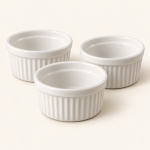
  1. Heat the oven to 225°F. Arrange four 6-ounce ovenproof ramekins in a deep roasting pan. Keep the foie gras chilled until ready to blend and use clean equipment after handling raw liver.

  2. Warm the cream gently until steaming without boiling. Put the raw and ready-to-eat cooked foie gras in a blender and pour in the warm cream. Blend until smooth, allowing steam to escape according to the blender manufacturer’s instructions.

  3. Add the eggs, sugar, salt, pepper and coriander and blend briefly to combine. Do not taste the raw mixture. Strain through a fine sieve into a pouring jug.
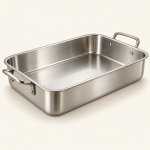
  4. Divide among the ramekins, leaving headroom. Pour hot water into the roasting pan to reach about halfway up the ramekins, keeping water out of the custards. Move the pan carefully into the oven.

  5. Bake gently until the custards are set and the center of every ramekin reaches 165°F on a food thermometer. Start checking around 35 minutes and continue as needed; appearance or time alone does not establish doneness.

  6. Remove the ramekins carefully from the water bath. Serve promptly, or cool in shallow portions and refrigerate within 2 hours at 40°F or below. Use chilled leftovers within 3–4 days and reheat to 165°F.

Let’s cook

The full recipe.

Check off ingredients as you get them ready.

Changing servings? The ingredient list scales automatically. Adjust quantities named in the steps to match, and choose pans and cooking times for your batch.

Savory Foie Gras Custards

No ratings yet
Small savory custards made with foie gras, cream, eggs and a pinch of coriander, baked gently in a water bath.
Servings: 4 small servings
Course: Appetizer
Cuisine: French-inspired

Some ingredient links are affiliate links. We may earn a commission at no extra cost to you. As an Amazon Associate I earn from qualifying purchases.

Ingredients
  

  • 180 g heavy cream
  •  
    170 g raw foie gras chilled; veins removed
  •  
    30 g ready-to-eat cooked foie gras commercially prepared; check the label
  • 2 large eggs
  • 1 tsp granulated sugar
  • 2 g salt
  • ¼ tsp ground black pepper
  • 1 pinch ground coriander

Equipment images are illustrative. Exact products may vary.

Instructions
 

  1. Heat the oven to 225°F. Arrange four 6-ounce ovenproof ramekins in a deep roasting pan. Keep the foie gras chilled until ready to blend and use clean equipment after handling raw liver.
  2. Warm the cream gently until steaming without boiling. Put the raw and ready-to-eat cooked foie gras in a blender and pour in the warm cream. Blend until smooth, allowing steam to escape according to the blender manufacturer’s instructions.
  3. Add the eggs, sugar, salt, pepper and coriander and blend briefly to combine. Do not taste the raw mixture. Strain through a fine sieve into a pouring jug.
  4. Divide among the ramekins, leaving headroom. Pour hot water into the roasting pan to reach about halfway up the ramekins, keeping water out of the custards. Move the pan carefully into the oven.
  5. Bake gently until the custards are set and the center of every ramekin reaches 165°F on a food thermometer. Start checking around 35 minutes and continue as needed; appearance or time alone does not establish doneness.
  6. Remove the ramekins carefully from the water bath. Serve promptly, or cool in shallow portions and refrigerate within 2 hours at 40°F or below. Use chilled leftovers within 3–4 days and reheat to 165°F.

Notes

This is a fully cooked poultry-liver custard, not a cured or partially cooked parfait.
Use commercially prepared cooked foie gras labeled ready to eat for the small cooked portion.
The 165°F center temperature is required for the poultry liver.
No alcohol or curing salt is included in this version.

Tried this recipe?

Let us know how it was!

A couple of useful answers.

Can I stop cooking when the custard looks set?

No. Check each center with a thermometer and continue until it reaches 165°F.

Does this use pink salt?

No. There is no curing salt in this custard recipe.

Keep the good food going

Similar Recipes

Find another recipe to bring to the table.