Honey-Vanilla Crème Brûlée

Dessert

Honey-Vanilla Crème Brûlée

Stir the custard mixture gently, strain it and bake in a water bath. Chill completely before caramelizing the sugar tops.

Yield
6 small custards
Cuisine
French-inspired

Bring it to the table

Mix without foaming

Stir just enough to dissolve and combine. Skim off surface bubbles after filling the ramekins for a smoother top.

At the table

Caramelize the sugar shortly before serving for a crisp contrast to the cold custard.

Before you start

Gather your ingredients.

Full quantities and serving adjustments are in the recipe card below.

See the ingredient checklist
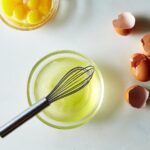
  • 100 g egg yolks — weighed without whites
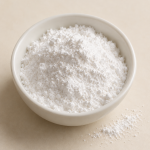
  • 25 g granulated sugar
  • 37.5 g honey
  • 6.25 g vanilla paste
  • 125 ml whole milk
  • 375 ml heavy cream
  • 6 tsp granulated sugar — approximately; a thin layer on each custard

A few useful notes.

Six small custards are a home portion suggestion.

This version is flavored with honey and vanilla, without added cinnamon, orange powder or cardamom.

Keep the custards refrigerated and add the sugar crust just before serving.

The cooking plan

How to make Honey-Vanilla Crème Brûlée.

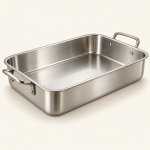
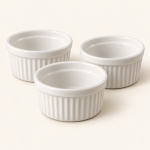
  1. Heat the oven to 300°F. Set six ovenproof ramekins of about 150 ml capacity in a deep roasting pan.

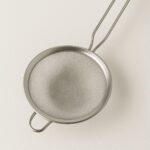
  2. Stir the yolks, 25 g sugar, honey and vanilla paste together until smooth. Stir in the milk, then the cream, gently enough to avoid a foamy mixture. Strain through a fine sieve.

  3. Divide between the ramekins and skim off bubbles. Set the roasting pan on the oven rack and add hot water around the ramekins to about halfway up their sides.

  4. Bake, starting to check at about 40 minutes, until set around the edges with a gently trembling center rather than liquid movement. Check that a center reaches at least 160°F and continue as needed for the ramekins and starting temperature.

  5. Lift the ramekins out of the water carefully. Let the initial heat subside, then refrigerate within 2 hours. Chill fully, allowing at least 4 hours. Keep cold until ready to finish.

  6. Blot any surface condensation, then cover each cold custard with a thin layer of sugar, about 1 teaspoon. On a heatproof surface, caramelize with a kitchen torch used according to its instructions. Let the crust harden briefly and serve.

Let’s cook

The full recipe.

Check off ingredients as you get them ready.

Changing servings? The ingredient list scales automatically. Adjust quantities named in the steps to match, and choose pans and cooking times for your batch.

Honey-Vanilla Crème Brûlée

No ratings yet
A honey-and-vanilla custard made with milk, cream and egg yolks, finished with a thin sugar crust.
Servings: 6 small custards
Course: Dessert
Cuisine: French-inspired

Some ingredient links are affiliate links. We may earn a commission at no extra cost to you. As an Amazon Associate I earn from qualifying purchases.

Ingredients
  

Custard
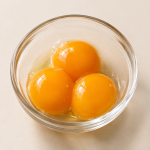
  • Three separated raw egg yolks in a clear glass bowl100 g egg yolks weighed without whites
  • 25 g granulated sugar
  • Golden honey in a glass bowl with a wooden honey dipper37.5 g honey
  •  
    6.25 g vanilla paste
  • 125 ml whole milk
  • 375 ml heavy cream
Sugar crust
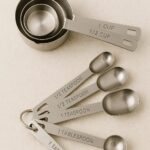
  • 6 tsp granulated sugar approximately; a thin layer on each custard

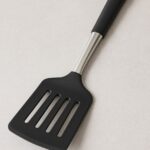
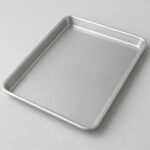
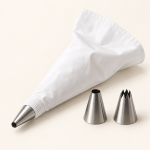
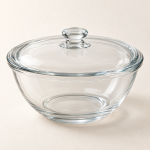
Equipment images are illustrative. Exact products may vary.

Instructions
 

  1. Heat the oven to 300°F. Set six ovenproof ramekins of about 150 ml capacity in a deep roasting pan.
  2. Stir the yolks, 25 g sugar, honey and vanilla paste together until smooth. Stir in the milk, then the cream, gently enough to avoid a foamy mixture. Strain through a fine sieve.
  3. Divide between the ramekins and skim off bubbles. Set the roasting pan on the oven rack and add hot water around the ramekins to about halfway up their sides.
  4. Bake, starting to check at about 40 minutes, until set around the edges with a gently trembling center rather than liquid movement. Check that a center reaches at least 160°F and continue as needed for the ramekins and starting temperature.
  5. Lift the ramekins out of the water carefully. Let the initial heat subside, then refrigerate within 2 hours. Chill fully, allowing at least 4 hours. Keep cold until ready to finish.
  6. Blot any surface condensation, then cover each cold custard with a thin layer of sugar, about 1 teaspoon. On a heatproof surface, caramelize with a kitchen torch used according to its instructions. Let the crust harden briefly and serve.

Notes

Six small custards are a home portion suggestion.
This version is flavored with honey and vanilla, without added cinnamon, orange powder or cardamom.
Keep the custards refrigerated and add the sugar crust just before serving.

Tried this recipe?

Let us know how it was!

A couple of useful answers.

Is the sugar for the custard or the crust?

The 25 g sugar goes into the custard. The separate teaspoon amounts are for the final crust.

Can I add the crust ahead of time?

For a crisp surface, wait until shortly before serving to add and caramelize the sugar.

Keep the good food going

Similar Recipes

Find another recipe to bring to the table.

Crisp Meringue Cookies

Dessert · Snack

Crisp Meringue Cookies

Whip part of the sugar into the whites, then fold in the remaining sugars gently. A slow bake dries the piped cookies without relying on their surface appearance alone.

Yield
1 small batch
Cuisine
French-inspired

Bring it to the table

Keep the bowl grease-free

Traces of yolk or fat make the whites harder to whip. Use clean, dry equipment and pipe the finished mixture promptly.

At the table

Serve plain or alongside a dessert, keeping the cookies away from moisture until serving.

Before you start

Gather your ingredients.

Full quantities and serving adjustments are in the recipe card below.

See the ingredient checklist
  • 100 g egg whites — weighed without yolks
  • 50 g fine granulated sugar
  • 80 g fine granulated sugar
  • 50 g confectioners sugar — sifted
  • confectioners sugar — for two light dustings

A few useful notes.

Cookie count depends on the piping size.

Optional flavor variations for the base batch: fold in 12 g coffee extract at the end; or sift 26 g cocoa powder with the folding sugars; or add a small pinch of food-grade ground lavender to the dry mixture. Use one variation at a time. Extra moisture or cocoa can change the drying time.

Store away from moist fillings and toppings until serving.

The cooking plan

How to make Crisp Meringue Cookies.

  1. Heat the oven to 200°F and line baking sheets with parchment. Sift the folding-mixture confectioners sugar, then combine it with the 80 g granulated sugar.

  2. Beat the egg whites in a clean, grease-free bowl until foamy and beginning to hold their shape. Gradually add the 50 g whipping sugar and continue until the whites are glossy and hold firm peaks.

  3. Fold the remaining sugar mixture into the whites gently with a spatula, stopping when evenly combined. Pipe small mounds or kisses about 1 inch wide onto the prepared sheets, leaving space between them. Dust lightly with confectioners sugar, let it absorb briefly, then dust lightly again.

  4. Bake until firm, dry through the center and easily released from the parchment, starting to check at about 1 1/2 hours and continuing as needed for their size. Break a cooled test cookie to check that the middle is dry rather than wet or sticky.

  5. Turn off the oven and let the cookies cool inside with the door closed. Once completely cold, transfer to an airtight container away from humidity.

Let’s cook

The full recipe.

Check off ingredients as you get them ready.

Changing servings? The ingredient list scales automatically. Adjust quantities named in the steps to match, and choose pans and cooking times for your batch.

Crisp Meringue Cookies

No ratings yet
Crisp piped meringues made with egg whites, granulated sugar and confectioners sugar.
Servings: 1 small batch
Course: Dessert, Snack
Cuisine: French-inspired

Some ingredient links are affiliate links. We may earn a commission at no extra cost to you. As an Amazon Associate I earn from qualifying purchases.

Ingredients
  

Whipping mixture
Folding mixture
Finish
  • Fine white powdered confectioners sugar in a prep bowlconfectioners sugar for two light dustings

Equipment images are illustrative. Exact products may vary.

Instructions
 

  1. Heat the oven to 200°F and line baking sheets with parchment. Sift the folding-mixture confectioners sugar, then combine it with the 80 g granulated sugar.
  2. Beat the egg whites in a clean, grease-free bowl until foamy and beginning to hold their shape. Gradually add the 50 g whipping sugar and continue until the whites are glossy and hold firm peaks.
  3. Fold the remaining sugar mixture into the whites gently with a spatula, stopping when evenly combined. Pipe small mounds or kisses about 1 inch wide onto the prepared sheets, leaving space between them. Dust lightly with confectioners sugar, let it absorb briefly, then dust lightly again.
  4. Bake until firm, dry through the center and easily released from the parchment, starting to check at about 1 1/2 hours and continuing as needed for their size. Break a cooled test cookie to check that the middle is dry rather than wet or sticky.
  5. Turn off the oven and let the cookies cool inside with the door closed. Once completely cold, transfer to an airtight container away from humidity.

Notes

Cookie count depends on the piping size.
Optional flavor variations for the base batch: fold in 12 g coffee extract at the end; or sift 26 g cocoa powder with the folding sugars; or add a small pinch of food-grade ground lavender to the dry mixture. Use one variation at a time. Extra moisture or cocoa can change the drying time.
Store away from moist fillings and toppings until serving.

Tried this recipe?

Let us know how it was!

A couple of useful answers.

Why are there two granulated sugar amounts?

One portion is beaten into the whites and the other is folded in with the confectioners sugar.

Are they finished when the outside feels firm?

Check a cooled test cookie too. The center should be dry rather than wet or sticky.

Keep the good food going

Similar Recipes

Find another recipe to bring to the table.

Almond and Walnut Crumble

Dessert · Garnish

Almond and Walnut Crumble

Mix the nut flours with butter, sugar and wheat flour, then bake in a thin layer. Let it cool before breaking it into crumbs.

Yield
1 small batch
Cuisine
Contemporary

Bring it to the table

Use fine nut meal

Finely ground walnuts should look like meal, not an oily nut butter. Pulse in short bursts if grinding the nuts yourself.

At the table

Sprinkle over a finished dessert just before serving to keep the crumbs crisp.

Before you start

Gather your ingredients.

Full quantities and serving adjustments are in the recipe card below.

See the ingredient checklist
  • 50 g unsalted butter — softened
  • 50 g confectioners sugar
  • 70 g almond flour
  • 50 g all-purpose flour
  • 37.5 g finely ground walnuts

A few useful notes.

This crumble contains almonds, walnuts and wheat.

The control represents a small batch rather than a measured cup yield.

The cooking plan

How to make Almond and Walnut Crumble.

  1. Heat the oven to 325°F and line a baking tray with a silicone baking mat or parchment.

  2. Mix the softened butter and confectioners sugar until combined. Add the almond flour, all-purpose flour and ground walnuts. Mix just until the mixture holds together; do not beat into an oily paste.

  3. Spread or press into a thin, even layer about 1/4 inch thick on the prepared tray. Bake, starting to check around 15 minutes, until lightly golden and cooked through. Continue as needed for the thickness and tray.

  4. Cool completely on the tray, then break into small crumbs. Store airtight once cold, or freeze for longer keeping. Keep separate from moist toppings until serving.

Let’s cook

The full recipe.

Check off ingredients as you get them ready.

Changing servings? The ingredient list scales automatically. Adjust quantities named in the steps to match, and choose pans and cooking times for your batch.

Almond and Walnut Crumble

No ratings yet
A baked almond-and-walnut crumble for adding a nutty, buttery crunch to desserts.
Servings: 1 small batch
Course: Dessert, Garnish
Cuisine: Contemporary

Some ingredient links are affiliate links. We may earn a commission at no extra cost to you. As an Amazon Associate I earn from qualifying purchases.

Ingredients
  

  • 50 g unsalted butter softened
  • Fine white powdered confectioners sugar in a prep bowl50 g confectioners sugar
  •  
    70 g almond flour
  • 50 g all-purpose flour
  •  
    37.5 g finely ground walnuts

Equipment images are illustrative. Exact products may vary.

Instructions
 

  1. Heat the oven to 325°F and line a baking tray with a silicone baking mat or parchment.
  2. Mix the softened butter and confectioners sugar until combined. Add the almond flour, all-purpose flour and ground walnuts. Mix just until the mixture holds together; do not beat into an oily paste.
  3. Spread or press into a thin, even layer about 1/4 inch thick on the prepared tray. Bake, starting to check around 15 minutes, until lightly golden and cooked through. Continue as needed for the thickness and tray.
  4. Cool completely on the tray, then break into small crumbs. Store airtight once cold, or freeze for longer keeping. Keep separate from moist toppings until serving.

Notes

This crumble contains almonds, walnuts and wheat.
The control represents a small batch rather than a measured cup yield.

Tried this recipe?

Let us know how it was!

A couple of useful answers.

Does it use both almonds and walnuts?

Yes. Almond flour and finely ground walnuts are separate ingredients in this version.

When do I break it into crumbs?

Let it cool completely first so the baked mixture can firm.

Keep the good food going

Similar Recipes

Find another recipe to bring to the table.

Citrus Bugnes Fried Pastries

Dessert · Snack

Citrus Bugnes Fried Pastries

Mix the butter into the dry ingredients before adding eggs and milk. Rest the dough overnight in the refrigerator, then roll thinly and fry in small batches.

Yield
1 small batch
Cuisine
French-inspired

Bring it to the table

Roll thinly and evenly

Thick pieces take longer to cook through. Roll a small portion first and fry one piece to check its thickness and doneness before cutting the rest.

At the table

Drain well and serve freshly fried, with a little confectioners sugar if desired.

Before you start

Gather your ingredients.

Full quantities and serving adjustments are in the recipe card below.

See the ingredient checklist
  • 250 g all-purpose flour — plus a little for rolling
  • 1.5 g salt
  • 30 g unsalted butter — softened
  • 37.5 g granulated sugar
  • 12.5 g milk
  • 1/4 lemon — finely grated zest only
  • 1/4 orange — finely grated zest only
  • 2 large eggs
  • neutral oil — for deep-frying
  • confectioners sugar — optional, for finishing

A few useful notes.

The number of pastries depends on how thinly the dough is rolled and how it is cut.

The dough has no yeast or baking powder; roll thin rather than expecting a bread-like rise.

Do not taste raw dough.

The cooking plan

How to make Citrus Bugnes Fried Pastries.

  1. Mix the flour, salt, sugar and citrus zests in a bowl. Work in the softened butter until distributed. Add the eggs and milk and mix just until a dough forms, without prolonged beating.

  2. Flatten, wrap and refrigerate overnight. Let the dough soften only enough to roll, keeping unused portions covered.

  3. Roll thinly on a lightly floured surface, about 1/16 inch thick. Cut into narrow strips or small diamonds. Shake off loose flour.

  4. Heat neutral oil in a deep, heavy pot to 325°F, using a frying thermometer. Leave ample room above the oil and keep the pot less than half full. Fry one small piece first, turning until evenly golden, then drain and check that its center is cooked rather than doughy.

  5. Fry the remaining pieces in small batches, turning for even color and allowing the oil to return to temperature between batches. Drain on paper towel or a rack and dust lightly with confectioners sugar if desired. Serve promptly.

Let’s cook

The full recipe.

Check off ingredients as you get them ready.

Changing servings? The ingredient list scales automatically. Adjust quantities named in the steps to match, and choose pans and cooking times for your batch.

Citrus Bugnes Fried Pastries

No ratings yet
Thin fried pastries with lemon and orange zest, finished with a light dusting of confectioners sugar.
Servings: 1 small batch
Course: Dessert, Snack
Cuisine: French-inspired

Some ingredient links are affiliate links. We may earn a commission at no extra cost to you. As an Amazon Associate I earn from qualifying purchases.

Ingredients

  

  • 250 g all-purpose flour plus a little for rolling
  • 1.5 g salt
  • 30 g unsalted butter softened
  • 37.5 g granulated sugar
  • 12.5 g milk
  • ¼ lemon finely grated zest only
  •  
    ¼ orange finely grated zest only
  • 2 large eggs
  •  
    neutral oil for deep-frying
  • Fine white powdered confectioners sugar in a prep bowlconfectioners sugar optional, for finishing

Equipment images are illustrative. Exact products may vary.

Instructions
 

  1. Mix the flour, salt, sugar and citrus zests in a bowl. Work in the softened butter until distributed. Add the eggs and milk and mix just until a dough forms, without prolonged beating.
  2. Flatten, wrap and refrigerate overnight. Let the dough soften only enough to roll, keeping unused portions covered.
  3. Roll thinly on a lightly floured surface, about 1/16 inch thick. Cut into narrow strips or small diamonds. Shake off loose flour.
  4. Heat neutral oil in a deep, heavy pot to 325°F, using a frying thermometer. Leave ample room above the oil and keep the pot less than half full. Fry one small piece first, turning until evenly golden, then drain and check that its center is cooked rather than doughy.
  5. Fry the remaining pieces in small batches, turning for even color and allowing the oil to return to temperature between batches. Drain on paper towel or a rack and dust lightly with confectioners sugar if desired. Serve promptly.

Notes

The number of pastries depends on how thinly the dough is rolled and how it is cut.
The dough has no yeast or baking powder; roll thin rather than expecting a bread-like rise.
Do not taste raw dough.

Tried this recipe?

Let us know how it was!

A couple of useful answers.

Can I roll them thick like doughnuts?

This version is intended for thin fried pastries. Thick pieces may color outside before cooking through.

Why cook one piece first?

It lets you check the thickness and oil temperature before frying the full batch.

Keep the good food going

Similar Recipes

Find another recipe to bring to the table.

Strawberry-Caramel Crème Brûlée

Dessert

Strawberry-Caramel Crème Brûlée

Caramelize the custard sugar first, loosen it carefully with warm cream, then cool the mixture before adding the yolks, strawberry puree and liqueur.

Yield
4 small custards
Cuisine
French-inspired

Bring it to the table

Warm the cream before adding

Hot caramel releases steam and bubbles vigorously when liquid is added. Use a roomy saucepan, oven mitts and slow additions with your face clear.

At the table

Chill the custards completely, then caramelize their sugar tops shortly before serving.

Before you start

Gather your ingredients.

Full quantities and serving adjustments are in the recipe card below.

See the ingredient checklist
  • 60 g granulated sugar
  • 225 g heavy cream — divided into two equal portions
  • 87.5 g strawberry puree — smooth
  • 75 g egg yolks — weighed without whites
  • 6.25 g strawberry liqueur
  • 4 tsp granulated sugar — approximately; a thin layer for each custard

A few useful notes.

Four small custards are a serving suggestion.

The recipe contains strawberry liqueur; baking does not establish that it is alcohol-free.

Add the sugar crust just before serving.

The cooking plan

How to make Strawberry-Caramel Crème Brûlée.

  1. Warm half the cream in a small saucepan and keep it warm. Spread the 60 g sugar in an even layer in a separate heavy saucepan with high sides. Heat over low to medium-low heat, gently moving it with a heatproof spatula until melted and amber.

  2. Remove the caramel from the heat. Wearing oven mitts and keeping your face away, add the warm cream very slowly in small additions. Pause as it bubbles. Return to low heat only as needed to dissolve any hardened caramel, then remove from the heat.

  3. Stir in the remaining cream and let cool until no longer hot. Whisk in the strawberry puree, weighed yolks and liqueur gently until combined. Strain through a fine sieve.

  4. Heat the oven to 300°F. Divide between four ovenproof ramekins of about 150 ml capacity in a roasting pan. Set on the oven rack and add hot water around them to about halfway up their sides.

  5. Bake, starting to check at about 35 minutes, until set at the edges with a gently trembling center rather than liquid movement. Check that the center reaches at least 160°F and continue as needed. Lift the ramekins from the water carefully, cool briefly and refrigerate within 2 hours. Chill fully, allowing at least 4 hours.

  6. Just before serving, blot any surface condensation. Cover each cold custard with a thin even layer of sugar, about 1 teaspoon. On a heatproof surface, caramelize with a kitchen torch used according to its instructions. Let the crust harden briefly before serving.

Let’s cook

The full recipe.

Check off ingredients as you get them ready.

Changing servings? The ingredient list scales automatically. Adjust quantities named in the steps to match, and choose pans and cooking times for your batch.

Strawberry-Caramel Crème Brûlée

No ratings yet
A strawberry and caramel custard with cream, egg yolks and a thin caramelized sugar crust.
Servings: 4 small custards
Course: Dessert
Cuisine: French-inspired

Some ingredient links are affiliate links. We may earn a commission at no extra cost to you. As an Amazon Associate I earn from qualifying purchases.

Ingredients
  

Custard
  • 60 g granulated sugar
  • 225 g heavy cream divided into two equal portions
  •  
    87.5 g strawberry puree smooth
  • Three separated raw egg yolks in a clear glass bowl75 g egg yolks weighed without whites
  •  
    6.25 g strawberry liqueur
Sugar crust
  • 4 tsp granulated sugar approximately; a thin layer for each custard

Equipment images are illustrative. Exact products may vary.

Instructions
 

  1. Warm half the cream in a small saucepan and keep it warm. Spread the 60 g sugar in an even layer in a separate heavy saucepan with high sides. Heat over low to medium-low heat, gently moving it with a heatproof spatula until melted and amber.
  2. Remove the caramel from the heat. Wearing oven mitts and keeping your face away, add the warm cream very slowly in small additions. Pause as it bubbles. Return to low heat only as needed to dissolve any hardened caramel, then remove from the heat.
  3. Stir in the remaining cream and let cool until no longer hot. Whisk in the strawberry puree, weighed yolks and liqueur gently until combined. Strain through a fine sieve.
  4. Heat the oven to 300°F. Divide between four ovenproof ramekins of about 150 ml capacity in a roasting pan. Set on the oven rack and add hot water around them to about halfway up their sides.
  5. Bake, starting to check at about 35 minutes, until set at the edges with a gently trembling center rather than liquid movement. Check that the center reaches at least 160°F and continue as needed. Lift the ramekins from the water carefully, cool briefly and refrigerate within 2 hours. Chill fully, allowing at least 4 hours.
  6. Just before serving, blot any surface condensation. Cover each cold custard with a thin even layer of sugar, about 1 teaspoon. On a heatproof surface, caramelize with a kitchen torch used according to its instructions. Let the crust harden briefly before serving.

Notes

Four small custards are a serving suggestion.
The recipe contains strawberry liqueur; baking does not establish that it is alcohol-free.
Add the sugar crust just before serving.

Tried this recipe?

Let us know how it was!

A couple of useful answers.

Is the 60 g sugar for the topping?

It is caramelized into the custard base. The separate teaspoon amounts are for the final sugar crust.

Can I torch them while warm?

Chill them completely first, then add and caramelize the thin sugar layer just before serving.

Keep the good food going

Similar Recipes

Find another recipe to bring to the table.

Vanilla and Lemon Custard Pots

Dessert

Vanilla and Lemon Custard Pots

Infuse the milk, temper it into weighed eggs and chill the mixture overnight before baking. These custards are served in their ramekins, without a caramel layer.

Yield
6 small custards
Cuisine
French-inspired

Bring it to the table

Warm milk, gentle mixing

Whisk the eggs only enough to combine them. Add the hot milk slowly while stirring to avoid scrambling or introducing excess foam.

At the table

Chill fully and serve in the ramekins.

Before you start

Gather your ingredients.

Full quantities and serving adjustments are in the recipe card below.

See the ingredient checklist
  • 475 ml whole milk
  • 125 g granulated sugar
  • 150 g whole eggs — lightly beaten and weighed without shells
  • 1/2 vanilla bean — split and seeds scraped
  • 1 small strip lemon peel — about 1/2 inch long; colored zest only

A few useful notes.

Six small custards are a home portion suggestion.

This recipe makes the custard component without an unmolded caramel layer.

Use the whole-egg quantity listed rather than swapping in an equal weight of yolks.

The cooking plan

How to make Vanilla and Lemon Custard Pots.

  1. Put the milk, sugar, vanilla seeds and pod, and lemon peel in a saucepan. Bring just to a boil, then remove from the heat immediately.

  2. Lightly whisk the weighed eggs in a bowl. Add the hot milk gradually while stirring constantly. Strain out the pod and peel. Cool promptly in a shallow container set in an ice-water bath, then cover and refrigerate within 2 hours. Keep cold overnight and bake the next day.

  3. Heat the oven to 300°F. Set six ovenproof ramekins of about 150 ml capacity in a deep roasting pan. Stir the chilled custard gently and divide between them.

  4. Set the pan on the oven rack. Carefully add hot water around the ramekins to about halfway up their sides, keeping it out of the custards. Bake, checking around 40–45 minutes, until the edges are set, the centers tremble gently rather than flow, and the center reaches at least 160°F. Continue as needed for the ramekins and starting temperature.

  5. Remove the ramekins from the water carefully. Let the initial heat subside, then refrigerate within 2 hours. Chill fully before serving and keep refrigerated; use within 3–4 days.

Let’s cook

The full recipe.

Check off ingredients as you get them ready.

Changing servings? The ingredient list scales automatically. Adjust quantities named in the steps to match, and choose pans and cooking times for your batch.

Vanilla and Lemon Custard Pots

No ratings yet
Milk-based vanilla custards gently baked in a water bath with a little lemon-peel fragrance.
Servings: 6 small custards
Course: Dessert
Cuisine: French-inspired

Some ingredient links are affiliate links. We may earn a commission at no extra cost to you. As an Amazon Associate I earn from qualifying purchases.

Ingredients
  

  • 475 ml whole milk
  • 125 g granulated sugar
  • 150 g whole eggs lightly beaten and weighed without shells
  •  
    ½ vanilla bean split and seeds scraped
  •  
    1 small strip lemon peel about 1/2 inch long; colored zest only

Equipment images are illustrative. Exact products may vary.

Instructions
 

  1. Put the milk, sugar, vanilla seeds and pod, and lemon peel in a saucepan. Bring just to a boil, then remove from the heat immediately.
  2. Lightly whisk the weighed eggs in a bowl. Add the hot milk gradually while stirring constantly. Strain out the pod and peel. Cool promptly in a shallow container set in an ice-water bath, then cover and refrigerate within 2 hours. Keep cold overnight and bake the next day.
  3. Heat the oven to 300°F. Set six ovenproof ramekins of about 150 ml capacity in a deep roasting pan. Stir the chilled custard gently and divide between them.
  4. Set the pan on the oven rack. Carefully add hot water around the ramekins to about halfway up their sides, keeping it out of the custards. Bake, checking around 40–45 minutes, until the edges are set, the centers tremble gently rather than flow, and the center reaches at least 160°F. Continue as needed for the ramekins and starting temperature.
  5. Remove the ramekins from the water carefully. Let the initial heat subside, then refrigerate within 2 hours. Chill fully before serving and keep refrigerated; use within 3–4 days.

Notes

Six small custards are a home portion suggestion.
This recipe makes the custard component without an unmolded caramel layer.
Use the whole-egg quantity listed rather than swapping in an equal weight of yolks.

Tried this recipe?

Let us know how it was!

A couple of useful answers.

Do I turn them out onto a plate?

Serve this version in its ramekins; it has no caramel layer for unmolding.

Why use a water bath?

The surrounding water helps the custard heat gently. Keep water out of the ramekins when filling and removing the pan.

Keep the good food going

Similar Recipes

Find another recipe to bring to the table.