Lemon Butter Sponge Loaf

Dessert

Lemon Butter Sponge Loaf

Whip the yolks and whites separately, then fold the flour and melted butter into the foam carefully. Lemon zest gives this version its citrus flavor.

Yield
1 small loaf
Cuisine
French-inspired

Bring it to the table

Keep the air in the batter

Use a wide spatula and gentle folding strokes. Mix a little batter with the melted butter first so it blends into the main bowl more easily.

At the table

Cool before slicing and serve plain or with fruit prepared separately.

Before you start

Gather your ingredients.

Full quantities and serving adjustments are in the recipe card below.

See the ingredient checklist
  • 150 g unsalted butter — plus a little to grease the pan
  • 150 g granulated sugar — divided equally
  • 3 large egg yolks
  • 150 g egg whites — weighed separately
  • 150 g all-purpose flour — sifted
  • 1 lemon — finely grated zest only

A few useful notes.

This version uses lemon zest throughout.

The whipped whites provide the lift; no baking powder is included.

The recipe control represents one small loaf rather than a fixed slice count.

Do not taste raw batter.

The cooking plan

How to make Lemon Butter Sponge Loaf.

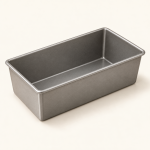
  1. Heat the oven to 340°F. Grease an 8-by-4-inch loaf pan and line it with parchment, leaving a little overhang for lifting. Melt the measured butter and let it cool until just warm.

  2. Whip the yolks with half the sugar until pale and thick. Mix in the lemon zest. In a separate clean bowl, whisk the weighed whites until foamy, then gradually add the remaining sugar and whip to glossy peaks that still bend at the tips.

  3. Fold about one-third of the whites into the yolk mixture to lighten it. Fold in the sifted flour and remaining whites in alternating additions, gently lifting the mixture until no flour pockets remain.

  4. Mix a few spoonfuls of batter with the just-warm melted butter in a separate bowl. Fold that mixture back into the main batter gently until evenly incorporated.

  5. Transfer to the prepared pan without filling above two-thirds full; bake any excess separately rather than overfilling. Bake until golden, the top springs back gently and a skewer inserted into the center comes out without wet batter, starting to check around 40 minutes and continuing as needed.

  6. Cool in the pan for about 10 minutes, then lift onto a rack and cool completely before slicing. Wrap the cooled loaf well. Add any perishable topping only when serving and store that topping according to its own instructions.

Let’s cook

The full recipe.

Check off ingredients as you get them ready.

Changing servings? The ingredient list scales automatically. Adjust quantities named in the steps to match, and choose pans and cooking times for your batch.

Lemon Butter Sponge Loaf

No ratings yet
A buttery lemon loaf lifted with whipped egg whites, with no added baking powder.
Servings: 1 small loaf
Course: Dessert
Cuisine: French-inspired

Some ingredient links are affiliate links. We may earn a commission at no extra cost to you. As an Amazon Associate I earn from qualifying purchases.

Ingredients
  

  • 150 g unsalted butter plus a little to grease the pan
  • 150 g granulated sugar divided equally
  • Three separated raw egg yolks in a clear glass bowl3 large egg yolks
  • 150 g egg whites weighed separately
  • 150 g all-purpose flour sifted
  • 1 lemon finely grated zest only

Equipment images are illustrative. Exact products may vary.

Instructions
 

  1. Heat the oven to 340°F. Grease an 8-by-4-inch loaf pan and line it with parchment, leaving a little overhang for lifting. Melt the measured butter and let it cool until just warm.
  2. Whip the yolks with half the sugar until pale and thick. Mix in the lemon zest. In a separate clean bowl, whisk the weighed whites until foamy, then gradually add the remaining sugar and whip to glossy peaks that still bend at the tips.
  3. Fold about one-third of the whites into the yolk mixture to lighten it. Fold in the sifted flour and remaining whites in alternating additions, gently lifting the mixture until no flour pockets remain.
  4. Mix a few spoonfuls of batter with the just-warm melted butter in a separate bowl. Fold that mixture back into the main batter gently until evenly incorporated.
  5. Transfer to the prepared pan without filling above two-thirds full; bake any excess separately rather than overfilling. Bake until golden, the top springs back gently and a skewer inserted into the center comes out without wet batter, starting to check around 40 minutes and continuing as needed.
  6. Cool in the pan for about 10 minutes, then lift onto a rack and cool completely before slicing. Wrap the cooled loaf well. Add any perishable topping only when serving and store that topping according to its own instructions.

Notes

This version uses lemon zest throughout.
The whipped whites provide the lift; no baking powder is included.
The recipe control represents one small loaf rather than a fixed slice count.
Do not taste raw batter.

Tried this recipe?

Let us know how it was!

A couple of useful answers.

Is there baking powder?

No. This version relies on carefully whipped eggs and gentle folding.

Can I slice it hot?

Let it cool completely so the delicate crumb can settle before slicing.

Keep the good food going

Similar Recipes

Find another recipe to bring to the table.

Almond Joconde Sponge Sheet

Dessert · Pastry

Almond Joconde Sponge Sheet

Whip the two egg mixtures separately, then fold them together with the sifted dry ingredients. Spread the batter evenly so the sheet bakes through without dry edges and a wet center.

Yield
1 small batch
Cuisine
French-inspired

Bring it to the table

Keep the layer thin

Spread the batter about 1/4 inch thick on parchment-lined rimmed baking sheets. Use another sheet if needed rather than making a deep cake.

At the table

Cool and cut for a dessert assembled separately, or serve small pieces with fruit. Any cream or filling needs its own preparation and storage instructions.

Before you start

Gather your ingredients.

Full quantities and serving adjustments are in the recipe card below.

See the ingredient checklist
  • 150 g whole eggs — lightly beaten and weighed without shell
  • 60 g egg yolks
  • 50 g granulated sugar — for the whole-egg mixture
  • 100 g all-purpose flour — sifted
  • 100 g egg whites
  • 20 g granulated sugar — for the meringue
  • 100 g confectioners’ sugar — sifted
  • 100 g almond flour — finely ground, sifted

A few useful notes.

This is a sponge component, without a filling, syrup or assembled cake.

The two granulated sugar amounts belong to different egg mixtures.

The recipe control represents one batch, without a fixed sheet or portion count.

Do not taste raw batter.

The cooking plan

How to make Almond Joconde Sponge Sheet.

  1. Heat the oven to 375°F. Line a large rimmed baking sheet with parchment, preparing a second if needed to keep the batter layer thin.

  2. Whip the whole eggs, yolks and their 50 g granulated sugar until thick, pale and foamy, with a ribbon that remains briefly on the surface. Sift the flour, confectioners’ sugar and almond flour together separately.

  3. In a clean, grease-free bowl, whisk the whites until foamy. Gradually add their 20 g granulated sugar and continue to soft peaks.

  4. Fold a portion of the whites into the whole-egg mixture to lighten it. Fold in the sifted dry ingredients and remaining whites in alternating additions, using gentle strokes and stopping as soon as no dry pockets or white streaks remain.

  5. Spread about 1/4 inch thick on the prepared sheet or sheets. Bake until lightly colored and set, starting to check at 8 minutes and continuing as needed. The center should spring back gently, with no wet batter.

  6. Transfer the parchment and sponge to a rack to cool. Peel away the paper carefully once cool and cut as needed. Wrap well if keeping for later, and refrigerate if combined with a perishable filling.

Let’s cook

The full recipe.

Check off ingredients as you get them ready.

Changing servings? The ingredient list scales automatically. Adjust quantities named in the steps to match, and choose pans and cooking times for your batch.

Almond Joconde Sponge Sheet

No ratings yet
A thin almond sponge sheet made with whole eggs, extra yolks and a separately whipped meringue.
Servings: 1 small batch
Course: Dessert, Pastry
Cuisine: French-inspired

Some ingredient links are affiliate links. We may earn a commission at no extra cost to you. As an Amazon Associate I earn from qualifying purchases.

Ingredients
  

  • 150 g whole eggs lightly beaten and weighed without shell
  • Three separated raw egg yolks in a clear glass bowl60 g egg yolks
  • 50 g granulated sugar for the whole-egg mixture
  • 100 g all-purpose flour sifted
  • 100 g egg whites
  • 20 g granulated sugar for the meringue
  • Fine white powdered confectioners sugar in a prep bowl100 g confectioners’ sugar sifted
  •  
    100 g almond flour finely ground, sifted

Equipment images are illustrative. Exact products may vary.

Instructions
 

  1. Heat the oven to 375°F. Line a large rimmed baking sheet with parchment, preparing a second if needed to keep the batter layer thin.
  2. Whip the whole eggs, yolks and their 50 g granulated sugar until thick, pale and foamy, with a ribbon that remains briefly on the surface. Sift the flour, confectioners’ sugar and almond flour together separately.
  3. In a clean, grease-free bowl, whisk the whites until foamy. Gradually add their 20 g granulated sugar and continue to soft peaks.
  4. Fold a portion of the whites into the whole-egg mixture to lighten it. Fold in the sifted dry ingredients and remaining whites in alternating additions, using gentle strokes and stopping as soon as no dry pockets or white streaks remain.
  5. Spread about 1/4 inch thick on the prepared sheet or sheets. Bake until lightly colored and set, starting to check at 8 minutes and continuing as needed. The center should spring back gently, with no wet batter.
  6. Transfer the parchment and sponge to a rack to cool. Peel away the paper carefully once cool and cut as needed. Wrap well if keeping for later, and refrigerate if combined with a perishable filling.

Notes

This is a sponge component, without a filling, syrup or assembled cake.
The two granulated sugar amounts belong to different egg mixtures.
The recipe control represents one batch, without a fixed sheet or portion count.
Do not taste raw batter.

Tried this recipe?

Let us know how it was!

A couple of useful answers.

Can I bake it as a deep cake?

These instructions are for a thin sponge sheet about 1/4 inch thick; a deep cake needs a different baking assessment.

Why whip the whites separately?

The meringue adds air that needs to be preserved with gentle folding.

Keep the good food going

Similar Recipes

Find another recipe to bring to the table.

Lemon-Vanilla Ricotta Mousse

Dessert

Lemon-Vanilla Ricotta Mousse

This mousse combines a whipped yolk-and-syrup base with smooth cheese and cream. Weigh the dry gelatin and use the specified strength, then chill the finished mousse thoroughly before serving.

Yield
1 small batch
Cuisine
French-inspired

Bring it to the table

Weigh the gelatin before soaking

Use 5 g of dry 200-Bloom gold gelatin sheets for the base batch. Sheet sizes and strengths vary, so a sheet count alone is not a reliable measurement.

At the table

Spoon into small dessert glasses and serve chilled. Add any fresh fruit or garnish separately just before serving.

Before you start

Gather your ingredients.

Full quantities and serving adjustments are in the recipe card below.

See the ingredient checklist
  • 125 g sour cream — made with pasteurized milk
  • 125 g ricotta — made with pasteurized milk
  • 1/4 vanilla bean — seeds scraped
  • 40 g pasteurized egg yolks — weighed; do not substitute unpasteurized raw yolks
  • 75 g granulated sugar
  • 15 g water — for the sugar syrup
  • 5 g 200-Bloom gold gelatin sheets — dry weight before soaking
  • 3/4 lemon — finely grated zest only
  • 250 g heavy whipping cream — cold, made with pasteurized milk

A few useful notes.

This version uses ricotta and sour cream, not fromage blanc.

Use the specified dry gelatin weight and 200-Bloom strength. Do not replace it sheet-for-sheet with a different grade.

Pasteurized yolks are required because the syrup does not establish a measured cooking temperature throughout the mousse.

The recipe control represents one small batch; finished volume depends on whipping.

Chill rather than freeze for this version.

The cooking plan

How to make Lemon-Vanilla Ricotta Mousse.

  1. Set out the ricotta and sour cream briefly while preparing the other components, so they are cool rather than refrigerator-cold when the gelatin is incorporated. Whisk together until smooth, pressing the ricotta through a fine sieve first if grainy. Keep the cream cold. Keep the combined preparation time out of refrigeration under 2 hours.

  2. Separate the gelatin sheets and soak in plenty of cold water for 5–10 minutes, until fully soft and pliable. Meanwhile, whip the cold cream to soft peaks and refrigerate it.

  3. Put the pasteurized yolks in a heatproof bowl and begin whipping with a hand mixer. In a small saucepan, dissolve the sugar in the measured syrup water, then boil without stirring until a candy thermometer reads 248°F.

  4. With the mixer running, carefully pour the hot syrup in a thin stream down the side of the yolk bowl, keeping it away from the spinning beaters. Continue whipping until pale and fluffy, then mix in the vanilla seeds. The yolks must be pasteurized; the hot syrup is not a substitute for pasteurization.

  5. Lift the softened gelatin from the soaking water and squeeze gently to remove excess water. Gently warm a few spoonfuls of the cheese mixture over a bowl of warm water until just warm, then stir in the gelatin until completely dissolved, without boiling. Gradually whisk in the remaining smooth cheese mixture, followed by the lemon zest. Work promptly so the gelatin does not begin setting in streaks.

  6. Fold the whipped yolk mixture into the cheese mixture, then fold in the softly whipped cream in two additions. Divide among small dessert glasses, cover and refrigerate at 40°F or below for at least 8 hours, until set.

  7. Serve cold and use within 2 days. Keep refrigerated until serving, and discard mousse left at room temperature for more than 2 hours.

Let’s cook

The full recipe.

Check off ingredients as you get them ready.

Changing servings? The ingredient list scales automatically. Adjust quantities named in the steps to match, and choose pans and cooking times for your batch.

Lemon-Vanilla Ricotta Mousse

No ratings yet
A chilled ricotta and sour-cream mousse with vanilla, lemon zest and softly whipped cream.
Servings: 1 small batch
Course: Dessert
Cuisine: French-inspired

Some ingredient links are affiliate links. We may earn a commission at no extra cost to you. As an Amazon Associate I earn from qualifying purchases.

Ingredients
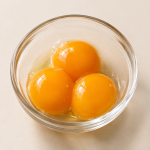
  

  • 125 g sour cream made with pasteurized milk
  •  
    125 g ricotta made with pasteurized milk
  •  
    ¼ vanilla bean seeds scraped
  •  
    40 g pasteurized egg yolks weighed; do not substitute unpasteurized raw yolks
  • 75 g granulated sugar
  • 15 g water for the sugar syrup
  •  
    5 g 200-Bloom gold gelatin sheets dry weight before soaking
  • ¾ lemon finely grated zest only
  •  
    250 g heavy whipping cream cold, made with pasteurized milk

Equipment images are illustrative. Exact products may vary.

Instructions
 

  1. Set out the ricotta and sour cream briefly while preparing the other components, so they are cool rather than refrigerator-cold when the gelatin is incorporated. Whisk together until smooth, pressing the ricotta through a fine sieve first if grainy. Keep the cream cold. Keep the combined preparation time out of refrigeration under 2 hours.
  2. Separate the gelatin sheets and soak in plenty of cold water for 5–10 minutes, until fully soft and pliable. Meanwhile, whip the cold cream to soft peaks and refrigerate it.
  3. Put the pasteurized yolks in a heatproof bowl and begin whipping with a hand mixer. In a small saucepan, dissolve the sugar in the measured syrup water, then boil without stirring until a candy thermometer reads 248°F.
  4. With the mixer running, carefully pour the hot syrup in a thin stream down the side of the yolk bowl, keeping it away from the spinning beaters. Continue whipping until pale and fluffy, then mix in the vanilla seeds. The yolks must be pasteurized; the hot syrup is not a substitute for pasteurization.
  5. Lift the softened gelatin from the soaking water and squeeze gently to remove excess water. Gently warm a few spoonfuls of the cheese mixture over a bowl of warm water until just warm, then stir in the gelatin until completely dissolved, without boiling. Gradually whisk in the remaining smooth cheese mixture, followed by the lemon zest. Work promptly so the gelatin does not begin setting in streaks.
  6. Fold the whipped yolk mixture into the cheese mixture, then fold in the softly whipped cream in two additions. Divide among small dessert glasses, cover and refrigerate at 40°F or below for at least 8 hours, until set.
  7. Serve cold and use within 2 days. Keep refrigerated until serving, and discard mousse left at room temperature for more than 2 hours.

Notes

This version uses ricotta and sour cream, not fromage blanc.
Use the specified dry gelatin weight and 200-Bloom strength. Do not replace it sheet-for-sheet with a different grade.
Pasteurized yolks are required because the syrup does not establish a measured cooking temperature throughout the mousse.
The recipe control represents one small batch; finished volume depends on whipping.
Chill rather than freeze for this version.

Tried this recipe?

Let us know how it was!

A couple of useful answers.

Can I count gelatin sheets instead of weighing?

Weigh 5 g dry for the base batch and check that the package states 200 Bloom. Sheet weights and grades differ.

Why do I need pasteurized yolks?

The syrup is hot, but the method does not verify that every part of the yolk mixture reaches a safe cooking temperature. Use pasteurized yolks.

Keep the good food going

Similar Recipes

Find another recipe to bring to the table.

Brown Butter and Orange Crêpes

Breakfast · Dessert

Brown Butter and Orange Crêpes

Blend the batter smooth, let it rest in the refrigerator, then swirl a thin layer around a warm skillet. Brown both sides and stack the cooked crêpes under a clean cover to keep them pliable.

Yield
1 small batch
Cuisine
French-inspired

Bring it to the table

Cook a test crêpe first

Use the first crêpe to adjust the pan temperature and batter thickness. It should spread in a thin layer when you tilt the pan.

At the table

Serve with a separate cooked fruit topping, jam or another filling of your choice. Add perishable fillings only when ready to serve.

Before you start

Gather your ingredients.

Full quantities and serving adjustments are in the recipe card below.

See the ingredient checklist
  • 125 g all-purpose flour
  • 40 g neutral vegetable oil
  • 20 g granulated sugar
  • 10 g invert sugar syrup — baking invert sugar, such as Trimoline
  • 40 g unsalted butter — weight before browning
  • 3 large eggs
  • 1/2 orange — finely grated zest only; avoid the white pith
  • 375 ml whole milk — divided; plus a little only if needed to thin after resting
  • butter — a small amount for the pan as needed

A few useful notes.

The recipe control represents one small batch; the number of crêpes depends on pan size and thickness.

This orange-zest version contains no added liqueur.

The filling and orange butter are separate preparations and are not included here.

Do not taste raw batter.

The cooking plan

How to make Brown Butter and Orange Crêpes.

  1. Put the measured butter in a small light-colored pan over medium heat. Cook, stirring and watching closely, until the milk solids turn golden brown and smell nutty. Immediately pour into a heatproof bowl, including the browned solids, and let cool until just warm.

  2. Combine the flour, oil, granulated sugar, invert sugar, eggs, orange zest, browned butter and about one-third of the measured milk. Whisk or briefly blend until smooth. Gradually mix in the remaining measured milk.

  3. Cover and rest the batter in the refrigerator for about 1 hour. Stir before cooking. If it has become too thick to swirl into a thin layer, add a little extra milk gradually.

  4. Heat an 8- to 10-inch nonstick skillet over medium heat. Lightly butter the surface, wiping away excess carefully. Pour in just enough batter to coat the pan thinly as you lift and tilt it.

  5. Cook until the surface is set, the underside is lightly golden and the edges lift. Turn carefully and cook the second side until set and lightly colored, with no wet batter remaining. Adjust the heat and amount of batter after the first crêpe.

  6. Stack the cooked crêpes on a plate under a clean cover while finishing the batch. Serve promptly with a filling prepared separately. Cool leftovers in shallow portions and refrigerate within 2 hours at 40°F or below; use within 3–4 days.

Let’s cook

The full recipe.

Check off ingredients as you get them ready.

Changing servings? The ingredient list scales automatically. Adjust quantities named in the steps to match, and choose pans and cooking times for your batch.

Brown Butter and Orange Crêpes

No ratings yet
Thin, rich crêpes with browned butter and finely grated orange zest, ready for a separately prepared filling.
Servings: 1 small batch
Course: Breakfast, Dessert
Cuisine: French-inspired

Some ingredient links are affiliate links. We may earn a commission at no extra cost to you. As an Amazon Associate I earn from qualifying purchases.

Ingredients

  

  • 125 g all-purpose flour
  •  
    40 g neutral vegetable oil
  • 20 g granulated sugar
  •  
    10 g invert sugar syrup baking invert sugar, such as Trimoline
  • 40 g unsalted butter weight before browning
  • 3 large eggs
  •  
    ½ orange finely grated zest only; avoid the white pith
  • 375 ml whole milk divided; plus a little only if needed to thin after resting
  • butter a small amount for the pan as needed

Equipment images are illustrative. Exact products may vary.

Instructions
 

  1. Put the measured butter in a small light-colored pan over medium heat. Cook, stirring and watching closely, until the milk solids turn golden brown and smell nutty. Immediately pour into a heatproof bowl, including the browned solids, and let cool until just warm.
  2. Combine the flour, oil, granulated sugar, invert sugar, eggs, orange zest, browned butter and about one-third of the measured milk. Whisk or briefly blend until smooth. Gradually mix in the remaining measured milk.
  3. Cover and rest the batter in the refrigerator for about 1 hour. Stir before cooking. If it has become too thick to swirl into a thin layer, add a little extra milk gradually.
  4. Heat an 8- to 10-inch nonstick skillet over medium heat. Lightly butter the surface, wiping away excess carefully. Pour in just enough batter to coat the pan thinly as you lift and tilt it.
  5. Cook until the surface is set, the underside is lightly golden and the edges lift. Turn carefully and cook the second side until set and lightly colored, with no wet batter remaining. Adjust the heat and amount of batter after the first crêpe.
  6. Stack the cooked crêpes on a plate under a clean cover while finishing the batch. Serve promptly with a filling prepared separately. Cool leftovers in shallow portions and refrigerate within 2 hours at 40°F or below; use within 3–4 days.

Notes

The recipe control represents one small batch; the number of crêpes depends on pan size and thickness.
This orange-zest version contains no added liqueur.
The filling and orange butter are separate preparations and are not included here.
Do not taste raw batter.

Tried this recipe?

Let us know how it was!

A couple of useful answers.

How thin should the batter be?

It should run around the tilted pan in a thin layer. Rest and stir it first, then add a little extra milk only if needed.

Does this include Grand Marnier cream?

No. This page is the orange-zest crêpe base, with any filling prepared separately.

Keep the good food going

Similar Recipes

Find another recipe to bring to the table.

Butter-Sautéed Speculoos Apples

Dessert · Garnish

Butter-Sautéed Speculoos Apples

Keep the apple pieces a similar size and cook them until tender, with enough bite to hold their shape. Their natural sweetness is the starting point; this topping has no added sugar.

Yield
4 topping portions
Cuisine
French-inspired

Bring it to the table

Use a wide pan

Give the diced fruit space in the pan. If the pan is crowded, cook in two batches so you can stir the apples without crushing them.

At the table

Spoon warm or cooled apples over a separately prepared crêpe, yogurt or dessert. This page makes the apple topping only.

Before you start

Gather your ingredients.

Full quantities and serving adjustments are in the recipe card below.

See the ingredient checklist
  • 500 g apples — Golden Delicious or Fuji; peeled, cored and diced, prepared weight
  • 1 tbsp lemon juice
  • 50 g unsalted butter
  • 1.5 g speculoos spice blend — a ground baking-spice blend, not cookie butter

A few useful notes.

Four topping portions are a serving suggestion rather than a measured finished yield.

Use a ground speculoos baking-spice blend; individual brands vary in flavor.

This is not a complete tart recipe and includes no crust or pecan topping.

The cooking plan

How to make Butter-Sautéed Speculoos Apples.

  1. Peel and core the apples, then dice into even pieces about 1/2 inch across. Weigh the prepared fruit and toss with the lemon juice and speculoos spice blend.

  2. Melt the butter in a wide skillet over medium heat. Add the apples and cook, stirring gently and adjusting the heat so the butter does not burn.

  3. Continue until the apples are tender and any loose juices have reduced, checking a piece for doneness. Stop before the fruit breaks down into a puree.

  4. Serve warm, or transfer to a shallow container to cool and refrigerate within 2 hours. Keep covered at 40°F or below and use within 3–4 days.

Let’s cook

The full recipe.

Check off ingredients as you get them ready.

Changing servings? The ingredient list scales automatically. Adjust quantities named in the steps to match, and choose pans and cooking times for your batch.

Butter-Sautéed Speculoos Apples

No ratings yet
Diced apples sautéed in butter with lemon juice and a warm speculoos spice blend.
Servings: 4 topping portions
Course: Dessert, Garnish
Cuisine: French-inspired

Some ingredient links are affiliate links. We may earn a commission at no extra cost to you. As an Amazon Associate I earn from qualifying purchases.

Ingredients
  

  •  
    500 g apples Golden Delicious or Fuji; peeled, cored and diced, prepared weight
  • 1 tbsp lemon juice
  • 50 g unsalted butter
  •  
    1.5 g speculoos spice blend a ground baking-spice blend, not cookie butter

Equipment images are illustrative. Exact products may vary.

Instructions
 

  1. Peel and core the apples, then dice into even pieces about 1/2 inch across. Weigh the prepared fruit and toss with the lemon juice and speculoos spice blend.
  2. Melt the butter in a wide skillet over medium heat. Add the apples and cook, stirring gently and adjusting the heat so the butter does not burn.
  3. Continue until the apples are tender and any loose juices have reduced, checking a piece for doneness. Stop before the fruit breaks down into a puree.
  4. Serve warm, or transfer to a shallow container to cool and refrigerate within 2 hours. Keep covered at 40°F or below and use within 3–4 days.

Notes

Four topping portions are a serving suggestion rather than a measured finished yield.
Use a ground speculoos baking-spice blend; individual brands vary in flavor.
This is not a complete tart recipe and includes no crust or pecan topping.

Tried this recipe?

Let us know how it was!

A couple of useful answers.

Which apples work here?

Golden Delicious and Fuji are suitable choices from the recipe; dice evenly and stop cooking while the pieces still hold their shape.

Is this a finished apple tart?

No. It is the cooked apple component, ready to pair with a separate complete dessert recipe.

Keep the good food going

Similar Recipes

Find another recipe to bring to the table.

Choux Puffs for Profiteroles

Pastry · Dessert

Choux Puffs for Profiteroles

Cook the flour mixture on the stove, cool it briefly and beat in the eggs gradually. Bake the piped mounds until the shells are well set and dry inside.

Yield
1 small batch
Cuisine
French-inspired

Bring it to the table

Add egg by texture

Beat the eggs before weighing. Add gradually until the paste is smooth and glossy and falls from a spatula in a thick ribbon; stop before it becomes runny.

At the table

Cool the shells completely before adding a filling prepared separately. The linked chocolate sauce and almonds can be used to finish a dessert.

Base recipe: Cocoa-Cream Chocolate Sauce, Syrup-Roasted Candied Almonds

Before you start

Gather your ingredients.

Full quantities and serving adjustments are in the recipe card below.

See the ingredient checklist
  • 62.5 g whole milk
  • 75 g water
  • 53 g unsalted butter
  • 2.5 g granulated sugar
  • 2.5 g salt
  • 69 g all-purpose flour — sifted
  • 125 g whole eggs — lightly beaten; add gradually and use only as needed for the texture

A few useful notes.

This recipe makes unfilled shells, not a complete ice-cream-filled profiterole dessert.

The number of shells depends on the piping size.

Fill only when the shells are completely cool. Store fillings according to their own recipes and refrigerate filled pastries when the filling requires it.

The cooking plan

How to make Choux Puffs for Profiteroles.

  1. Heat the oven to 400°F and line a baking sheet with parchment. Bring the milk, water, butter, sugar and salt to a simmer in a saucepan, making sure the butter has melted.

  2. Add the flour all at once and stir vigorously. Cook over medium heat for about 3–6 minutes, stirring, until the paste is smooth and pulls together with a cooked rather than raw-flour smell.

  3. Transfer to a mixing bowl and stir to release steam. Let cool below 125°F before adding egg. Beat in the weighed egg gradually, scraping the bowl, until the paste is smooth and glossy and falls in a thick ribbon. You may not need the last small amount.

  4. Pipe small, evenly sized mounds about 1 1/2 inches across onto the prepared sheet, leaving room to expand. Smooth sharp tips with a lightly dampened finger.

  5. Bake at 400°F for 10 minutes, then lower the oven to 350°F without opening the door. Continue until puffed, deeply golden and firm, starting to check after about 20 more minutes and continuing as needed for size. Do not stop while the shells are pale or soft.

  6. Carefully make a small slit in each shell to release steam, then return to the oven for about 5 minutes to dry. Cool on a rack. Split a cooled test puff to check that the interior is dry rather than wet dough before filling.

Let’s cook

The full recipe.

Check off ingredients as you get them ready.

Changing servings? The ingredient list scales automatically. Adjust quantities named in the steps to match, and choose pans and cooking times for your batch.

Choux Puffs for Profiteroles

No ratings yet
Unfilled choux pastry puffs baked until golden and dry, ready for a separately prepared filling.
Servings: 1 small batch
Course: Dessert, Pastry
Cuisine: French-inspired

Some ingredient links are affiliate links. We may earn a commission at no extra cost to you. As an Amazon Associate I earn from qualifying purchases.

Ingredients

  

  • 62.5 g whole milk
  • 75 g water
  • 53 g unsalted butter
  • 2.5 g granulated sugar
  • 2.5 g salt
  • 69 g all-purpose flour sifted
  • 125 g whole eggs lightly beaten; add gradually and use only as needed for the texture

Equipment images are illustrative. Exact products may vary.

Instructions
 

  1. Heat the oven to 400°F and line a baking sheet with parchment. Bring the milk, water, butter, sugar and salt to a simmer in a saucepan, making sure the butter has melted.
  2. Add the flour all at once and stir vigorously. Cook over medium heat for about 3–6 minutes, stirring, until the paste is smooth and pulls together with a cooked rather than raw-flour smell.
  3. Transfer to a mixing bowl and stir to release steam. Let cool below 125°F before adding egg. Beat in the weighed egg gradually, scraping the bowl, until the paste is smooth and glossy and falls in a thick ribbon. You may not need the last small amount.
  4. Pipe small, evenly sized mounds about 1 1/2 inches across onto the prepared sheet, leaving room to expand. Smooth sharp tips with a lightly dampened finger.
  5. Bake at 400°F for 10 minutes, then lower the oven to 350°F without opening the door. Continue until puffed, deeply golden and firm, starting to check after about 20 more minutes and continuing as needed for size. Do not stop while the shells are pale or soft.
  6. Carefully make a small slit in each shell to release steam, then return to the oven for about 5 minutes to dry. Cool on a rack. Split a cooled test puff to check that the interior is dry rather than wet dough before filling.

Notes

This recipe makes unfilled shells, not a complete ice-cream-filled profiterole dessert.
The number of shells depends on the piping size.
Fill only when the shells are completely cool. Store fillings according to their own recipes and refrigerate filled pastries when the filling requires it.
Base recipe: Cocoa-Cream Chocolate Sauce
Base recipe: Syrup-Roasted Candied Almonds

Tried this recipe?

Let us know how it was!

A couple of useful answers.

Do I have to add every gram of egg?

Add gradually and stop at the thick, glossy ribbon texture rather than thinning the paste until runny.

Why slit the baked shells?

It lets steam escape so the inside can dry before cooling and filling.

Keep the good food going

Similar Recipes

Find another recipe to bring to the table.