
Dessert
Lemon-Vanilla Ricotta Mousse
This mousse combines a whipped yolk-and-syrup base with smooth cheese and cream. Weigh the dry gelatin and use the specified strength, then chill the finished mousse thoroughly before serving.
- Yield
- 1 small batch
- Cuisine
- French-inspired
Bring it to the table
Weigh the gelatin before soaking
Use 5 g of dry 200-Bloom gold gelatin sheets for the base batch. Sheet sizes and strengths vary, so a sheet count alone is not a reliable measurement.
At the table
Spoon into small dessert glasses and serve chilled. Add any fresh fruit or garnish separately just before serving.
Before you start
Gather your ingredients.
Full quantities and serving adjustments are in the recipe card below.
See the ingredient checklist
- 125 g sour cream — made with pasteurized milk
- 125 g ricotta — made with pasteurized milk
- 1/4 vanilla bean — seeds scraped
- 40 g pasteurized egg yolks — weighed; do not substitute unpasteurized raw yolks
- 75 g granulated sugar
- 15 g water — for the sugar syrup
- 5 g 200-Bloom gold gelatin sheets — dry weight before soaking
- 3/4 lemon — finely grated zest only
- 250 g heavy whipping cream — cold, made with pasteurized milk
A few useful notes.
This version uses ricotta and sour cream, not fromage blanc.
Use the specified dry gelatin weight and 200-Bloom strength. Do not replace it sheet-for-sheet with a different grade.
Pasteurized yolks are required because the syrup does not establish a measured cooking temperature throughout the mousse.
The recipe control represents one small batch; finished volume depends on whipping.
Chill rather than freeze for this version.
The cooking plan
How to make Lemon-Vanilla Ricotta Mousse.
Set out the ricotta and sour cream briefly while preparing the other components, so they are cool rather than refrigerator-cold when the gelatin is incorporated. Whisk together until smooth, pressing the ricotta through a fine sieve first if grainy. Keep the cream cold. Keep the combined preparation time out of refrigeration under 2 hours.
Separate the gelatin sheets and soak in plenty of cold water for 5–10 minutes, until fully soft and pliable. Meanwhile, whip the cold cream to soft peaks and refrigerate it.
Put the pasteurized yolks in a heatproof bowl and begin whipping with a hand mixer. In a small saucepan, dissolve the sugar in the measured syrup water, then boil without stirring until a candy thermometer reads 248°F.
With the mixer running, carefully pour the hot syrup in a thin stream down the side of the yolk bowl, keeping it away from the spinning beaters. Continue whipping until pale and fluffy, then mix in the vanilla seeds. The yolks must be pasteurized; the hot syrup is not a substitute for pasteurization.
Lift the softened gelatin from the soaking water and squeeze gently to remove excess water. Gently warm a few spoonfuls of the cheese mixture over a bowl of warm water until just warm, then stir in the gelatin until completely dissolved, without boiling. Gradually whisk in the remaining smooth cheese mixture, followed by the lemon zest. Work promptly so the gelatin does not begin setting in streaks.
Fold the whipped yolk mixture into the cheese mixture, then fold in the softly whipped cream in two additions. Divide among small dessert glasses, cover and refrigerate at 40°F or below for at least 8 hours, until set.
Serve cold and use within 2 days. Keep refrigerated until serving, and discard mousse left at room temperature for more than 2 hours.
Let’s cook
The full recipe.
Check off ingredients as you get them ready.
Changing servings? The ingredient list scales automatically. Adjust quantities named in the steps to match, and choose pans and cooking times for your batch.
Lemon-Vanilla Ricotta Mousse
Some ingredient links are affiliate links. We may earn a commission at no extra cost to you. As an Amazon Associate I earn from qualifying purchases.
Ingredients
 125 g sour cream made with pasteurized milk
- 125 g ricotta made with pasteurized milk
- ¼ vanilla bean seeds scraped
- 40 g pasteurized egg yolks weighed; do not substitute unpasteurized raw yolks
- 75 g granulated sugar
- 15 g water for the sugar syrup
- 5 g 200-Bloom gold gelatin sheets dry weight before soaking
- ¾ lemon finely grated zest only
- 250 g heavy whipping cream cold, made with pasteurized milk






Equipment
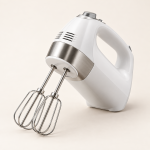
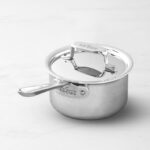

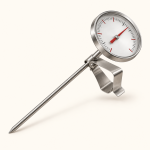
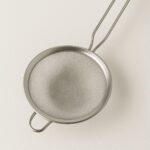
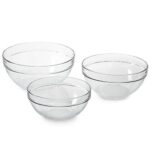
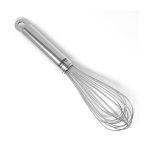


Equipment images are illustrative. Exact products may vary.
Instructions
- Set out the ricotta and sour cream briefly while preparing the other components, so they are cool rather than refrigerator-cold when the gelatin is incorporated. Whisk together until smooth, pressing the ricotta through a fine sieve first if grainy. Keep the cream cold. Keep the combined preparation time out of refrigeration under 2 hours.
- Separate the gelatin sheets and soak in plenty of cold water for 5–10 minutes, until fully soft and pliable. Meanwhile, whip the cold cream to soft peaks and refrigerate it.
- Put the pasteurized yolks in a heatproof bowl and begin whipping with a hand mixer. In a small saucepan, dissolve the sugar in the measured syrup water, then boil without stirring until a candy thermometer reads 248°F.
- With the mixer running, carefully pour the hot syrup in a thin stream down the side of the yolk bowl, keeping it away from the spinning beaters. Continue whipping until pale and fluffy, then mix in the vanilla seeds. The yolks must be pasteurized; the hot syrup is not a substitute for pasteurization.
- Lift the softened gelatin from the soaking water and squeeze gently to remove excess water. Gently warm a few spoonfuls of the cheese mixture over a bowl of warm water until just warm, then stir in the gelatin until completely dissolved, without boiling. Gradually whisk in the remaining smooth cheese mixture, followed by the lemon zest. Work promptly so the gelatin does not begin setting in streaks.
- Fold the whipped yolk mixture into the cheese mixture, then fold in the softly whipped cream in two additions. Divide among small dessert glasses, cover and refrigerate at 40°F or below for at least 8 hours, until set.
- Serve cold and use within 2 days. Keep refrigerated until serving, and discard mousse left at room temperature for more than 2 hours.
Notes
Tried this recipe?
Let us know how it was!A couple of useful answers.
Can I count gelatin sheets instead of weighing?
Weigh 5 g dry for the base batch and check that the package states 200 Bloom. Sheet weights and grades differ.
Why do I need pasteurized yolks?
The syrup is hot, but the method does not verify that every part of the yolk mixture reaches a safe cooking temperature. Use pasteurized yolks.
Keep the good food going
Similar Recipes
Find another recipe to bring to the table.