Spinach Recipes

Spinach Recipes

[digr_post_grid posts_number=”24″ post_display=”by_category” include_categories=”1485″ show_pagination=”on” use_number_pagination=”on” use_post_excerpt=”on” excerpt_length=”60″ show_readmore=”on” show_date=”on” show_categories=”off” enable_divider=”on” grid_column=”4″ enable_grid_row=”on” grid_row=”2″ _builder_version=”4.27.4″ _module_preset=”default” global_colors_info=”{}”][/digr_post_grid]

About Spinach

Spinach is a true nutritional powerhouse and a versatile ingredient that deserves a place in every kitchen. Here’s why it’s so good to use in your recipes:  

Nutritional Benefits:

  • Vitamins and Minerals: Spinach is packed with vitamins A, C, and K, as well as folate, iron, and magnesium. It’s a nutritional superstar that can boost your overall health.
  • Antioxidants: Spinach is rich in antioxidants, which help protect your cells from damage and may reduce the risk of chronic diseases.
  • Low in Calories: It’s naturally low in calories and fat, making it a healthy addition to any diet. 

Culinary Versatility:

  • Salads: Spinach adds a fresh and slightly sweet flavor to salads. Its tender leaves are a great base for a variety of toppings.  
  • Smoothies: Blend spinach into smoothies for a nutritional boost without a strong flavor. It’s a great way to sneak in extra greens.  
  • Side Dishes: Sautéed spinach with garlic and lemon juice is a classic side dish that’s quick and easy to make.   
  • Soups and Stews: Add spinach to soups and stews for extra nutrients and a vibrant green color.  
  • Pasta Dishes: Spinach pairs well with pasta in dishes like lasagna, ravioli filling, or simply tossed with garlic and oil. 
  • Egg Dishes: Add spinach to omelets, frittatas, and quiches for a healthy and flavorful boost.  
  • Casseroles: Spinach is a great addition to casseroles, adding both flavor and nutrition.  

Cooking Tips:

  • Don’t Overcook: Spinach wilts quickly, so cook it just until tender to prevent it from becoming mushy.  
  • Pair with Strong Flavors: Spinach has a mild flavor, so it pairs well with stronger ingredients like garlic, lemon juice, cheese, and spices.
  • Raw or Cooked: Enjoy spinach raw in salads or cooked in a variety of dishes.  

Whether you’re looking to boost your nutrient intake or add a fresh and flavorful element to your meals, spinach is a versatile and delicious ingredient that deserves a place in your kitchen.

Please follow and like us:
onpost_follow
fb-share-icon197
Tweet120
Pinterest20
Share 20
submit to reddit

Explore Our Most Popular Sections with These Quick Links

Holidays & Occasions

Coconut Curry Salmon

Coconut Curry Salmon

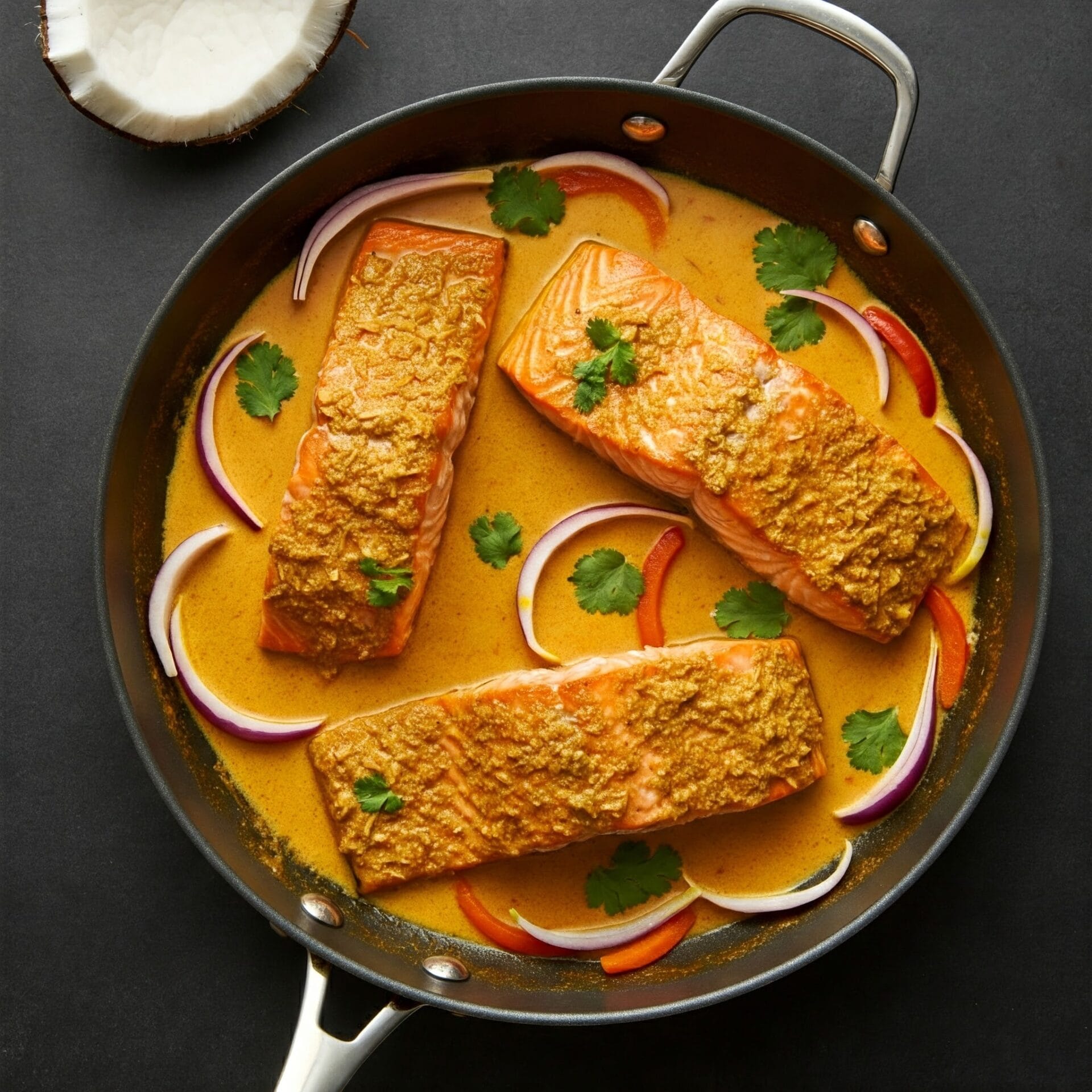
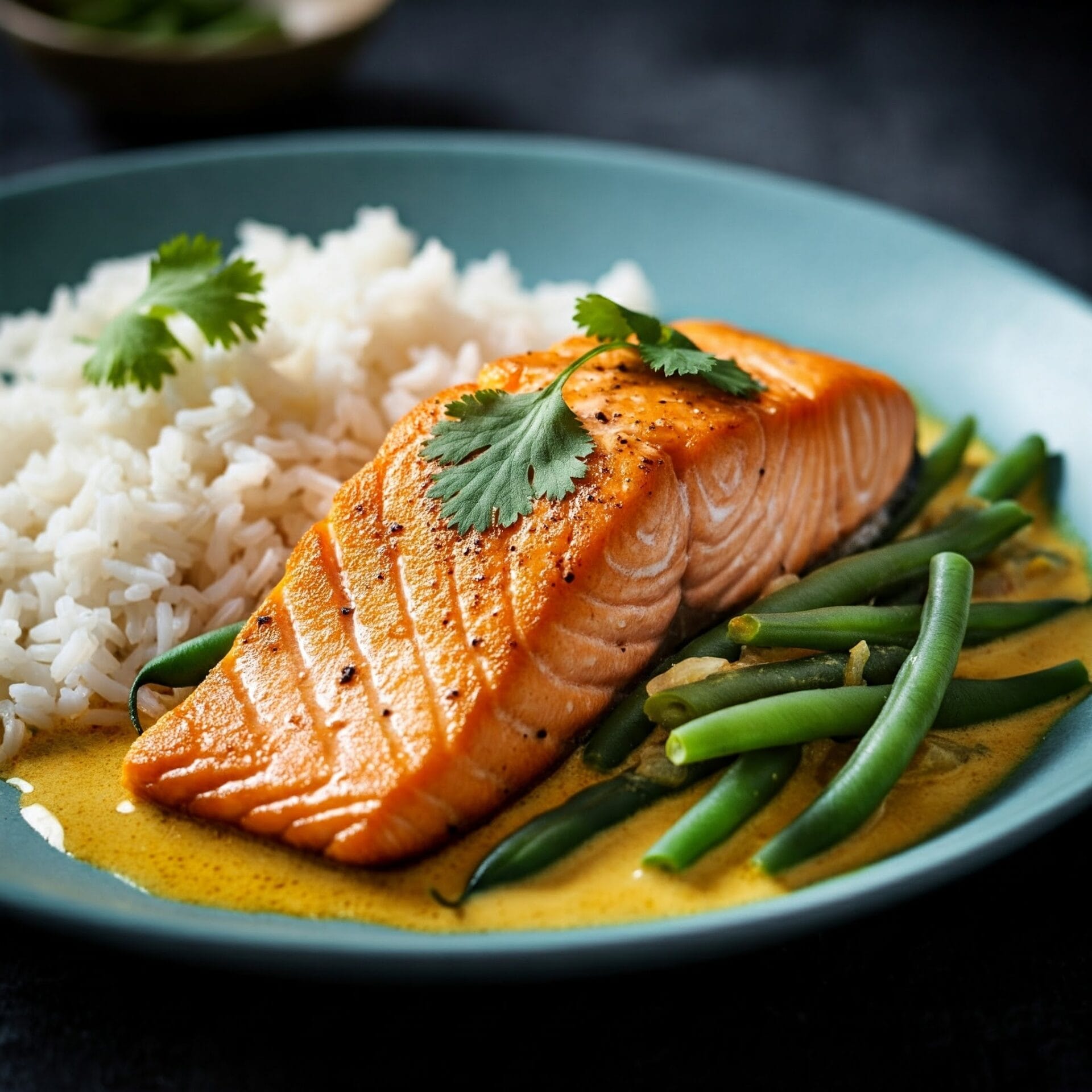
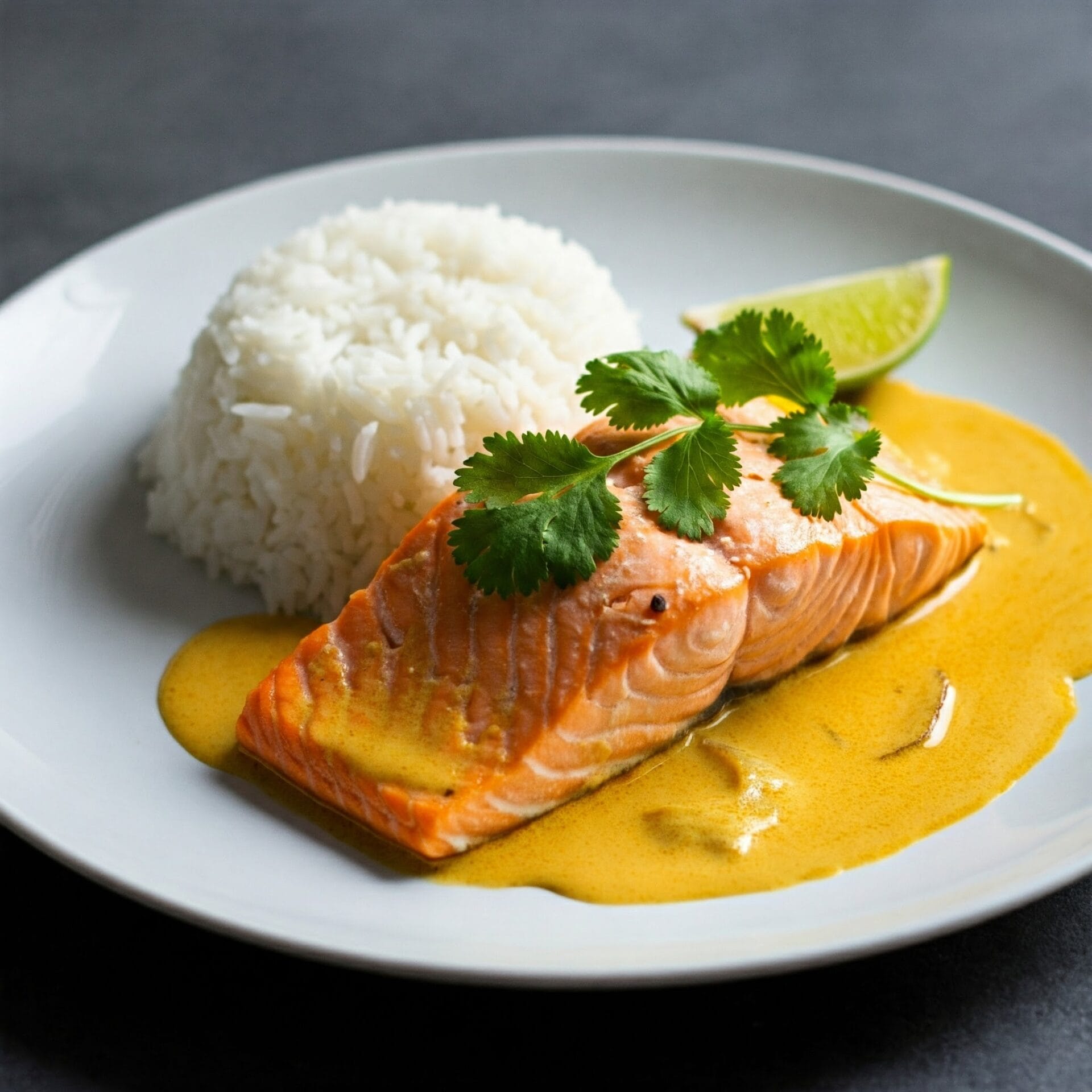
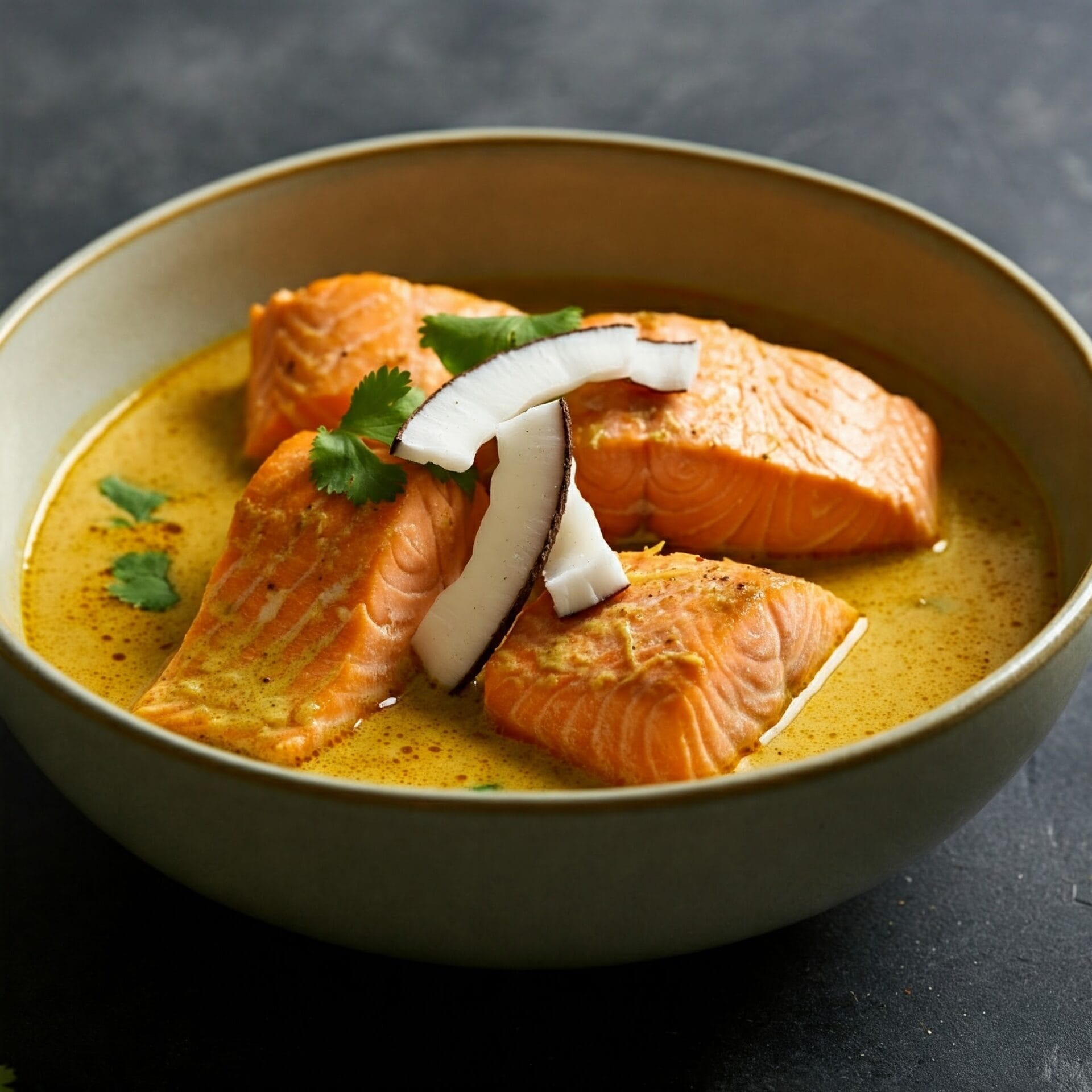
Dive into bold, vibrant flavor with this Coconut Curry Salmon—a dish that brings together tender, flaky salmon and a luxuriously creamy coconut curry sauce. Infused with warming spices, fresh ginger, garlic, and a touch of lime, each bite is layered with savory depth and gentle heat. The richness of the coconut milk balances perfectly with the natural richness of the salmon, creating a dish that’s both comforting and exotic. Served over rice or with warm naan, it’s a restaurant-worthy meal that comes together effortlessly in your own kitchen.

Coconut Curry Salmon

No ratings yet
Coconut curry salmon is a vibrant dish where tender salmon fillets are immersed in a rich and fragrant curry sauce. This sauce, typically made with creamy coconut milk, is infused with a medley of aromatic spices. Common additions include ginger, garlic, and chili, providing warmth and depth. The salmon is often pan-seared to achieve a slightly crispy exterior while maintaining a moist and flaky interior. It then simmers in the curry sauce, absorbing the complex flavors. This dish is typically served with fluffy rice, which acts as the perfect vehicle for soaking up the luscious sauce. Garnishes like fresh cilantro, lime wedges, and chopped peanuts add brightness and texture, completing this flavorful and satisfying meal.
Prep Time 10 minutes
Cook Time 30 minutes
Servings: 6 people
Course: Dinner, Lunch, Main Course
Cuisine: Southeast Asian, Thai
Calories: 267

Ingredients
  

  •  
    16 oz Salmon filets
  • 1 Kosher Salt
  • 1 Ground Black Pepper (freshly ground)
  • 1 Tbsp Vegetable oil
  • 1 Shallot thinly sliced
  •  
    1 Tbsp Red curry paste
  • 2 Cloves Garlic minced
  •  
    1 tsp Ginger, Fresh minced
  •  
    14 oz Coconut milk canned
  • 1 Tbsp Sriracha
  •  
    1 Tbsp Fish sauce
  •  
    1 Rice pre cooked
  • 1 Lime Cut into wedges
  • 1 Fresh Cilantro chopped

Method
 

  1. Grab your salmon fillets and season them generously with salt and pepper. Next, heat up your skillet over medium heat and add the oil. Once the oil is nice and hot, it's time for the salmon! Place the fillets in the skillet, skin-side down. Let them sizzle away for about 5 minutes, until that skin gets beautifully golden and crispy. Flip them over and cook for another 5 minutes, or until the salmon is cooked through. Transfer the salmon to a plate, and you're ready for the next step!
    16 oz Salmon filets, 1 Kosher Salt, 1 Ground Black Pepper, 1 Tbsp Vegetable oil
  2. Place the skillet back on the stovetop over medium heat. Add the shallots and cook, stirring occasionally, until they become soft and golden brown, about 3 minutes. Next, add the curry paste, minced garlic, and ginger to the skillet. Cook for another minute, stirring constantly, until the paste is fragrant and has deepened in color. Reduce the heat slightly and slowly whisk in the coconut milk, ensuring it is fully incorporated into the sauce. Then, add the sriracha and fish sauce. Bring the sauce to a gentle simmer. Carefully return the salmon fillets to the skillet, nestling them into the sauce. Allow the salmon to simmer until it flakes easily with a fork and reaches an internal temperature of 145°F. This should take about 15 minutes, depending on the thickness of the salmon. As the salmon simmers, spoon the sauce over the fillets occasionally to ensure they are well coated and infused with flavor. Taste the sauce and adjust the seasoning by adding more sriracha or fish sauce as needed.
    1 Shallot, 1 Tbsp Red curry paste, 2 Cloves Garlic, 1 tsp Ginger, Fresh, 14 oz Coconut milk, 1 Tbsp Sriracha, 1 Tbsp Fish sauce
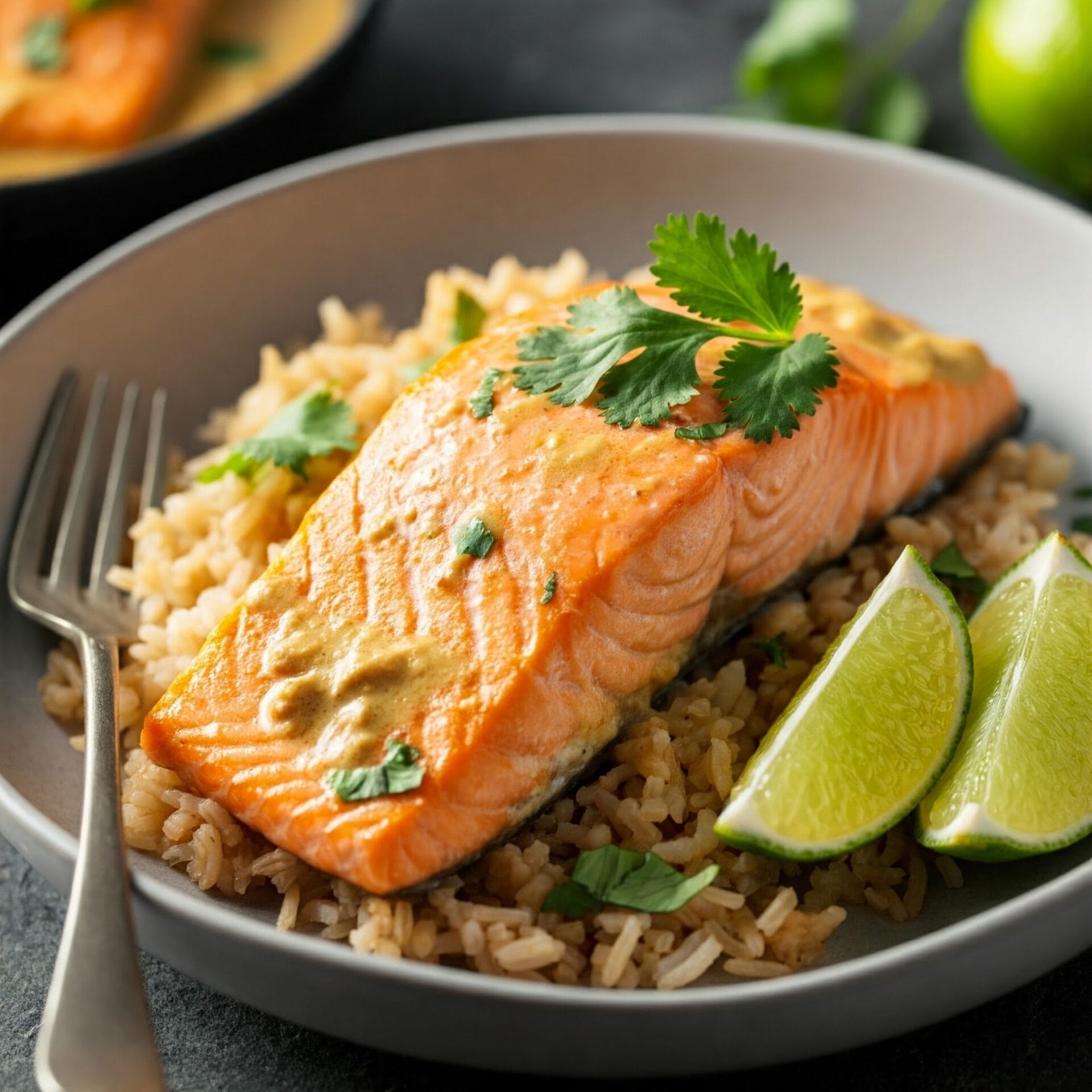
  3. And there you have it! Spoon that amazing sauce over the salmon – don't be shy! Serve it up with a generous portion of fluffy rice. A squeeze of lime and a sprinkle of cilantro add the perfect finishing touch. Dig in and enjoy!
    1 Rice, 1 Lime , 1 Fresh Cilantro

Nutrition

Serving: 6ozCalories: 267kcalCarbohydrates: 3gProtein: 17gFat: 21gSaturated Fat: 14gPolyunsaturated Fat: 3gMonounsaturated Fat: 3gTrans Fat: 0.01gCholesterol: 42mgSodium: 335mgPotassium: 547mgFiber: 0.3gSugar: 1gVitamin A: 428IUVitamin C: 3mgCalcium: 29mgIron: 3mg

Notes

Choosing the Salmon:
  • Freshness: Look for salmon fillets that are firm, brightly colored, and have a fresh, mild scent. Avoid any with a strong fishy odor or discoloration.
  • Skin on or off: While skin-on fillets provide extra flavor and texture, skinless fillets work well too.
  • Sustainability: Consider purchasing sustainably sourced salmon to support responsible fishing practices.
Cooking the Salmon:
  • Don't overcrowd the pan: Give the fillets enough space in the skillet to ensure even cooking and browning.
  • Adjust cooking time: Cooking time will vary depending on the thickness of the fillets and your stovetop. Aim for an internal temperature of 145°F (63°C) for food safety.
  • Avoid overcooking: Overcooked salmon can become dry and tough. Aim for a moist and flaky texture.
Making the Curry Sauce:
  • Curry paste: Use your favorite red or yellow curry paste. Adjust the amount to your desired level of spiciness.
  • Aromatics: Fresh ginger and garlic are key to building flavor in the sauce.
  • Coconut milk: Use full-fat coconut milk for a rich and creamy sauce.
  • Balancing flavors: Taste the sauce and adjust the sriracha and fish sauce to achieve the desired balance of sweet, salty, spicy, and sour.
  • Simmering: Simmering the salmon in the sauce allows it to absorb the flavors fully.
Serving:
  • Rice: Serve with fluffy white or brown rice to soak up the delicious sauce.
  • Garnishes: Fresh cilantro, lime wedges, and chopped peanuts add brightness, acidity, and texture.
  • Sides: Consider serving with additional sides like steamed vegetables or a simple salad.
Other Tips:
  • Make it ahead: The curry sauce can be made ahead of time and reheated.
  • Storage: Leftovers can be stored in the refrigerator for up to 3 days.
  • Adapt to your taste: Feel free to adjust the ingredients and spices to your liking. You can add vegetables like bell peppers, onions, or spinach to the sauce.
By keeping these notes in mind, you'll be well on your way to preparing a flavorful and satisfying coconut curry salmon dish. Enjoy!

Tried this recipe?

Let us know how it was!

Related Recipes

Ingredients

  • 16 oz Salmon fillets
  • 1 tsp Kosher salt
  • 1 tsp Ground black pepper (freshly ground)
  • 1 Tbsp Vegetable oil
  • 1 Shallot, thinly sliced
  • 1 Tbsp Red curry paste
  • 2 Cloves Garlic, minced
  • 1 tsp Fresh ginger, minced
  • 14 oz Canned coconut milk
  • 1 Tbsp Sriracha
  • 1 Tbsp Fish sauce
  • Cooked rice (for serving)
  • 1 Lime, cut into wedges (for serving)
  • Chopped cilantro (for serving)

Image Gallery Coconut Curry Salmon

Storage & Leftovers

Storage:

  • Refrigerator: Store cooled leftovers in an airtight container in the fridge for up to 3 days. Keep the salmon and curry sauce together for maximum flavor, or separate them if you prefer to reheat individually.

  • Freezer: While the curry sauce freezes well, the texture of salmon can change slightly after freezing. If freezing, do so in portions and use within 1 month for best results.

Reheating:

  • Stovetop (Recommended): Reheat gently over medium-low heat in a skillet, adding a splash of water or coconut milk to loosen the sauce. Heat until warmed through, about 5–7 minutes.

  • Microwave: Place in a microwave-safe dish, cover loosely, and heat in 30-second intervals, stirring between rounds to avoid overcooking the fish.

Tips:

  • Avoid high heat to keep the salmon from drying out.

  • Leftovers are perfect for grain bowls, stuffed pitas, or as a topping for coconut rice.

  • For added freshness, squeeze a little lime juice or sprinkle chopped cilantro before serving again.

Please follow and like us:
onpost_follow
fb-share-icon197
Tweet120
Pinterest20
Share 20
submit to reddit

Subscribe for New Recipes

* indicates required

Intuit Mailchimp

Salmon Recipes

Salmon Recipes

[digr_post_grid posts_number=”24″ post_display=”by_category” include_categories=”1481″ show_pagination=”on” use_number_pagination=”on” use_post_excerpt=”on” excerpt_length=”60″ show_readmore=”on” show_date=”on” show_categories=”off” enable_divider=”on” grid_column=”4″ enable_grid_row=”on” grid_row=”2″ _builder_version=”4.27.4″ _module_preset=”default” hover_enabled=”0″ global_colors_info=”{}” theme_builder_area=”post_content” sticky_enabled=”0″][/digr_post_grid]
Please follow and like us:
onpost_follow
fb-share-icon197
Tweet120
Pinterest20
Share 20
submit to reddit

Explore Our Most Popular Sections with These Quick Links

Holidays & Occasions

Whole Roasted Cauliflower

Whole Roasted Cauliflower

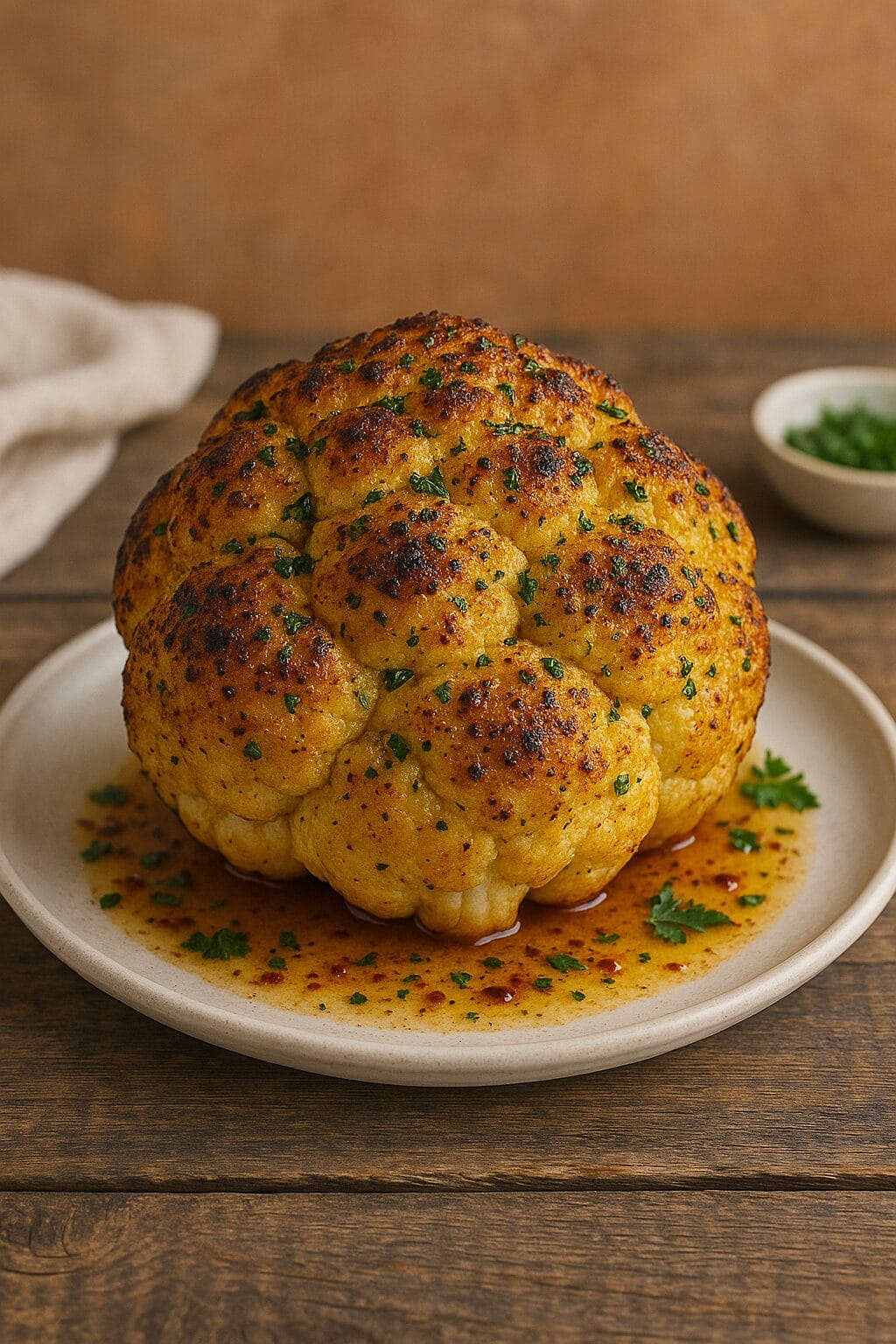
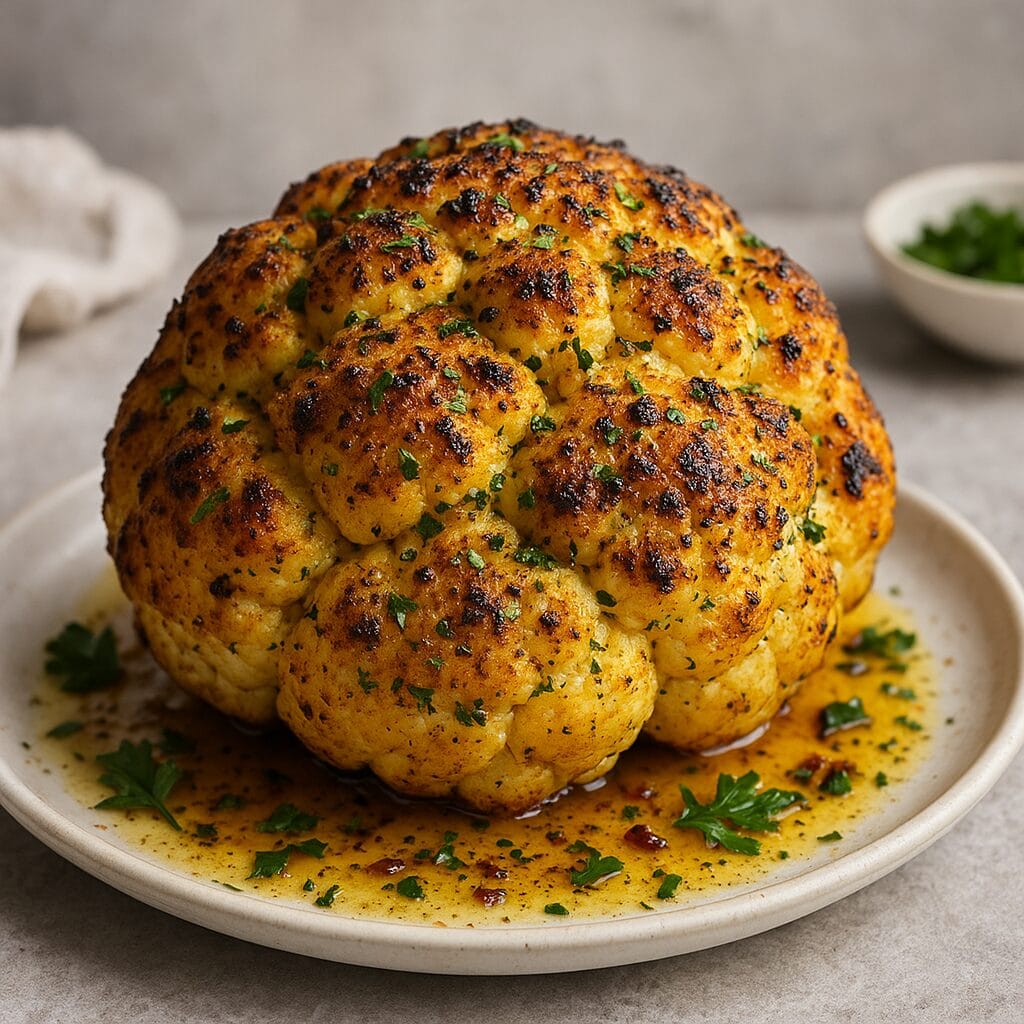
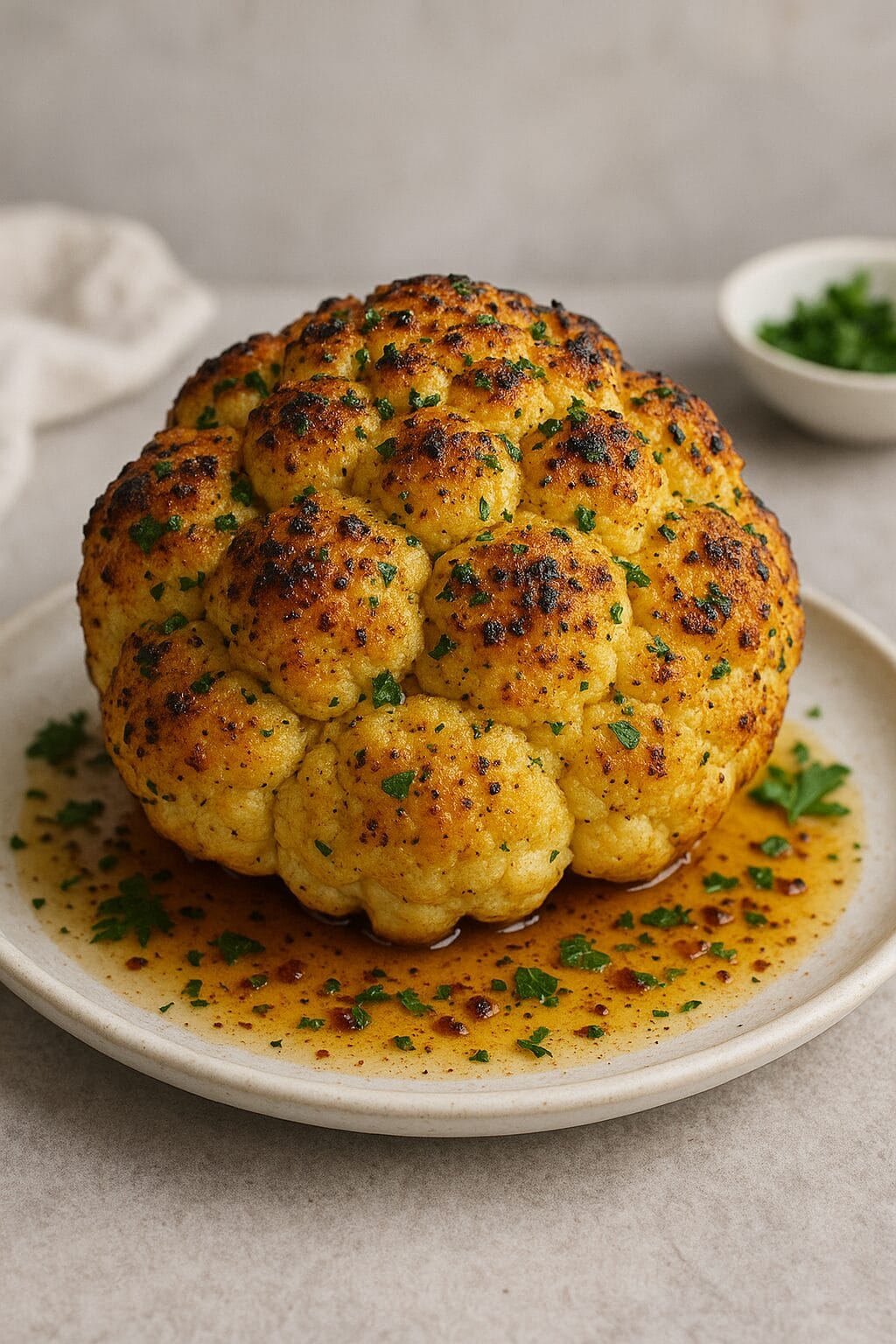
Transform an everyday vegetable into an extraordinary centerpiece with this Whole Roasted Cauliflower. Golden and caramelized on the outside, tender and flavorful within—each bite bursts with savory herbs, garlic, and a touch of spice. It’s an impressive dish that steals the spotlight, whether served as a hearty vegetarian main or a deliciously elegant side. Easy enough for weeknight dinners yet striking enough for special gatherings, this roasted cauliflower turns simplicity into culinary brilliance.

Whole Roasted Cauliflower

No ratings yet
Whole roasted cauliflower is a visually stunning and incredibly flavorful dish that has taken the culinary world by storm. It transforms the humble cauliflower into a centerpiece-worthy creation, showcasing its versatility and deliciousness.
Imagine a whole head of cauliflower, roasted to perfection, emerging from the oven with a beautifully browned and slightly charred exterior. The florets, once tightly packed, become tender and caramelized, offering a melt-in-your-mouth texture that contrasts with the crispy edges.
The beauty of this dish lies in its simplicity. The cauliflower is often seasoned with just olive oil, salt, and pepper, allowing its natural flavors to shine through. As it roasts, the natural sugars in the cauliflower caramelize, creating a depth of flavor that is both savory and subtly sweet.  
Whole roasted cauliflower is incredibly versatile. It can be served as a vegetarian main course, a hearty side dish, or even sliced and used in salads or sandwiches. Its neutral flavor pairs well with a wide range of cuisines and flavor profiles, making it an ideal canvas for culinary creativity.
Prep Time 10 minutes
Cook Time 35 minutes
Servings: 4 people
Course: Appetizer, Main Course, Side Dish
Cuisine: Mediterranean, Middle Eastern
Calories: 186

Ingredients
  

  •  
    1 Head Cauliflower
  •  
    Fresh thyme1
  • 2 Bay Leaf
  •  
    4 Cups Vegetable Stock more or less depending on size of cauliflower. vegetable stock is okay
  • Cup Butter melted
  •  
    Cracked Pepper Fresh

Method
 

  1. Preheat your oven to 400°F. Now, let's get that cauliflower ready! First, trim off the bottom of the stem. Next, peel away those outer leaves. Cut out the stem from the center, being careful not to break apart the florets. Rinse the cauliflower head and pat it dry.
    1 Head Cauliflower
  2. Place the whole cauliflower head in a large pot. Pour enough stock over the cauliflower to completely submerge it. Tuck the sprigs of fresh thyme and the bay leaf into the stock around the cauliflower. Place the pot over medium-high heat and bring the stock to a rolling boil. Once boiling, reduce the heat to low and simmer gently for 12 minutes.
    Fresh thyme1, 4 Cups Vegetable Stock, 2 Bay Leaf
  3. Once the cauliflower is tender, carefully remove it from the pot and drain any excess stock. Place the cauliflower in a cast-iron skillet or another oven-safe pan. Gently ladle a few spoonfuls of the cooking stock over the cauliflower, allowing it to settle in the crevices. Then, drizzle the top of the cauliflower with melted butter, ensuring it coats the surface evenly. Sprinkle with fresh thyme leaves and freshly ground black pepper.
    ⅓ Cup Butter, Cracked Pepper
  4. Place the cauliflower in the preheated oven and roast for 10-15 minutes. The cooking time will depend on the size of your cauliflower. As it roasts, baste the cauliflower with the juices from the pan every few minutes to keep it moist. To test for doneness, insert a sharp knife into the thickest part of the cauliflower. If the knife slides in easily, it's ready. If you'd like to give the cauliflower a bit more color, you can broil it for an extra 2 minutes at the end. However, keep a close eye on it during broiling, as it can burn quickly.
  5. Ta-da! Your masterpiece is ready! Take that gorgeous roasted cauliflower out of the oven and give it a final flourish with a sprinkle of fresh thyme. Now, for the grand finale: slice it up and serve those beautiful wedges with a generous drizzle of those irresistible pan juices.
    Fresh thyme1

Nutrition

Serving: 6ozCalories: 186kcalCarbohydrates: 10gProtein: 3gFat: 16gSaturated Fat: 10gPolyunsaturated Fat: 1gMonounsaturated Fat: 4gTrans Fat: 1gCholesterol: 41mgSodium: 999mgPotassium: 435mgFiber: 3gSugar: 5gVitamin A: 990IUVitamin C: 69mgCalcium: 37mgIron: 1mg

Notes

Choosing the Cauliflower:
  • Size and Shape: Look for a medium-sized cauliflower with tightly packed florets and a compact shape. This will ensure even cooking.
  • Freshness: Choose a cauliflower that feels heavy for its size and has crisp, bright white florets. Avoid those with discoloration or soft spots.
Prepping the Cauliflower:
  • Trimming: Trim the stem so the cauliflower sits flat, but leave enough to hold the florets together. Remove the leaves, but you can save some of the smaller, tender ones for roasting alongside if you like.
  • Washing: Rinse the cauliflower thoroughly, but make sure to pat it completely dry before roasting to promote browning.
Roasting:
  • Oven Temperature: A high temperature (400-450°F) is ideal for roasting cauliflower, as it helps to create a crispy exterior and tender interior.
  • Cooking Time: Roasting time will vary depending on the size of the cauliflower and your oven. Start checking for doneness around 20 minutes, and continue roasting until a knife inserted into the thickest part slides in easily.
  • Basting: Basting the cauliflower with the pan juices helps to keep it moist and adds flavor.
  • Broiling: If you want to add extra color and crispness, broil the cauliflower for the last few minutes of cooking. Watch it carefully to prevent burning.
Flavoring:
  • Seasoning: Simple seasonings like salt, pepper, and olive oil are all you need to bring out the natural flavors of the cauliflower.
  • Aromatics: Adding herbs like thyme, rosemary, or garlic to the roasting pan can enhance the flavor.
  • Spices: For global flavors, experiment with spices like cumin, turmeric, paprika, or chili powder.
Serving:
  • Resting: Allow the cauliflower to rest for a few minutes after roasting before slicing. This will help it retain its juices.
  • Slicing: Slice the cauliflower into wedges for serving.
  • Pan Juices: Don't forget to drizzle the flavorful pan juices over the cauliflower before serving.
  • Garnishes: Fresh herbs, a squeeze of lemon juice, or a sprinkle of Parmesan cheese make great finishing touches.
With these tips in mind, you'll be able to roast a cauliflower that's beautifully golden, tender, and bursting with flavor!

Tried this recipe?

Let us know how it was!

Related Recipes

Ingredients

Ingredients:

  • 1 head of cauliflower
  • 4 cups chicken stock
  • 2 bay leaves
  • 4 sprigs fresh thyme, plus extra for garnish
  • 1/3 cup melted butter
  • Freshly cracked black pepper, to taste

Image Gallery Whole Roasted Cauliflower

Storage & Leftovers

Storage:

  • Refrigerator: Let the cauliflower cool completely, then wrap it tightly in foil or transfer it to an airtight container. Store in the fridge for up to 4 days.

  • Freezer: For longer storage, cut the roasted cauliflower into smaller portions and freeze in a single layer on a baking sheet. Once frozen, transfer to a freezer-safe bag or container. Best used within 2 months.

Reheating:

  • Oven (Best method): Reheat at 375°F (190°C) for about 10–15 minutes to restore crispiness. Cover with foil if it starts to brown too much.

  • Microwave: Use short bursts (30–60 seconds) to avoid overcooking. Texture may be softer than freshly roasted.

  • Air Fryer: 350°F for about 5–7 minutes can quickly revive the exterior crisp.

Pro Tips:

  • Drizzle with a touch of olive oil or lemon juice before reheating to freshen the flavor.

  • Use leftovers in wraps, grain bowls, soups, or as a filling for tacos or flatbreads.

Please follow and like us:
onpost_follow
fb-share-icon197
Tweet120
Pinterest20
Share 20
submit to reddit

Subscribe for New Recipes

* indicates required

Intuit Mailchimp

Cauliflower Recipes

Cauliflower Recipes

[digr_post_grid posts_number=”24″ post_display=”by_category” include_categories=”1465″ show_pagination=”on” use_number_pagination=”on” use_post_excerpt=”on” excerpt_length=”60″ show_readmore=”on” show_date=”on” show_categories=”off” enable_divider=”on” grid_column=”4″ enable_grid_row=”on” grid_row=”2″ _builder_version=”4.27.4″ _module_preset=”default” global_colors_info=”{}”][/digr_post_grid]

About Cauliflower

Cauliflower has become a star ingredient in countless recipes, and for good reason! Here’s a breakdown of what makes it so versatile and beloved:  

1. Mild Flavor: Cauliflower has a subtle, slightly sweet and nutty flavor that doesn’t overpower other ingredients. This makes it an excellent base for a wide range of dishes, from savory to sweet. It readily absorbs flavors, acting like a blank canvas for your culinary creations.  

2. Adaptable Texture: Whether eaten raw, roasted, mashed, or riced, cauliflower offers a variety of textures. This allows it to mimic other ingredients, making it a popular substitute for rice, potatoes, and even pizza crusts.

3. Nutritional Powerhouse: Cauliflower is packed with nutrients like fiber, vitamin C, vitamin K, and folate, making it a healthy addition to any diet. It’s also low in calories and carbohydrates, appealing to those watching their weight or following specific dietary plans. 

4. Culinary Chameleon: Cauliflower’s mild flavor and adaptable texture make it incredibly versatile. It can be roasted whole, riced for stir-fries, mashed for creamy sides, or even used to create pizza crusts and breadsticks.  

5. Year-Round Availability: Cauliflower is generally available year-round, making it a reliable option for your culinary endeavors.

6. Cost-Effective: Compared to some other vegetables, cauliflower is often quite affordable, making it a budget-friendly choice.

7. Kid-Friendly: Cauliflower’s mild flavor can be a good way to introduce children to vegetables. Its versatility allows you to incorporate it into dishes they already enjoy, like pizza or mac and cheese.  

Whether you’re a seasoned cook or just starting out, cauliflower is a fantastic ingredient to experiment with. Its versatility, nutritional value, and deliciousness make it a winner in the kitchen!

Please follow and like us:
onpost_follow
fb-share-icon197
Tweet120
Pinterest20
Share 20
submit to reddit

Explore Our Most Popular Sections with These Quick Links

Holidays & Occasions