Lemon Butter Cod

Lemon Butter Cod – Bright, Flaky, and Ready in 20 Minutes

This lemon butter cod is everything you want in a weeknight dinner—bright, buttery, and done in 20 minutes.

Say hello to your new favorite weeknight dinner: Lemon Butter Cod! This flaky, pan-seared fish is bathed in a golden lemon butter sauce that’s equal parts bright, rich, and ridiculously delicious. Best of all, it comes together in just 20 minutes with one pan and a handful of simple ingredients—so yes, it’s as easy as it is impressive. Whether you’re craving something cozy and comforting or light and fresh, this dish hits all the right notes. Add a sprinkle of fresh herbs, serve it with your favorite veggie or grain, and you’ve got a dinner that feels fancy but takes zero fuss. Let’s turn that plain cod into something crave-worthy!

💛 Why You’ll Love This Recipe

🍋 Zesty & Bright: That lemon butter sauce? It’s tangy, silky, and absolutely unforgettable.
🐟 Flaky & Tender Cod: Each bite melts in your mouth with just the right sear on the outside.
⏱️ Ready in 20 Minutes: Fast enough for busy nights, fancy enough for date night.
🧄 One-Pan Wonder: Less mess, less cleanup, more time to relax and eat.
🌿 Simple Ingredients, Big Flavor: You probably have everything you need in your kitchen already!
🥗 So Versatile: Pair it with rice, roasted veggies, salad, or crusty bread—this cod goes with everything.
🎯 Beginner-Friendly: No complicated techniques, just delicious results.

🔪 How to Make Lemon Butter Cod

Pat and season the cod: Dry your cod fillets with paper towels, then season with salt, pepper, and a pinch of paprika (optional for color).

Sear the cod: Heat olive oil and a bit of butter in a skillet. Sear the fillets for 2–3 minutes per side until golden and flaky. Remove and set aside.

Make the lemon butter sauce: In the same pan, melt more butter. Add minced garlic and sauté until fragrant. Stir in lemon juice and zest, then simmer for a minute.

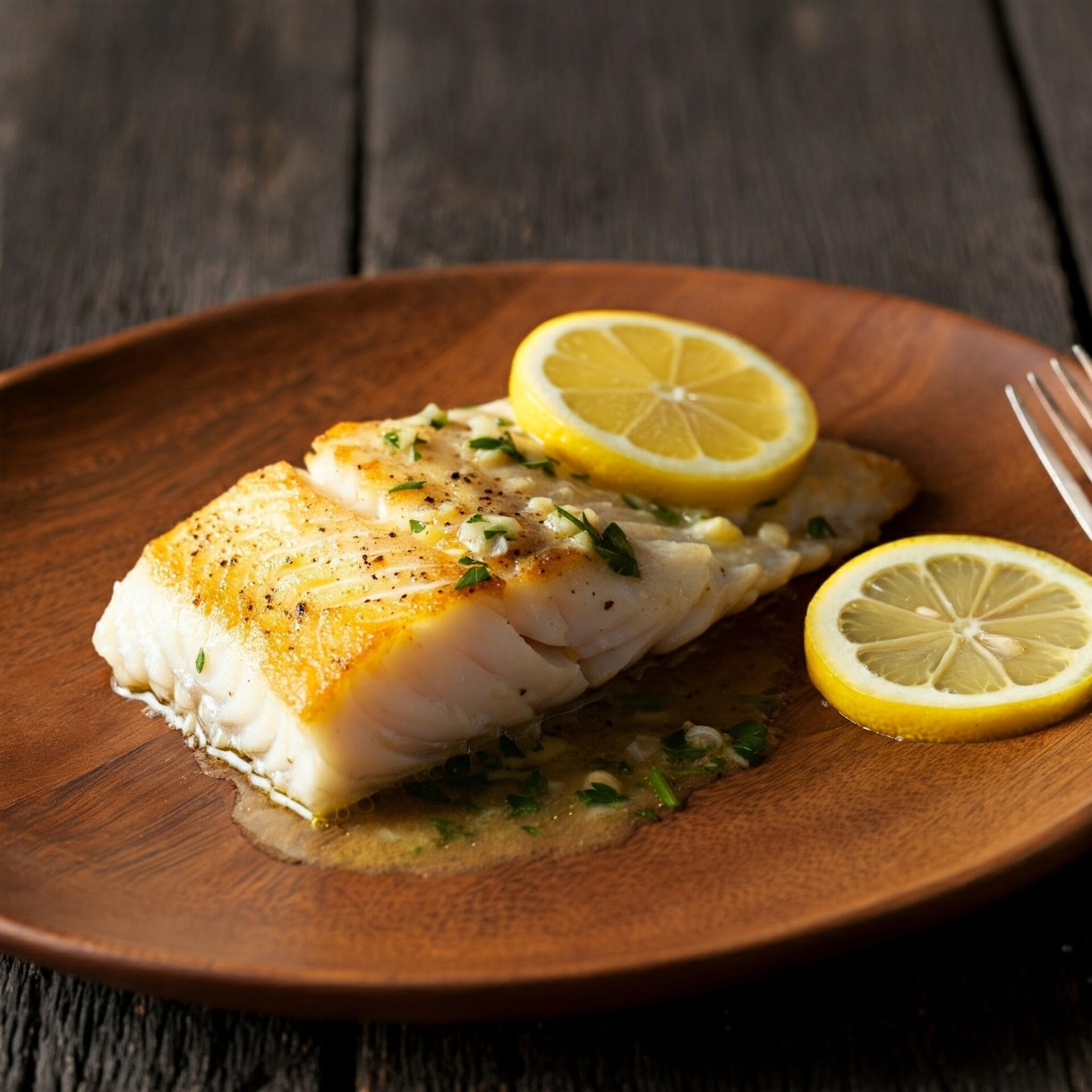
Finish and serve: Return the cod to the pan, spoon sauce over the fillets, and cook for another minute to warm through. Garnish with parsley and lemon slices, then serve immediately.

Jump to Section

📱 Follow Us 

📬 Subscribe for Updates
* indicates required

Intuit Mailchimp

Lemon Butter Cod Recipe

No ratings yet
Lemon butter cod is a classic dish loved for its simplicity and flavor. It features delicate cod, a white-fleshed fish with tender flakes and a mild taste, enhanced by a bright and savory sauce. This sauce, typically made with butter, lemon juice, and often garlic, perfectly complements the fish.
The dish can be prepared in numerous ways, including pan-searing, baking, or broiling, each offering a slightly different texture. No matter the method, it's a quick and easy meal to create, perfect for weeknight dinners. The vibrant colors of the golden fish and lemon slices make it an elegant choice for casual or more formal dining occasions.
Prep Time 10 minutes
Cook Time 15 minutes
Servings: 6 people
Course: Dinner, Main Course
Cuisine: French
Calories: 118

Ingredients
  

  •  
    4 6 oz Cod filets skinless, about 1-inch thick
  • 1 Tbsp All-Purpose Flour
  • ½ tsp Paprika
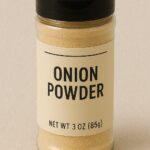
  • ½ tsp Onion Powder
  •  
    ¼ tsp Dried Thyme
  • ¼ tsp Dried Oregano
  • tsp Cayenne Pepper
  • ¾ tsp Salt to taste
  • ¾ tsp Ground Black Pepper freshly ground
  • 5 Tbsp Butter cut into 1 tbsp. pieces, divided
  • 1 Tbsp. Olive Oil
  •  
    1 Tbsp. Minced Garlic
  • Tbsp. Chicken broth low sodium
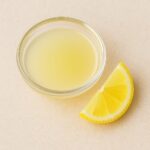
  • Tbsp. Lemon juice fresh
  • 1 Tbsp. Parsley chopped fresh

Method
 

  1. In a small mixing bowl, combine the dry ingredients: flour, paprika, onion powder, thyme, oregano, cayenne pepper, salt, and pepper. Whisk briskly to ensure an even distribution of spices.
    1 Tbsp All-Purpose Flour, ½ tsp Paprika, ½ tsp Onion Powder, ¼ tsp Dried Thyme, ¼ tsp Dried Oregano, ⅛ tsp Cayenne Pepper, ¾ tsp Salt, ¾ tsp Ground Black Pepper
  2. Gently press the cod fillets into the flour mixture, turning to coat both sides completely. Use all of the flour mixture to ensure a flavorful crust.
    4 6 oz Cod filets
  3. Get that non-stick skillet nice and hot over medium-high heat. Add a tablespoon each of butter and olive oil – you want it to shimmer! Now, gently lay those cod fillets in the pan and listen to them sizzle. Give them a good 3-4 minutes per side to get that irresistible golden-brown crust. They're ready to come out when they're opaque and flake easily with a fork. Transfer them to your plates, being careful not to break them apart.
    5 Tbsp Butter, 1 Tbsp. Olive Oil
  4. Gently lower the heat to medium-low, allowing the skillet to cool slightly. Add the remaining butter, swirling the pan as it melts into a golden pool. Introduce the garlic, stirring constantly as it releases its fragrant aroma and softens, about 15 seconds. Be careful not to let it brown, as this can create a bitter taste.
    1 Tbsp. Minced Garlic, 5 Tbsp Butter
  5. With the skillet removed from the heat, carefully pour in the chicken broth and lemon juice, stirring gently as the sauce comes together. It will steam dramatically, so be cautious! Without delay, spoon the luscious sauce over the cod fillets, ensuring they are generously coated. For a final touch, sprinkle with fresh parsley and serve immediately while the fish is still warm and flaky.
    1½ Tbsp. Chicken broth , 1½ Tbsp. Lemon juice, 1 Tbsp. Parsley

Nutrition

Serving: 8ozCalories: 118kcalCarbohydrates: 3gProtein: 1gFat: 12gSaturated Fat: 6gPolyunsaturated Fat: 1gMonounsaturated Fat: 4gTrans Fat: 0.4gCholesterol: 25mgSodium: 308mgPotassium: 46mgFiber: 0.4gSugar: 0.2gVitamin A: 604IUVitamin C: 6mgCalcium: 16mgIron: 0.4mg

Notes

Choosing the Cod:
  • Freshness: Look for cod fillets that are firm, moist, and have a fresh, mild scent. Avoid any with a strong fishy odor or discoloration.
  • Thickness: Aim for fillets that are relatively similar in thickness so they cook evenly.
  • Sustainability: Consider purchasing sustainably sourced cod to support responsible fishing practices.
Cooking the Cod:
  • Don't overcrowd the pan: Give the fillets enough space in the skillet to ensure even cooking and browning.
  • Adjust cooking time: Cooking time will vary depending on the thickness of the fillets and your stovetop. Start with the lower end of the suggested time range and check for doneness by flaking with a fork.
  • Avoid overcooking: Overcooked cod can become dry and tough. Aim for a tender, flaky texture.
Making the Sauce:
  • Butter quality: Use good quality butter for the best flavor.
  • Garlic: Don't brown the garlic, as it can become bitter. Sauté just until fragrant.
  • Lemon juice: Use fresh lemon juice for the brightest flavor.
  • Deglazing: The chicken broth helps to deglaze the pan, lifting up any flavorful bits stuck to the bottom.
  • Steam: Be careful when adding the liquid to the pan, as it will create steam.
Serving:
  • Garnish: Fresh parsley adds a pop of color and freshness.
  • Temperature: Serve the cod immediately while it's still warm and the sauce is at its best.
  • Sides: Consider serving with sides that complement the flavors, such as roasted vegetables, rice pilaf, or a simple salad.
By keeping these notes in mind, you'll be well on your way to preparing a delicious and impressive lemon butter cod dish.

Tried this recipe?

Let us know how it was!

🍽️ What to Serve with Lemon Butter Cod

This bright and buttery cod pairs beautifully with just about anything—whether you’re going for light and fresh or warm and cozy. Here are some delicious ideas to round out your plate:

🥦 Roasted Vegetables: Think asparagus, broccoli, green beans, or brussels sprouts for a crisp, vibrant contrast.

🍚 Rice or Quinoa: Fluffy jasmine rice, lemon-herb rice, or even a light quinoa salad soaks up that buttery sauce like a dream.

🥔 Mashed or Roasted Potatoes: Creamy mashed potatoes or garlic roasted baby potatoes make a cozy, satisfying combo.

🥗 Simple Green Salad: Toss arugula or mixed greens with a lemon vinaigrette for a refreshing bite alongside the rich cod.

🥖 Crusty Bread: Don’t let that lemon butter sauce go to waste—grab a slice of warm bread and soak it all up!

🍷 Wine Pairing: A chilled glass of Sauvignon Blanc or Pinot Grigio brings out the citrus notes beautifully.

🥑 Crave-Worthy Recipes to Try Next
No ratings yet
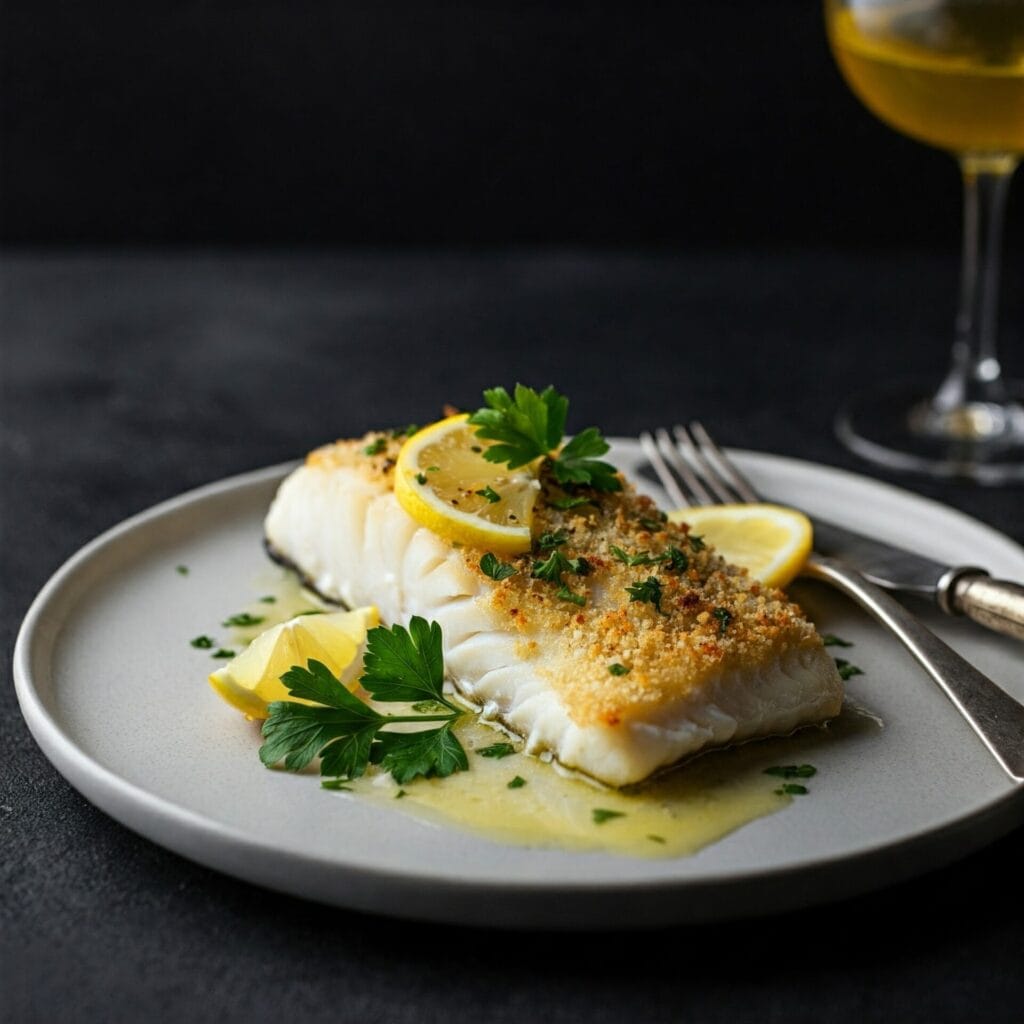
Lemon Butter Cod
experience the delightful flavors of lemon butter cod. a simple yet flavorful dish that celebrates fresh ingredients.
No ratings yet
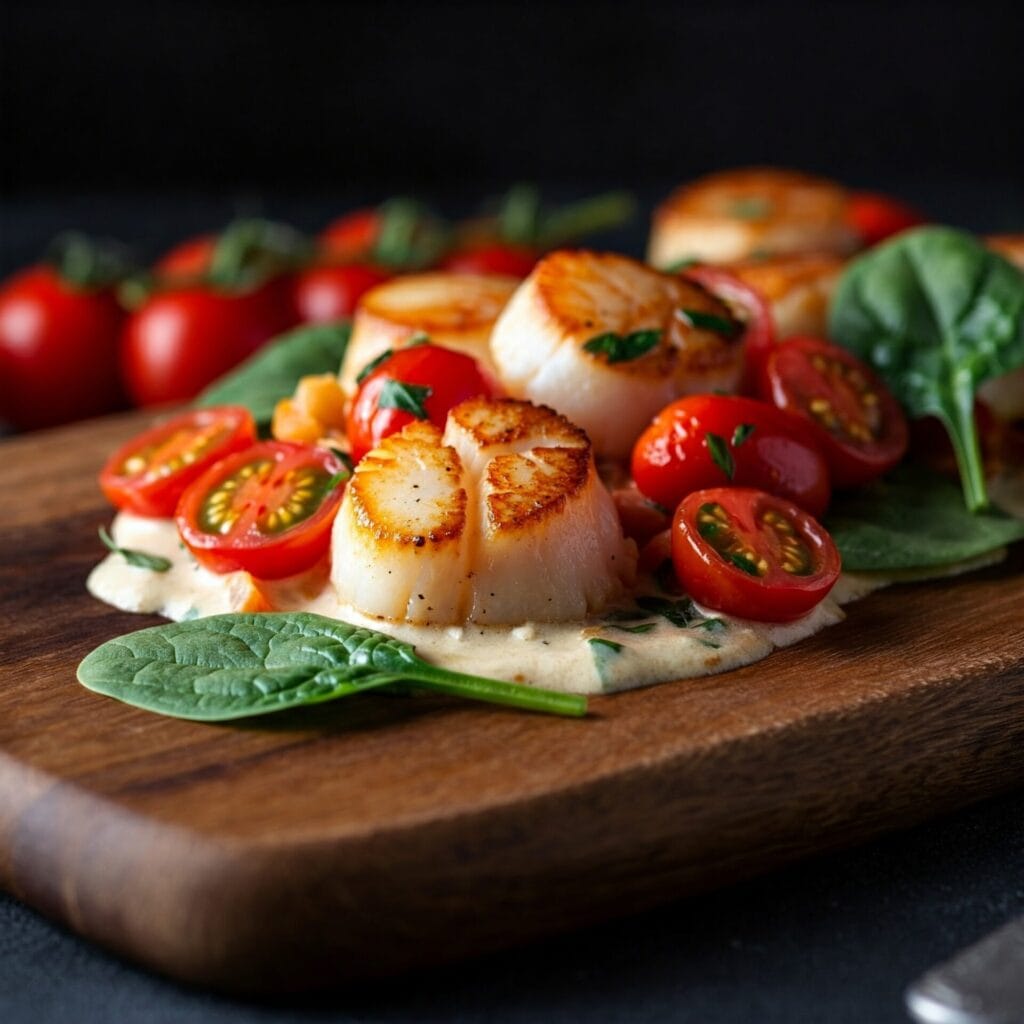
Tuscan Butter Scallops
Scallops in a creamy garlic butter sauce? Yes, please! This dreamy Tuscan-inspired dish is rich, romantic, and ready in under 30 minutes. Grab a skillet…

📌 Frequently Asked Questions

❓ Can I use frozen cod?
Yes! Just make sure to fully thaw and pat it dry before cooking. This helps achieve that perfect sear and prevents the fillets from steaming instead of browning.

❓ What kind of cod works best?
Both Atlantic and Pacific cod are great options. Choose firm, fresh (or properly thawed) fillets for the best texture and flavor.

❓ Can I substitute another fish?
Absolutely. This recipe also works well with haddock, halibut, or tilapia—just adjust the cook time based on thickness.

❓ Can I make this dairy-free?
Yes! Swap the butter for a dairy-free alternative like olive oil or vegan butter. The flavor will be slightly different, but still delicious.

❓ What if my cod falls apart in the pan?
Cod is delicate! Make sure your pan is hot before adding the fish, and don’t move it too much—let it sear and release naturally.

❓ How do I store leftovers?
Store cooked cod in an airtight container in the fridge for up to 2 days. Reheat gently in a skillet with a splash of lemon juice or butter to revive the sauce.

❓ Can I double the sauce?
Yes—and you probably should! It’s great over rice, pasta, veggies, or even spooned onto crusty bread.

Please follow and like us:
onpost_follow
fb-share-icon197
Tweet120
Pinterest20
Share 20
submit to reddit

Vegetables

Vegetables

Vegetables

Vegetables are culinary heroes, adding flavor, color, and nutrition to every dish. Their versatility is unmatched, from earthy roots to vibrant greens, they offer a symphony of tastes and textures.

Packed with vitamins, minerals, and antioxidants, vegetables are nutritional powerhouses that nourish your body.

They are culinary chameleons, adapting to any cooking method and cuisine.

Embrace the versatility of vegetables. Choose fresh, seasonal produce and experiment with different cooking techniques to elevate your meals.

This version provides a bit more detail than the previous shortest version, while still maintaining a concise and engaging tone.

Alphabetical List

A B C D E F G H I J K L M N O P Q R S T U V W X Y Z

Please follow and like us:
onpost_follow
fb-share-icon197
Tweet120
Pinterest20
Share 20
submit to reddit

Quick links to our most popular cuisines.

Mexican Cuisine
Italian Cuisine
Chinese Cuisine
Japanese Cuisine
Indian Cuisine
Thai Cuisine
American Cuisine
Mediterranean Cuisine
French Cuisine

Quick links to our most popular sections.

Appetizers
Breakfast


One-Pot Meals
Stir Fry Meals
Top Rated Recipes
Insta-Pot Recipes

Recipes by Ingredient

Ingredients A

Ingredients B

Ingredients C

Ingredients D

Ingredients E

Ingredients F

Ingredients G

[et_pb_column type=”4_4″ _builder_version=”4.27.4″ _module_preset=”default” global_colors_i

Vegan Cheese Sauce

A Creamy & Dreamy Vegan Cheese You Won’t Believe

Get ready to ditch the dairy without sacrificing flavor! This vegan cheese sauce is a revelation in creamy texture and delightful taste.

Imagine a velvety blend of roasted Yukon gold potatoes and sweet potatoes, their natural sweetness perfectly balanced by a touch of tangy apple cider vinegar. Toasted cashews add a nutty richness, while nutritional yeast brings a cheesy depth that will have you wondering “is this really vegan?”

This creamy vegetable cheese sauce is incredibly versatile. Pour it over your favorite roasted veggies, use it as a dip for crudités platters, or even swirl it into soups for an extra layer of flavor and richness.

So, if you’re looking for a delicious and versatile vegan cheese option, look no further! This recipe proves that plant-based eating can be exciting and full of flavor.

Vegan Cheese Sauce

No ratings yet
Without any question, this is the best sauce. The taste and versatility are amazing in this sauce. This cheese can be used in a wide variety of dishes.
Prep Time 15 minutes
Cook Time 15 minutes
Servings: 12 people
Course: Dinner, Lunch, Sauces, Snack
Cuisine: American, Vegan
Calories: 80

Ingredients
  

  •  
    ¾ cup Yukon gold potatoes Peeled & Diced
  •  
    ¾ cup Sweet potatoes Peeled & Diced
  • 2 cloves Garlic
  •  
    ¼ cup Raw cashews
  •  
    1 tbsp Apple cider vinegar
  •  
    2 tbsp Nutritional yeast
  • ½ tsp Onion powder
  • ½ tsp Sea salt
  • ¼ cup Extra virgin olive oil
  • ¼ cup Water

Equipment

Nutrition

Serving: 6ozCalories: 80kcalCarbohydrates: 6gProtein: 2gFat: 6gSaturated Fat: 1gPolyunsaturated Fat: 1gMonounsaturated Fat: 4gSodium: 103mgPotassium: 138mgFiber: 1gSugar: 1gVitamin A: 1197IUVitamin C: 3mgCalcium: 7mgIron: 0.5mg

Tried this recipe?

Let us know how it was!


Related Recipes

  • ¾ cup peeled and diced Yukon gold potato
  • ¾ cup peeled and diced sweet potato
  • 2 garlic cloves
  • ¼ cup raw cashews
  • 1 tablespoon apple cider vinegar
  • 2 tablespoons nutritional yeast
  • ½ teaspoon onion powder
  • ½ teaspoon sea salt
  • ¼ cup extra-virgin olive oil
  • ¼ cup water

This recipe utilizes vegetables, cashews, and common pantry staples to create a creamy and flavorful vegan cheese sauce.

Image Gallery

The Rise of Dairy-Free Delight: A History of Vegan Cheese

Vegan cheese, that delightful substitute for dairy cheese, boasts a surprisingly short history. Unlike established cheeses with documented origins dating back centuries, vegan cheese is a product of modern culinary innovation, likely born in the United States sometime in the recent past. Here’s why:

  • Fusion of Trends: Vegan cheese cleverly combines two distinct trends in American cuisine:
    • Classic Comfort: Mac and cheese, a beloved symbol of American comfort food, has been around for decades.
    • Healthy Twists: Recently, there’s been a surge in using plant-based alternatives for traditional ingredients like dairy. Vegan cheese perfectly embodies this trend by offering a similar taste and texture to cheese, but without the dairy.
  • Lack of Historical Record: Unlike established dishes with documented origins, there’s no clear historical mention of vegan cheese. This suggests it’s a more recent creation.

Possible Origins:

While the exact inventor remains unknown, here are some theories about how vegan cheese might have come about:

  • Culinary Experimentation: Creative chefs or home cooks likely began experimenting with plant-based ingredients like soy, nuts, and seeds to create dairy-free cheese alternatives. This could have been driven by a desire to cater to dietary restrictions or simply a playful exploration of flavors and textures.
  • Recipe Development: Food blogs and recipe websites are a hallmark of modern cuisine. It’s possible that a recipe developer or blogger popularized the concept of vegan cheese, leading to its widespread adoption.

The Early Days: Soy Takes Center Stage

The first instances of dairy-free cheese alternatives actually predate the modern vegan cheese movement. Here’s a glimpse into those early forerunners:

  • East Asia: Tofu, a fermented soybean curd, has been produced in China for over 2,000 years. While not technically “cheese,” fermented tofu has a similar texture and can be seasoned to mimic cheese flavors.
  • 1910s France: The “Tofu Manufacturing Co.” established in France started producing a commercial “soy cheese” made from fermented soybeans.
  • Seventh-day Adventists: In the 20th century, the Seventh-day Adventists, known for their plant-based diet, are credited with developing some of the first commercially available North American soy-based cheese alternatives.

The Modern Boom of Vegan Cheese:

Since the 1980s, vegan cheese has seen a significant rise in popularity, driven by several factors:

  • Growing Vegan Movement: The increasing number of people adopting vegan diets has created a larger market for dairy-free alternatives.
  • Improved Technology: Advances in food science and technology have led to the development of new plant-based ingredients and processes that can create more realistic cheese alternatives in terms of texture, flavor, and meltability.
  • Increased Availability: Vegan cheese is now readily available in most grocery stores, making it a convenient option for consumers.

Looking Ahead: A Future Full of Flavor

The future of vegan cheese looks bright. Manufacturers are constantly innovating, creating new and exciting varieties with improved taste, texture, and functionality. As plant-based options continue to evolve, vegan cheese is poised to become a mainstream staple, offering delicious and sustainable cheese alternatives for everyone to enjoy.

If you tried this recipe please share with us. Be as detailed as possible in your descriptions.

Your Details

Recipe Essentials

One ingredient per line
One instruction per line

Recipe Details

Recipe Tags

Separate multiple tags with a comma.
For example: Italian, American

[DISPLAY_ULTIMATE_SOCIAL_ICONS]

Our Advertisers.

We utilize advertisements on our website as a means to generate income.  By doing so, we can secure the necessary funding to develop the recipes that you have the opportunity to experience.  If you would like to support us, please visit our advertiser page and consider clicking on the provided link when making online purchases.  Your support is greatly appreciated.


Advertisers

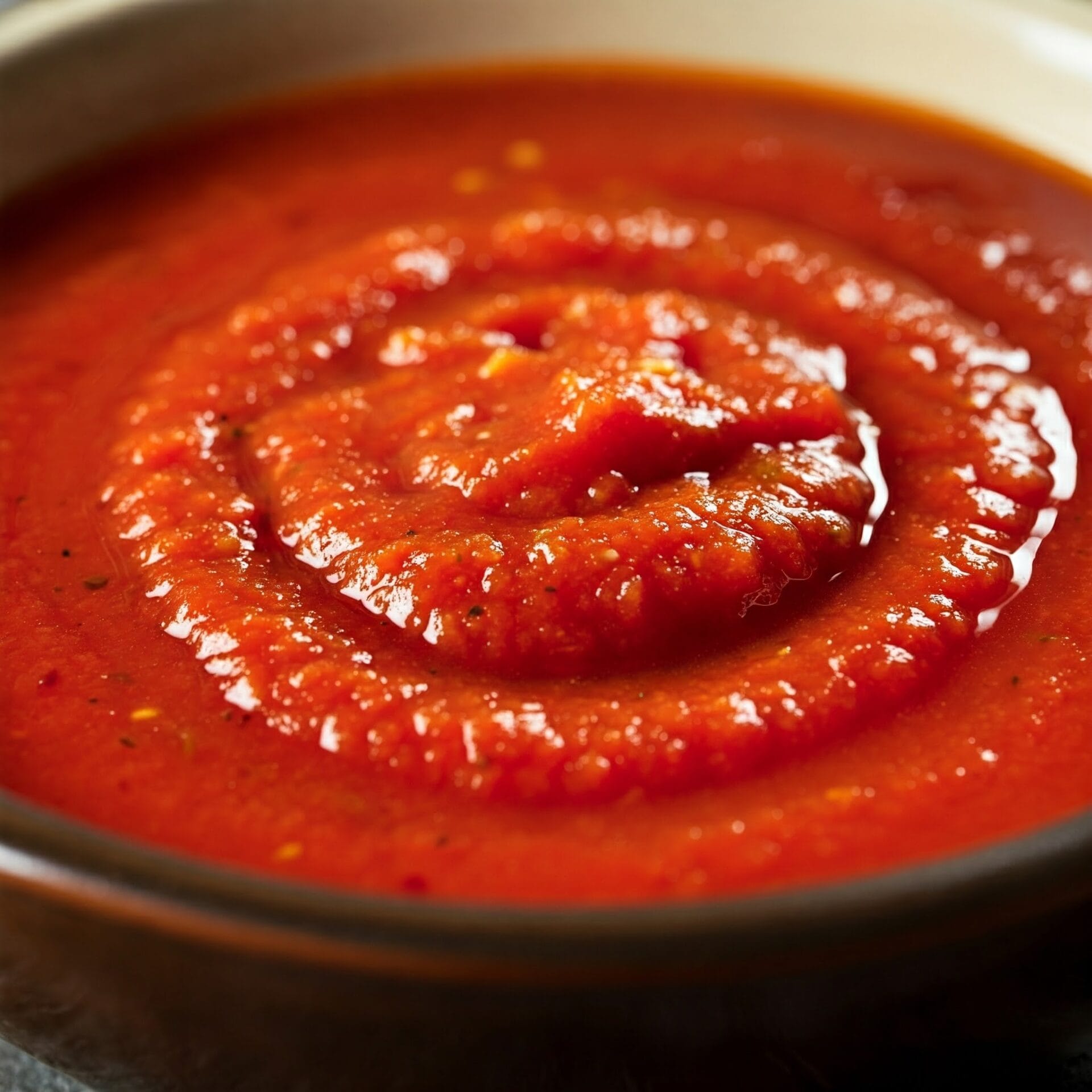
Marinara Sauce

Marinara Sauce

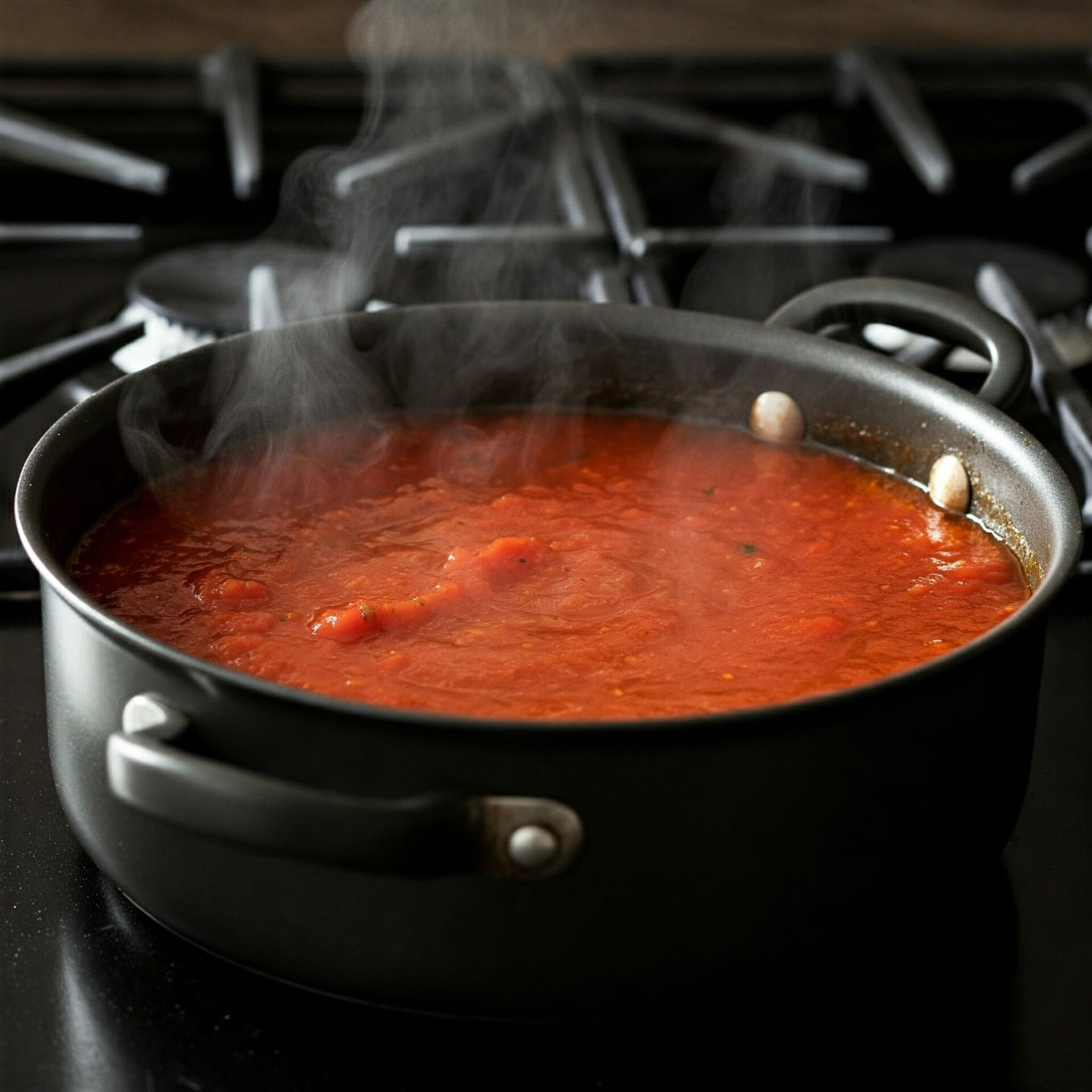
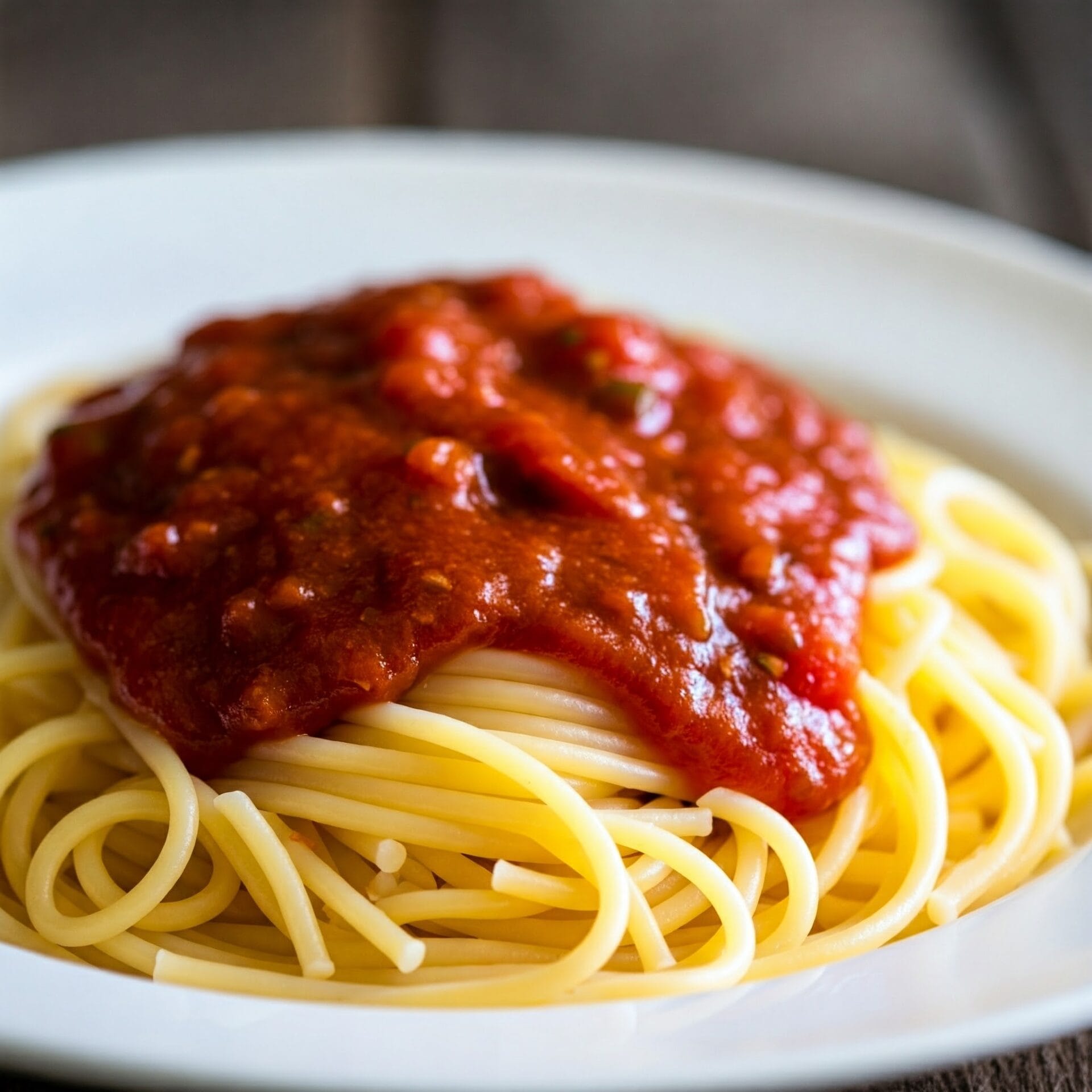
Forget those bland, lifeless jars from the supermarket! It’s time to unleash your inner Italian chef and create a marinara sauce that will make your taste buds sing “O Sole Mio!” This isn’t just a sauce; it’s a culinary adventure, a flavor fiesta that will transport you straight to the sun-drenched hills of Italy.

Imagine: plump, juicy tomatoes simmered slowly with aromatic garlic and fragrant herbs, transforming into a rich, velvety masterpiece. This marinara is so good, you’ll want to bathe in it (but please don’t, it might stain!).

Why should you ditch the jar and embrace this homemade wonder? Here’s the deal:

  • Flavor Explosion: This marinara bursts with fresh, vibrant flavors that will make your taste buds do a happy dance. Say “arrivederci” to those dull, mass-produced sauces!
  • Kitchen Confidence: Conquering this recipe will make you feel like a culinary superhero. You’ll be the master of your kitchen domain, whipping up magic with just a few simple ingredients.
  • Love is the Secret Ingredient: Homemade marinara is made with love, and that makes all the difference. Share it with your family and friends, and watch their faces light up with joy.
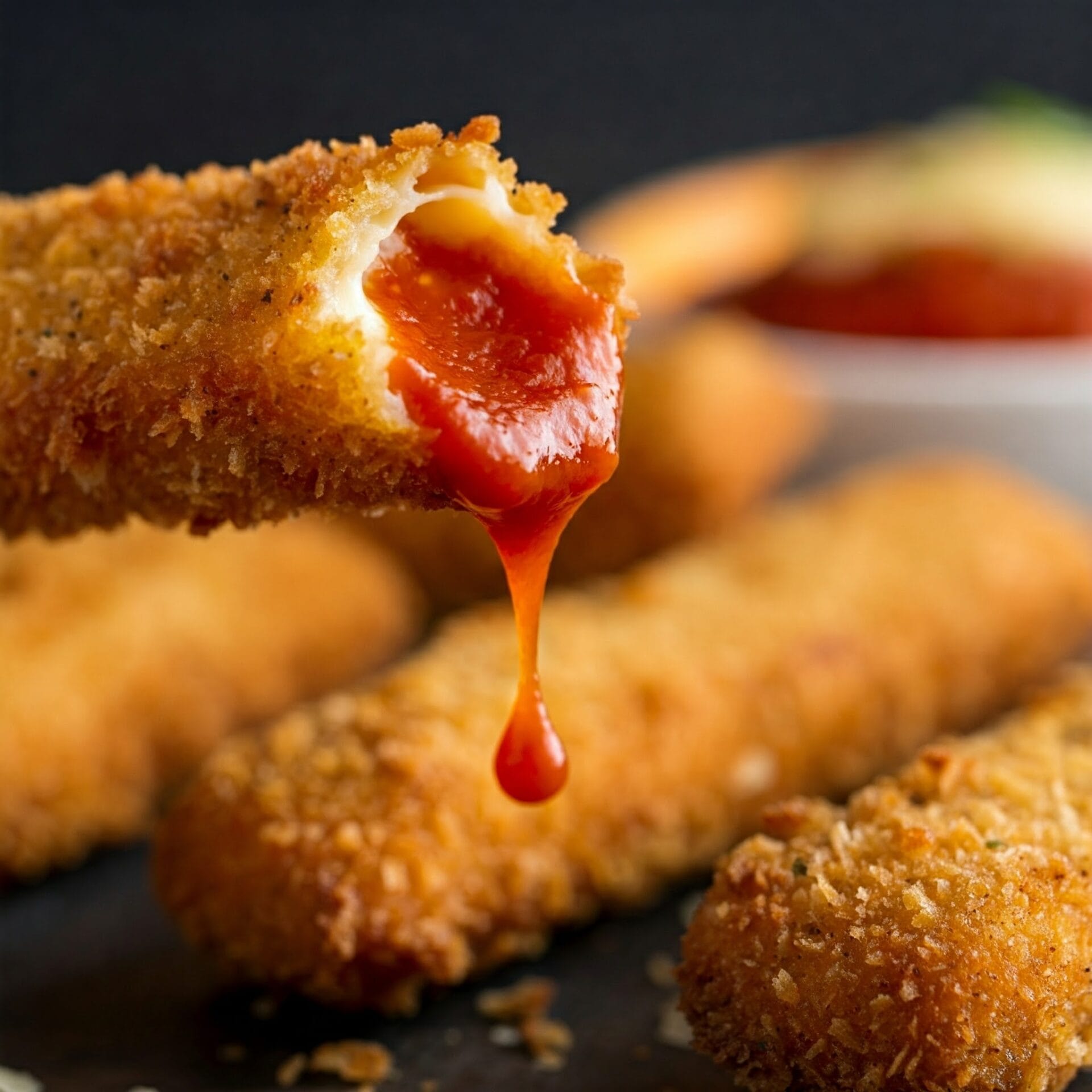
  • Versatility Superstar: This sauce isn’t a one-trick pony. It’s amazing on pasta, pizza, lasagna, and even as a dip for breadsticks. The possibilities are endless!

So, grab your apron, crank up some Italian opera, and get ready to create a marinara masterpiece that will have everyone saying “Mamma Mia!

Marinara Sauce

No ratings yet
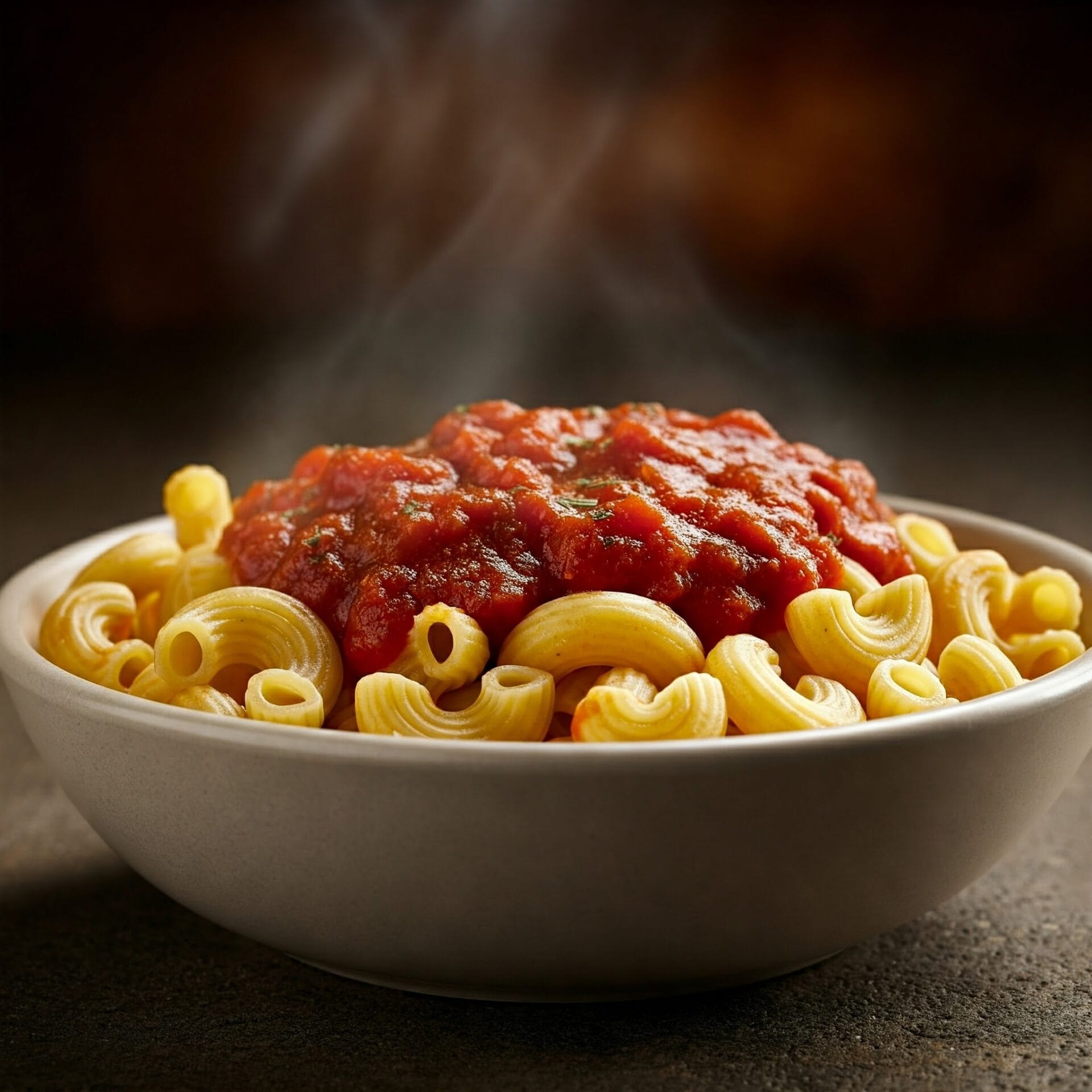
This homemade marinara sauce is a vibrant and flavorful blend of ripe tomatoes, aromatic garlic, and fragrant herbs simmered to perfection. Its rich, deep red hue hints at the intense flavor within, where the sweetness of the tomatoes is balanced by a subtle tang and savory depth. This sauce is thick enough to cling beautifully to pasta, yet still light enough to allow the other flavors in your dish to shine through. It's the perfect foundation for a classic Italian meal, whether you're tossing it with spaghetti, layering it in lasagna, or spreading it on pizza
Prep Time 15 minutes
Cook Time 2 hours 30 minutes
Servings: 6 cups
Course: Appetizer, Dinner, Lunch, Main Course
Cuisine: Italian, Italian American
Calories: 196

Ingredients
  

  • 1 lg Yellow Onion fine dice
  • 4 cloves Garlic Minced garlic is fine
  •  
    112 oz Plum tomatoes Average can size in the store is 28 oz
  • 1 Fresh Basil Fresh
  • 6 oz Olive oil
  • 1 tsp Salt
  • 1 tsp Black pepper

Equipment

1 Stock pot
1 Emulsion blender (or a food mill)

Method
 

  1. Chop the onion and mince or crush the garlic. Have your can of tomatoes ready.
    1 lg Yellow Onion, 4 cloves Garlic, 112 oz Plum tomatoes
  2. Heat the olive oil in a large saucepan over medium-high heat. Once the oil is shimmering, add the onions and garlic. Reduce heat if the oil begins to smoke. Cook, stirring often, until the onions are translucent and the garlic is fragrant and lightly golden, about 5-7 minutes.
    1 lg Yellow Onion, 6 oz Olive oil, 4 cloves Garlic
  3. Carefully add the plum tomatoes to the pot. (Tip: Partially cover the can with the lid to control splattering.)
    112 oz Plum tomatoes
  4. Reduce the heat to low, cover the pot partially, and simmer for 2-3 hours, stirring occasionally. The sauce should reduce and thicken.
  5. Before blending, taste the sauce and season with salt and pepper. Add more garlic to taste, a little at a time, stirring and tasting until you reach your desired flavor. Stir in fresh basil leaves.
    1 tsp Salt, 1 tsp Black pepper, 1 Fresh Basil
  6. Once the sauce has thickened, use an immersion blender or food mill to blend the sauce until smooth.
  7. Your marinara sauce is ready to be used! Toss it with pasta, use it as a pizza sauce, or incorporate it into your favorite Italian dishes.

Nutrition

Serving: 12ozCalories: 196kcalCarbohydrates: 13gProtein: 3gFat: 16gSaturated Fat: 2gPolyunsaturated Fat: 2gMonounsaturated Fat: 11gSodium: 650mgPotassium: 709mgFiber: 4gSugar: 8gVitamin A: 2410IUVitamin C: 41mgCalcium: 35mgIron: 1mg

Video

Notes

1. Tomato Choice Matters:
  • San Marzano Tomatoes: If you can find them, San Marzano tomatoes are the gold standard for marinara sauce. They have a lower acidity and a sweeter flavor that's perfect for this sauce.  
  • Canned Whole or Crushed: While the recipe calls for plum tomatoes, you can use canned whole or crushed tomatoes as well. If using whole tomatoes, crush them by hand before adding them to the pot.
2. Building Flavor:
  • Don't Skimp on the Garlic: Garlic is key to a flavorful marinara. Use fresh garlic cloves and don't be afraid to add more to taste.
  • Quality Olive Oil: Use a good-quality extra virgin olive oil for the best flavor.
  • Tomato Paste (Optional): For an even richer flavor, add a tablespoon or two of tomato paste to the pot along with the garlic and onions. Cook it for a minute or two to deepen its flavor before adding the tomatoes.
3. Simmering is Key:
  • Low and Slow: Simmering the sauce over low heat for a long time allows the flavors to meld and deepen. Don't rush this process!
  • Stir Occasionally: Stir the sauce every 20-30 minutes to prevent it from sticking to the bottom of the pot.  
  • Adjust the Consistency: If the sauce becomes too thick, add a little water or vegetable broth to thin it out.
4. Seasoning:
  • Taste and Adjust: Taste the sauce before blending and adjust the seasoning as needed. Remember, you can always add more, but you can't take it away!
  • Fresh Herbs: While the recipe calls for basil, you can experiment with other fresh herbs like oregano, thyme, or parsley. Add them at the end, after blending.
5. Blending:
  • Immersion Blender vs. Food Mill: An immersion blender is the easiest way to blend the sauce. If you don't have one, you can use a food mill or a regular blender (just be careful when blending hot liquids).
  • Smoothness: Blend the sauce to your desired consistency. Some people prefer a completely smooth sauce, while others like a bit of texture.
Bonus Tip:
  • Make it Your Own: Feel free to experiment with this recipe! Add a pinch of red pepper flakes for heat, a spoonful of sugar to balance acidity, or a splash of red wine for depth of flavor.
With these tips, you'll be well on your way to making a delicious and authentic homemade marinara sauce!

Tried this recipe?

Let us know how it was!

Related Recipes

Ingredients

  •    
  •    
  •    
  •   
  •   
  •   
  •   


Image Gallery Marinara Sauce

Storage & Leftovers

Storing Your Leftover Marinara Sauce:

  • Cool it Down: Before storing, let the sauce cool completely to room temperature. This helps prevent condensation from forming in the container, which can lead to spoilage.
  • Choose the Right Container: An airtight container is essential to maintain the quality and prevent the sauce from absorbing odors from other foods in your fridge. Glass containers or high-quality plastic containers with tight-fitting lids work well.
  • Refrigerator Storage: Store your leftover marinara sauce in the refrigerator for up to 5 days.
  • Freezer Storage: For longer storage, you can freeze marinara sauce for up to 3 months. It’s best to freeze it in smaller portions for easier thawing and use. Consider using freezer-safe bags (laid flat to save space) or small airtight containers.

Reheating Tips:

  • Thaw Safely: If frozen, thaw the sauce in the refrigerator overnight or in a bowl of cold water.
  • Gentle Reheating: Reheat the sauce gently over low heat on the stovetop, stirring frequently. Alternatively, you can reheat it in the microwave in short bursts, stirring between each burst, until warmed through.
  • Add a Touch of Liquid: Marinara sauce can thicken upon cooling and reheating. If it’s too thick, you can thin it out with a little water, vegetable broth, or even a splash of red wine.

Extra Tips for Marinara Masters:

  • Portion and Conquer: When freezing, consider freezing the sauce in ice cube trays. Once frozen, pop out the cubes and store them in freezer bags. This allows for easy portioning when you only need a small amount.
  • Flavor Boost: When reheating, add a fresh sprig of basil or a pinch of oregano to brighten the flavors.
  • Prevent Staining: Marinara sauce can stain plastic containers. If using plastic, choose high-quality containers and avoid storing the sauce for extended periods.  

With these tips, you can enjoy your homemade marinara sauce to the fullest, even days after you’ve made it! 🍝

Please follow and like us:
onpost_follow
fb-share-icon197
Tweet120
Pinterest20
Share 20
submit to reddit

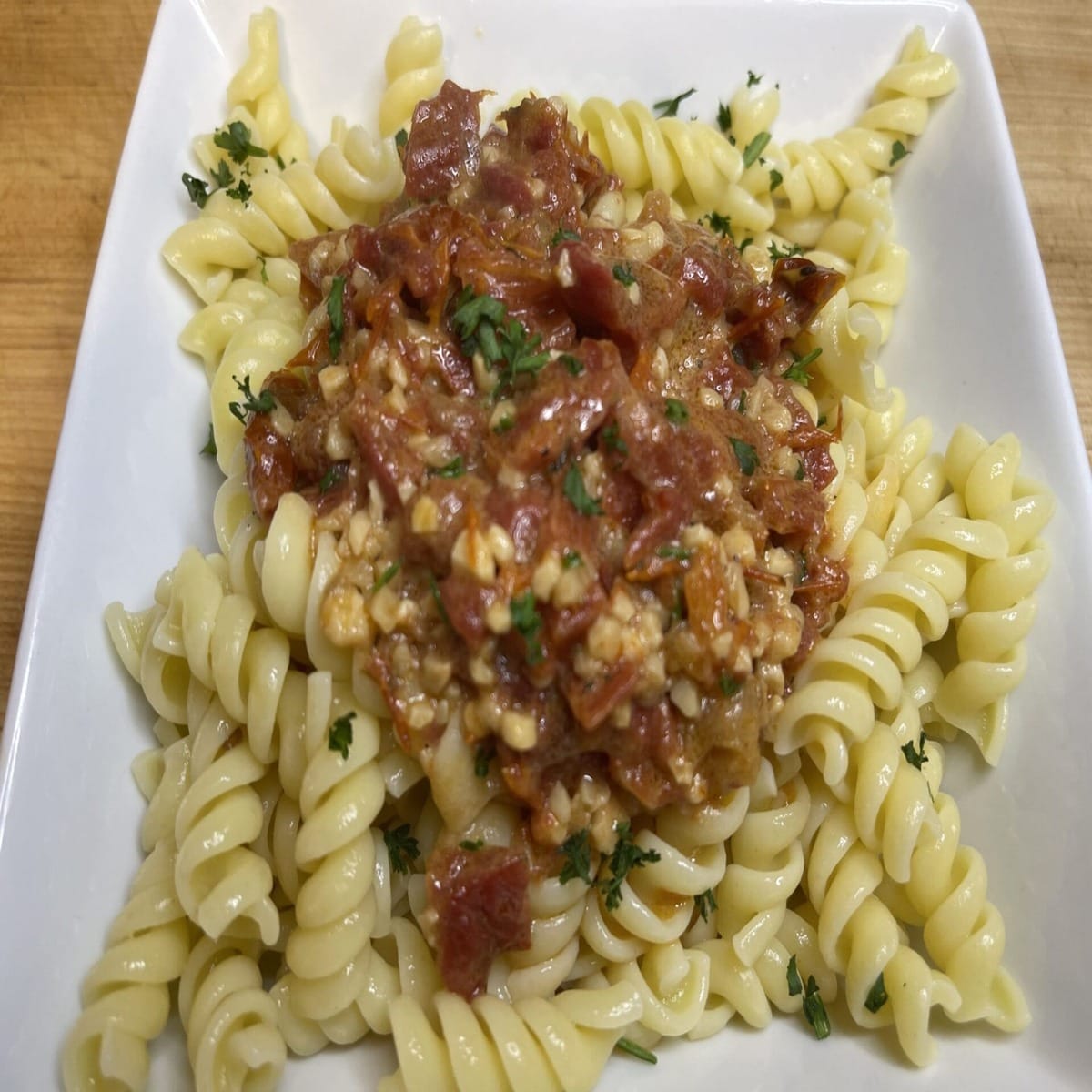
Pasta With A Creamy Garlic And Sun-Dried Tomato Sauce

Creamy Garlic & Sun-Dried Pasta

No ratings yet
A zesty and delicous dish that is both satisfying and fun to make.
Prep Time 10 minutes
Cook Time 30 minutes
Servings: 4 People
Course: Dinner, Lunch
Cuisine: American, Italian
Calories: 441

Ingredients
  

  •  
    13 oz Gluten free rotini Check the labels carefully. Vegan pasta is not gluten-free.
  • 3 Cloves Garlic Minced
  •  
    ¾ cup Sun-dried tomatoes in oil You may only find these whole and will need to dice them.
  • ½ cup Vegetable broth
  •  
    3 oz White vinegar
  •  
    1 cup Whole fat oat milk Look for at least 30% fat content.
  •  
    ½ cup Reserved pasta water This is water that you save from the cooking of the pasta.
  • 1 n/a Salt To Taste.
  • 1 n/a Ground black pepper To Taste.
  • 1 n/a Garlic powder To Taste.
  • 3 oz Parsley

Method
 

Mise En Place
  1. Prepare all the ingredients and have ready to begin the cooking process.
Boil the pasta
  1. Begin by boiling the water and adding the pasta. Depending on the type of pasta you are using, the cook times may vary. Follow the directions on the box. Always stir the pasta to prevent it from sticking while it cooks.
Begin making the sauce base
  1. Start by pouring a little bit of the oil from the sun-dried tomatoes in the bottom of the saute pan. Turn the heat to a medium-low. Once the oil is warm and spread evenly in the pan, add the garlic and the sun-dried tomatoes. Saute for 2-5 minutes or until tender and fragrant. Be sure to stir frequently, or it will burn in the pan. If the pan is cooking too rapidly, turn the heat down.
Drain the pasta
  1. Drain the cooked pasta, making sure that you save the pasta water when draining. Pour the pasta into a sieve and allow cool water to run over it. Allow the pasta water to drain into another pot so you can warm up the pasta prior to service. This is where a pasta dipper becomes handy. You will need to use some of the pasta water for the next step, which is where the reserved pasta water comes in.
Finish making the sauce (the reduction)
  1. At this point, your sauce base should be soft and fragrant. This is where you will start having some fun. Begin by adding your vegetable broth and incorporate well; increase the heat to medium-high. Next, add about 1/2 of the vinegar and incorporate well. Taste it now and it should have a slight and barely noticeable bitterness to it. That is perfect; if not, add a tiny bit more vinegar. You will need to simmer this until it reduces by 1/2. This process is where a white wine would typically be used, but we do not want any alcohol in this recipe.
Finish making the sauce (the cream)
  1. Now that the reduction is done, we need to make the sauce cream and season. Keep the heat the same and add in the whole fat oat milk. Using a balloon whisk, vigorously whisk the mixture to fully emulsify the oil to the fat. Allow this to simmer for 3-5 minutes or the mixture begins to thicken. Taste and season with salt, pepper, or garlic powder. Only add a pinch at a time and check.
Present your plate
  1. The sauce is best done as a pour-over sauce and garnished with a little chopped parsley.

Nutrition

Serving: 8ozCalories: 441kcalCarbohydrates: 87gProtein: 12gFat: 6gSaturated Fat: 1gPolyunsaturated Fat: 1gMonounsaturated Fat: 2gSodium: 370mgPotassium: 575mgFiber: 5gSugar: 5gVitamin A: 2252IUVitamin C: 56mgCalcium: 169mgIron: 4mg

Notes

There is wide variety of pasta, and I enjoyed this using rotini. Be careful when selecting the pasta as some are vegan friendly, which does not make them gluten free.
The substitution for the alcohol does take a little time to get used to as it does not burn off the same way as wine does. The vinegar is there to produce the acid that is needed. You can also use mushroom stock.

Tried this recipe?

Let us know how it was!