Creamy Orzo with Italian Sausage, Broccoli Rabe and Tomatoes

Dinner

Creamy Orzo with Italian Sausage, Broccoli Rabe and Tomatoes

Pecorino orzo is topped with hot Italian sausage, broccoli rabe, cherry tomatoes and pepperoncini.

Yield
4 to 6 servings
Cuisine
Italian-inspired

Serving ideas

Scatter pepperoncini over the top and pass extra Pecorino.

Ingredients

See the ingredient checklist
  • 2 tbsp unsalted butter
  • 1 large shallot, minced
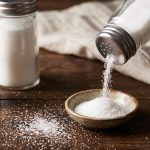
  • 1 1/4 tsp table salt
  • 1 tsp minced garlic
  • 1 1/2 cups orzo
  • 1/2 cup dry white wine or vermouth
  • 3 cups water
  • 2 cups chicken broth
  • 8 oz hot Italian sausage, casings removed
  • 8 oz broccoli rabe, trimmed and cut into 1-inch pieces
  • 6 oz cherry tomatoes, halved
  • 1 oz grated Pecorino Romano, about 1/2 cup, plus more to serve
  • 3 tbsp chopped pepperoncini

Before you cook

Leave a little water on the washed broccoli rabe to help it steam.

How to make Creamy Orzo with Italian Sausage, Broccoli Rabe and Tomatoes

  1. Melt butter over medium. Soften shallot with salt for 3 to 5 minutes without browning. Add garlic for about 30 seconds. Stir in the orzo and then the wine, stirring until absorbed.

  2. Add water and broth, bring to a boil and simmer vigorously about 15 minutes until the orzo is al dente and the liquid has thickened. Season to taste.

  3. Brown sausage in a separate skillet over medium-high, breaking it up, for 6 to 7 minutes. Stir in the damp broccoli rabe, cover and cook about 3 minutes until crisp-tender. Stir in tomatoes.

  4. Stir Pecorino into orzo and top with the sausage mixture.

The full recipe

Check off ingredients as you get them ready.

The ingredient list scales when you change the servings. Adjust any quantities mentioned in the steps to match your batch.

Creamy Orzo with Italian Sausage, Broccoli Rabe and Tomatoes

No ratings yet
Pecorino orzo is topped with hot Italian sausage, broccoli rabe, cherry tomatoes and pepperoncini.
Total Time 50 minutes
Servings: 4 to 6 servings
Course: Dinner
Cuisine: Italian-Inspired

Some ingredient links are affiliate links. We may earn a commission at no extra cost to you. As an Amazon Associate I earn from qualifying purchases.

Ingredients
  

  • 2 tbsp unsalted butter
  •  
    1 large shallot, minced
  • 1 ¼ tsp table salt
  •  
    1 tsp minced garlic
  •  
    1 ½ cups orzo
  •  
    ½ cup dry white wine or vermouth
  • 3 cups water
  • 2 cups chicken broth
  •  
    8 oz hot Italian sausage, casings removed
  •  
    8 oz broccoli rabe, trimmed and cut into 1-inch pieces
  •  
    6 oz cherry tomatoes, halved
  •  
    1 oz grated Pecorino Romano about 1/2 cup, plus more to serve
  •  
    3 tbsp chopped pepperoncini

Instructions
 

  1. Melt butter over medium. Soften shallot with salt for 3 to 5 minutes without browning. Add garlic for about 30 seconds. Stir in the orzo and then the wine, stirring until absorbed.
  2. Add water and broth, bring to a boil and simmer vigorously about 15 minutes until the orzo is al dente and the liquid has thickened. Season to taste.
  3. Brown sausage in a separate skillet over medium-high, breaking it up, for 6 to 7 minutes. Stir in the damp broccoli rabe, cover and cook about 3 minutes until crisp-tender. Stir in tomatoes.
  4. Stir Pecorino into orzo and top with the sausage mixture.

Notes

Leave a little water on the washed broccoli rabe to help it steam.
Adapted from Andrea Geary, Cook’s Illustrated.

Tried this recipe?

Let us know how it was!

Similar Recipes

Parisienne Parmesan and Herb Gnocchi

Side Dish

Parisienne Parmesan and Herb Gnocchi

Cook the flour paste first, then beat in egg gradually to make a pipeable dough. Poach a test piece before shaping the rest so you can check the size, texture and cooked center.

Yield
4 small servings
Cuisine
French-inspired

Bring it to the table

French choux dumplings

These are made from cooked flour paste and eggs, without potatoes. The cheese and mustard are mixed into the dough before poaching.

At the table

Serve the butter-finished dumplings as a small side, or pair with a sauce and vegetables prepared separately.

Before you start

Gather your ingredients.

Full quantities and serving adjustments are in the recipe card below.

See the ingredient checklist
  • 180 ml water
  • 85 g unsalted butter — for the dough
  • 120 g all-purpose flour
  • 2 g salt
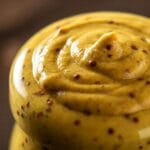
  • 15 g Dijon mustard
  • 50 g Parmesan — finely grated
  • 1 tbsp mixed fresh herbs — finely chopped parsley, chives and/or tarragon
  • 140 g whole eggs — lightly beaten and weighed without shell; add gradually as needed
  • 1 tbsp unsalted butter — for finishing

A few useful notes.

The egg amount is added by texture; you may not need the last small amount.

This home version uses a specified 50 g Parmesan and 2 g salt in the base batch.

Four small portions are a serving suggestion rather than a measured dumpling count.

Do not taste raw dough.

The cooking plan

How to make Parisienne Parmesan and Herb Gnocchi.

  1. Bring the water, dough butter and salt to a boil in a saucepan. Remove from the heat, add the flour all at once and stir firmly until combined.
  2. Return to medium-low heat and cook, stirring constantly, until the paste is smooth, pulls together and no longer smells of raw flour. Transfer to a bowl and mix in the Parmesan, Dijon and herbs.

  3. Stir to release steam and let the paste cool below 125°F before adding eggs. Beat in the weighed egg gradually until the dough is smooth, thick and pipeable, stopping before it becomes runny. Cover and refrigerate for 30 minutes.

  4. Bring a wide pan of water to a gentle simmer. Transfer the dough to a sturdy piping bag with a plain opening about 1/2 inch wide. Pipe a short test piece just above the water, cutting off a roughly 3/4-inch length with scissors; keep hands clear of steam and hot water.

  5. Poach gently until the dumpling rises, then continue until firm and cooked through. Check the test piece: the center should reach 160°F and be set rather than wet paste. Use the test to judge the size and cooking needed for the remaining pieces; floating alone is not the endpoint.

  6. Pipe and poach the rest in small batches without crowding. Lift with a slotted spoon and drain well. Melt the finishing butter in a wide skillet and turn the cooked dumplings gently in it until hot and lightly golden. Serve promptly.

  7. For leftovers, cool in a shallow container and refrigerate within 2 hours at 40°F or below. Use within 3–4 days and reheat to 165°F.

Let’s cook

The full recipe.

Check off ingredients as you get them ready.

Changing servings? The ingredient list scales automatically. Adjust quantities named in the steps to match, and choose pans and cooking times for your batch.

Parisienne Parmesan and Herb Gnocchi

No ratings yet
Tender French choux-paste dumplings flavored with Parmesan, Dijon and fresh herbs, gently poached and finished in butter.
Servings: 4 small servings
Course: Side Dish
Cuisine: French-inspired

Some ingredient links are affiliate links. We may earn a commission at no extra cost to you. As an Amazon Associate I earn from qualifying purchases.

Ingredients
  

  • 180 ml water
  • 85 g unsalted butter for the dough
  • 120 g all-purpose flour
  • 2 g salt
  • 15 g Dijon mustard
  • 50 g Parmesan finely grated
  •  
    1 tbsp mixed fresh herbs finely chopped parsley, chives and/or tarragon
  • 140 g whole eggs lightly beaten and weighed without shell; add gradually as needed
  • 1 tbsp unsalted butter for finishing

Equipment images are illustrative. Exact products may vary.

Instructions
 

  1. Bring the water, dough butter and salt to a boil in a saucepan. Remove from the heat, add the flour all at once and stir firmly until combined.
  2. Return to medium-low heat and cook, stirring constantly, until the paste is smooth, pulls together and no longer smells of raw flour. Transfer to a bowl and mix in the Parmesan, Dijon and herbs.
  3. Stir to release steam and let the paste cool below 125°F before adding eggs. Beat in the weighed egg gradually until the dough is smooth, thick and pipeable, stopping before it becomes runny. Cover and refrigerate for 30 minutes.
  4. Bring a wide pan of water to a gentle simmer. Transfer the dough to a sturdy piping bag with a plain opening about 1/2 inch wide. Pipe a short test piece just above the water, cutting off a roughly 3/4-inch length with scissors; keep hands clear of steam and hot water.
  5. Poach gently until the dumpling rises, then continue until firm and cooked through. Check the test piece: the center should reach 160°F and be set rather than wet paste. Use the test to judge the size and cooking needed for the remaining pieces; floating alone is not the endpoint.
  6. Pipe and poach the rest in small batches without crowding. Lift with a slotted spoon and drain well. Melt the finishing butter in a wide skillet and turn the cooked dumplings gently in it until hot and lightly golden. Serve promptly.
  7. For leftovers, cool in a shallow container and refrigerate within 2 hours at 40°F or below. Use within 3–4 days and reheat to 165°F.

Notes

The egg amount is added by texture; you may not need the last small amount.
This home version uses a specified 50 g Parmesan and 2 g salt in the base batch.
Four small portions are a serving suggestion rather than a measured dumpling count.
Do not taste raw dough.

Tried this recipe?

Let us know how it was!

A couple of useful answers.

Are these potato gnocchi?

No. Parisienne gnocchi use choux paste made with cooked flour, butter and eggs.

Are they done as soon as they float?

Continue until the center is cooked and set. Check a test piece rather than relying on floating alone.

Keep the good food going

Similar Recipes

Find another recipe to bring to the table.

Ricotta and Parmesan Spoon Gnocchi

Pasta

Ricotta and Parmesan Spoon Gnocchi

Use very dry ricotta and mix only until combined after adding flour. Poach a small test dumpling before shaping the rest so you can check how the mixture holds together.

Yield
4 servings
Cuisine
Italian-inspired

Bring it to the table

Dry ricotta matters

Use ricotta impastata or thoroughly drained whole-milk ricotta. Weigh after draining; wet cheese changes how much flour the dough needs.

At the table

Lift the cooked dumplings directly into a sauce prepared separately and serve hot.

Before you start

Gather your ingredients.

Full quantities and serving adjustments are in the recipe card below.

See the ingredient checklist
  • 500 g ricotta impastata — or very dry, thoroughly drained whole-milk ricotta; weigh after draining
  • 70 g Parmesan — finely grated
  • 1 large egg
  • 2 large egg yolks
  • 70 g all-purpose flour — sifted; a little extra only if needed after the test dumpling
  • salt — to taste, plus some for the poaching water
  • ground black pepper — to taste
  • 1 pinch ground nutmeg

A few useful notes.

Four servings are a home portion suggestion.

These are spoon-shaped dumplings, so the soft mixture does not have to be rolled into ropes.

Use only enough extra flour to help a test dumpling hold; too much makes the dumplings heavier.

The cooking plan

How to make Ricotta and Parmesan Spoon Gnocchi.

  1. Briefly process or beat the dry ricotta, Parmesan, whole egg and yolks until smooth. Add the sifted flour, salt, pepper and nutmeg. Mix just until combined, then cover and refrigerate for about 30 minutes.

  2. Bring a wide pan of lightly salted water to a gentle simmer. With two teaspoons, form a small oval dumpling and lower it into the water. Cook until it holds together and is cooked through. If it breaks up, mix a teaspoon of extra flour into the chilled dough and test again before proceeding.

  3. Form small spoon-sized dumplings and poach in batches, keeping the water at a gentle simmer rather than a rough boil. Once they float, continue cooking until the centers are set and at least 160°F; floating alone is not the final doneness check.

  4. Lift with a slotted spoon, drain well and transfer to your prepared sauce. Serve promptly. Keep uncooked mixture refrigerated while working, and cook it the same day.

Let’s cook

The full recipe.

Check off ingredients as you get them ready.

Changing servings? The ingredient list scales automatically. Adjust quantities named in the steps to match, and choose pans and cooking times for your batch.

Ricotta and Parmesan Spoon Gnocchi

No ratings yet
Soft ricotta and Parmesan dumplings gently poached from small spoonfuls of dough.
Servings: 4 servings
Course: Pasta
Cuisine: Italian-Inspired

Some ingredient links are affiliate links. We may earn a commission at no extra cost to you. As an Amazon Associate I earn from qualifying purchases.

Ingredients
  

  •  
    500 g ricotta impastata or very dry, thoroughly drained whole-milk ricotta; weigh after draining
  • 70 g Parmesan finely grated
  • 1 large egg
  • Three separated raw egg yolks in a clear glass bowl2 large egg yolks
  • 70 g all-purpose flour sifted; a little extra only if needed after the test dumpling
  • salt to taste, plus some for the poaching water
  • ground black pepper to taste
  •  
    1 pinch ground nutmeg

Equipment images are illustrative. Exact products may vary.

Instructions
 

  1. Briefly process or beat the dry ricotta, Parmesan, whole egg and yolks until smooth. Add the sifted flour, salt, pepper and nutmeg. Mix just until combined, then cover and refrigerate for about 30 minutes.
  2. Bring a wide pan of lightly salted water to a gentle simmer. With two teaspoons, form a small oval dumpling and lower it into the water. Cook until it holds together and is cooked through. If it breaks up, mix a teaspoon of extra flour into the chilled dough and test again before proceeding.
  3. Form small spoon-sized dumplings and poach in batches, keeping the water at a gentle simmer rather than a rough boil. Once they float, continue cooking until the centers are set and at least 160°F; floating alone is not the final doneness check.
  4. Lift with a slotted spoon, drain well and transfer to your prepared sauce. Serve promptly. Keep uncooked mixture refrigerated while working, and cook it the same day.

Notes

Four servings are a home portion suggestion.
These are spoon-shaped dumplings, so the soft mixture does not have to be rolled into ropes.
Use only enough extra flour to help a test dumpling hold; too much makes the dumplings heavier.

Tried this recipe?

Let us know how it was!

A couple of useful answers.

Why poach one first?

It shows whether the ricotta is dry enough for the dough to hold. Make small flour adjustments before poaching the full batch.

Are they done as soon as they float?

Let them cook through after floating and check a center for set texture and at least 160°F.

Keep the good food going

Similar Recipes

Find another recipe to bring to the table.

Chestnut and Egg-Yolk Pasta

Pasta

Chestnut and Egg-Yolk Pasta

Knead until the dough is smooth, let it rest, then roll and cut into noodles. Chestnut flour makes up one-quarter of the flour blend; the rest is wheat flour.

Yield
4 servings
Cuisine
Italian-inspired

Bring it to the table

Rest before rolling

A covered rest lets the flour hydrate. Roll in small portions, keeping the remaining dough covered so it does not dry at the edges.

At the table

Cook the noodles promptly and toss with a sauce prepared separately.

Before you start

Gather your ingredients.

Full quantities and serving adjustments are in the recipe card below.

See the ingredient checklist
  • 188 g all-purpose flour — plus a little for rolling
  • 63 g chestnut flour
  • 188 g egg yolks — weighed without whites
  • water — only a little if needed to bring a dry dough together
  • salt — for the pasta cooking water

A few useful notes.

Four servings are a home portion suggestion for the dough.

This is a wheat-and-chestnut flour blend, not a gluten-free pasta.

The cooking time depends on the noodle thickness and shape.

The cooking plan

How to make Chestnut and Egg-Yolk Pasta.

  1. Mix the all-purpose and chestnut flours together. Add the weighed yolks and work into a rough dough. Knead until smooth and firm, adding moisture only with lightly dampened hands if the dough remains crumbly.

  2. Wrap and rest for 30 minutes. For a longer pause, refrigerate promptly and use within 24 hours, letting the dough become pliable before rolling.

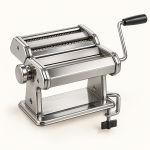
  3. Divide into four pieces. Keep unused pieces covered. Roll each piece through the widest setting of a pasta machine, folding and repeating until smooth, then work through thinner settings. Alternatively roll by hand to an even thin sheet.

  4. Dust lightly with flour and cut into noodles. Separate them on a lightly floured tray. Cook promptly, or refrigerate and cook the same day; freeze separated portions promptly for longer keeping.

  5. Bring a large pot of salted water to a boil. Add the noodles and stir gently. Start checking thin noodles after about 2 minutes, then continue until cooked through with no raw, floury center. Drain and toss with your prepared sauce.

Let’s cook

The full recipe.

Check off ingredients as you get them ready.

Changing servings? The ingredient list scales automatically. Adjust quantities named in the steps to match, and choose pans and cooking times for your batch.

Chestnut and Egg-Yolk Pasta

No ratings yet
A fresh egg-yolk pasta made with chestnut flour blended into all-purpose flour.
Servings: 4 servings
Course: Pasta
Cuisine: Italian-Inspired

Some ingredient links are affiliate links. We may earn a commission at no extra cost to you. As an Amazon Associate I earn from qualifying purchases.

Ingredients
  

  • 188 g all-purpose flour plus a little for rolling
  •  
    63 g chestnut flour
  • Three separated raw egg yolks in a clear glass bowl188 g egg yolks weighed without whites
  • water only a little if needed to bring a dry dough together
  • salt for the pasta cooking water

Equipment images are illustrative. Exact products may vary.

Instructions
 

  1. Mix the all-purpose and chestnut flours together. Add the weighed yolks and work into a rough dough. Knead until smooth and firm, adding moisture only with lightly dampened hands if the dough remains crumbly.
  2. Wrap and rest for 30 minutes. For a longer pause, refrigerate promptly and use within 24 hours, letting the dough become pliable before rolling.
  3. Divide into four pieces. Keep unused pieces covered. Roll each piece through the widest setting of a pasta machine, folding and repeating until smooth, then work through thinner settings. Alternatively roll by hand to an even thin sheet.
  4. Dust lightly with flour and cut into noodles. Separate them on a lightly floured tray. Cook promptly, or refrigerate and cook the same day; freeze separated portions promptly for longer keeping.
  5. Bring a large pot of salted water to a boil. Add the noodles and stir gently. Start checking thin noodles after about 2 minutes, then continue until cooked through with no raw, floury center. Drain and toss with your prepared sauce.

Notes

Four servings are a home portion suggestion for the dough.
This is a wheat-and-chestnut flour blend, not a gluten-free pasta.
The cooking time depends on the noodle thickness and shape.

Tried this recipe?

Let us know how it was!

A couple of useful answers.

Is all the flour chestnut flour?

No. Chestnut flour is one-quarter of the flour blend, with all-purpose wheat flour making up the rest.

Can I use the same time for every cut?

No. Check the center of a noodle and continue until cooked through; thicker cuts need longer.

Keep the good food going

Similar Recipes

Find another recipe to bring to the table.

Semolina and Egg-Yolk Pasta

Pasta

Semolina and Egg-Yolk Pasta

Knead the dough until smooth and firm, rest it before rolling, then cut into noodles. The cooking time depends on how thinly you roll and cut the dough.

Yield
4 servings
Cuisine
Italian-inspired

Bring it to the table

Use finely milled semolina

Choose fine semolina suitable for pasta, not coarse semolina grits. Resting helps the flour hydrate and makes the dough easier to roll.

At the table

Toss the cooked noodles with a sauce prepared separately and serve promptly.

Before you start

Gather your ingredients.

Full quantities and serving adjustments are in the recipe card below.

See the ingredient checklist
  • 170 g fine semolina flour — plus a little for dusting
  • 80 g all-purpose flour — plus a little for rolling
  • 150 g egg yolks — weighed without whites
  • 10 g olive oil
  • 5 g salt
  • water — only a little if needed to bring a dry dough together

A few useful notes.

Four portions are a home serving suggestion for the dough, before adding a sauce.

This is an egg-yolk dough; do not substitute the same weight of whole eggs without changing the formula.

Do not eat raw dough or leave fresh egg pasta out for extended drying.

The cooking plan

How to make Semolina and Egg-Yolk Pasta.

  1. Combine the semolina, all-purpose flour and salt in a bowl. Add the weighed yolks and olive oil, then mix and press together until a rough dough forms.

  2. Turn onto a clean surface and knead until smooth and firm. If it remains dry and crumbly after working it, dampen your hands with a little water and continue; add moisture sparingly rather than pouring in a large amount.

  3. Wrap and rest for 30 minutes. If preparing farther ahead, refrigerate the wrapped dough promptly and use within 24 hours, letting it become pliable again before rolling.

  4. Divide into four pieces and keep unused portions covered. Flatten one piece, pass through the widest pasta-machine setting, fold and repeat until smooth. Work through successively thinner settings. Alternatively roll by hand to an even thin sheet, resting briefly if it springs back.

  5. Lightly dust the sheets and cut into noodles. Keep them separated on a semolina-dusted tray. Cook promptly, or refrigerate and cook the same day; freeze separated portions promptly for longer keeping.

  6. Bring a large pot of salted water to a boil. Add the noodles, stir gently and cook until fully cooked through with no raw, floury center. Start checking thin noodles after about 2 minutes and continue as needed. Drain and toss with your prepared sauce.

Let’s cook

The full recipe.

Check off ingredients as you get them ready.

Changing servings? The ingredient list scales automatically. Adjust quantities named in the steps to match, and choose pans and cooking times for your batch.

Semolina and Egg-Yolk Pasta

No ratings yet
A rich fresh pasta dough made with semolina, all-purpose flour, egg yolks and olive oil.
Servings: 4 servings
Course: Pasta
Cuisine: Italian-Inspired

Some ingredient links are affiliate links. We may earn a commission at no extra cost to you. As an Amazon Associate I earn from qualifying purchases.

Ingredients
  

  •  
    170 g fine semolina flour plus a little for dusting
  • 80 g all-purpose flour plus a little for rolling
  • Three separated raw egg yolks in a clear glass bowl150 g egg yolks weighed without whites
  • 10 g olive oil
  • 5 g salt
  • water only a little if needed to bring a dry dough together

Equipment images are illustrative. Exact products may vary.

Instructions
 

  1. Combine the semolina, all-purpose flour and salt in a bowl. Add the weighed yolks and olive oil, then mix and press together until a rough dough forms.
  2. Turn onto a clean surface and knead until smooth and firm. If it remains dry and crumbly after working it, dampen your hands with a little water and continue; add moisture sparingly rather than pouring in a large amount.
  3. Wrap and rest for 30 minutes. If preparing farther ahead, refrigerate the wrapped dough promptly and use within 24 hours, letting it become pliable again before rolling.
  4. Divide into four pieces and keep unused portions covered. Flatten one piece, pass through the widest pasta-machine setting, fold and repeat until smooth. Work through successively thinner settings. Alternatively roll by hand to an even thin sheet, resting briefly if it springs back.
  5. Lightly dust the sheets and cut into noodles. Keep them separated on a semolina-dusted tray. Cook promptly, or refrigerate and cook the same day; freeze separated portions promptly for longer keeping.
  6. Bring a large pot of salted water to a boil. Add the noodles, stir gently and cook until fully cooked through with no raw, floury center. Start checking thin noodles after about 2 minutes and continue as needed. Drain and toss with your prepared sauce.

Notes

Four portions are a home serving suggestion for the dough, before adding a sauce.
This is an egg-yolk dough; do not substitute the same weight of whole eggs without changing the formula.
Do not eat raw dough or leave fresh egg pasta out for extended drying.

Tried this recipe?

Let us know how it was!

A couple of useful answers.

Can I roll it without a machine?

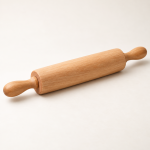
Yes. Use a rolling pin, work in small pieces and aim for an even thickness. Let it rest briefly if it keeps springing back.

Is there one cooking time for every noodle?

No. Thickness and shape change the time. Cook until the center is cooked through rather than raw and floury.

Keep the good food going

Similar Recipes

Find another recipe to bring to the table.

Lemon Pasta Salad with Crisp Capers

Lunch · Pasta

Lemon Pasta Salad with Crisp Capers

This pasta salad leans into briny flavors with olives, sun-dried tomatoes and capers used two ways. Lemon brightens the tomato-coated pasta, while crisp pine nuts and capers finish the bowl.
Serves
6 servings

Bring it to the table

About this recipe.

Pasta with olives, sun-dried tomatoes and parsley, finished with fried pine nuts and capers.

Before you start

Gather your ingredients.

Check your pantry before you begin. Full quantities and serving adjustments are in the recipe card below.

See the ingredient checklist
  • 12 oz medium pasta (such as gemelli or fusilli)
  • 1 teaspoon Diamond Crystal kosher salt (or 1/2 teaspoon Morton for the base recipe, plus more for pasta water)
  • 1/2 cup extra-virgin olive oil (plus more to drizzle)
  • 3 tablespoons pine nuts
  • 4 tablespoons drained capers (divided)
  • 1 large onion (thinly sliced)
  • 4 garlic cloves (finely chopped)
  • 2 tablespoons double-concentrated tomato paste
  • 1/2 teaspoon crushed red pepper (plus more to serve)
  • 1 bunch parsley (leaves and tender stems coarsely chopped)
  • 1/2 cup Castelvetrano olives (pitted, smashed and halved)
  • 1/2 cup chopped oil-packed sun-dried tomatoes
  • 2 teaspoons finely grated lemon zest (use 2–3 teaspoons to taste for the base recipe)
  • 3 tablespoons fresh lemon juice (plus more to taste)

Use the frying oil for the dressing base

After lifting out the pine nuts and capers, cook the onion and tomato paste in their flavored oil before tossing with the pasta.

At the table

Serve slightly warm or chilled, adding the crisp topping close to eating.

The cooking plan

How to make Lemon Pasta Salad with Crisp Capers.

  1. Cook the pasta in boiling salted water until al dente. Drain and rinse briefly under cold running water to remove excess starch.

  2. Meanwhile, heat the oil in a skillet over medium-high heat. Add the pine nuts and half the capers. Cook for about 3 minutes, stirring, until the nuts are golden and capers crisp. Lift out with a slotted spoon and drain on paper towels, keeping the oil in the pan.

  3. Add the onion and garlic to the skillet with the measured salt. Cook for about 3 minutes, stirring until the onion begins to soften. Add the tomato paste and pepper flakes and stir for about 4 minutes, until the paste darkens. Transfer to a large bowl and cool for 5–10 minutes.

  4. Toss in the pasta, parsley, olives, sun-dried tomatoes, lemon zest and juice, and remaining capers. Taste and add more lemon or salt if needed.

  5. Finish with the fried pine nuts and capers, extra pepper flakes and a drizzle of oil.

Let’s cook

The full recipe.

Check off ingredients as you get them ready.

Changing servings? The ingredient list scales automatically. Adjust quantities named in the steps to match, and choose pans and cooking times for your batch.

Lemon Pasta Salad with Crisp Capers

No ratings yet
Pasta with olives, sun-dried tomatoes and parsley, finished with fried pine nuts and capers.
Servings: 6 servings
Course: Lunch, Salad, Side Dish
Cuisine: Mediterranean-inspired

Some ingredient links are affiliate links. We may earn a commission at no extra cost to you. As an Amazon Associate I earn from qualifying purchases.

Ingredients
  

  •  
    12 oz medium pasta such as gemelli or fusilli
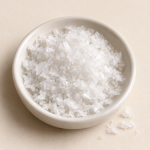
  • Light irregular kosher salt flakes in a small white bowl1 teaspoon Diamond Crystal kosher salt or 1/2 teaspoon Morton for the base recipe, plus more for pasta water
  • ½ cup extra-virgin olive oil plus more to drizzle
  •  
    3 tablespoons pine nuts
  • 4 tablespoons capers drained & divided
  • 1 large onion thinly sliced
  • 4 garlic cloves finely chopped
  •  
    2 tablespoons double-concentrated tomato paste
  • ½ teaspoon crushed red pepper plus more to serve
  •  
    1 bunch parsley leaves and tender stems coarsely chopped
  •  
    ½ cup Castelvetrano olives pitted, smashed and halved
  •  
    ½ cup chopped oil-packed sun-dried tomatoes
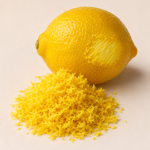
  • Finely grated yellow lemon zest beside a partly zested lemon2 teaspoons finely grated lemon zest use 2–3 teaspoons to taste for the base recipe
  • 3 tablespoons fresh lemon juice plus more to taste

Equipment images are illustrative. Exact products may vary.

Instructions
 

  1. Cook the pasta in boiling salted water until al dente. Drain and rinse briefly under cold running water to remove excess starch.
  2. Meanwhile, heat the oil in a skillet over medium-high heat. Add the pine nuts and half the capers. Cook for about 3 minutes, stirring, until the nuts are golden and capers crisp. Lift out with a slotted spoon and drain on paper towels, keeping the oil in the pan.
  3. Add the onion and garlic to the skillet with the measured salt. Cook for about 3 minutes, stirring until the onion begins to soften. Add the tomato paste and pepper flakes and stir for about 4 minutes, until the paste darkens. Transfer to a large bowl and cool for 5–10 minutes.
  4. Toss in the pasta, parsley, olives, sun-dried tomatoes, lemon zest and juice, and remaining capers. Taste and add more lemon or salt if needed.
  5. Finish with the fried pine nuts and capers, extra pepper flakes and a drizzle of oil.

Notes

Makes 4–6 servings; the serving adjustment starts at 6.
The fried capers go on at the end; the unfried half is tossed through the salad.

Tried this recipe?

Let us know how it was!

A couple of useful answers.

How do I change the number of servings?

Use the serving controls in the recipe card. Ingredient quantities change automatically; quantities written in the instructions, pan sizes and cooking times still need your attention.

Can I print or check off the ingredients?

Choose Print recipe near the title for a printable version. On this page, check ingredients off as you prepare them, then use Reset ingredient checks to start again.

Keep the good food going

Similar Recipes

Choose your next craving. Each card includes its recipe’s total time.