Citrus, Ginger and Curry Dressing

Condiment

Citrus, Ginger and Curry Dressing

Measure the juices rather than counting whole fruit, then whisk them into commercial mayonnaise. The finished dressing is meant to be spoonable but loose enough to drizzle.

Yield
1 small batch
Cuisine
Contemporary

Bring it to the table

Use measured juice

Fruit sizes vary. Start with the measured amounts below and add any extra juice only a teaspoon at a time if you want a thinner dressing.

At the table

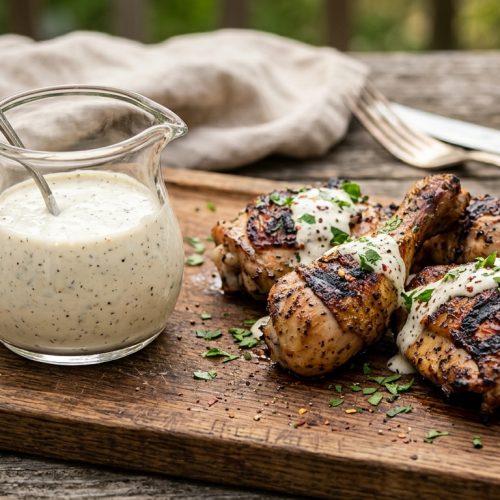
Drizzle sparingly over cooked fish, vegetables or a salad, with extra dressing served separately.

Before you start

Gather your ingredients.

Full quantities and serving adjustments are in the recipe card below.

See the ingredient checklist
  • 180 g commercial mayonnaise
  • 30 ml fresh orange juice
  • 15 ml fresh grapefruit juice
  • 10 ml fresh lemon juice
  • 1/4 tsp curry powder
  • 3/4 tsp fresh ginger — finely grated
  • 3/4 tsp extra-virgin olive oil
  • 1 pinch Espelette pepper
  • salt — to taste

A few useful notes.

Commercial mayonnaise avoids making a separate uncooked egg emulsion.

The base batch uses measured juice quantities rather than a fixed number of fruits.

The recipe control represents one small batch, without a measured finished-volume claim.

The cooking plan

How to make Citrus, Ginger and Curry Dressing.

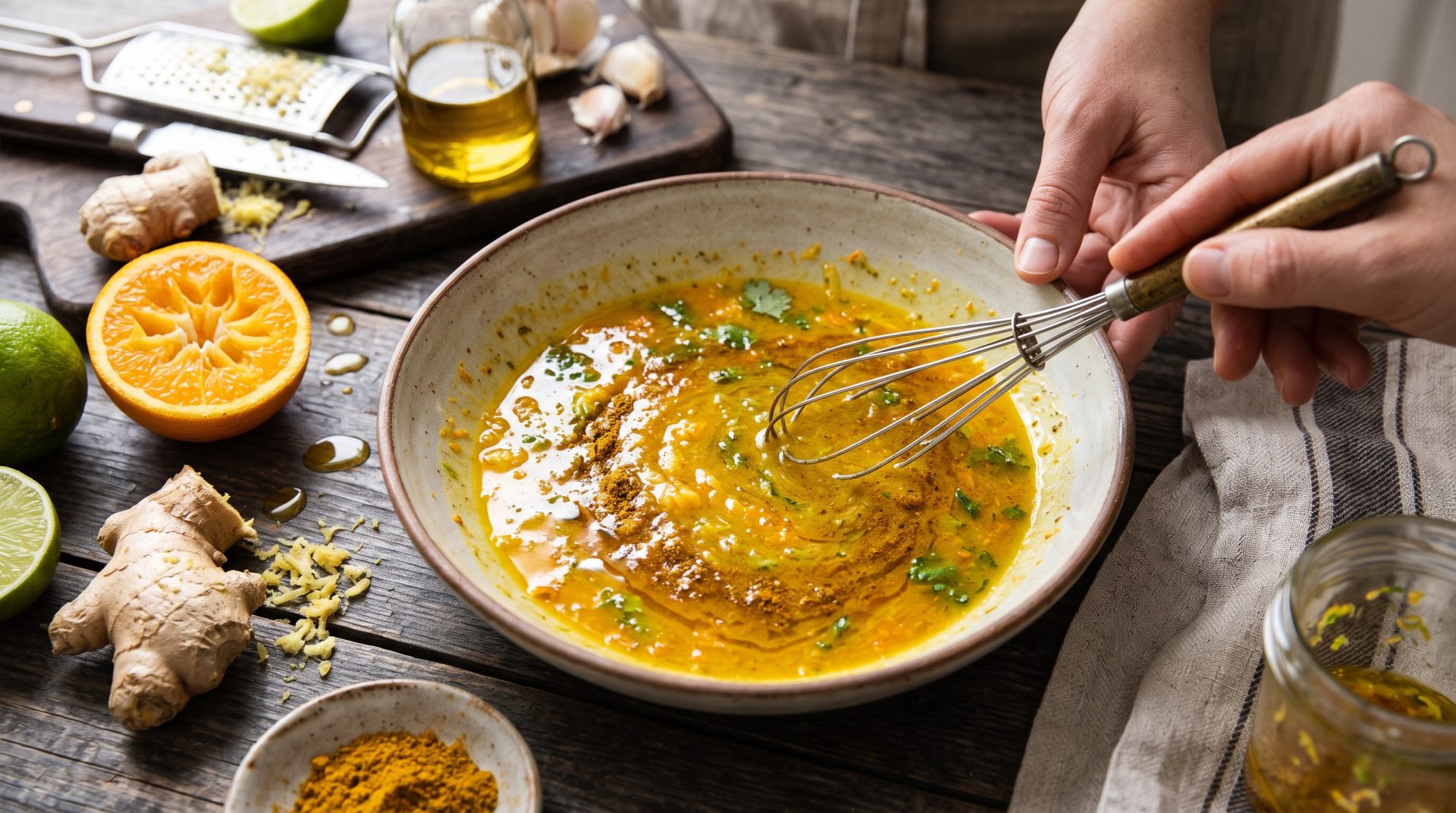
  1. Wash the fruit before cutting and squeeze the juices. Measure the listed amounts, straining out seeds.

  2. Whisk the mayonnaise, measured juices, curry powder, ginger and olive oil together until smooth.

  3. Add Espelette and salt to taste. For a thinner dressing, add extra juice only a teaspoon at a time, stirring and tasting between additions.

  4. Cover and refrigerate promptly at 40°F or below. Stir before serving and use within 2 days. Discard dressing left at room temperature for more than 2 hours.

Let’s cook

The full recipe.

Check off ingredients as you get them ready.

Changing servings? The ingredient list scales automatically. Adjust quantities named in the steps to match, and choose pans and cooking times for your batch.
Citrus, Ginger and Curry Dressing

No ratings yet
A creamy dressing with orange, grapefruit, lemon, fresh ginger and a little curry powder.
Servings: 1 small batch
Course: Condiment
Cuisine: Contemporary

Some ingredient links are affiliate links. We may earn a commission at no extra cost to you. As an Amazon Associate I earn from qualifying purchases.

Ingredients
  

  • 180 g Mayonnaise
  • 30 ml Orange juice
  • 15 ml grapefruit juice
  • 10 ml fresh lemon juice
  • ¼ tsp curry powder
  • Fresh ginger roots with a cut piece showing the yellow interior¾ tsp fresh ginger finely grated
  • ¾ tsp extra-virgin olive oil
  • 1 pinch espelette pepper
  • salt to taste

Equipment images are illustrative. Exact products may vary.

Instructions
 

  1. Wash the fruit before cutting and squeeze the juices. Measure the listed amounts, straining out seeds.
  2. Whisk the mayonnaise, measured juices, curry powder, ginger and olive oil together until smooth.
  3. Add Espelette and salt to taste. For a thinner dressing, add extra juice only a teaspoon at a time, stirring and tasting between additions.
  4. Cover and refrigerate promptly at 40°F or below. Stir before serving and use within 2 days. Discard dressing left at room temperature for more than 2 hours.

Notes

Commercial mayonnaise avoids making a separate uncooked egg emulsion.
The base batch uses measured juice quantities rather than a fixed number of fruits.
The recipe control represents one small batch, without a measured finished-volume claim.

Tried this recipe?

Let us know how it was!

A couple of useful answers.

Can I add all the juice from a whole orange?

Measure first; fruit sizes vary and extra juice can make the dressing too thin.

Does this require homemade mayonnaise?

No. Use commercial mayonnaise for this version.

Keep the good food going

Similar Recipes

Find another recipe to bring to the table.

Caper, Cornichon and Mustard Dressing

Condiment

Caper, Cornichon and Mustard Dressing

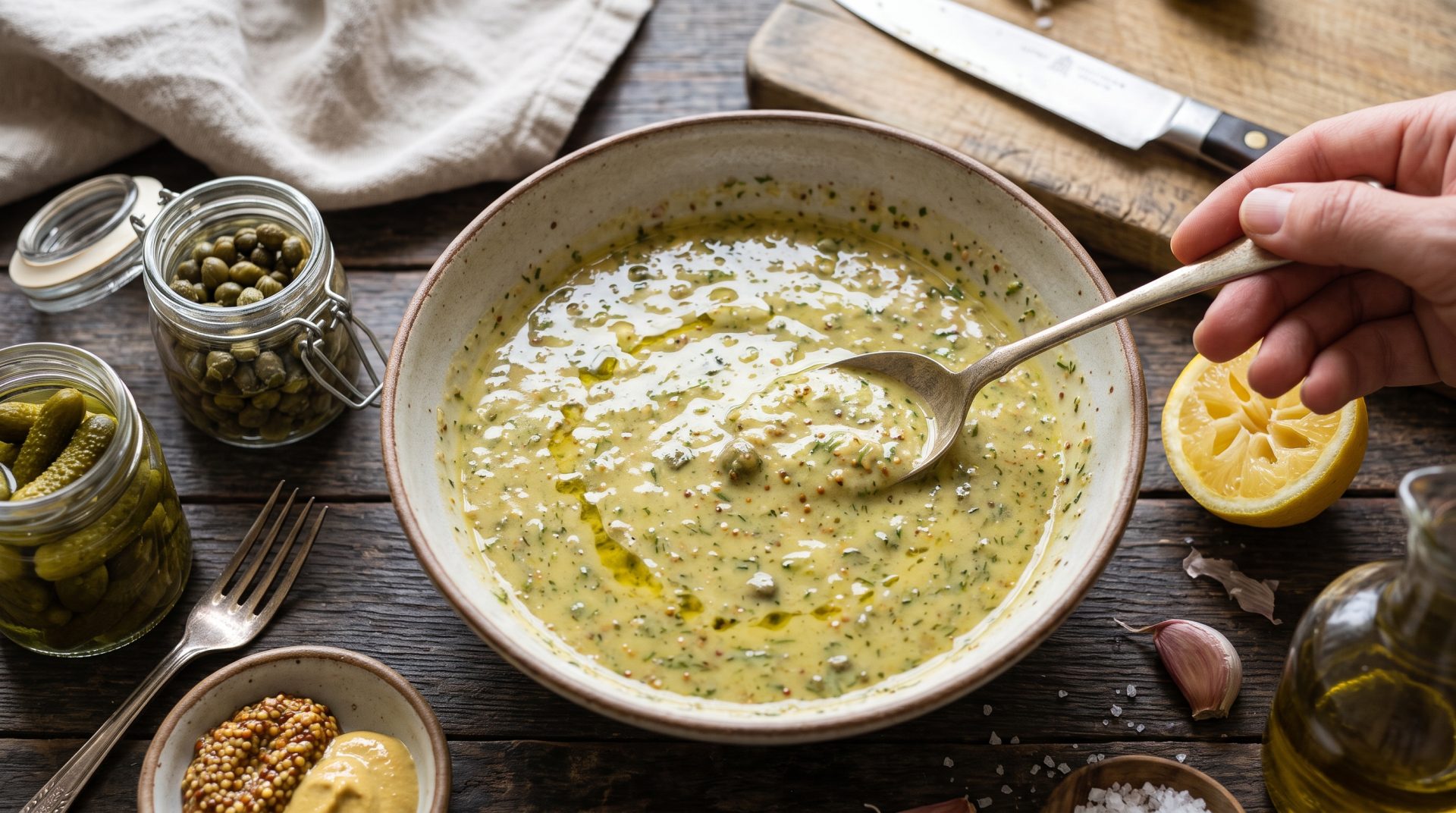
Whisk the smooth ingredients together first, then add the oil gradually. The chopped pickles, capers and shallot go in at the end for texture.

Yield
1 small batch
Cuisine
French-inspired

Bring it to the table

Drain the chopped ingredients

Drain the cornichons and capers before chopping so their brine does not unnecessarily thin the dressing.

At the table

Use a small spoonful with cooked beef, roasted vegetables or a potato salad. Add more only after tasting.

Before you start

Gather your ingredients.

Full quantities and serving adjustments are in the recipe card below.

See the ingredient checklist
  • 75 g pasteurized egg yolks — weighed; use a product labeled pasteurized
  • 20 g Dijon mustard
  • 12.5 g Worcestershire sauce
  • 12.5 g ketchup
  • 50 ml neutral vegetable oil
  • 8 g shallot — finely minced
  • 13 g cornichons — drained and finely chopped
  • 7 g capers — drained and finely chopped
  • 2 g Tabasco or similar hot sauce
  • 1.25 g salt — or less to taste
  • fresh chives — finely chopped, to taste
  • fresh parsley — finely chopped, to taste

A few useful notes.

Use pasteurized yolks because this dressing is not cooked.

This recipe is the dressing component only.

Worcestershire sauce commonly contains fish; check the product label.

The recipe control represents one small batch, not a measured finished volume.

The cooking plan

How to make Caper, Cornichon and Mustard Dressing.

  1. Whisk the pasteurized yolks, Dijon, Worcestershire sauce and ketchup in a bowl until smooth.

  2. Add the oil a few drops at a time while whisking steadily. Once incorporated, continue adding in a thin stream, whisking until evenly combined.

  3. Fold in the shallot, cornichons and capers. Add the hot sauce, then salt gradually to taste; the mustard, pickles and sauces already contribute salt.

  4. Cover and refrigerate promptly at 40°F or below. Stir in chopped chives and parsley just before serving. Use within 2 days, and discard dressing left at room temperature for more than 2 hours.

Let’s cook

The full recipe.

Check off ingredients as you get them ready.

Changing servings? The ingredient list scales automatically. Adjust quantities named in the steps to match, and choose pans and cooking times for your batch.

Caper, Cornichon and Mustard Dressing

No ratings yet
A rich, punchy dressing with Dijon, cornichons, capers, shallot and a little hot sauce.
Servings: 1 small batch
Course: Condiment
Cuisine: French-inspired

Some ingredient links are affiliate links. We may earn a commission at no extra cost to you. As an Amazon Associate I earn from qualifying purchases.

Ingredients

  

  • 75 g pasteurized egg yolks weighed; use a product labeled pasteurized
  • 20 g Dijon mustard
  • 12.5 g Worcestershire sauce
  • 12.5 g ketchup
  • 50 ml neutral vegetable oil
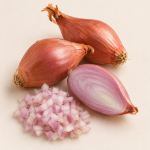
  • Whole, halved and chopped pink shallots8 g shallot finely minced
  • 13 g cornichons drained and finely chopped
  • 7 g capers drained and finely chopped
  • 2 g Tabasco or similar hot sauce
  • 1.25 g salt or less to taste
  • fresh chives finely chopped, to taste
  • fresh parsley finely chopped, to taste

Equipment images are illustrative. Exact products may vary.

Instructions
 

  1. Whisk the pasteurized yolks, Dijon, Worcestershire sauce and ketchup in a bowl until smooth.
  2. Add the oil a few drops at a time while whisking steadily. Once incorporated, continue adding in a thin stream, whisking until evenly combined.
  3. Fold in the shallot, cornichons and capers. Add the hot sauce, then salt gradually to taste; the mustard, pickles and sauces already contribute salt.
  4. Cover and refrigerate promptly at 40°F or below. Stir in chopped chives and parsley just before serving. Use within 2 days, and discard dressing left at room temperature for more than 2 hours.

Notes

Use pasteurized yolks because this dressing is not cooked.
This recipe is the dressing component only.
Worcestershire sauce commonly contains fish; check the product label.
The recipe control represents one small batch, not a measured finished volume.

Tried this recipe?

Let us know how it was!

A couple of useful answers.

Is this a complete beef tartare recipe?

No. This page covers the dressing component and suggests using it with cooked foods.

Can I make it ahead?

Keep it covered and refrigerated and use within 2 days. Add the fresh herbs when serving.

Keep the good food going

Similar Recipes

Find another recipe to bring to the table.

Garlic and Potato Aïoli

Condiment

Garlic and Potato Aïoli

Mash the cooked potato and garlic finely before starting the emulsion. Whisk the oil in slowly at first, then in a thin stream as the sauce thickens.

Yield
1 small batch
Cuisine
French-inspired

Bring it to the table

Use a pasteurized yolk

This sauce is not cooked after the yolk is added. Choose an egg or yolk product specifically labeled pasteurized.

At the table

Spoon a little alongside cooked fish, roasted vegetables or potatoes. Keep the rest chilled until needed.

Before you start

Gather your ingredients.

Full quantities and serving adjustments are in the recipe card below.

See the ingredient checklist
  • 45 g cooked peeled potato — plain, finely mashed and cooled; home-batch amount
  • 30 g garlic — peeled and finely grated
  • 1 pasteurized egg yolk — do not substitute an unpasteurized raw yolk
  • 8 g Dijon mustard
  • 100 ml olive oil
  • 150 ml canola oil
  • salt — to taste
  • ground black pepper — to taste
  • 1 pinch Espelette pepper

A few useful notes.

This version is strongly flavored with garlic.

The potato amount is specified by cooked weight for this home batch.

Use pasteurized yolk; adding oil or mustard does not cook the egg.

The recipe control represents one small batch, without a fixed serving or finished-volume claim.

The cooking plan

How to make Garlic and Potato Aïoli.

  1. For the potato, simmer a peeled potato in water until completely tender. Drain, mash finely while warm and measure the listed cooked weight. Spread the measured portion in a shallow dish to cool promptly before combining with the yolk.

  2. Mash the grated garlic to a very fine paste. In a bowl, combine it with the cooled potato, pasteurized yolk and Dijon until smooth.

  3. Combine the two oils in a pouring jug. Whisk a few drops at a time into the potato mixture, incorporating each addition before adding more. Once the mixture is visibly thickening, continue in a very thin stream while whisking steadily.

  4. Season with salt, black pepper and Espelette to taste. Cover and refrigerate promptly at 40°F or below. Use within 2 days; discard any sauce left at room temperature for more than 2 hours.

Let’s cook

The full recipe.

Check off ingredients as you get them ready.

Changing servings? The ingredient list scales automatically. Adjust quantities named in the steps to match, and choose pans and cooking times for your batch.

Garlic and Potato Aïoli

No ratings yet
A bold garlic sauce made with mashed potato, Dijon, pasteurized egg yolk and a blend of olive and canola oils.
Servings: 1 small batch
Course: Condiment
Cuisine: French-inspired

Some ingredient links are affiliate links. We may earn a commission at no extra cost to you. As an Amazon Associate I earn from qualifying purchases.

Ingredients

  

  •  
    45 g cooked peeled potato plain, finely mashed and cooled; home-batch amount
  • 30 g garlic peeled and finely grated
  • 1 pasteurized egg yolks do not substitute an unpasteurized raw yolk
  • 8 g Dijon mustard
  • 100 ml olive oil
  • 150 ml canola oil
  • salt to taste
  • ground black pepper to taste
  • 1 pinch espelette pepper

Equipment images are illustrative. Exact products may vary.

Instructions
 

  1. For the potato, simmer a peeled potato in water until completely tender. Drain, mash finely while warm and measure the listed cooked weight. Spread the measured portion in a shallow dish to cool promptly before combining with the yolk.
  2. Mash the grated garlic to a very fine paste. In a bowl, combine it with the cooled potato, pasteurized yolk and Dijon until smooth.
  3. Combine the two oils in a pouring jug. Whisk a few drops at a time into the potato mixture, incorporating each addition before adding more. Once the mixture is visibly thickening, continue in a very thin stream while whisking steadily.
  4. Season with salt, black pepper and Espelette to taste. Cover and refrigerate promptly at 40°F or below. Use within 2 days; discard any sauce left at room temperature for more than 2 hours.

Notes

This version is strongly flavored with garlic.
The potato amount is specified by cooked weight for this home batch.
Use pasteurized yolk; adding oil or mustard does not cook the egg.
The recipe control represents one small batch, without a fixed serving or finished-volume claim.

Tried this recipe?

Let us know how it was!

A couple of useful answers.

Can I use a regular raw egg yolk?

Use a yolk specifically labeled pasteurized because the finished sauce is uncooked.

Why add the oil slowly?

Slow additions let the yolk and mustard hold the oil in an emulsion rather than leaving a layer of oil.

Keep the good food going

Similar Recipes

Find another recipe to bring to the table.

Hard-Cooked Egg Gribiche Sauce

Condiment

Hard-Cooked Egg Gribiche Sauce

Mash the cooked yolks with mustard and lemon, then whisk in the oil before folding in the chopped whites and pickles. This home version uses fully cooked eggs.

Yield
1 small batch
Cuisine
French-inspired

Bring it to the table

Cool the eggs before mixing

Cook until both yolks and whites are firm, then cool promptly in ice water. Dry the peeled eggs before separating and chopping.

At the table

Spoon a little over cooked vegetables, potatoes or a finished fish dish.

Before you start

Gather your ingredients.

Full quantities and serving adjustments are in the recipe card below.

See the ingredient checklist
  • 2 large eggs
  • 30 g capers — drained and chopped
  • 30 g cornichons — drained and chopped
  • 2 tbsp lemon juice
  • 150 ml extra-virgin olive oil
  • 1 1/2 tsp Dijon mustard
  • 2 1/4 tsp shallot — finely diced
  • 1 tbsp flat-leaf parsley — finely chopped
  • 1 pinch Espelette pepper
  • salt — to taste

A few useful notes.

This version uses hard-cooked eggs rather than soft or raw yolks.

Capers and cornichons contribute salt; taste before adding more.

The cooking plan

How to make Hard-Cooked Egg Gribiche Sauce.

  1. Lower the eggs gently into simmering water and cook until both yolks and whites are completely firm, about 10–12 minutes for large eggs. Transfer to ice water to cool promptly, then peel and pat dry.

  2. Separate the yolks from the whites. Mash the yolks smoothly with the mustard and lemon juice. Chop the whites separately.

  3. Whisk the olive oil into the yolk mixture slowly, beginning a little at a time. Continue until evenly combined, then fold in the chopped whites, capers, cornichons, shallot and parsley.

  4. Add Espelette pepper and salt to taste. Refrigerate promptly in a clean covered container at 40°F or below and use within 3–4 days. Stir before serving.

Let’s cook

The full recipe.

Check off ingredients as you get them ready.

Changing servings? The ingredient list scales automatically. Adjust quantities named in the steps to match, and choose pans and cooking times for your batch.

Hard-Cooked Egg Gribiche Sauce

No ratings yet
A tangy French-style sauce with hard-cooked eggs, capers, cornichons, shallot and parsley.
Servings: 1 small batch
Course: Condiment
Cuisine: French-inspired

Some ingredient links are affiliate links. We may earn a commission at no extra cost to you. As an Amazon Associate I earn from qualifying purchases.

Ingredients
  

  • 2 large eggs
  • 30 g capers drained and chopped
  • 30 g cornichons drained and chopped
  • 2 tbsp lemon juice
  • 150 ml extra-virgin olive oil
  • 1 ½ tsp Dijon mustard
  • Whole, halved and chopped pink shallots2 ¼ tsp shallot finely diced
  •  
    1 tbsp flat-leaf parsley finely chopped
  • 1 pinch espelette pepper
  • salt to taste

Equipment images are illustrative. Exact products may vary.

Instructions
 

  1. Lower the eggs gently into simmering water and cook until both yolks and whites are completely firm, about 10–12 minutes for large eggs. Transfer to ice water to cool promptly, then peel and pat dry.
  2. Separate the yolks from the whites. Mash the yolks smoothly with the mustard and lemon juice. Chop the whites separately.
  3. Whisk the olive oil into the yolk mixture slowly, beginning a little at a time. Continue until evenly combined, then fold in the chopped whites, capers, cornichons, shallot and parsley.
  4. Add Espelette pepper and salt to taste. Refrigerate promptly in a clean covered container at 40°F or below and use within 3–4 days. Stir before serving.

Notes

This version uses hard-cooked eggs rather than soft or raw yolks.
Capers and cornichons contribute salt; taste before adding more.

Tried this recipe?

Let us know how it was!

A couple of useful answers.

Does this contain raw eggs?

No. Cook both yolks and whites until completely firm before making the sauce.

Should the finished sauce be perfectly smooth?

The yolk-and-oil base is mixed first, then chopped egg whites and pickles provide texture.

Keep the good food going

Similar Recipes

Find another recipe to bring to the table.

Small-Batch Caramel Syrup

Dessert

Small-Batch Caramel Syrup

Melt the sugar until amber, then loosen it carefully with hot water. A roomy pan gives the bubbling caramel space when the water is added.

Yield
1 batch
Cuisine
Contemporary

Bring it to the table

Prepare the water first

Heat the measured water separately and have it ready before the sugar changes color. Hot caramel splashes and steam can burn; keep your hands and face clear.

At the table

Cool completely before tasting or spooning a little over a dessert.

Before you start

Gather your ingredients.

Full quantities and serving adjustments are in the recipe card below.

See the ingredient checklist
  • 250 g granulated sugar
  • 150 g water — heated separately

A few useful notes.

This is a water-based caramel syrup, not a cream-based caramel sauce.

The finished thickness depends on evaporation; it thickens as it cools.

Never touch or taste hot caramel.

The cooking plan

How to make Small-Batch Caramel Syrup.

  1. Heat the measured water in a separate small saucepan and keep it hot. Put the sugar in an even layer in a wide, heavy saucepan with high sides and plenty of extra room.

  2. Cook the sugar over low to medium-low heat, gently moving it with a heatproof spatula as it melts. Continue until smooth and evenly amber; reduce the heat if patches darken too fast. Stay beside the pan throughout.

  3. Remove from the heat. Wearing oven mitts and keeping your face away, add the hot water very slowly in small portions. It will bubble and release steam vigorously. Pause between additions so it does not rise over the pan.

  4. If caramel hardens into pieces, return to low heat and stir gently until dissolved. Let cool fully before tasting; the syrup is extremely hot even after the bubbling stops.

  5. Transfer to a clean heatproof container, cool promptly and refrigerate within 2 hours. Keep covered at 40°F or below and use within 4 days, or freeze portions promptly.

Let’s cook

The full recipe.

Check off ingredients as you get them ready.

Changing servings? The ingredient list scales automatically. Adjust quantities named in the steps to match, and choose pans and cooking times for your batch.

Small-Batch Caramel Syrup

No ratings yet
An amber caramel syrup made with sugar and water, with no cream or butter.
Servings: 1 batch
Course: Dessert
Cuisine: Contemporary

Some ingredient links are affiliate links. We may earn a commission at no extra cost to you. As an Amazon Associate I earn from qualifying purchases.

Ingredients

  

  • 250 g granulated sugar
  • 150 g water heated separately

Equipment images are illustrative. Exact products may vary.

Instructions
 

  1. Heat the measured water in a separate small saucepan and keep it hot. Put the sugar in an even layer in a wide, heavy saucepan with high sides and plenty of extra room.
  2. Cook the sugar over low to medium-low heat, gently moving it with a heatproof spatula as it melts. Continue until smooth and evenly amber; reduce the heat if patches darken too fast. Stay beside the pan throughout.
  3. Remove from the heat. Wearing oven mitts and keeping your face away, add the hot water very slowly in small portions. It will bubble and release steam vigorously. Pause between additions so it does not rise over the pan.
  4. If caramel hardens into pieces, return to low heat and stir gently until dissolved. Let cool fully before tasting; the syrup is extremely hot even after the bubbling stops.
  5. Transfer to a clean heatproof container, cool promptly and refrigerate within 2 hours. Keep covered at 40°F or below and use within 4 days, or freeze portions promptly.

Notes

This is a water-based caramel syrup, not a cream-based caramel sauce.
The finished thickness depends on evaporation; it thickens as it cools.
Never touch or taste hot caramel.

Tried this recipe?

Let us know how it was!

A couple of useful answers.

Why did the caramel turn hard when I added water?

Some caramel can seize as the water is added. Gentle reheating dissolves those pieces into the syrup.

Does it contain cream or butter?

No. This version uses only sugar and water.

Keep the good food going

Similar Recipes

Find another recipe to bring to the table.

Cassis and Raspberry Dessert Syrup

Dessert

Cassis and Raspberry Dessert Syrup

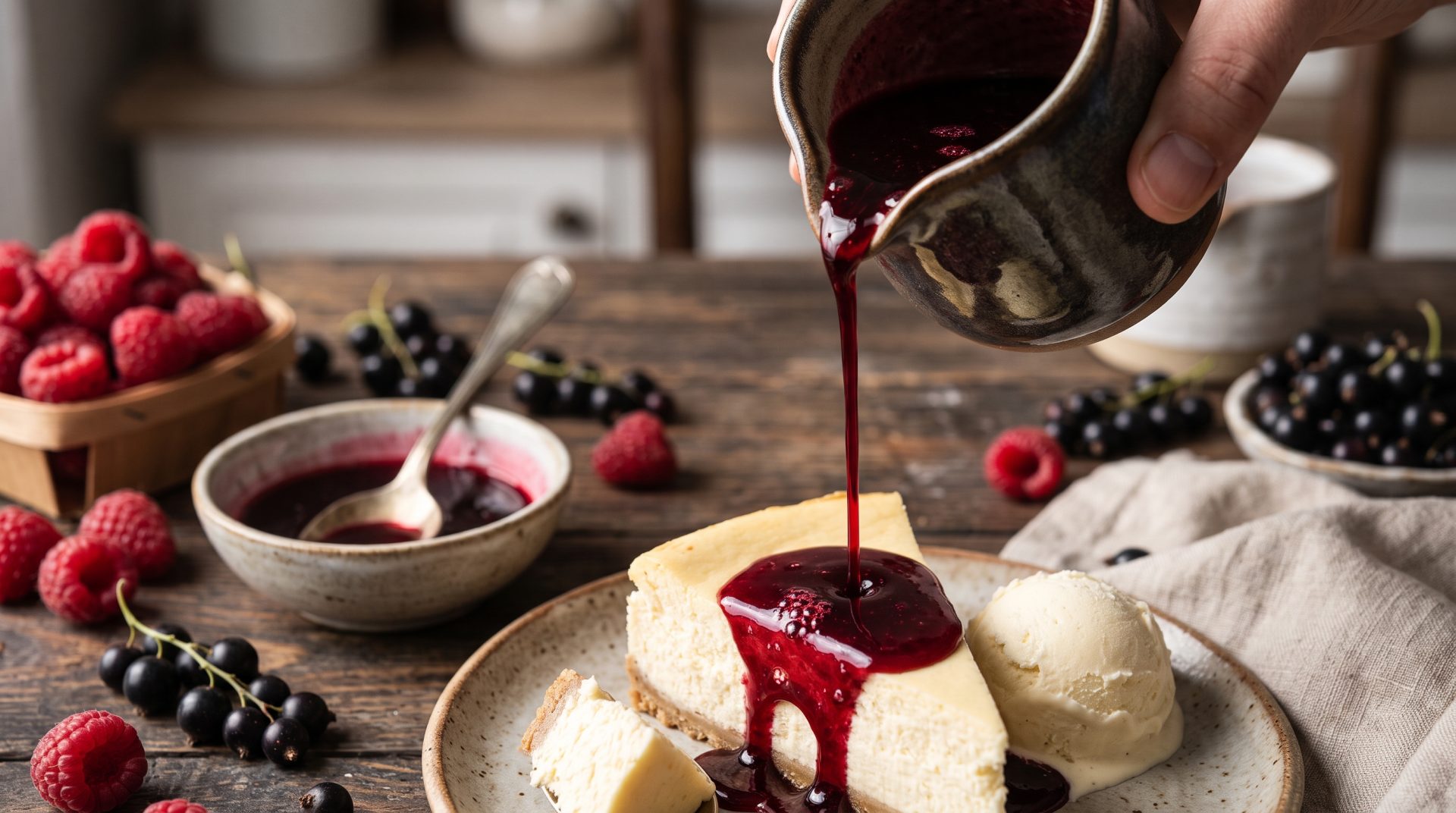
Stir crème de cassis and smooth raspberry coulis into cooled citrus-peel syrup. There is no cooking step after the liqueur is added, so its alcohol remains part of the mixture.

Yield
1 small batch
Cuisine
French-inspired

Bring it to the table

Use a cold base

Let the base syrup cool completely before mixing. Stir the fruit coulis smooth so it blends evenly.

At the table

Drizzle sparingly over a finished dessert or stir in a little at a time, tasting as you go.

Base recipe: Citrus-Peel Dessert Syrup

Before you start

Gather your ingredients.

Full quantities and serving adjustments are in the recipe card below.

See the ingredient checklist
  • 125 ml citrus-peel dessert syrup — cooled; prepared separately
  • 15 ml crème de cassis — blackcurrant liqueur
  • 15 ml raspberry coulis — smooth and seedless

A few useful notes.

This syrup contains alcohol and is not an alcohol-free topping.

It is a flavoring component, not a finished sorbet formula.

Mixing the ingredients does not restart the storage life of a previously prepared base.

The cooking plan

How to make Cassis and Raspberry Dessert Syrup.

  1. Measure the cooled dessert syrup into a clean bowl or jug. Stir in the crème de cassis and raspberry coulis until evenly combined.

  2. Transfer to a clean covered container and refrigerate promptly at 40°F or below. Use within 4 days, counting from the oldest homemade syrup or coulis preparation date. Stir before using.

Let’s cook

The full recipe.

Check off ingredients as you get them ready.

Changing servings? The ingredient list scales automatically. Adjust quantities named in the steps to match, and choose pans and cooking times for your batch.

Cassis and Raspberry Dessert Syrup

No ratings yet
A blackcurrant liqueur and raspberry syrup for adding a small sweet-tart accent to desserts.
Servings: 1 small batch
Course: Dessert
Cuisine: French-inspired

Some ingredient links are affiliate links. We may earn a commission at no extra cost to you. As an Amazon Associate I earn from qualifying purchases.

Ingredients
  

  • 125 ml citrus-peel dessert syrup cooled; prepared separately
  • 15 ml crème de cassis blackcurrant liqueur
  • 15 ml raspberry coulis smooth and seedless

Equipment images are illustrative. Exact products may vary.

Instructions
 

  1. Measure the cooled dessert syrup into a clean bowl or jug. Stir in the crème de cassis and raspberry coulis until evenly combined.
  2. Transfer to a clean covered container and refrigerate promptly at 40°F or below. Use within 4 days, counting from the oldest homemade syrup or coulis preparation date. Stir before using.

Notes

This syrup contains alcohol and is not an alcohol-free topping.
It is a flavoring component, not a finished sorbet formula.
Mixing the ingredients does not restart the storage life of a previously prepared base.
Base recipe: Citrus-Peel Dessert Syrup

Tried this recipe?

Let us know how it was!

A couple of useful answers.

Does heating remove the alcohol?

This recipe does not heat the liqueur after mixing, and the syrup contains alcohol.

How much should I add to a dessert?

Start with a small amount and taste. The appropriate amount depends on the dessert and the sweetness of the coulis.

Keep the good food going

Similar Recipes

Find another recipe to bring to the table.