Rosemary Olive Oil Cake with Orange Caramel

Dessert

Rosemary Olive Oil Cake with Orange Caramel

Pulse fresh rosemary into the sugar for this olive oil cake, then finish it with a cream caramel made with blood orange juice. Fresh orange pieces go on just before serving.

Yield
10 servings
Cuisine
Mediterranean-inspired

Bring it to the table

Flavor the sugar first

Processing rosemary with sugar breaks the leaves into small pieces and distributes them through the batter. Beat that sugar with the eggs before gradually adding the oil.

At the table

Add the fresh citrus and caramel close to serving time. Bring extra caramel to the table for spooning over slices.

Before you start

Gather your ingredients.

Full quantities and serving adjustments are in the recipe card below.

See the ingredient checklist
  • 2/3 cup olive oil — plus more for the pan
  • 150 g granulated sugar
  • 1/4 cup rosemary leaves — packed
  • 125 g all-purpose flour
  • 63 g whole wheat flour
  • 1 tsp baking powder
  • 1/4 tsp baking soda
  • 1/2 tsp Diamond Crystal kosher salt — or use half as much Morton kosher salt
  • 1/2 tsp vanilla extract
  • 4 large eggs
  • 3/4 cup sour cream
  • 1/2 cup blood orange or navel orange juice
  • 200 g granulated sugar
  • 1/4 cup water
  • 1/2 cup heavy cream — at room temperature for mixing
  • 1 tbsp lemon juice
  • kosher salt — a pinch, to taste
  • 1 blood orange or navel orange — peeled and cut into segments or wheels
  • 1 Cara Cara or navel orange — peeled and cut into segments or wheels
  • flaky sea salt — to finish

A few useful notes.

The base batch serves about 10–12 and uses a 9-inch springform pan. The serving control starts at 10.

Add the caramel close to serving so the cake does not sit soaking under the sauce.

Use fresh rosemary leaves, not the woody stems.

The cooking plan

How to make Rosemary Olive Oil Cake with Orange Caramel.

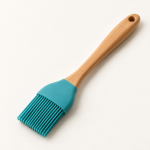
  1. Heat the oven to 350°F with a rack in the middle. Brush a 9-inch springform pan generously with oil. Line its base with parchment and brush the paper with oil.

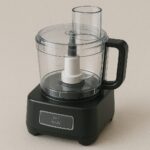
  2. Pulse the cake sugar and rosemary in a blender or food processor until combined with small pieces of herb. Whisk both flours, baking powder, baking soda and measured salt in a separate bowl. Stir the vanilla into the measured cake oil.

  3. Beat the rosemary sugar and eggs on high speed for about 4 minutes, until pale, thick and roughly doubled in volume. On low speed, gradually drizzle in the oil mixture. Mix in half the dry ingredients, then the sour cream. Fold the remaining dry mixture in by hand, scraping the bowl.

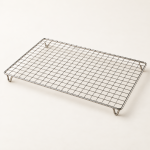
  4. Transfer to the pan and smooth the surface. Bake for 35–40 minutes, until golden, puffed and a tester comes out clean. Cool slightly on a rack, remove the springform sides, turn out and peel away the parchment. Set right-side up on a serving plate.

  5. For the caramel, dissolve the caramel sugar in its water in a saucepan over medium-high heat, stirring. Stop stirring and cook, swirling the pan occasionally, for about 9–11 minutes, until a deep golden honey color.

  6. Lower the heat and carefully add the cream, orange juice, lemon juice and a pinch of salt; the mixture will bubble strongly and may clump. Stir with a heatproof spatula for 5–7 minutes, until any hardened caramel melts and the sauce thickens slightly. Let cool, stirring now and then.

  7. Just before serving, arrange the fresh citrus over the cake, spoon some caramel over it and finish with flaky salt. Offer remaining caramel alongside.

Let’s cook

The full recipe.

Check off ingredients as you get them ready.

Changing servings? The ingredient list scales automatically. Adjust quantities named in the steps to match, and choose pans and cooking times for your batch.

Rosemary Olive Oil Cake with Orange Caramel

No ratings yet
A rosemary-scented olive oil cake with blood orange caramel and fresh citrus on top.
Servings: 10 servings
Course: Dessert
Cuisine: Mediterranean-inspired

Some ingredient links are affiliate links. We may earn a commission at no extra cost to you. As an Amazon Associate I earn from qualifying purchases.

Ingredients
  

Cake
  • ⅔ cup olive oil plus more for the pan
  • 150 g granulated sugar
  •  
    ¼ cup rosemary leaves packed
  • 125 g all-purpose flour
  •  
    63 g whole wheat flour
  •  
    1 tsp baking powder
  •  
    ¼ tsp baking soda
  •  
    ½ tsp Diamond Crystal kosher salt or use half as much Morton kosher salt
  • ½ tsp vanilla extract
  • 4 large eggs
  • ¾ cup sour cream
Caramel
  •  
    ½ cup blood orange or navel orange juice
  • 200 g granulated sugar
  • ¼ cup water
  • ½ cup heavy cream at room temperature for mixing
  • 1 tbsp lemon juice
  • kosher salt a pinch, to taste
To finish
  •  
    1 blood orange or navel orange peeled and cut into segments or wheels
  •  
    1 Cara Cara or navel orange peeled and cut into segments or wheels
  •  
    flaky sea salt to finish

Equipment images are illustrative. Exact products may vary.
Instructions
 

  1. Heat the oven to 350°F with a rack in the middle. Brush a 9-inch springform pan generously with oil. Line its base with parchment and brush the paper with oil.
  2. Pulse the cake sugar and rosemary in a blender or food processor until combined with small pieces of herb. Whisk both flours, baking powder, baking soda and measured salt in a separate bowl. Stir the vanilla into the measured cake oil.
  3. Beat the rosemary sugar and eggs on high speed for about 4 minutes, until pale, thick and roughly doubled in volume. On low speed, gradually drizzle in the oil mixture. Mix in half the dry ingredients, then the sour cream. Fold the remaining dry mixture in by hand, scraping the bowl.
  4. Transfer to the pan and smooth the surface. Bake for 35–40 minutes, until golden, puffed and a tester comes out clean. Cool slightly on a rack, remove the springform sides, turn out and peel away the parchment. Set right-side up on a serving plate.
  5. For the caramel, dissolve the caramel sugar in its water in a saucepan over medium-high heat, stirring. Stop stirring and cook, swirling the pan occasionally, for about 9–11 minutes, until a deep golden honey color.
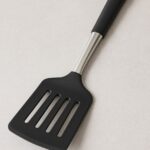
  6. Lower the heat and carefully add the cream, orange juice, lemon juice and a pinch of salt; the mixture will bubble strongly and may clump. Stir with a heatproof spatula for 5–7 minutes, until any hardened caramel melts and the sauce thickens slightly. Let cool, stirring now and then.
  7. Just before serving, arrange the fresh citrus over the cake, spoon some caramel over it and finish with flaky salt. Offer remaining caramel alongside.

Notes

The base batch serves about 10–12 and uses a 9-inch springform pan. The serving control starts at 10.
Add the caramel close to serving so the cake does not sit soaking under the sauce.
Use fresh rosemary leaves, not the woody stems.

Tried this recipe?

Let us know how it was!

A couple of useful answers.

When do I add the orange caramel?

Wait until close to serving, then spoon it over the cake and fresh citrus.

What if the caramel clumps when I add the cream?

Keep it over reduced heat and stir with a heatproof spatula until the hardened pieces melt back into the sauce.

Keep the good food going

Similar Recipes

Find another recipe to bring to the table.

Chocolate Chunk Oat Cookies with Figs and Coconut

Dessert

Chocolate Chunk Oat Cookies with Figs and Coconut

These substantial cookies bring oats, chopped figs, coconut and chocolate into one dough. Sliced almonds and a few extra chocolate pieces go on top before baking.

Yield
12 cookies
Cuisine
American

Bring it to the table

Chill before scooping

A short rest in the refrigerator firms the dough for shaping. Leave space between the large scoops and let the cookies cool on their trays before moving them.

At the table

Serve once the cookies have cooled enough to hold together. The base batch makes about 12 large cookies.

Before you start

Gather your ingredients.

Full quantities and serving adjustments are in the recipe card below.

See the ingredient checklist
  • 83 g all-purpose flour
  • 35 g food-grade brewer’s yeast
  • 26 g flaxseed meal
  • 1/2 tsp ground cinnamon
  • 1/2 tsp baking soda
  • 1/2 tsp Diamond Crystal kosher salt — or use half as much Morton kosher salt
  • 1/2 cup unsalted butter — at room temperature
  • 100 g granulated sugar
  • 100 g light brown sugar
  • 1 large egg
  • 1 tsp vanilla extract
  • 120 g old-fashioned rolled oats
  • 1/2 cup dried figs or raisins — figs chopped
  • 1/3 cup shredded coconut — sweetened or unsweetened
  • 5 oz semisweet or bittersweet chocolate — chopped, for the dough
  • 1 oz semisweet or bittersweet chocolate — chopped, for topping
  • 2 tbsp sliced almonds
  • flaky sea salt — to finish

A few useful notes.

Use food-grade brewer’s yeast, which is a different ingredient from the yeast used to raise bread dough.

Quarter-cup portions make about 12 large cookies. Smaller scoops need a different baking time.

The cooking plan

How to make Chocolate Chunk Oat Cookies with Figs and Coconut.

  1. Put oven racks in the upper and lower thirds and heat to 325°F. Line two baking sheets with parchment. Whisk the flour, brewer’s yeast, flaxseed meal, cinnamon, baking soda and kosher salt in a bowl.

  2. Beat the butter and both sugars on medium speed for about 1 minute, until creamy and combined. Beat in the egg and vanilla for about 30 seconds, until smooth.

  3. Mix in the dry ingredients on low speed just until combined, about 15 seconds. Fold in the oats, figs or raisins, coconut and dough chocolate until evenly distributed. Cover and refrigerate for 30 minutes.

  4. Scoop roughly quarter-cup portions onto the lined trays, about 3 inches apart. Leave them mounded rather than flattening. Divide the sliced almonds and topping chocolate over the cookies, pressing them lightly into the surface, and finish with a little flaky salt.

  5. Bake for 18–22 minutes, switching the trays top to bottom and turning them front to back halfway through. The edges should be golden and firm while the centers remain soft. Let cool on the baking sheets for at least 15 minutes before moving.

Let’s cook

The full recipe.

Check off ingredients as you get them ready.

Changing servings? The ingredient list scales automatically. Adjust quantities named in the steps to match, and choose pans and cooking times for your batch.

Chocolate Chunk Oat Cookies with Figs and Coconut

No ratings yet
Large oat cookies with dried figs, coconut, flaxseed meal, brewer’s yeast and chocolate chunks.
Servings: 12 cookies
Course: Dessert
Cuisine: American

Some ingredient links are affiliate links. We may earn a commission at no extra cost to you. As an Amazon Associate I earn from qualifying purchases.

Ingredients
  

Dough
  • 83 g all-purpose flour
  •  
    35 g food-grade brewer’s yeast
  •  
    26 g flaxseed meal
  • ½ tsp ground cinnamon
  •  
    ½ tsp baking soda
  •  
    ½ tsp Diamond Crystal kosher salt or use half as much Morton kosher salt
  • ½ cup unsalted butter at room temperature
  • 100 g granulated sugar
  •  
    100 g light brown sugar
  • 1 large egg
  • 1 tsp vanilla extract
  •  
    120 g old-fashioned rolled oats
  •  
    ½ cup dried figs or raisins figs chopped
  •  
    ⅓ cup shredded coconut sweetened or unsweetened
  •  
    5 oz semisweet or bittersweet chocolate chopped, for the dough
To finish
  •  
    1 oz semisweet or bittersweet chocolate chopped, for topping
  •  
    2 tbsp sliced almonds
  •  
    flaky sea salt to finish

Equipment images are illustrative. Exact products may vary.
Instructions
 

  1. Put oven racks in the upper and lower thirds and heat to 325°F. Line two baking sheets with parchment. Whisk the flour, brewer’s yeast, flaxseed meal, cinnamon, baking soda and kosher salt in a bowl.
  2. Beat the butter and both sugars on medium speed for about 1 minute, until creamy and combined. Beat in the egg and vanilla for about 30 seconds, until smooth.
  3. Mix in the dry ingredients on low speed just until combined, about 15 seconds. Fold in the oats, figs or raisins, coconut and dough chocolate until evenly distributed. Cover and refrigerate for 30 minutes.
  4. Scoop roughly quarter-cup portions onto the lined trays, about 3 inches apart. Leave them mounded rather than flattening. Divide the sliced almonds and topping chocolate over the cookies, pressing them lightly into the surface, and finish with a little flaky salt.
  5. Bake for 18–22 minutes, switching the trays top to bottom and turning them front to back halfway through. The edges should be golden and firm while the centers remain soft. Let cool on the baking sheets for at least 15 minutes before moving.

Notes

Use food-grade brewer’s yeast, which is a different ingredient from the yeast used to raise bread dough.
Quarter-cup portions make about 12 large cookies. Smaller scoops need a different baking time.

Tried this recipe?

Let us know how it was!

A couple of useful answers.

Why are the cookies left mounded?

The dough spreads as it bakes, so the scoops do not need flattening beforehand.

When can I move them off the tray?

Wait at least 15 minutes after baking so the soft centers have time to firm up.

Keep the good food going

Similar Recipes

Find another recipe to bring to the table.

Mini Knafeh with Pistachios and Rose Syrup

Dessert

Mini Knafeh with Pistachios and Rose Syrup

Kataifi pastry wraps a mozzarella-ricotta filling in these individual knafeh. Bake them in muffin pans until crisp, then spoon syrup over the warm pieces and add pistachios.

Yield
24 pieces
Cuisine
Middle Eastern

Bring it to the table

Keep the cheese centered

Press the butter-coated kataifi around the base and sides of each cup. Add the filling in the middle, away from the pan, before covering with the remaining pastry and pressing firmly.

At the table

Unmold carefully while warm and spoon syrup over each piece. Finish with crushed pistachios and optional dried rose petals.

Before you start

Gather your ingredients.

Full quantities and serving adjustments are in the recipe card below.

See the ingredient checklist
  • 12 oz whole-milk mozzarella — coarsely grated
  • 6 oz whole-milk ricotta
  • 1 cup ghee or clarified butter — melted
  • 1/2 tsp Diamond Crystal kosher salt — or use half as much Morton kosher salt
  • orange food coloring — optional; oil-based or powdered is easiest to blend
  • 1 lb kataifi shredded phyllo pastry — fresh or frozen and thawed
  • 200 g sugar
  • 1 tsp lemon juice
  • 1 tsp rose water or orange-flower water — optional
  • 3/4 cup water
  • 1/4 cup raw pistachios — finely chopped or crushed
  • 1/4 cup dried edible rose petals — optional

A few useful notes.

The base batch uses two standard 12-cup muffin pans.

Food coloring is optional. The pastry can bake to a golden color without it.

Use edible rose petals sold for culinary use if adding them. Keep the cheese filling centered to help the pieces release from their cups.

The cooking plan

How to make Mini Knafeh with Pistachios and Rose Syrup.

  1. Heat the oven to 375°F with a rack in the middle. Mix the mozzarella and ricotta in a bowl. In another bowl, mix the melted ghee and salt, adding optional food coloring until evenly distributed.

  2. Cut the kataifi into roughly 1-inch lengths and separate the strands into a large bowl. Pour over the ghee mixture and rub and toss gently until the pastry is evenly coated. Food-safe gloves can help keep optional coloring off your hands.

  3. Divide about a quarter cup of pastry into each of 24 standard muffin cups. Press over the bases and up the sides to create wells. Add a heaping tablespoon of cheese filling in the center of each, keeping it away from the sides.

  4. Divide the remaining kataifi over the cheese and press firmly with a spoon or your palm until almost level with the pan. Bake for 15–20 minutes, until crisp.

  5. Meanwhile, bring the sugar, lemon juice, optional rose or orange-flower water and measured water to a boil in a small saucepan over medium heat. Stir occasionally for about 3 minutes, until the sugar dissolves, then remove from the heat.

  6. Place a baking sheet over a muffin pan and, using oven mitts, invert carefully to release the knafeh. Repeat with the other pan. Spoon 1–2 tablespoons syrup over each warm piece and finish with pistachios and optional rose petals.

Let’s cook

The full recipe.

Check off ingredients as you get them ready.

Changing servings? The ingredient list scales automatically. Adjust quantities named in the steps to match, and choose pans and cooking times for your batch.

Mini Knafeh with Pistachios and Rose Syrup

No ratings yet
Muffin-pan kataifi nests filled with mozzarella and ricotta, finished with fragrant syrup and pistachios.
Servings: 24 pieces
Course: Dessert
Cuisine: Middle Eastern

Some ingredient links are affiliate links. We may earn a commission at no extra cost to you. As an Amazon Associate I earn from qualifying purchases.

Ingredients
  

Filling
  •  
    12 oz whole-milk mozzarella coarsely grated
  •  
    6 oz whole-milk ricotta
Pastry
  •  
    1 cup ghee or clarified butter melted
  •  
    ½ tsp Diamond Crystal kosher salt or use half as much Morton kosher salt
  •  
    orange food coloring optional; oil-based or powdered is easiest to blend
  •  
    1 lb kataifi shredded phyllo pastry fresh or frozen and thawed
Syrup
  •  
    200 g sugar
  • 1 tsp lemon juice
  •  
    1 tsp rose water or orange-flower water optional
  • ¾ cup water
To finish
  •  
    ¼ cup raw pistachios finely chopped or crushed
  •  
    ¼ cup dried edible rose petals optional

Equipment images are illustrative. Exact products may vary.

Instructions
 

  1. Heat the oven to 375°F with a rack in the middle. Mix the mozzarella and ricotta in a bowl. In another bowl, mix the melted ghee and salt, adding optional food coloring until evenly distributed.
  2. Cut the kataifi into roughly 1-inch lengths and separate the strands into a large bowl. Pour over the ghee mixture and rub and toss gently until the pastry is evenly coated. Food-safe gloves can help keep optional coloring off your hands.
  3. Divide about a quarter cup of pastry into each of 24 standard muffin cups. Press over the bases and up the sides to create wells. Add a heaping tablespoon of cheese filling in the center of each, keeping it away from the sides.
  4. Divide the remaining kataifi over the cheese and press firmly with a spoon or your palm until almost level with the pan. Bake for 15–20 minutes, until crisp.
  5. Meanwhile, bring the sugar, lemon juice, optional rose or orange-flower water and measured water to a boil in a small saucepan over medium heat. Stir occasionally for about 3 minutes, until the sugar dissolves, then remove from the heat.
  6. Place a baking sheet over a muffin pan and, using oven mitts, invert carefully to release the knafeh. Repeat with the other pan. Spoon 1–2 tablespoons syrup over each warm piece and finish with pistachios and optional rose petals.

Notes

The base batch uses two standard 12-cup muffin pans.
Food coloring is optional. The pastry can bake to a golden color without it.
Use edible rose petals sold for culinary use if adding them. Keep the cheese filling centered to help the pieces release from their cups.

Tried this recipe?

Let us know how it was!

A couple of useful answers.

Is food coloring necessary?

No. It is optional; omit it if you prefer the natural golden color of the baked pastry.

When should the syrup go on?

Unmold the baked knafeh carefully, then spoon syrup over them while they are warm and add the pistachios.

Keep the good food going

Similar Recipes

Find another recipe to bring to the table.

Raspberry and Tahini Sesame Thumbprint Cookies

Dessert

Raspberry and Tahini Sesame Thumbprint Cookies

Tahini brings a nutty base to these sesame-coated cookies, with raspberry jam filling a small well in the center. Shape the chilled dough first, then make the wells partway through baking.

Yield
30 cookies
Cuisine
American fusion

Bring it to the table

Make the wells with a utensil

The cookies are hot when they first come out of the oven. Press their centers gently with a wooden-spoon or whisk handle, then add the jam and finish baking.

At the table

Let the cookies cool on their trays so they can firm up before moving them. Serve once completely cool.

Before you start

Gather your ingredients.

Full quantities and serving adjustments are in the recipe card below.

See the ingredient checklist
  • 188 g all-purpose flour
  • 1 tsp baking powder
  • 1 tsp Diamond Crystal kosher salt — or use half as much Morton kosher salt
  • 1 large egg
  • 100 g granulated sugar
  • 100 g light brown sugar
  • 1/2 cup unsalted butter — at room temperature
  • 1/4 tsp almond extract — optional
  • 1/2 cup tahini — stirred thoroughly before measuring
  • 1/4 cup black sesame seeds
  • 1/4 cup white sesame seeds
  • 2/3 cup raspberry jam

A few useful notes.

Stir the tahini well before measuring so its oil and solids are evenly mixed.

The yield is about 30 cookies and varies with the size of your scoop.

Keep some space around each ball because the dough spreads in the oven.

The cooking plan

How to make Raspberry and Tahini Sesame Thumbprint Cookies.

  1. Put racks in the upper and lower thirds of the oven and heat to 375°F. Line two baking sheets with parchment. Whisk the flour, baking powder and salt in a bowl.

  2. Beat the egg, both sugars, butter and optional almond extract on medium speed for about 3 minutes, until light and fluffy. Beat in the tahini, scraping the bowl as needed.

  3. On low speed, add the flour mixture in two additions, mixing each just until incorporated. Cover and refrigerate the soft dough for 30 minutes.

  4. Combine the black and white sesame seeds in a shallow bowl. Scoop tablespoon-size portions of dough, roll into balls and coat in the seeds. Arrange about 2 inches apart on the prepared trays.

  5. Bake for 6–8 minutes, until slightly puffed and spread. Remove the trays and use the handle of a wooden spoon or whisk to press a well about halfway into each cookie; do not use your fingers on the hot cookies.

  6. Spoon about half a teaspoon jam into each well. Return to the oven, swapping the trays top to bottom and turning them front to back. Bake another 6–8 minutes, until golden around the edges and the jam begins to set.

  7. Let the cookies cool completely on the baking sheets. They will be soft when hot and firm as they cool.

Let’s cook

The full recipe.

Check off ingredients as you get them ready.

Changing servings? The ingredient list scales automatically. Adjust quantities named in the steps to match, and choose pans and cooking times for your batch.

Raspberry and Tahini Sesame Thumbprint Cookies

No ratings yet
Tahini cookies rolled in sesame seeds and filled with raspberry jam during baking.
Servings: 30 cookies
Course: Dessert
Cuisine: American Fusion

Some ingredient links are affiliate links. We may earn a commission at no extra cost to you. As an Amazon Associate I earn from qualifying purchases.

Ingredients
  

Dough
  • 188 g all-purpose flour
  •  
    1 tsp baking powder
  •  
    1 tsp Diamond Crystal kosher salt or use half as much Morton kosher salt
  • 1 large egg
  • 100 g granulated sugar
  •  
    100 g light brown sugar
  • ½ cup unsalted butter at room temperature
  •  
    ¼ tsp almond extract optional
  •  
    ½ cup tahini stirred thoroughly before measuring
Coating
  •  
    ¼ cup black sesame seeds
  •  
    ¼ cup white sesame seeds
Filling
  •  
    ⅔ cup raspberry jam

Equipment images are illustrative. Exact products may vary.

Instructions
 

  1. Put racks in the upper and lower thirds of the oven and heat to 375°F. Line two baking sheets with parchment. Whisk the flour, baking powder and salt in a bowl.
  2. Beat the egg, both sugars, butter and optional almond extract on medium speed for about 3 minutes, until light and fluffy. Beat in the tahini, scraping the bowl as needed.
  3. On low speed, add the flour mixture in two additions, mixing each just until incorporated. Cover and refrigerate the soft dough for 30 minutes.
  4. Combine the black and white sesame seeds in a shallow bowl. Scoop tablespoon-size portions of dough, roll into balls and coat in the seeds. Arrange about 2 inches apart on the prepared trays.
  5. Bake for 6–8 minutes, until slightly puffed and spread. Remove the trays and use the handle of a wooden spoon or whisk to press a well about halfway into each cookie; do not use your fingers on the hot cookies.
  6. Spoon about half a teaspoon jam into each well. Return to the oven, swapping the trays top to bottom and turning them front to back. Bake another 6–8 minutes, until golden around the edges and the jam begins to set.
  7. Let the cookies cool completely on the baking sheets. They will be soft when hot and firm as they cool.

Notes

Stir the tahini well before measuring so its oil and solids are evenly mixed.
The yield is about 30 cookies and varies with the size of your scoop.
Keep some space around each ball because the dough spreads in the oven.

Tried this recipe?

Let us know how it was!

A couple of useful answers.

Why chill the dough?

The mixed dough is soft. A 30-minute chill makes it easier to scoop, roll and coat with sesame seeds.

Can I use my thumb to make the wells?

Use a utensil handle instead. The wells are made partway through baking, when the cookies are too hot to touch safely.

Keep the good food going

Similar Recipes

Find another recipe to bring to the table.

Grapefruit Possets with Guava Jelly

Dessert

Grapefruit Possets with Guava Jelly

Grapefruit and lemon give these cream desserts a bright citrus finish. Let the possets set in their glasses before spooning over a warm guava mixture and chilling again.

Yield
4 servings
Cuisine
British-inspired

Bring it to the table

Reduce the cream before adding citrus

Simmer the cream, sugar and zest until the mixture has reduced, then remove it from the heat before whisking in the juices. Strain into a pouring jug for even portions.

At the table

Serve chilled in small glasses, adding a small pinch of flaky salt just before bringing them to the table.

Before you start

Gather your ingredients.

Full quantities and serving adjustments are in the recipe card below.

See the ingredient checklist
  • 2 cups heavy cream
  • 100 g sugar
  • 1 tbsp grapefruit zest — finely grated and packed
  • 1/4 cup grapefruit juice — fresh
  • 1/4 cup lemon juice — fresh
  • 1/4 tsp kosher salt
  • 4 oz guava paste — cut into small pieces
  • 1/4 cup water
  • 1 tsp lemon juice
  • flaky sea salt — to finish

A few useful notes.

Use heavy cream and the measured citrus juices. The reduction and chilling steps are important for the final texture.

Keep the possets refrigerated. Add the finishing salt at serving time rather than before chilling.

The cooking plan

How to make Grapefruit Possets with Guava Jelly.

  1. Combine the cream, sugar and grapefruit zest in a large saucepan over medium-high heat. Bring to a simmer, whisking occasionally, and cook for 8–10 minutes until the sugar dissolves and the mixture reduces by about a quarter, to just under 2 cups.

  2. Remove from the heat and immediately whisk in the grapefruit juice, lemon juice and measured salt. Strain through a fine sieve into a heatproof jug.

  3. Divide among 4 small glasses and refrigerate for at least 3 hours, until set.

  4. Put the guava paste and water in a small saucepan over medium heat. Whisk vigorously for about 4 minutes, until melted and smooth. Remove from the heat and whisk in the topping lemon juice.

  5. Spoon a thin layer of the guava mixture over each set posset, spreading gently with the back of a spoon. Chill for another 10–15 minutes, until the topping is cool. Add a little flaky salt immediately before serving.

Let’s cook

The full recipe.

Check off ingredients as you get them ready.

Changing servings? The ingredient list scales automatically. Adjust quantities named in the steps to match, and choose pans and cooking times for your batch.

Grapefruit Possets with Guava Jelly

No ratings yet
Chilled grapefruit-lemon cream possets with a thin guava topping and a little flaky salt.
Servings: 4 servings
Course: Dessert
Cuisine: British-inspired

Some ingredient links are affiliate links. We may earn a commission at no extra cost to you. As an Amazon Associate I earn from qualifying purchases.

Ingredients
  

Possets
  • 2 cups heavy cream
  •  
    100 g sugar
  •  
    1 tbsp grapefruit zest finely grated and packed
  •  
    ¼ cup grapefruit juice fresh
  • ¼ cup lemon juice fresh
  • ¼ tsp kosher salt
Guava topping
  •  
    4 oz guava paste cut into small pieces
  • ¼ cup water
  • 1 tsp lemon juice
To finish
  •  
    flaky sea salt to finish

Equipment images are illustrative. Exact products may vary.
Instructions
 

  1. Combine the cream, sugar and grapefruit zest in a large saucepan over medium-high heat. Bring to a simmer, whisking occasionally, and cook for 8–10 minutes until the sugar dissolves and the mixture reduces by about a quarter, to just under 2 cups.
  2. Remove from the heat and immediately whisk in the grapefruit juice, lemon juice and measured salt. Strain through a fine sieve into a heatproof jug.
  3. Divide among 4 small glasses and refrigerate for at least 3 hours, until set.
  4. Put the guava paste and water in a small saucepan over medium heat. Whisk vigorously for about 4 minutes, until melted and smooth. Remove from the heat and whisk in the topping lemon juice.
  5. Spoon a thin layer of the guava mixture over each set posset, spreading gently with the back of a spoon. Chill for another 10–15 minutes, until the topping is cool. Add a little flaky salt immediately before serving.

Notes

Use heavy cream and the measured citrus juices. The reduction and chilling steps are important for the final texture.
Keep the possets refrigerated. Add the finishing salt at serving time rather than before chilling.

Tried this recipe?

Let us know how it was!

A couple of useful answers.

When does the guava topping go on?

Wait until the cream layers have chilled and set, then spoon the smooth guava mixture over them and chill again.

Does this dessert use gelatin?

No gelatin is included. This method reduces the cream and combines it with measured citrus juice before chilling.

Keep the good food going

Similar Recipes

Find another recipe to bring to the table.

Passion Fruit Shortbread Bars

Dessert

Passion Fruit Shortbread Bars

A shortbread base holds a tangy passion fruit topping in these chilled bars. Cook the curd on the stovetop first, strain it over the crust and finish baking until the edges set.

Yield
16 bars
Cuisine
American-inspired

Bring it to the table

A stovetop start for the curd

Whisk the filling constantly as it warms, reaching into the corners of the pan. Straining before baking catches any small lumps and gives the topping an even texture.

At the table

Chill the baked slab for at least three hours before cutting into squares. Add fresh passion fruit or a dusting of powdered sugar if you like.

Before you start

Gather your ingredients.

Full quantities and serving adjustments are in the recipe card below.

See the ingredient checklist
  • 125 g all-purpose flour
  • 150 g granulated sugar
  • 1/2 tsp Diamond Crystal kosher salt — or use half as much Morton kosher salt
  • 1/2 cup unsalted butter — melted and slightly cooled
  • 1 tsp vanilla extract
  • 31 g all-purpose flour
  • 3/4 tsp cream of tartar
  • 1/2 tsp Diamond Crystal kosher salt — or use half as much Morton kosher salt
  • 4 large eggs
  • 2 large egg yolks
  • 1 1/4 cups passion fruit juice or passion fruit juice cocktail
  • 2 tbsp lemon juice
  • 200 g granulated sugar
  • 2 tbsp unsalted butter
  • fresh passion fruit or powdered sugar — optional, to finish

A few useful notes.

Use the specified juice or juice cocktail; an intensely concentrated passion fruit purée may change the balance.

Chilling is part of the setting process. Do not cut the slab while the filling is still warm.

The base batch uses an 8-inch square pan. Adjust the number of pans when scaling rather than simply multiplying the oven time.

The cooking plan

How to make Passion Fruit Shortbread Bars.

  1. Heat the oven to 350°F with a rack in the middle. Line an 8-inch square pan with overlapping sheets of parchment, leaving an overhang on all sides.

  2. Whisk the shortbread flour, sugar and salt in a bowl. Stir in the melted butter and vanilla with a spatula until the mixture forms moist clumps. Press evenly into the lined pan, including the corners. Bake for 13–17 minutes, until the top and edges are golden, then put the pan on a rack.

  3. Whisk the curd flour, cream of tartar and salt in a small bowl. In a large saucepan, whisk the eggs, yolks, passion fruit juice, lemon juice and curd sugar together. Whisk in the flour mixture.

  4. Cook over medium heat, whisking continuously and reaching the corners of the pan, for about 9–12 minutes, until the mixture steams and thickens. Remove from the heat and whisk in the butter until smooth.

  5. Strain the curd through a fine sieve directly over the baked shortbread, scraping the underside of the sieve to recover the smooth curd. Spread evenly to the edges. Tent the pan loosely with foil and bake at 350°F for 12 minutes.

  6. Reduce the oven to 325°F and remove the foil. Bake for another 8–10 minutes, until the filling is set around the sides with a slight wobble in the middle.

  7. Cool on a rack for about 1 hour, then cover and refrigerate for at least 3 hours. Lift out using the parchment and cut into 16 squares. Add fresh passion fruit or powdered sugar if desired. Keep refrigerated.

Let’s cook

The full recipe.

Check off ingredients as you get them ready.

Changing servings? The ingredient list scales automatically. Adjust quantities named in the steps to match, and choose pans and cooking times for your batch.

Passion Fruit Shortbread Bars

No ratings yet
Buttery shortbread topped with a passion fruit and lemon curd, baked and chilled for slicing.
Servings: 16 bars
Course: Dessert
Cuisine: American-inspired

Some ingredient links are affiliate links. We may earn a commission at no extra cost to you. As an Amazon Associate I earn from qualifying purchases.

Ingredients
  

Shortbread
  • 125 g all-purpose flour
  • 150 g granulated sugar
  •  
    ½ tsp Diamond Crystal kosher salt or use half as much Morton kosher salt
  • ½ cup unsalted butter melted and slightly cooled
  • 1 tsp vanilla extract
Curd
  • 31 g all-purpose flour
  •  
    ¾ tsp cream of tartar
  •  
    ½ tsp Diamond Crystal kosher salt or use half as much Morton kosher salt
  • 4 large eggs
  •  
    2 large egg yolks
  •  
    1 ¼ cups passion fruit juice or passion fruit juice cocktail
  • 2 tbsp lemon juice
  • 200 g granulated sugar
  • 2 tbsp unsalted butter
To finish
  •  
    fresh passion fruit or powdered sugar optional, to finish

Equipment images are illustrative. Exact products may vary.

Instructions
 

  1. Heat the oven to 350°F with a rack in the middle. Line an 8-inch square pan with overlapping sheets of parchment, leaving an overhang on all sides.
  2. Whisk the shortbread flour, sugar and salt in a bowl. Stir in the melted butter and vanilla with a spatula until the mixture forms moist clumps. Press evenly into the lined pan, including the corners. Bake for 13–17 minutes, until the top and edges are golden, then put the pan on a rack.
  3. Whisk the curd flour, cream of tartar and salt in a small bowl. In a large saucepan, whisk the eggs, yolks, passion fruit juice, lemon juice and curd sugar together. Whisk in the flour mixture.
  4. Cook over medium heat, whisking continuously and reaching the corners of the pan, for about 9–12 minutes, until the mixture steams and thickens. Remove from the heat and whisk in the butter until smooth.
  5. Strain the curd through a fine sieve directly over the baked shortbread, scraping the underside of the sieve to recover the smooth curd. Spread evenly to the edges. Tent the pan loosely with foil and bake at 350°F for 12 minutes.
  6. Reduce the oven to 325°F and remove the foil. Bake for another 8–10 minutes, until the filling is set around the sides with a slight wobble in the middle.
  7. Cool on a rack for about 1 hour, then cover and refrigerate for at least 3 hours. Lift out using the parchment and cut into 16 squares. Add fresh passion fruit or powdered sugar if desired. Keep refrigerated.

Notes

Use the specified juice or juice cocktail; an intensely concentrated passion fruit purée may change the balance.
Chilling is part of the setting process. Do not cut the slab while the filling is still warm.
The base batch uses an 8-inch square pan. Adjust the number of pans when scaling rather than simply multiplying the oven time.

Tried this recipe?

Let us know how it was!

A couple of useful answers.

Why cook the curd before baking?

The stovetop stage thickens it before it goes over the shortbread. The short oven finish then sets the filling around the edges.

How do I get cleaner slices?

Chill the slab for at least 3 hours after its initial cooling time, then lift it out of the pan with the parchment before cutting.

Keep the good food going

Similar Recipes

Find another recipe to bring to the table.