Milk-Batter Zucchini Fritters

Appetizer · Snack

Milk-Batter Zucchini Fritters

Cut the zucchini evenly, dry it well and cook one test piece before frying the rest. The oil temperature and a thin, even coating help the batter cook without leaving a wet center.

Yield
4 snack portions
Cuisine
Contemporary

Bring it to the table

Keep water away from hot oil

Dry the zucchini and utensils thoroughly. Use a heavy pot with plenty of headroom, and lower pieces into the oil carefully without dropping them.

At the table

Serve promptly while the coating is crisp, with a separately prepared dipping sauce if desired.

Before you start

Gather your ingredients.

Full quantities and serving adjustments are in the recipe card below.

See the ingredient checklist
  • 250 g zucchini
  • 50 g all-purpose flour — plus a little extra for dusting
  • 50 g cornstarch
  • 4 g baking powder — not baking soda
  • 102 g cold milk — plus a little only if needed to thin the batter
  • 1 g salt
  • 1 pinch ground black pepper
  • neutral frying oil — enough for about 1 1/2 inches in a deep heavy pot; do not fill the pot above one-third

A few useful notes.

This home version uses baking powder, not the separate baking-soda dry mix.

These instructions cover thin zucchini slices, not soft-shell crab, raw seafood or cheese.

Four snack portions are a serving suggestion.

Never leave hot frying oil unattended.

The cooking plan

How to make Milk-Batter Zucchini Fritters.

  1. Wash and dry the zucchini thoroughly, then cut into even slices about 1/4 inch thick. Pat dry again. Set a draining rack over a tray.

  2. Whisk the measured flour, cornstarch, baking powder, salt and pepper together. Stir in the cold milk just until combined. If necessary, add a little extra milk until the batter coats a slice without sitting on it in a thick lump.

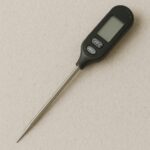
  3. Heat the oil in a deep heavy pot to 350°F, using a frying thermometer. Leave ample headroom and keep the pot no more than one-third full. Keep water away from the hot oil.

  4. Lightly dust a dry zucchini slice with flour, shake off excess and dip in batter. Let excess drip away, then lower carefully into the oil. Fry, turning as needed, until golden and the coating is fully cooked. Let the test piece cool briefly, then cut it to confirm a tender vegetable and no wet batter inside.

  5. Adjust the heat or coating thickness after the test. Coat and fry the remaining slices in small batches without crowding, allowing the oil to return to temperature between batches. Lift onto the rack to drain and serve promptly.

  6. Discard leftover batter after cooking. Cool leftover fritters and refrigerate within 2 hours at 40°F or below; use within 3–4 days and reheat to 165°F, noting that the coating softens during storage.

Let’s cook

The full recipe.

Check off ingredients as you get them ready.

Changing servings? The ingredient list scales automatically. Adjust quantities named in the steps to match, and choose pans and cooking times for your batch.

Milk-Batter Zucchini Fritters

No ratings yet
Zucchini slices dipped in a flour-and-cornstarch milk batter and fried until the coating is golden and cooked through.
Servings: 4 snack portions
Course: Appetizer, Snack
Cuisine: Contemporary

Some ingredient links are affiliate links. We may earn a commission at no extra cost to you. As an Amazon Associate I earn from qualifying purchases.

Ingredients
  

  •  
    250 g zucchini
  • 50 g all-purpose flour plus a little extra for dusting
  • 50 g cornstarch
  •  
    4 g baking powder not baking soda
  •  
    102 g cold milk plus a little only if needed to thin the batter
  • 1 g salt
  • 1 pinch ground black pepper
  •  
    neutral frying oil enough for about 1 1/2 inches in a deep heavy pot; do not fill the pot above one-third


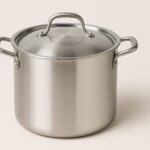
Equipment images are illustrative. Exact products may vary.
Instructions
 

  1. Wash and dry the zucchini thoroughly, then cut into even slices about 1/4 inch thick. Pat dry again. Set a draining rack over a tray.
  2. Whisk the measured flour, cornstarch, baking powder, salt and pepper together. Stir in the cold milk just until combined. If necessary, add a little extra milk until the batter coats a slice without sitting on it in a thick lump.
  3. Heat the oil in a deep heavy pot to 350°F, using a frying thermometer. Leave ample headroom and keep the pot no more than one-third full. Keep water away from the hot oil.
  4. Lightly dust a dry zucchini slice with flour, shake off excess and dip in batter. Let excess drip away, then lower carefully into the oil. Fry, turning as needed, until golden and the coating is fully cooked. Let the test piece cool briefly, then cut it to confirm a tender vegetable and no wet batter inside.
  5. Adjust the heat or coating thickness after the test. Coat and fry the remaining slices in small batches without crowding, allowing the oil to return to temperature between batches. Lift onto the rack to drain and serve promptly.
  6. Discard leftover batter after cooking. Cool leftover fritters and refrigerate within 2 hours at 40°F or below; use within 3–4 days and reheat to 165°F, noting that the coating softens during storage.

Notes

This home version uses baking powder, not the separate baking-soda dry mix.
These instructions cover thin zucchini slices, not soft-shell crab, raw seafood or cheese.
Four snack portions are a serving suggestion.
Never leave hot frying oil unattended.

Tried this recipe?

Let us know how it was!

A couple of useful answers.

Can I use the same cooking directions for soft-shell crab?

No. This page covers thin zucchini slices; seafood requires its own preparation and doneness instructions.

Is baking soda the same as baking powder?

No. Use the baking powder listed for this version.

Keep the good food going

Similar Recipes

Find another recipe to bring to the table.

Savory Foie Gras Custards

Appetizer

Savory Foie Gras Custards

Blend and strain the mixture for a smooth base, then bake in small ramekins. Check the center temperature of each custard rather than stopping when the surface looks set.

Yield
4 small servings
Cuisine
French-inspired

Bring it to the table

Cook the liver fully

These custards contain poultry liver. Each center must reach 165°F, even if the custard appears set sooner.

At the table

Serve in small portions with toast or another accompaniment prepared separately.

Before you start

Gather your ingredients.

Full quantities and serving adjustments are in the recipe card below.

See the ingredient checklist
  • 180 g heavy cream
  • 170 g raw foie gras — chilled; veins removed
  • 30 g ready-to-eat cooked foie gras — commercially prepared; check the label
  • 2 large eggs
  • 1 tsp granulated sugar
  • 2 g salt
  • 1/4 tsp ground black pepper
  • 1 pinch ground coriander

A few useful notes.

This is a fully cooked poultry-liver custard, not a cured or partially cooked parfait.

Use commercially prepared cooked foie gras labeled ready to eat for the small cooked portion.

The 165°F center temperature is required for the poultry liver.

No alcohol or curing salt is included in this version.

The cooking plan

How to make Savory Foie Gras Custards.

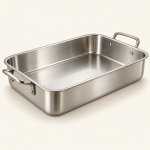
  1. Heat the oven to 225°F. Arrange four 6-ounce ovenproof ramekins in a deep roasting pan. Keep the foie gras chilled until ready to blend and use clean equipment after handling raw liver.

  2. Warm the cream gently until steaming without boiling. Put the raw and ready-to-eat cooked foie gras in a blender and pour in the warm cream. Blend until smooth, allowing steam to escape according to the blender manufacturer’s instructions.

  3. Add the eggs, sugar, salt, pepper and coriander and blend briefly to combine. Do not taste the raw mixture. Strain through a fine sieve into a pouring jug.

  4. Divide among the ramekins, leaving headroom. Pour hot water into the roasting pan to reach about halfway up the ramekins, keeping water out of the custards. Move the pan carefully into the oven.

  5. Bake gently until the custards are set and the center of every ramekin reaches 165°F on a food thermometer. Start checking around 35 minutes and continue as needed; appearance or time alone does not establish doneness.

  6. Remove the ramekins carefully from the water bath. Serve promptly, or cool in shallow portions and refrigerate within 2 hours at 40°F or below. Use chilled leftovers within 3–4 days and reheat to 165°F.

Let’s cook

The full recipe.

Check off ingredients as you get them ready.

Changing servings? The ingredient list scales automatically. Adjust quantities named in the steps to match, and choose pans and cooking times for your batch.

Savory Foie Gras Custards

No ratings yet
Small savory custards made with foie gras, cream, eggs and a pinch of coriander, baked gently in a water bath.
Servings: 4 small servings
Course: Appetizer
Cuisine: French-inspired

Some ingredient links are affiliate links. We may earn a commission at no extra cost to you. As an Amazon Associate I earn from qualifying purchases.

Ingredients
  

  • 180 g heavy cream
  •  
    170 g raw foie gras chilled; veins removed
  •  
    30 g ready-to-eat cooked foie gras commercially prepared; check the label
  • 2 large eggs
  • 1 tsp granulated sugar
  • 2 g salt
  • ¼ tsp ground black pepper
  • 1 pinch ground coriander

Equipment images are illustrative. Exact products may vary.

Instructions
 

  1. Heat the oven to 225°F. Arrange four 6-ounce ovenproof ramekins in a deep roasting pan. Keep the foie gras chilled until ready to blend and use clean equipment after handling raw liver.
  2. Warm the cream gently until steaming without boiling. Put the raw and ready-to-eat cooked foie gras in a blender and pour in the warm cream. Blend until smooth, allowing steam to escape according to the blender manufacturer’s instructions.
  3. Add the eggs, sugar, salt, pepper and coriander and blend briefly to combine. Do not taste the raw mixture. Strain through a fine sieve into a pouring jug.
  4. Divide among the ramekins, leaving headroom. Pour hot water into the roasting pan to reach about halfway up the ramekins, keeping water out of the custards. Move the pan carefully into the oven.
  5. Bake gently until the custards are set and the center of every ramekin reaches 165°F on a food thermometer. Start checking around 35 minutes and continue as needed; appearance or time alone does not establish doneness.
  6. Remove the ramekins carefully from the water bath. Serve promptly, or cool in shallow portions and refrigerate within 2 hours at 40°F or below. Use chilled leftovers within 3–4 days and reheat to 165°F.

Notes

This is a fully cooked poultry-liver custard, not a cured or partially cooked parfait.
Use commercially prepared cooked foie gras labeled ready to eat for the small cooked portion.
The 165°F center temperature is required for the poultry liver.
No alcohol or curing salt is included in this version.

Tried this recipe?

Let us know how it was!

A couple of useful answers.

Can I stop cooking when the custard looks set?

No. Check each center with a thermometer and continue until it reaches 165°F.

Does this use pink salt?

No. There is no curing salt in this custard recipe.

Keep the good food going

Similar Recipes

Find another recipe to bring to the table.

Hot-Smoked Trout and Potato Spread

Appetizer

Hot-Smoked Trout and Potato Spread

Cook the potatoes gently in cream, then mash and fold in cleaned, ready-to-eat hot-smoked trout. Add the cooking cream gradually to suit the potatoes and the texture you want.

Yield
4 starter servings
Cuisine
French-inspired

Bring it to the table

Check the fish for bones

Remove the skin and check the flaked trout carefully for fine bones before mixing it with the potatoes.

At the table

Serve warm with toast or a simple vegetable accompaniment prepared separately.

Before you start

Gather your ingredients.

Full quantities and serving adjustments are in the recipe card below.

See the ingredient checklist
  • 283 g Yukon Gold potatoes — peeled and diced
  • 1 small clove garlic — peeled
  • 1/4 tsp fresh thyme leaves
  • 1/4 bay leaf
  • 1 cup heavy cream
  • 340 g ready-to-eat hot-smoked trout — skin and bones removed; edible weight
  • 1/4 cup extra-virgin olive oil
  • 1 pinch Espelette pepper
  • salt — to taste
  • ground black pepper — to taste

A few useful notes.

Use a ready-to-eat hot-smoked product, not raw trout or a product requiring cooking before eating.

Smoked fish can already be salty; taste before adding salt.

Four starter portions are a home serving suggestion.

The cooking plan

How to make Hot-Smoked Trout and Potato Spread.

  1. Put the diced potatoes, garlic, thyme, bay and cream in a small heavy saucepan. Cook over gentle heat, stirring often, until the potatoes and garlic are fully tender. Watch the cream so it does not boil over or catch.

  2. Lift the potatoes and garlic into a bowl, reserving the cooking cream. Remove and discard the bay. Mash the potatoes and garlic while warm.

  3. Flake the hot-smoked trout, removing the skin and any bones. Fold into the potatoes, then mix in the olive oil gradually. Stir in reserved cream only as needed for a soft, spoonable spread.

  4. Season with Espelette, pepper and salt as needed after tasting. Serve promptly. Cool leftovers in shallow portions and refrigerate within 2 hours at 40°F or below; use within 3–4 days and reheat leftovers to 165°F.

Let’s cook

The full recipe.

Check off ingredients as you get them ready.

Changing servings? The ingredient list scales automatically. Adjust quantities named in the steps to match, and choose pans and cooking times for your batch.

Hot-Smoked Trout and Potato Spread

No ratings yet
A warm, rich spread of hot-smoked trout, potatoes, garlic, thyme, cream and olive oil.
Servings: 4 starter servings
Course: Appetizer
Cuisine: French-inspired

Some ingredient links are affiliate links. We may earn a commission at no extra cost to you. As an Amazon Associate I earn from qualifying purchases.

Ingredients
  

  •  
    283 g Yukon Gold potatoes peeled and diced
  • 1 small clove garlic peeled
  •  
    ¼ tsp fresh thyme leaves
  • ¼ bay leaf
  • 1 cup heavy cream
  •  
    340 g ready-to-eat hot-smoked trout skin and bones removed; edible weight
  • ¼ cup extra-virgin olive oil
  •  
    1 pinch Espelette pepper
  • salt to taste
  • ground black pepper to taste

Equipment images are illustrative. Exact products may vary.

Instructions
 

  1. Put the diced potatoes, garlic, thyme, bay and cream in a small heavy saucepan. Cook over gentle heat, stirring often, until the potatoes and garlic are fully tender. Watch the cream so it does not boil over or catch.
  2. Lift the potatoes and garlic into a bowl, reserving the cooking cream. Remove and discard the bay. Mash the potatoes and garlic while warm.
  3. Flake the hot-smoked trout, removing the skin and any bones. Fold into the potatoes, then mix in the olive oil gradually. Stir in reserved cream only as needed for a soft, spoonable spread.
  4. Season with Espelette, pepper and salt as needed after tasting. Serve promptly. Cool leftovers in shallow portions and refrigerate within 2 hours at 40°F or below; use within 3–4 days and reheat leftovers to 165°F.

Notes

Use a ready-to-eat hot-smoked product, not raw trout or a product requiring cooking before eating.
Smoked fish can already be salty; taste before adding salt.
Four starter portions are a home serving suggestion.

Tried this recipe?

Let us know how it was!

A couple of useful answers.

Is this a raw-fish preparation?

No. It uses ready-to-eat hot-smoked trout folded into cooked potatoes.

Why reserve some cream?

Potatoes vary. Adding the cream gradually lets you keep a spoonable spread rather than a thin puree.

Keep the good food going

Similar Recipes

Find another recipe to bring to the table.

Cod, Garlic and Potato Brandade

Appetizer

Cod, Garlic and Potato Brandade

Cook the potatoes and cod separately, then combine them while warm. Add the reserved potato cream only as needed so the brandade stays thick.

Yield
4 starter servings
Cuisine
French-inspired

Bring it to the table

Start with properly desalted cod

Use salt cod that has already been fully desalted according to its packaging instructions. Keep any soaking fish refrigerated and weigh it after desalting and draining.

At the table

Serve warm as a spread, with toast or another accompaniment prepared separately.

Before you start

Gather your ingredients.

Full quantities and serving adjustments are in the recipe card below.

See the ingredient checklist
  • 163 g potatoes — peeled and thinly sliced
  • 12.5 g garlic — peeled
  • 1/2 cup heavy cream
  • 425 g desalted cod — drained weight; skin and bones removed
  • 3/4 cup whole milk — plus a little more only if needed to cover in a snug pan
  • 1 clove garlic — peeled
  • 1/4 thyme sprig
  • 1/4 bay leaf
  • 2 tbsp extra-virgin olive oil
  • 1 tsp parsley — chopped
  • 1 pinch Espelette pepper
  • salt — only if needed after tasting
  • ground black pepper — to taste

A few useful notes.

The cod must be desalted before weighing and cooking; dry salted fish is not ready to use directly.

This is the brandade spread component, not a fried fritter batter.

Four starter portions are a home serving suggestion.

The cooking plan

How to make Cod, Garlic and Potato Brandade.

  1. Put the sliced potatoes, 12.5 g garlic and cream in a small heavy saucepan. Cook gently, stirring often, until the potatoes and garlic are completely tender. Strain, reserving the cream separately.

  2. Put the prepared desalted cod, milk, whole garlic clove, thyme and bay in a snug saucepan. Add a little extra milk only if needed to cover the fish. Poach gently until the fish flakes and its center reaches 145°F.

  3. Drain the cod. Discard the milk, thyme and bay, and check again for bones. Keep the fish and cooked garlic warm.

  4. Mash the warm potatoes and their garlic. Work in the cod and poaching garlic, then add the olive oil gradually while mixing. Add only enough reserved cream to bring the mixture together as a thick spread; do not automatically use all of it.

  5. Fold in the parsley and season with Espelette and black pepper. Taste before adding salt. Serve promptly, or cool in a shallow container and refrigerate within 2 hours. Keep at 40°F or below and use within 3–4 days. Reheat leftovers to 165°F.

Let’s cook

The full recipe.

Check off ingredients as you get them ready.

Changing servings? The ingredient list scales automatically. Adjust quantities named in the steps to match, and choose pans and cooking times for your batch.

Cod, Garlic and Potato Brandade

No ratings yet
A thick, warm cod-and-potato spread enriched with garlic, olive oil and a little cream.
Servings: 4 starter servings
Course: Appetizer
Cuisine: French-inspired

Some ingredient links are affiliate links. We may earn a commission at no extra cost to you. As an Amazon Associate I earn from qualifying purchases.

Ingredients
  

Potato mixture
  •  
    163 g potatoes peeled and thinly sliced
  • 12.5 g garlic peeled
  • ½ cup heavy cream
Cod mixture
  •  
    425 g desalted cod drained weight; skin and bones removed
  •  
    ¾ cup whole milk plus a little more only if needed to cover in a snug pan
  • 1 clove garlic peeled
  • ¼ thyme sprig
  • ¼ bay leaf
Finish
  • 2 tbsp extra-virgin olive oil
  • 1 tsp parsley chopped
  •  
    1 pinch Espelette pepper
  • salt only if needed after tasting
  • ground black pepper to taste

Equipment images are illustrative. Exact products may vary.

Instructions
 

  1. Put the sliced potatoes, 12.5 g garlic and cream in a small heavy saucepan. Cook gently, stirring often, until the potatoes and garlic are completely tender. Strain, reserving the cream separately.
  2. Put the prepared desalted cod, milk, whole garlic clove, thyme and bay in a snug saucepan. Add a little extra milk only if needed to cover the fish. Poach gently until the fish flakes and its center reaches 145°F.
  3. Drain the cod. Discard the milk, thyme and bay, and check again for bones. Keep the fish and cooked garlic warm.
  4. Mash the warm potatoes and their garlic. Work in the cod and poaching garlic, then add the olive oil gradually while mixing. Add only enough reserved cream to bring the mixture together as a thick spread; do not automatically use all of it.
  5. Fold in the parsley and season with Espelette and black pepper. Taste before adding salt. Serve promptly, or cool in a shallow container and refrigerate within 2 hours. Keep at 40°F or below and use within 3–4 days. Reheat leftovers to 165°F.

Notes

The cod must be desalted before weighing and cooking; dry salted fish is not ready to use directly.
This is the brandade spread component, not a fried fritter batter.
Four starter portions are a home serving suggestion.

Tried this recipe?

Let us know how it was!

A couple of useful answers.

Do I add all the reserved cream?

No. Add only enough for a thick spread; the amount depends on the potatoes and fish.

Can I use the mixture as a finished fritter recipe?

This page covers the spread only, with no additional fritter batter or frying method.

Keep the good food going

Similar Recipes

Find another recipe to bring to the table.

Parsley Potato Blini

Appetizer · Side Dish

Parsley Potato Blini

Keep the batter thick and add milk only if needed to loosen it. Cook small portions in clarified butter until golden and fully set in the center.

Yield
33 small blini
Cuisine
French-inspired

Bring it to the table

Start with plain mash

Use cooked potatoes mashed smooth without large additions of cream or butter, so the batter follows the proportions listed.

At the table

Serve warm as a side or add a topping for an appetizer.

Before you start

Gather your ingredients.

Full quantities and serving adjustments are in the recipe card below.

See the ingredient checklist
  • 500 g plain mashed cooked potato — cooled; no added cream or butter
  • 100 g all-purpose flour
  • 3 large eggs
  • 50 ml milk — optional; add only as needed
  • 2 tbsp parsley — finely chopped
  • salt and black pepper — to taste
  • clarified butter — for the pan

A few useful notes.

The base formula makes approximately 33 small blini; actual count depends on portion size.

Milk is optional and may not all be needed.

The cooking plan

How to make Parsley Potato Blini.

  1. Mix the cooled mashed potato and flour until evenly combined. Add eggs one at a time, mixing after each addition.

  2. Stir in parsley, salt and pepper. Add milk a little at a time only if needed; the batter should remain thick and spoonable.

  3. Heat a nonstick skillet over medium heat and coat lightly with clarified butter. Add small spoonfuls of batter, leaving room between them.

  4. Cook until golden underneath and beginning to set on top. Turn and finish the second side. The centers should be fully cooked with no wet batter; check a thicker piece reaches 160°F. Adjust the heat if the outside colors before the center cooks.

  5. Repeat with remaining batter, adding clarified butter as needed. Serve warm.

Let’s cook

The full recipe.

Check off ingredients as you get them ready.

Changing servings? The ingredient list scales automatically. Adjust quantities named in the steps to match, and choose pans and cooking times for your batch.

Parsley Potato Blini

No ratings yet
Small potato pancakes made with mashed potato, eggs, flour and chopped parsley.
Servings: 33 small blini
Course: Appetizer, Side Dish
Cuisine: French-inspired

Some ingredient links are affiliate links. We may earn a commission at no extra cost to you. As an Amazon Associate I earn from qualifying purchases.

Ingredients
  

  •  
    500 g plain mashed cooked potato cooled; no added cream or butter
  • 100 g all-purpose flour
  • 3 large eggs
  • 50 ml milk optional; add only as needed
  • 2 tbsp parsley finely chopped
  •  
    salt and black pepper to taste
  •  
    clarified butter for the pan

Equipment images are illustrative. Exact products may vary.

Instructions
 

  1. Mix the cooled mashed potato and flour until evenly combined. Add eggs one at a time, mixing after each addition.
  2. Stir in parsley, salt and pepper. Add milk a little at a time only if needed; the batter should remain thick and spoonable.
  3. Heat a nonstick skillet over medium heat and coat lightly with clarified butter. Add small spoonfuls of batter, leaving room between them.
  4. Cook until golden underneath and beginning to set on top. Turn and finish the second side. The centers should be fully cooked with no wet batter; check a thicker piece reaches 160°F. Adjust the heat if the outside colors before the center cooks.
  5. Repeat with remaining batter, adding clarified butter as needed. Serve warm.

Notes

The base formula makes approximately 33 small blini; actual count depends on portion size.
Milk is optional and may not all be needed.

Tried this recipe?

Let us know how it was!

A couple of useful answers.

Should the batter be pourable?

No. Keep it thick enough to drop from a spoon and hold a small pancake shape.

Why is milk optional?

Mashed potatoes vary in moisture, so add only enough to loosen a very stiff batter.

Keep the good food going

Similar Recipes

Find another recipe to bring to the table.
Salmon Rillettes with Smoked Salmon and Chives

Appetizer

Salmon Rillettes with Smoked Salmon and Chives

Fold cooked salmon and ready-to-eat smoked salmon together without beating them into a paste. Sour cream and olive oil bind the spread while lemon and chives brighten it.

Yield
6 appetizer servings
Cuisine
French-inspired

Bring it to the table

Keep some flakes

Use a paddle on low speed or mix gently by hand. Stop once the ingredients are combined so the salmon retains texture.

At the table

Serve chilled with toast or crackers.

Before you start

Gather your ingredients.

Full quantities and serving adjustments are in the recipe card below.

See the ingredient checklist
  • 250 g cooked salmon — poached or gently baked; cooled and weighed after cooking
  • 125 g ready-to-eat smoked salmon — finely diced
  • 75 g sour cream
  • 1 1/2 tbsp lemon juice
  • 1/4 tsp Espelette pepper
  • 1 tbsp extra-virgin olive oil
  • 2 tbsp chives — finely chopped

A few useful notes.

The salmon amount is cooked weight, not the weight of raw fish.

Six appetizer portions are a serving suggestion; this is not six main-course fillets.

The cooking plan

How to make Salmon Rillettes with Smoked Salmon and Chives.

  1. Check both kinds of salmon carefully for bones. If preparing the cooked salmon from raw, place it in a covered ovenproof dish and bake at 375°F until it reaches 145°F. Cool promptly, refrigerate and weigh the cooked portion needed.

  2. When the cooked salmon is cold, combine it gently with smoked salmon, sour cream, lemon juice and Espelette in a mixing bowl. Use a paddle on low speed or fold by hand.

  3. Mix in olive oil and chives just until evenly distributed. Keep some flakes of salmon rather than turning the mixture into a smooth paste.

  4. Cover and refrigerate promptly at 40°F or colder. Keep chilled until serving with toast or crackers.

Let’s cook

The full recipe.

Check off ingredients as you get them ready.

Changing servings? The ingredient list scales automatically. Adjust quantities named in the steps to match, and choose pans and cooking times for your batch.

Salmon Rillettes with Smoked Salmon and Chives

No ratings yet
A chilled salmon spread with smoked salmon, sour cream, lemon and chives.
Servings: 6 appetizer servings
Course: Appetizer
Cuisine: French-inspired

Some ingredient links are affiliate links. We may earn a commission at no extra cost to you. As an Amazon Associate I earn from qualifying purchases.

Ingredients
  

  •  
    250 g cooked salmon poached or gently baked; cooled and weighed after cooking
  •  
    125 g ready-to-eat smoked salmon finely diced
  • 75 g sour cream
  • 1 ½ tbsp lemon juice
  •  
    ¼ tsp Espelette pepper
  • 1 tbsp extra-virgin olive oil
  • 2 tbsp chives finely chopped

Equipment images are illustrative. Exact products may vary.

Instructions
 

  1. Check both kinds of salmon carefully for bones. If preparing the cooked salmon from raw, place it in a covered ovenproof dish and bake at 375°F until it reaches 145°F. Cool promptly, refrigerate and weigh the cooked portion needed.
  2. When the cooked salmon is cold, combine it gently with smoked salmon, sour cream, lemon juice and Espelette in a mixing bowl. Use a paddle on low speed or fold by hand.
  3. Mix in olive oil and chives just until evenly distributed. Keep some flakes of salmon rather than turning the mixture into a smooth paste.
  4. Cover and refrigerate promptly at 40°F or colder. Keep chilled until serving with toast or crackers.

Notes

The salmon amount is cooked weight, not the weight of raw fish.
Six appetizer portions are a serving suggestion; this is not six main-course fillets.

Tried this recipe?

Let us know how it was!

A couple of useful answers.

Should the cooked salmon be warm when I mix it?

No. Cool it promptly and chill before mixing.

Can I blend it completely smooth?

Mix gently and stop while some flakes remain for the intended texture.

Keep the good food going

Similar Recipes

Find another recipe to bring to the table.