Baked Salmon With Feta And Spinach Stuffing
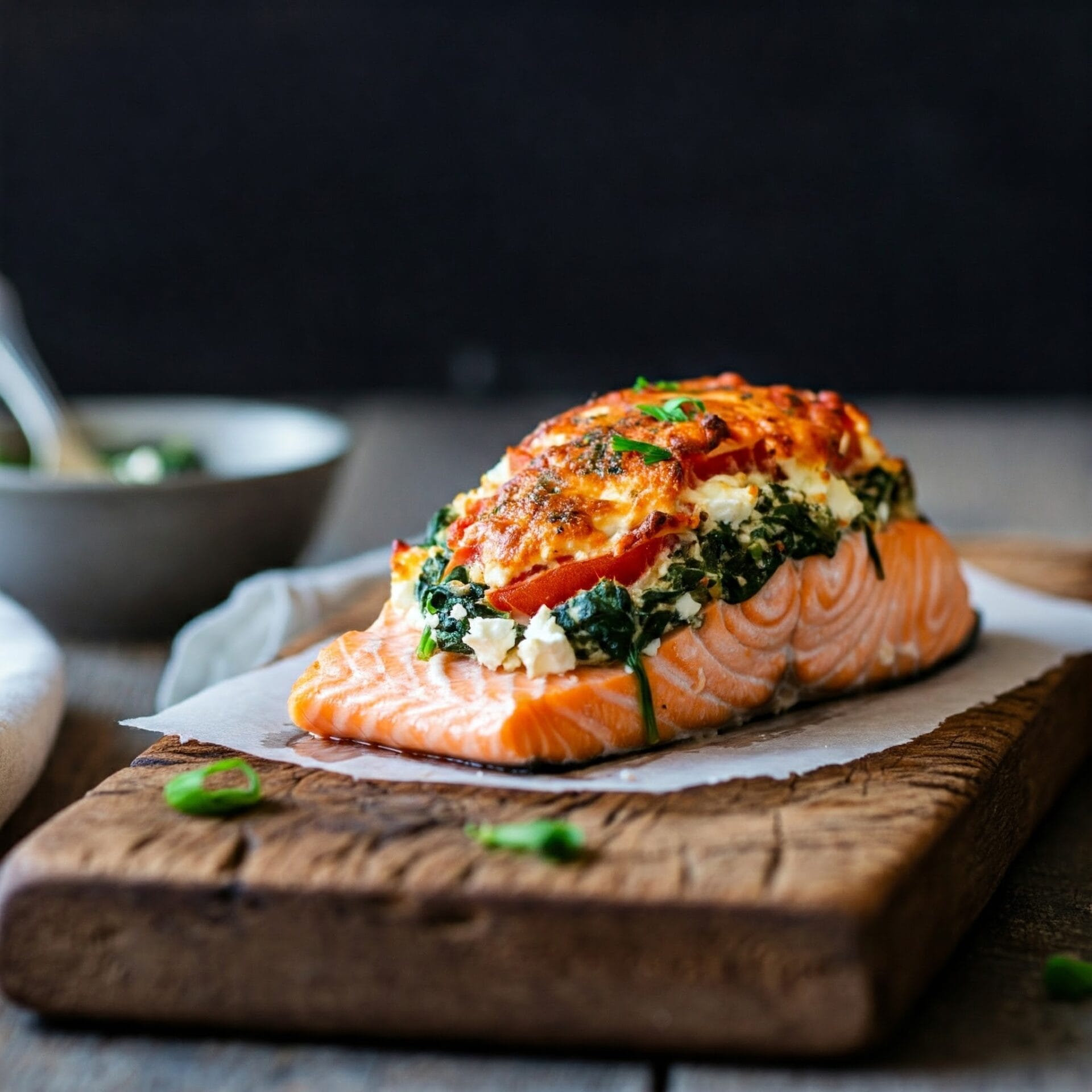
Baked Salmon With Feta And Spinach Stuffing
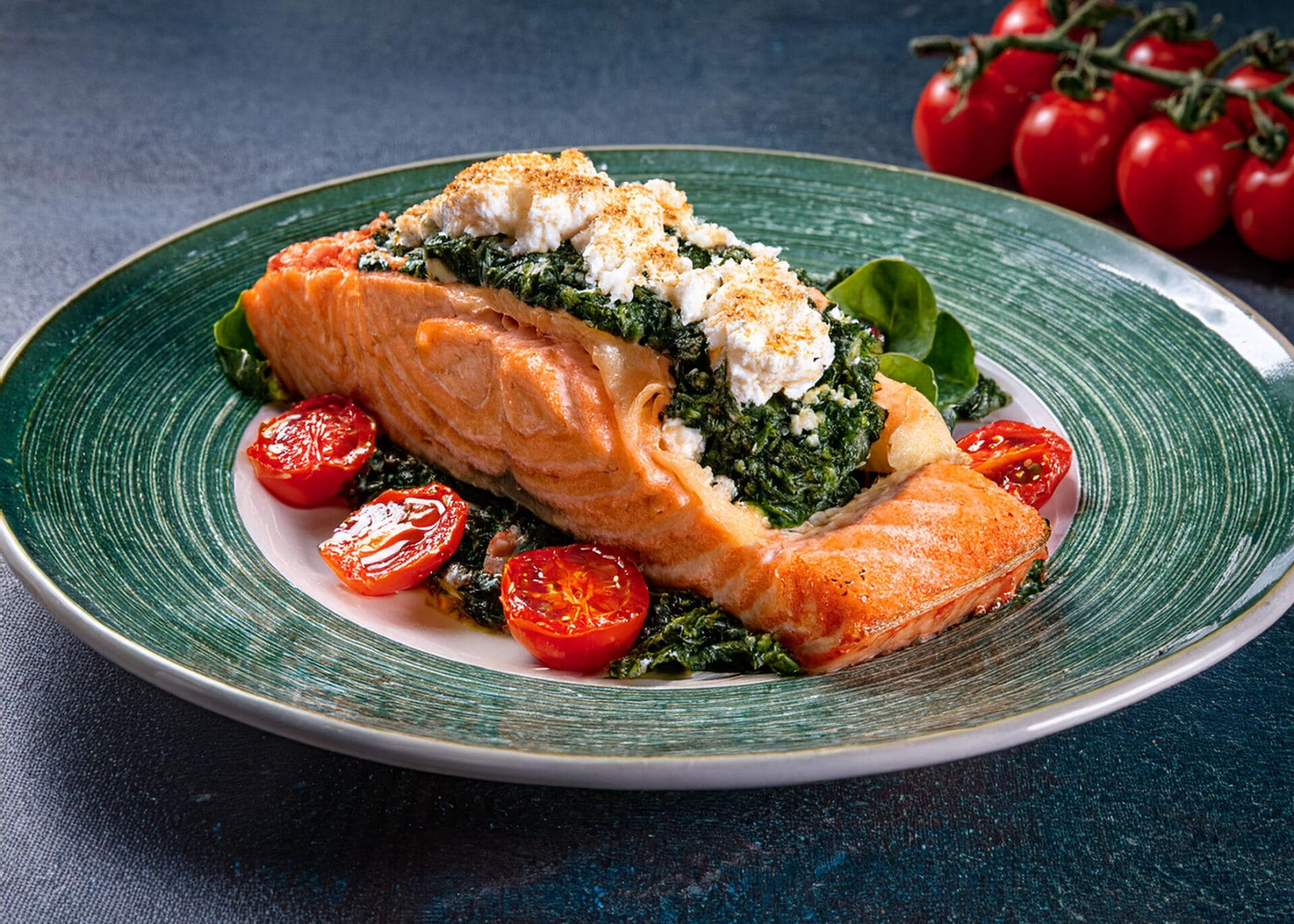
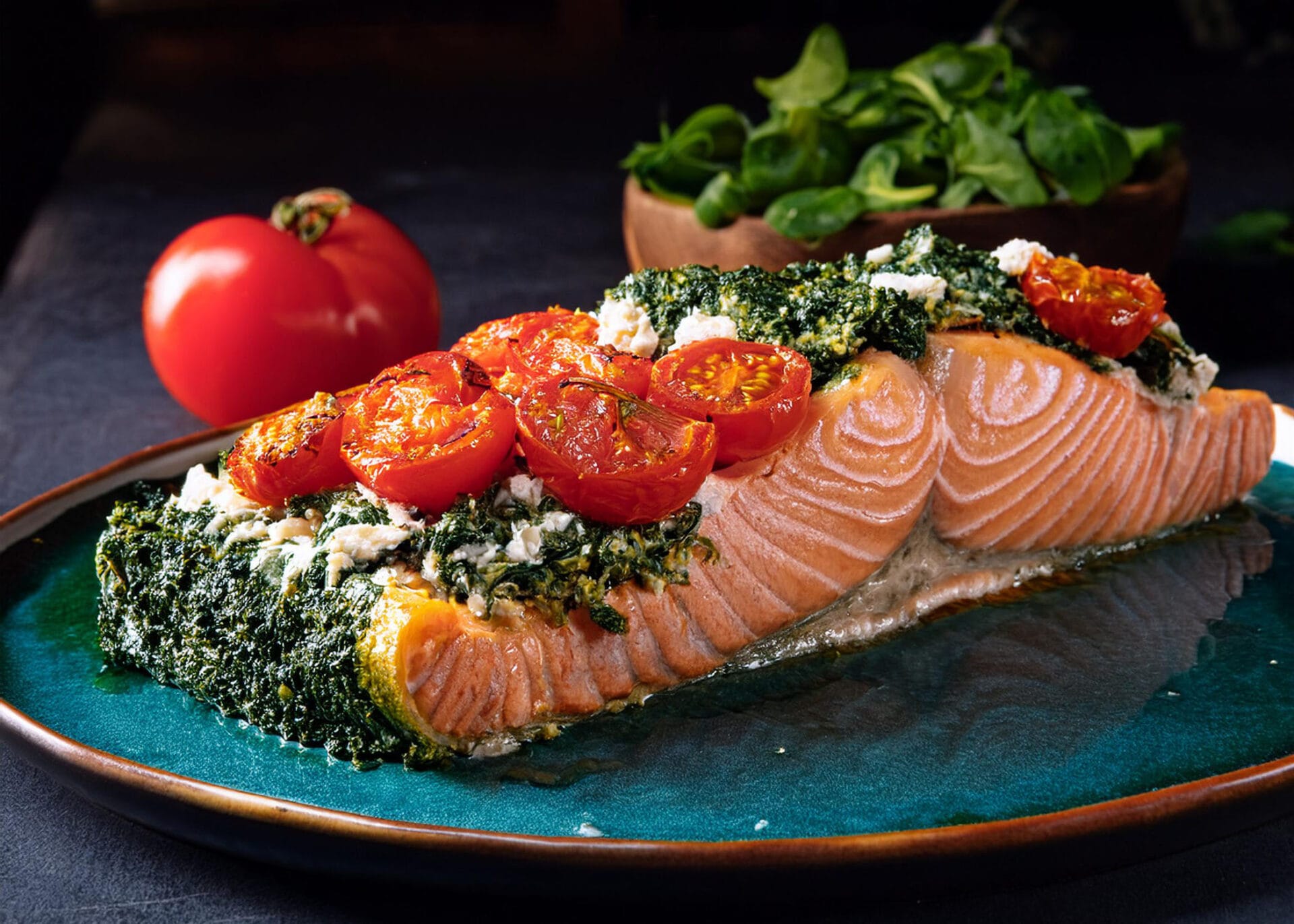
This Feta, Spinach & Tomato Stuffed Salmon is a culinary masterpiece that’s both delicious and healthy. Imagine flaky, tender salmon fillets, filled with a vibrant mixture of spinach, feta cheese, and juicy tomatoes. It’s a Mediterranean-inspired dish that’s bursting with flavor and perfect for a special occasion or a weeknight meal.

Here’s what makes this dish so special:

  • Flavorful Filling: The combination of salty feta, earthy spinach, and sweet tomatoes creates a burst of flavor in every bite.
  • Tender Salmon: The salmon is cooked to perfection, with a moist and flaky texture that melts in your mouth.
  • Mediterranean Flair: The use of fresh herbs, olive oil, and lemon juice adds a touch of Mediterranean sunshine to your plate.
  • Easy to Make: This dish is surprisingly simple to prepare, making it a great option for a weeknight meal or a special occasion.
  • Healthy and Satisfying: It’s a nutritious and satisfying dish that’s packed with protein, omega-3 fatty acids, and essential vitamins.

Whether you’re a seafood enthusiast or simply looking for a delicious and healthy meal, this Feta, Spinach & Tomato Stuffed Salmon is a must-try. It’s a culinary adventure that will transport your taste buds to the Mediterranean.
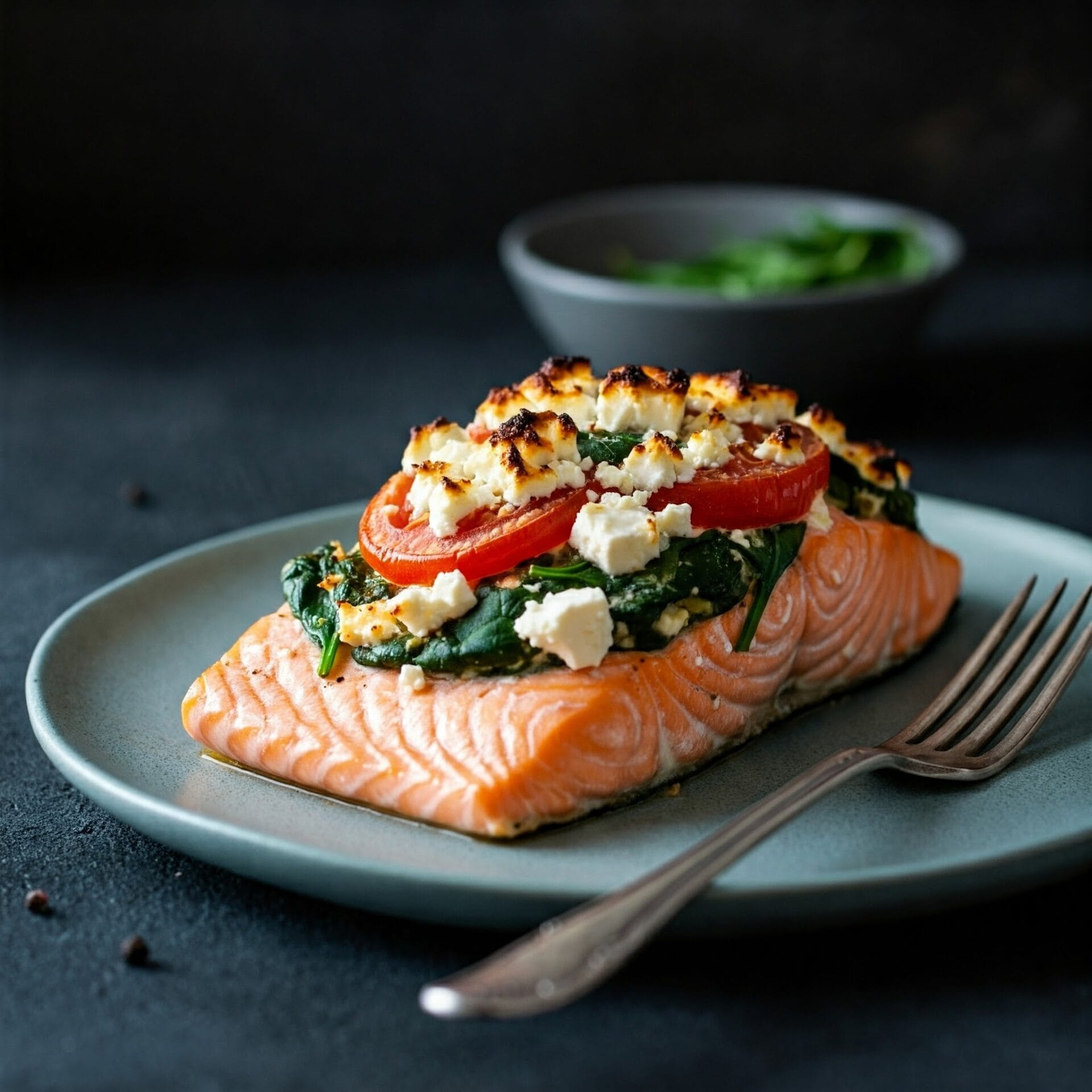
Baked Salmon with Feta & Spinach Stuffing

No ratings yet
Feta, Spinach & Tomato Stuffed Salmon is a delicious and healthy way to enjoy this popular fish. This recipe features salmon fillets filled with a savory mixture of feta cheese, spinach, and sun-dried tomatoes, then baked to flaky perfection. It's an easy yet elegant meal that's perfect for a weeknight dinner or a special occasion. The combination of flavors and textures is simply irresistible!
Prep Time 20 minutes
Cook Time 25 minutes
Servings: 4 people
Course: Lunch, Main Course
Cuisine: Mediterranean
Calories: 369

Ingredients
  

  • 4 oz Cherry tomatoes seeded, chopped
  • Kosher Salt
  • 2 Tbsp Extra Virgin Olive Oil divided
  • 3 Cloves Garlic finely chopped
  • 2 Scallions green and white parts separated, sliced
  •  
    5 oz Fresh Spinach chopped
  • 2 Tbsp Thyme chopped
  • 2 Tbsp Greek Yogurt plain whole milk
  •  
    ¼ tsp Coriander ground
  •  
    ¼ tsp Cumin ground
  •  
    2 oz Feta crumbled, divided
  •  
    24 oz Salmon filets 4-6oz fillets.
  • ½ tsp Crushed Red Pepper Flakes crushed

Method
 

  1. Start by preheating your oven to 400 degrees Fahrenheit. While the oven is heating, prepare the tomatoes. Place the tomatoes in a fine-mesh strainer set over a small bowl. This will allow any excess moisture to drain from the tomatoes. Toss the tomatoes with ¼ teaspoon of salt. The salt will help to draw out even more moisture from the tomatoes. 1 Let the tomatoes sit in the strainer for about 5 minutes.
    4 oz Cherry tomatoes, Kosher Salt
  2. While the tomatoes are draining, start preparing the spinach mixture. Heat 1 tablespoon of olive oil in a large cast-iron or ovenproof skillet over medium heat. Once the oil is hot, add the minced garlic and the white parts of the scallions to the skillet. Cook, stirring frequently, until the garlic and scallions become fragrant, about 1 minute. Then, add the spinach and thyme to the skillet. Cook, stirring occasionally, until the spinach is wilted, about 3 minutes.
    2 Tbsp Extra Virgin Olive Oil, 3 Cloves Garlic, 2 Scallions, 5 oz Fresh Spinach, 2 Tbsp Thyme
  3. Carefully transfer the drained tomatoes to a medium bowl and set them aside. Next, pour the spinach mixture into a fine-mesh strainer to drain off any excess liquid. Allow the spinach mixture to cool slightly, then use paper towels to gently pat it dry. This will help prevent the filling from becoming too watery. Wipe out the skillet you used to cook the spinach mixture with a paper towel to remove any residue. Place the skillet in the preheated oven to warm up. This will help to keep the salmon warm when it's finished cooking.
  4. To the bowl with the drained tomatoes, add the spinach mixture, yogurt, ground coriander, ground cumin, and half of the crumbled feta cheese. Use a spoon or spatula to gently stir all the ingredients together until they are evenly distributed and well combined. This flavorful mixture will be used to stuff the salmon fillets.
    2 Tbsp Greek Yogurt, ¼ tsp Coriander, ¼ tsp Cumin, 2 oz Feta
  5. Gently pat the salmon fillets dry with paper towels. This will help the seasoning adhere better. Season both sides of the salmon fillets generously with salt. Using a thin, sharp knife, carefully cut a long slit into the side of each salmon fillet. Make sure not to cut all the way through to the other side. You want to create a pocket to hold the filling. Use a spoon to carefully fill each pocket with the prepared filling, dividing it evenly among the fillets.
    24 oz Salmon filets
  6. Carefully remove the preheated skillet from the oven and pour in the remaining tablespoon of olive oil. Arrange the stuffed salmon fillets in the skillet, skin-side down. Return the skillet to the oven and bake the salmon until the flesh is opaque and flakes easily with a fork, about 8 to 10 minutes. The cooking time may vary depending on the thickness of the fillets. To add a bit of color to the salmon, turn on the broiler and broil the fillets, watching closely, until the tops start to brown slightly, about 2 minutes. Be careful not to overcook the salmon under the broiler, as it can dry out quickly.
    2 Tbsp Extra Virgin Olive Oil
  7. In a small bowl, combine the red pepper flakes, the green parts of the scallions, and the remaining crumbled feta cheese. This colorful mixture will add a final burst of flavor and freshness to the dish. Sprinkle the mixture evenly over the cooked salmon fillets. Serve the salmon immediately while it's hot and flaky, allowing the residual heat to slightly melt the feta cheese.
    2 Scallions, ½ tsp Crushed Red Pepper Flakes, 2 oz Feta

Nutrition

Serving: 6ozCalories: 369kcalCarbohydrates: 6gProtein: 38gFat: 21gSaturated Fat: 5gPolyunsaturated Fat: 5gMonounsaturated Fat: 9gCholesterol: 107mgSodium: 276mgPotassium: 1168mgFiber: 2gSugar: 1gVitamin A: 3892IUVitamin C: 24mgCalcium: 162mgIron: 4mg

Notes

Ingredients:
  • Salmon: Use high-quality salmon fillets, preferably with the skin on.
  • Tomatoes: Grape or cherry tomatoes work well for their sweetness and firmness.
  • Spinach: Fresh spinach is best. If using frozen, thaw and squeeze out excess water.
  • Shallots: Shallots have a milder flavor than onions. You can substitute with a small yellow or white onion if needed.
  • Garlic: Freshly minced garlic adds a pungent flavor.
  • Feta Cheese: Use good quality feta cheese, preferably Greek feta.
  • Yogurt: Full-fat Greek yogurt adds creaminess and tanginess to the filling.
  • Spices: Ground coriander and cumin add warmth and depth to the filling.
  • Herbs: Fresh thyme sprigs add an earthy note. You can substitute with dried thyme if needed.
  • Olive Oil: Use a good-quality olive oil for cooking.
Cooking Tips:
  • Preheat Oven and Skillet: Preheat your oven to 400°F and preheat an ovenproof skillet.
  • Drain Tomatoes: Salting and draining the tomatoes helps prevent the filling from becoming watery.
  • Sauté Vegetables: Sauté the shallots, garlic, and spinach until softened and fragrant.
  • Cool and Dry Spinach Mixture: Allow the spinach mixture to cool slightly and pat it dry to remove excess moisture.
  • Combine Filling Ingredients: Mix the tomatoes, spinach mixture, yogurt, spices, and feta in a bowl.
  • Stuff the Salmon: Carefully cut a slit into the side of each salmon fillet and fill it with the prepared stuffing.
  • Bake and Broil: Bake the salmon until cooked through, then broil briefly to brown the top.
  • Doneness: The salmon is cooked through when the flesh is opaque and flakes easily with a fork.
Serving Suggestions:
  • Garnish: Garnish with the remaining feta, red pepper, and green scallion parts.
  • Sides: Serve with rice, quinoa, or pasta drizzled with olive oil and Parmesan cheese.
  • Lemon: Add a squeeze of fresh lemon juice to the finished dish for brightness.
Variations:
  • Different Fish: You can use other types of fish like sea bass or halibut.
  • Vegetables: Experiment with different vegetables in the filling, such as bell peppers or mushrooms.
  • Cheese: Try other cheeses like goat cheese or ricotta.
  • Herbs: Add different herbs to the filling, such as dill or oregano.
With these tips, you'll be able to create a delicious and satisfying Feta, Spinach & Tomato Stuffed Salmon!

Tried this recipe?

Let us know how it was!

Related Recipes

Ingredients

Ingredients:

  • For the Salmon:
    • 4 (6-ounce) salmon fillets, skin on
    • 4 ounces cherry or grape tomatoes
    • 2 scallions, green and white parts separated
    • 2 tablespoons extra-virgin olive oil, divided
    • Kosher salt and freshly ground black pepper
  • For the Filling:
    • 5 ounces fresh spinach, chopped
    • 2 tablespoons chopped fresh thyme
    • 1/4 teaspoon ground coriander
    • 1/4 teaspoon ground cumin
    • 2 tablespoons plain whole-milk Greek yogurt
    • 2 ounces feta cheese, crumbled, divided
    • 3 cloves garlic, finely chopped
    • 1/2 teaspoon crushed red pepper flakes (optional)

Optional Sides:

  • Cooked rice, quinoa, or couscous
  • Lemon wedges
  • Fresh parsley for garnish

This recipe is easily adaptable, so feel free to adjust the amounts of certain ingredients to your liking. You can also experiment with different types of tomatoes, herbs, or spices to create your own unique variation.

Image Gallery Baked Salmon with Feta and Spinach Stuffing
Storage & Leftovers

Baked Salmon with Feta & Spinach Stuffing

Where to StoreHow to PackSafe Shelf-LifeBest Practices
RefrigeratorLet salmon cool to room temp (≤ 2 hours), then place fillets in a shallow, airtight glass or BPA-free plastic container.Up to 3 daysArrange in a single layer so stuffing stays intact and doesn’t get crushed.
FreezerWrap each fillet tightly in parchment, then heavy-duty foil or a freezer bag (press out air). Label with date.1 – 2 months (quality); safe longer but flavor fadesFreeze on a tray first, then stack—prevents delicate stuffing from flattening.

Food-Safety Check: Fish should be refrigerated at 40 °F / 4 °C or colder and reheated to an internal temperature of 145 °F / 63 °C.


Reheating Tips

MethodStepsWhy This Works
Oven (Best)Preheat to 300 °F / 150 °C. Place salmon on a foil-lined baking sheet, add 1–2 Tbsp water, broth, or white wine, and loosely tent with foil. Heat 12–15 min (thawed) or 25–30 min (from frozen) until warmed through.Gentle, moist heat revives the stuffing and keeps salmon flaky instead of dry.
Skillet (Quick)Coat a non-stick pan with 1 tsp olive oil, medium-low heat. Add salmon, cover, and warm 4–5 min per side. Splash in lemon juice or water if stuffing looks dry.Steam trapped under the lid reheats evenly and prevents cheese from burning.
Microwave (Emergency)Place on a microwave-safe plate, cover with a damp paper towel. Use 50 % power in 30-sec bursts, rotating each time.Lower power reduces hot spots that can dry fish and make feta rubbery.

Make-Ahead & Meal-Prep Ideas

  • Prep, Don’t Bake: Assemble stuffed fillets the day before, cover tightly, and refrigerate raw. Bake fresh within 24 hours for optimal texture.

  • Freeze Raw (Best Quality): After stuffing, wrap fillets individually and freeze uncooked. Bake straight from frozen at 375 °F, adding ~10 extra minutes, for just-caught flavor.

  • Leftover Remix: Flake chilled salmon into quinoa bowls, pasta, or a leafy-green salad; the feta-spinach filling acts as a built-in dressing boost.

Follow these storage and reheating guidelines, and your feta-spinach-stuffed salmon will stay moist, flavorful, and safe—ready for delicious lunches or an effortless second dinner!

Please follow and like us:
onpost_follow
fb-share-icon197
Tweet120
Pinterest20
Share 20
submit to reddit

Subscribe for New Recipes

* indicates required

Intuit Mailchimp

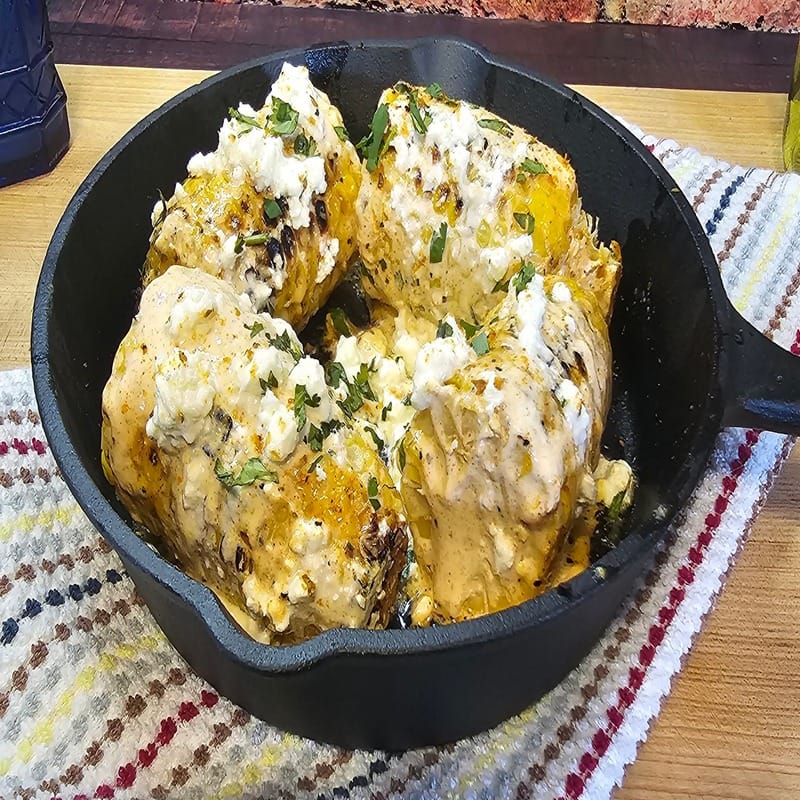
Cajun Corn On The Cob

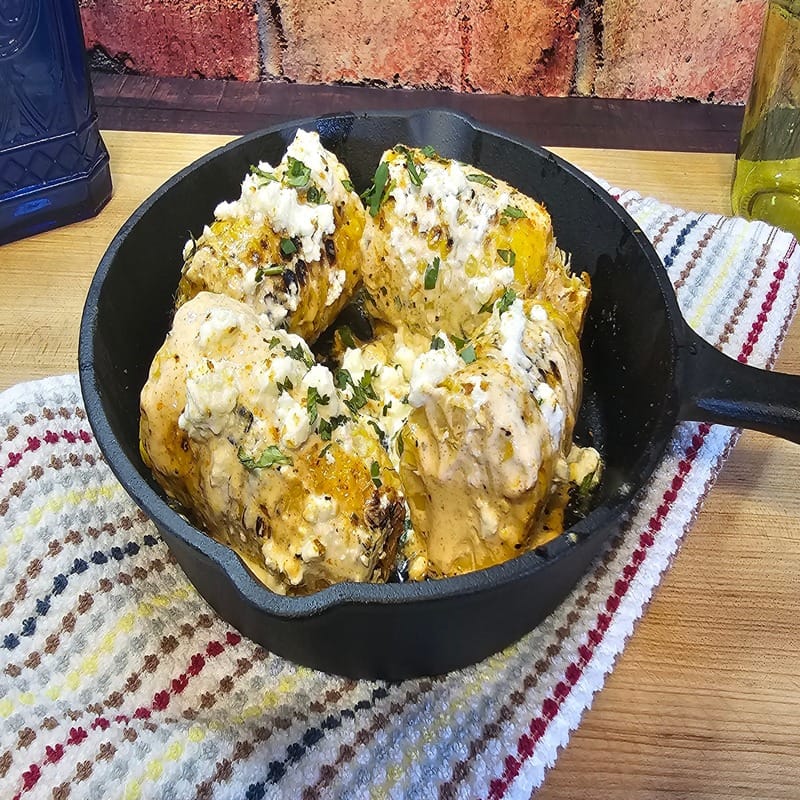
This is a terrific and spicy dish. Can be made spicier or milder as needed. A perfect recipe to try out on your grill. Makes an excellent side dish or a perfect appitizer.

Cajun Corn On The Cob

No ratings yet
A spicy and fun dish. Makes a wonderful appetizer or a unique side dish for a main course meal. Can be made spicy or mild.
Prep Time 15 minutes
Cook Time 35 minutes
Servings: 4
Course: Appetizer, Dinner
Cuisine: American
Calories: 303

Ingredients
  

  •  
    4 ears Corn on the cob
  • 1 tbsp Olive oil
  • 4 tbsp Mayonnaise
  • cup Sour cream
  •  
    1 ½ tsp Cajun spice
  •  
    1 ½ tsp Smoked paprika
  • 1 tsp Onion powder
  • 1 tsp Garlic powder
  • 1 tbsp Fresh Cilantro Chopped
  •  
    ½ cup Feta cheese Can also use Cotija
  • 1 tbsp Lime juice
  • 1 tsp Chili powder can use Chipotle instead
To Taste
  • 1 p Salt To taste
  • 1 p Black pepper To taste

Equipment

Method
 

Mise En Place
  1. Gather all of your ingredients and make all of your cuts. Preheat oven to 425℉.
Make the coating
  1. In a small bowl whisk the olive oil, ½ of the Cajun spice, ½ of the paprika, all of the garlic and onion powder. Add a pinch of salt and pepper to taste.
Brush & Wrap
  1. Lay each piece of corn on a piece of aluminum foil with the shiny side of foil facing up. Coat the corn with Cajun mixture using a brush. Wrap the corn in the aluminum foil.
Cook the corn
  1. Place the corn on a baking sheet and place in the oven. Bake for 30 minutes and remove. If you would like the corn to be softer, unwrap & coat with the Cajun mixture. Rewrap and cook for 20 minutes more.
    At about 15 minutes into the cooking, be sure that you turn the corn to allow an even cook.
Make the creamy cajun coating
  1. Using a medium mixing bowl, mix the mayonnaise, sour cream, leftover Cajun and paprika seasoning, lime juice, and salt and pepper to taste.
Remove from oven
  1. Remove from the oven when done and allow to cool slightly.
Blacken the corn
  1. This is an optional step but highly recommended. Using a skillet or cast iron pan, place the corn on med high to high heat. Allow to sit until you start to hear crackling noises. Turn a ¼ turn at a time until you have rotated the corn fully.
Service
  1. Place the corn on a plate and coat with the Cajun cream sauce, top with crumbled feta, cilantro, and Cajun spice.

Nutrition

Serving: 12ozCalories: 303kcalCarbohydrates: 21gProtein: 7gFat: 23gSaturated Fat: 7gPolyunsaturated Fat: 7gMonounsaturated Fat: 7gTrans Fat: 0.03gCholesterol: 34mgSodium: 1498mgPotassium: 345mgFiber: 3gSugar: 7gVitamin A: 1274IUVitamin C: 8mgCalcium: 125mgIron: 1mg

Video

Tried this recipe?

Let us know how it was!

If you tried this recipe please share with us. Be as detailed as possible in your descriptions.

Your Details

Recipe Essentials

One ingredient per line
One instruction per line

Recipe Details

Recipe Tags

Separate multiple tags with a comma.
For example: Italian, American

[DISPLAY_ULTIMATE_SOCIAL_ICONS]

Our Advertisers.

We use ads on our site to help generate revenue. It doing so we are able to provide the funding needed to create the recipes that you get to try. If you can check out or advertiser page and simply click on the link when making an online purchase.


Advertisers

Creamy Alfredo Sauce

Creamy Alfredo Sauce

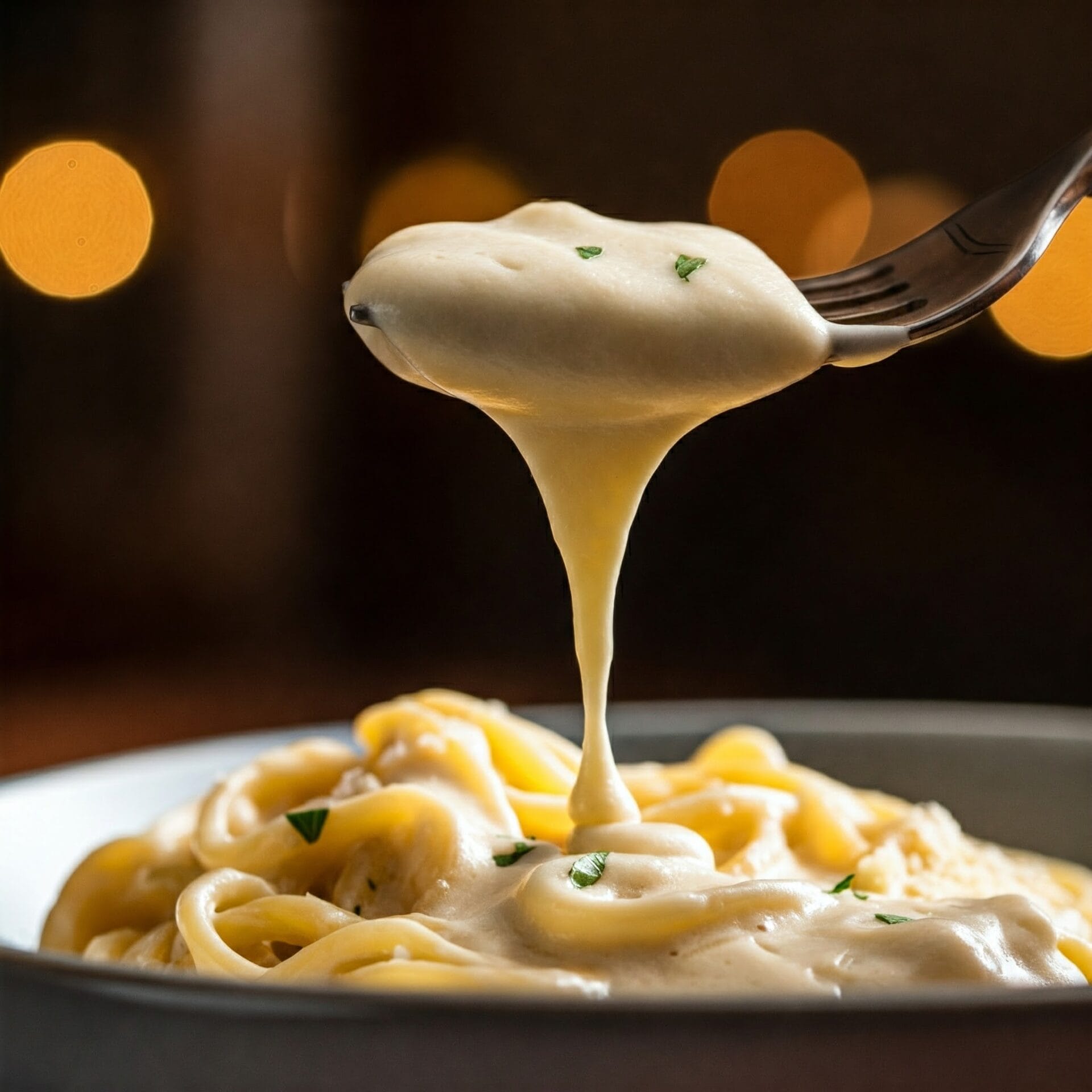
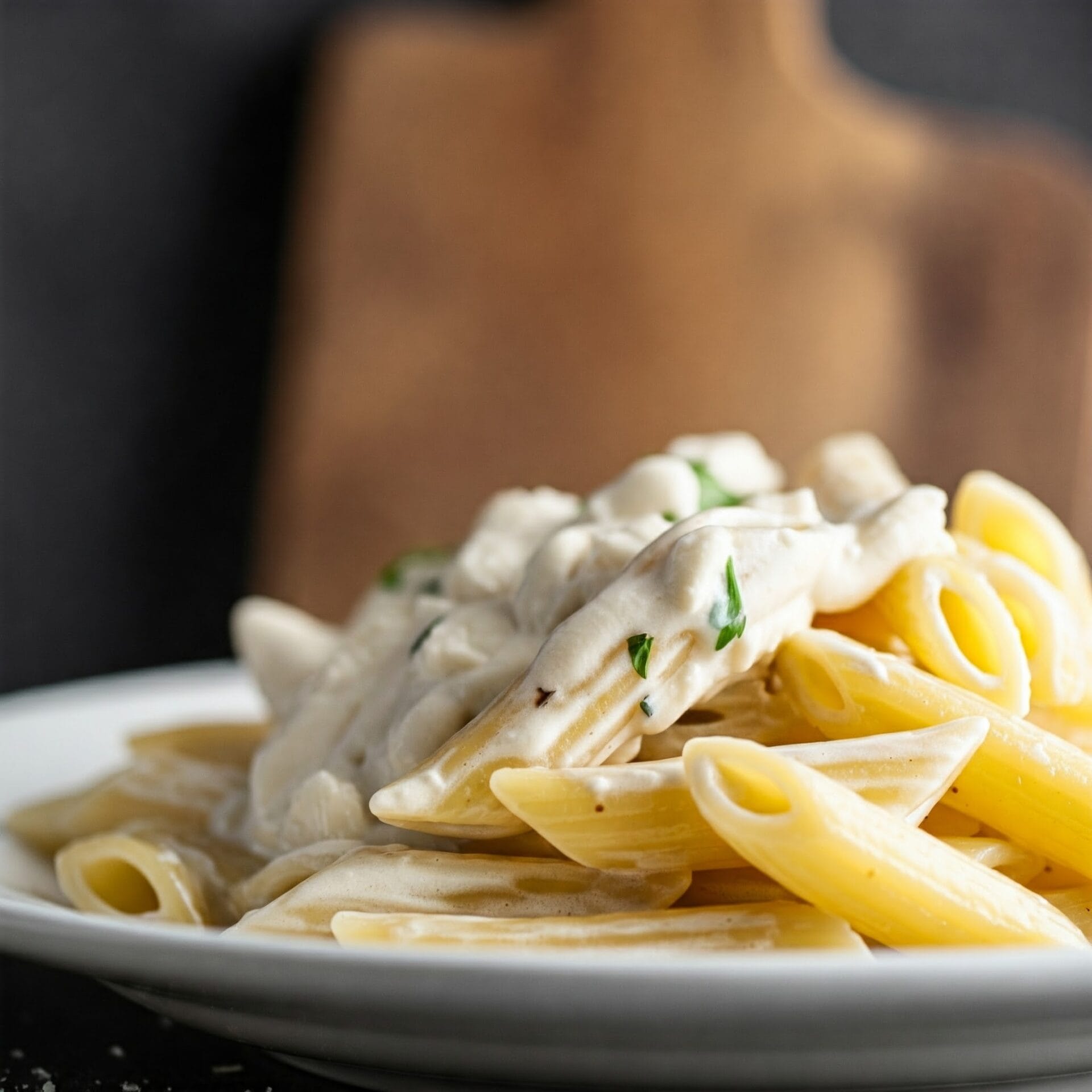
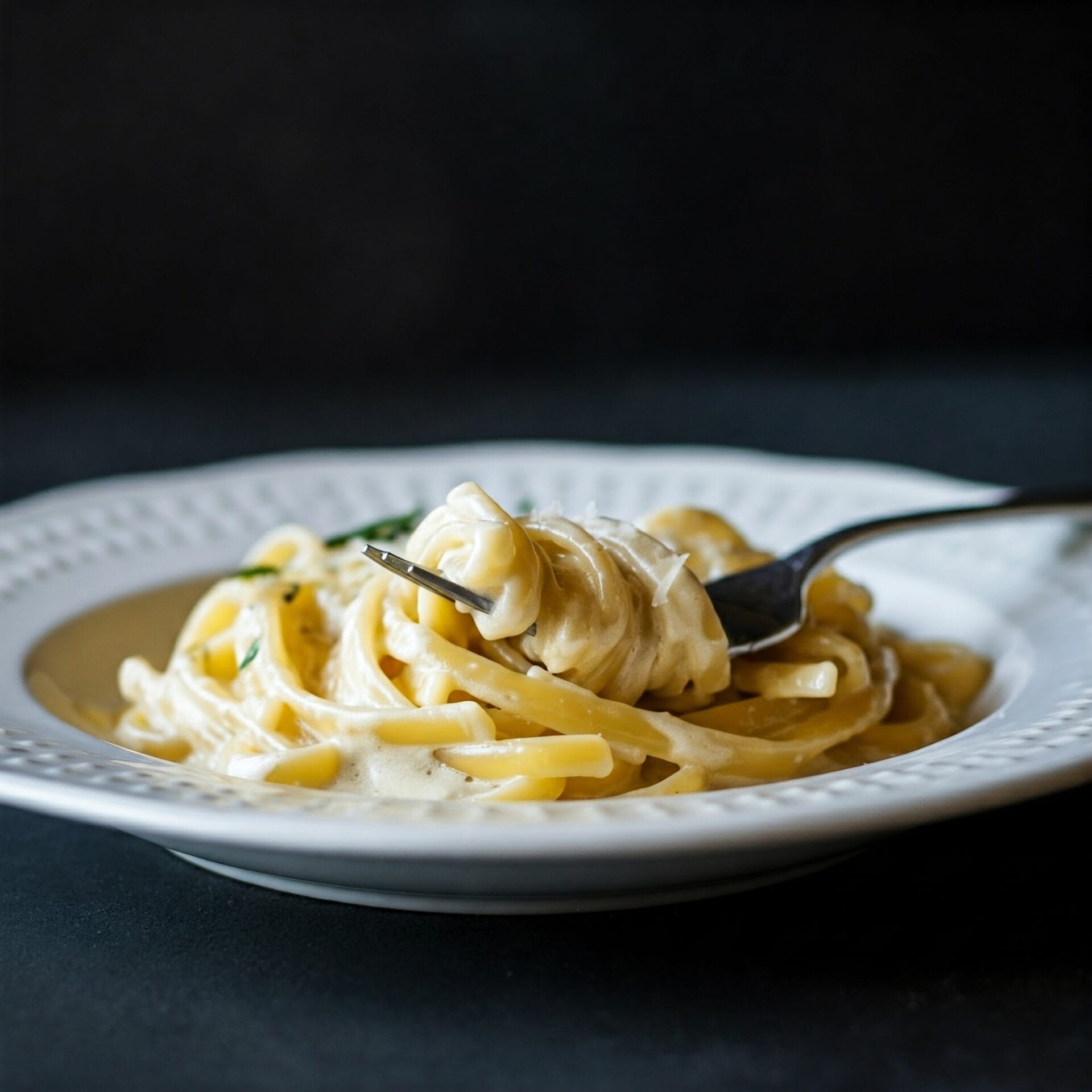
Get ready to unleash your inner culinary rockstar and whip up a batch of creamy Alfredo sauce that will make your taste buds sing! This isn’t just any sauce, folks; it’s a symphony of flavor, a creamy concerto for your palate.

First, we’ll melt some buttery goodness in a pan—a golden pool of deliciousness. Then, in goes the garlic, sizzling and dancing in the heat, releasing its aromatic magic. (Careful not to burn it, or your garlic will stage a bitter protest!)

Next, we’ll bring in the heavy cream, a velvety cascade of richness. Whisk it all together like a maestro conducting an orchestra, creating a harmonious blend of flavors.

Now, for the grand finale: a shower of Parmesan cheese! Watch as it melts into the creamy embrace of the sauce, transforming into a luscious, velvety dream.

And there you have it—a creamy Alfredo sauce so good, it’ll have you shouting “Encore!” Get ready to twirl your pasta and savor every drop of this culinary masterpiece. You’ve earned it, chef!

Creamy Alfredo Sauce

No ratings yet
Indulge in the luxurious taste of Alfredo sauce, a creamy Italian creation that elevates any pasta dish. This rich blend of butter, heavy cream, and Parmesan cheese creates a velvety smooth texture and savory flavor that's simply irresistible. Imagine it coating each strand of fettuccine or linguine, offering a decadent experience in every bite.
Prep Time 5 minutes
Cook Time 12 minutes
Servings: 4 cups
Course: Main Course
Cuisine: American, Italian, Italian American
Calories: 658

Ingredients
  

  • 6 tbsp Butter
  • 1 tsp Garlic
  • cups Heavy cream
  • oz Parmesan Cheese
  • 1 tsp Salt
  • 1 tsp Black pepper
  • 1 tbsp Thyme dried

Method
 

  1. Measure out your butter, ensuring it's softened for easier melting. Finely mince your garlic cloves. Have your heavy cream ready in a convenient pouring container. Grate your Parmesan cheese and keep it nearby.
    6 tbsp Butter, 1½ cups Heavy cream, 1 tsp Garlic
  2. Place a saucepan (medium size works well) over medium-low heat. Add the butter and allow it to melt completely, swirling the pan occasionally for even melting.
    6 tbsp Butter, 1 tsp Garlic
  3. Add the minced garlic and a pinch of dried thyme (about ¼ to ½ teaspoon) to the melted butter. Stir it frequently and sauté until the garlic becomes fragrant and turns a light golden brown color. Be careful not to burn the garlic, as this will impart a bitter flavor. The thyme will infuse its flavor into the butter and garlic as they cook.
    1 tsp Garlic, 1 tbsp Thyme
  4. Take the saucepan off the heat and let it cool for about 3-5 minutes. This brief cooling period is essential to prevent the cream from curdling when you add it in the next step.
  5. Slowly pour the heavy cream into the saucepan while whisking constantly. This gradual addition and continuous whisking will create a smooth emulsion and prevent the sauce from separating. Continue whisking until the cream is fully blended with the butter and garlic.
    1½ cups Heavy cream
  6. Place the saucepan back on the stove over low heat. Now, gradually add the grated Parmesan cheese, a handful at a time, whisking continuously as you do so. This slow addition and constant whisking will ensure the cheese melts evenly into the sauce, creating a luscious, creamy texture.
    6½ oz Parmesan Cheese
  7. Continue to cook the sauce over low heat, stirring occasionally, until it reaches your desired consistency. If it becomes too thick, you can thin it out with a tablespoon or two of warm milk or pasta water.
  8. Have a taste! You might want to add a pinch of salt and freshly ground black pepper to enhance the flavors. Some people like a touch of nutmeg in their Alfredo sauce as well.
    1 tsp Black pepper , 1 tsp Salt
  9. Once the cheese is completely melted, the sauce is smooth, and the seasoning is perfect, remove the pan from the heat. Your homemade Alfredo sauce is ready to be tossed with your favorite pasta, like fettuccine, linguine, or even tortellini! Garnish with some fresh parsley and extra Parmesan cheese for a beautiful presentation.

Nutrition

Serving: 8ozCalories: 658kcalCarbohydrates: 10gProtein: 17gFat: 63gSaturated Fat: 39gPolyunsaturated Fat: 3gMonounsaturated Fat: 16gTrans Fat: 1gCholesterol: 188mgSodium: 1996mgPotassium: 199mgFiber: 0.3gSugar: 3gVitamin A: 2337IUVitamin C: 4mgCalcium: 482mgIron: 1mg

Notes

1. Quality Ingredients are Key
  • Freshly Grated Parmesan: Use a block of Parmesan cheese and grate it yourself. Pre-grated cheese often contains cellulose, which can make the sauce grainy. 
  • Good Butter: Use a high-quality butter for the best flavor.
  • Fresh Garlic: If possible, use fresh garlic cloves instead of garlic powder for a more robust flavor.
2. Temperature Control is Crucial
  • Low and Slow: Cook the sauce over low heat to prevent the cream from curdling or the sauce from becoming too thick.
  • Cool Slightly Before Adding Cream: Taking the pan off the heat for a few minutes after sautéing the garlic will help prevent the cream from separating.
3. Technique Matters
  • Whisk Continuously: Whisk the cream and cheese into the sauce gradually and continuously to ensure a smooth, lump-free consistency.
  • Don't Overcook: The sauce is ready when the cheese is melted and the sauce is smooth. Overcooking can make it thick and oily.
4. Adjust as Needed
  • Thin it Out: If the sauce becomes too thick, add a tablespoon or two of warm milk or pasta water to thin it out.
  • Season to Taste: Don't forget to season with salt and freshly ground black pepper to your liking. A pinch of nutmeg can also add a lovely warmth.
5. For Extra Richness and Flavor
  • Add Cream Cheese: A tablespoon or two of cream cheese whisked in with the Parmesan can add extra richness and tang.
  • A Touch of Wine: A splash of dry white wine, like Sauvignon Blanc or Pinot Grigio, can add complexity and depth of flavor.
  • Finish with Fresh Herbs: Stir in some chopped fresh parsley or basil at the end for a burst of freshness and color.
Bonus Tip: For the ultimate creamy Alfredo experience, toss the cooked pasta directly into the sauce and cook for a minute or two to allow the pasta to absorb the flavors.

Tried this recipe?

Let us know how it was!

Related Recipes

Ingredients

Ingredients:

  • 6 tablespoons butter
  • 1 teaspoon minced garlic
  • 1 ½ cups heavy cream
  • 6.5 ounces grated Parmesan cheese (about 1 ½ cups)
  • 1 teaspoon salt
  • 1 teaspoon black pepper
  • 1 tablespoon dried thyme

Image Gallery Creamy Alfredo Sauce

Storage & Leftovers

Storing Your Leftover Alfredo Sauce:

  • Cool it Down: Before storing, let the sauce cool to room temperature. This prevents condensation from forming in the container, which can lead to spoilage.
  • Choose the Right Container: An airtight container is essential to maintain the quality and prevent the sauce from absorbing odors from other foods in your fridge. Glass containers or high-quality plastic containers with tight-fitting lids work well. 
  • Refrigerator Storage: Store your leftover Alfredo sauce in the refrigerator for 3 to 4 days.
  • Freezer Storage: For longer storage, you can freeze Alfredo sauce for up to 3 months. It’s best to freeze it in smaller portions for easier thawing and use. Consider using freezer-safe bags (laid flat to save space) or small airtight containers.   

Reheating Tips:

  • Thaw Safely: If frozen, thaw the sauce in the refrigerator overnight or in a bowl of cold water.
  • Gentle Reheating: Reheat the sauce gently over low heat on the stovetop, stirring frequently. Alternatively, you can reheat it in the microwave in short bursts, stirring between each burst, until warmed through.
  • Thin if Needed: Alfredo sauce tends to thicken upon cooling and reheating. If it’s too thick, you can thin it out with a little warm milk, cream, or pasta water.  

Creative Ways to Use Leftover Alfredo Sauce:

Don’t let those precious leftovers go to waste! Here are some ideas:

  • Alfredo Dip: Serve it warm as a dip for breadsticks, vegetables, or even chicken strips.
  • Pizza Topping: Use it as a base for a white pizza with your favorite toppings.
  • Pasta Bake: Incorporate it into a creamy pasta bake with chicken, vegetables, or seafood. 
  • Soup Enhancer: Stir a spoonful or two into your favorite soup for extra creaminess and flavor.
  • Vegetable Gratin: Use it to make a creamy and cheesy vegetable gratin.

With these tips, you can enjoy your homemade Alfredo sauce to the fullest, even days after you’ve made it!

Please follow and like us:
onpost_follow
fb-share-icon197
Tweet120
Pinterest20
Share 20
submit to reddit