Preserved Lemon and Olive Oil Loaf

Dessert

Preserved Lemon and Olive Oil Loaf

Preserved lemon brings a savory citrus edge to this glazed loaf. Olive oil and sour cream form the batter, while fresh zest and juice keep the lemon flavor at the center.

Yield
1 loaf
Cuisine
Mediterranean-inspired

Bring it to the table

Blend the preserved lemon into a paste

Remove the seeds, then finely purée the whole preserved lemon. Mixing it into a paste spreads its flavor through the batter rather than leaving large pieces in the finished loaf.

At the table

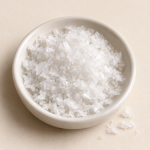
Let the loaf cool completely before glazing. Finish with a little flaky salt and allow the glaze to set before slicing.

Before you start

Gather your ingredients.

Full quantities and serving adjustments are in the recipe card below.

See the ingredient checklist
  • 1/2 cup olive oil — plus more for the parchment
  • 1 preserved lemon — about 55 g for the base loaf
  • 188 g all-purpose flour
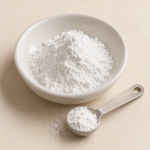
  • 2 tsp baking powder
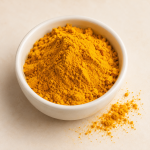
  • 1/2 tsp ground turmeric
  • 3 large eggs
  • 225 g granulated sugar
  • 1/2 cup sour cream
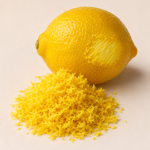
  • 1 tbsp lemon zest — finely grated
  • 3 tbsp lemon juice
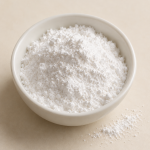
  • 83 g powdered sugar
  • 1 tbsp whole milk
  • flaky sea salt — to finish

A few useful notes.

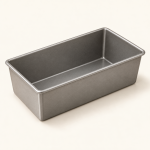
The base batch makes one loaf in an 8 1/2-by-4 1/2-inch pan. Changing the servings means changing the number or size of pans; baking time does not scale directly.

The preserved lemon is used without its seeds. Its saltiness varies, so keep the finishing salt light.

The cooking plan

How to make Preserved Lemon and Olive Oil Loaf.

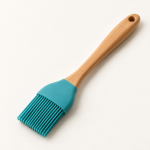
  1. Heat the oven to 350°F with a rack in the middle. Line an 8 1/2-by-4 1/2-inch loaf pan with parchment, leaving an overhang along the long sides, and brush the parchment with a little oil.

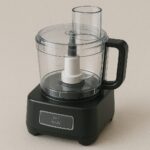
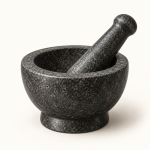
  2. Quarter the preserved lemon and remove its seeds. Process to a paste in a small food processor, or chop finely and crush with a knife or mortar and pestle.

  3. Whisk the flour, baking powder and turmeric in a bowl. In a separate bowl, beat the eggs, granulated sugar and measured oil on medium speed for about 1 minute, until smooth.

  4. Mix in the sour cream, then the preserved-lemon paste, fresh zest and lemon juice. Add the dry ingredients on low speed and mix just until combined, about 15 seconds. Scrape into the pan and smooth the top.

  5. Bake for 50–60 minutes, until golden and a tester inserted into the center comes out clean. Cool in the pan on a rack for 15 minutes, then loosen the edges and lift out using the parchment. Remove the paper and cool completely.

  6. Whisk the powdered sugar and milk until smooth. Spoon over the cooled loaf, letting a little run down the sides. Sprinkle lightly with flaky salt and leave about 30 minutes for the glaze to set before slicing.

Let’s cook

The full recipe.

Check off ingredients as you get them ready.

Changing servings? The ingredient list scales automatically. Adjust quantities named in the steps to match, and choose pans and cooking times for your batch.

Preserved Lemon and Olive Oil Loaf

No ratings yet
An olive oil and sour cream loaf with preserved lemon, fresh lemon zest and a simple sugar glaze.
Servings: 1 loaf
Course: Dessert
Cuisine: Mediterranean-inspired

Some ingredient links are affiliate links. We may earn a commission at no extra cost to you. As an Amazon Associate I earn from qualifying purchases.

Ingredients
  

Loaf
  • ½ cup olive oil plus more for the parchment
  •  
    1 preserved lemon about 55 g for the base loaf
  • 188 g all-purpose flour
  • Baking powder in a white prep bowl with a measuring spoon2 tsp baking powder
  • Golden yellow ground turmeric in a small white prep bowl½ tsp ground turmeric
  • 3 large eggs
  • 225 g granulated sugar
  • ½ cup sour cream
  • Finely grated yellow lemon zest beside a partly zested lemon1 tbsp lemon zest finely grated
  • 3 tbsp lemon juice
Glaze
  • Fine white powdered confectioners sugar in a prep bowl83 g powdered sugar
  • 1 tbsp whole milk
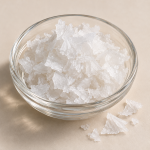
  • Large delicate sea salt flakes in a glass prep bowlflaky sea salt to finish

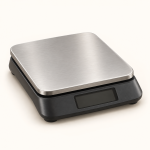
Equipment images are illustrative. Exact products may vary.
Instructions
 

  1. Heat the oven to 350°F with a rack in the middle. Line an 8 1/2-by-4 1/2-inch loaf pan with parchment, leaving an overhang along the long sides, and brush the parchment with a little oil.
  2. Quarter the preserved lemon and remove its seeds. Process to a paste in a small food processor, or chop finely and crush with a knife or mortar and pestle.
  3. Whisk the flour, baking powder and turmeric in a bowl. In a separate bowl, beat the eggs, granulated sugar and measured oil on medium speed for about 1 minute, until smooth.
  4. Mix in the sour cream, then the preserved-lemon paste, fresh zest and lemon juice. Add the dry ingredients on low speed and mix just until combined, about 15 seconds. Scrape into the pan and smooth the top.
  5. Bake for 50–60 minutes, until golden and a tester inserted into the center comes out clean. Cool in the pan on a rack for 15 minutes, then loosen the edges and lift out using the parchment. Remove the paper and cool completely.
  6. Whisk the powdered sugar and milk until smooth. Spoon over the cooled loaf, letting a little run down the sides. Sprinkle lightly with flaky salt and leave about 30 minutes for the glaze to set before slicing.

Notes

The base batch makes one loaf in an 8 1/2-by-4 1/2-inch pan. Changing the servings means changing the number or size of pans; baking time does not scale directly.
The preserved lemon is used without its seeds. Its saltiness varies, so keep the finishing salt light.

Tried this recipe?

Let us know how it was!

A couple of useful answers.

Do I use only the preserved-lemon peel?

This version uses the seeded preserved lemon blended into a paste. Remove its seeds before blending.

When should I add the glaze?

Wait until the loaf has cooled completely, then spoon over the sugar-and-milk glaze and let it set.

Keep the good food going

Similar Recipes

Find another recipe to bring to the table.

Olive-Brine Chicken with Carrots and Date Relish

Dinner

Olive-Brine Chicken with Carrots and Date Relish

Olive brine gives these chicken thighs a salty, tangy start. They roast over carrots and red onion, then meet a fresh relish with sweet dates, green olives and plenty of lemon.

Servings
4
Cuisine
Mediterranean-inspired

Bring it to the table

A skillet dinner with a bright finish

Brown the chicken skin first, then let the carrots cook in the same skillet. Keep the date relish separate until serving so its lemon, herbs and pistachios stay lively.

At the table

Serve the chicken and carrots together, with the relish spooned over the top. Bring any remaining relish to the table.

Before you start

Gather your ingredients.

Full quantities and serving adjustments are in the recipe card below.

See the ingredient checklist
  • 1 lemon — zest and juice
  • 2 cloves garlic — finely grated
  • 1/3 cup olive brine
  • 1/4 tsp crushed red pepper flakes
  • 6 sprigs tarragon — leaves picked and chopped, divided
  • 1 tsp Diamond Crystal kosher salt — or use half as much Morton kosher salt, plus more to taste
  • 4 bone-in, skin-on chicken thighs — about 2 lb for the base batch
  • 1 tbsp olive oil
  • 1 small red onion — sliced
  • 1 1/2 lb medium carrots — scrubbed; cut diagonally into 3-inch pieces
  • 2 tsp sumac
  • black pepper — freshly ground, to taste
  • 1 small red onion — thinly sliced
  • 2 lemons — zest and juice
  • 6 firm Medjool dates — pitted and coarsely chopped
  • 1/3 cup pistachios — coarsely chopped
  • 1/4 cup tender herbs — chopped; tarragon, parsley and/or chives
  • 1/4 cup green olives — pitted and coarsely chopped
  • kosher salt — to taste

A few useful notes.

Marinate the chicken in the refrigerator and discard marinade that has touched raw chicken.

Olive brine varies in saltiness. Taste the cooked vegetables and fresh relish before adding more salt.

The cooking plan

How to make Olive-Brine Chicken with Carrots and Date Relish.

  1. Mix the chicken lemon zest and juice, grated garlic, olive brine, red pepper flakes, half the tarragon and the measured salt in a bowl. Make two or three shallow cuts on the flesh side of each thigh, then coat the chicken in the marinade. Cover and refrigerate for 30 minutes to 3 hours.

  2. Heat the oven to 425°F with a rack in the middle. Warm the oil in a large ovenproof skillet over medium-high heat. Lift the thighs from the marinade, letting excess drip off, and discard the used marinade. Place the chicken skin-side down in the skillet. Cook without moving it for 5–8 minutes, until the skin browns and crisps. Turn briefly to season the other side, then move to a plate.

  3. Add the sliced onion for the chicken, carrots, sumac and remaining tarragon to the skillet. Season with salt and pepper and stir through the rendered fat. Return the thighs skin-side up.

  4. Roast until the carrots are tender-crisp and the thickest part of each thigh reaches at least 165°F without touching bone. Begin checking around 20 minutes; the thighs may need longer depending on size. Transfer to a serving platter and rest for 5–10 minutes.

  5. While the chicken rests, toss the relish onion with the zest and juice of its lemons, dates, pistachios, herbs and olives. Taste before adding salt. Spoon the relish over the chicken and carrots to serve.

Let’s cook

The full recipe.

Check off ingredients as you get them ready.

Changing servings? The ingredient list scales automatically. Adjust quantities named in the steps to match, and choose pans and cooking times for your batch.

Olive-Brine Chicken with Carrots and Date Relish

No ratings yet
Roasted chicken thighs and sumac carrots with a lemony relish of dates, green olives, pistachios and herbs.
Servings: 4 servings
Course: Dinner
Cuisine: Mediterranean-inspired

Some ingredient links are affiliate links. We may earn a commission at no extra cost to you. As an Amazon Associate I earn from qualifying purchases.

Ingredients
  

Chicken and carrots
  • 1 lemon zest and juice
  • 2 cloves garlic finely grated
  •  
    ⅓ cup olive brine
  • ¼ tsp crushed red pepper flakes
  •  
    6 sprigs tarragon leaves picked and chopped, divided
  • Light irregular kosher salt flakes in a small white bowl1 tsp Diamond Crystal kosher salt or use half as much Morton kosher salt, plus more to taste
  •  
    4 bone-in, skin-on chicken thighs about 2 lb for the base batch
  • 1 tbsp olive oil
  • 1 small red onion sliced
  • 1 ½ lb medium carrots scrubbed; cut diagonally into 3-inch pieces
  •  
    2 tsp sumac
  • black pepper freshly ground, to taste
Date relish
  • 1 small red onion thinly sliced
  • 2 Lemon zest and juice
  •  
    6 firm Medjool dates pitted and coarsely chopped
  •  
    ⅓ cup pistachios coarsely chopped
  •  
    ¼ cup tender herbs chopped; tarragon, parsley and/or chives
  •  
    ¼ cup green olives pitted and coarsely chopped
  • kosher salt to taste

Equipment images are illustrative. Exact products may vary.

Instructions
 

  1. Mix the chicken lemon zest and juice, grated garlic, olive brine, red pepper flakes, half the tarragon and the measured salt in a bowl. Make two or three shallow cuts on the flesh side of each thigh, then coat the chicken in the marinade. Cover and refrigerate for 30 minutes to 3 hours.
  2. Heat the oven to 425°F with a rack in the middle. Warm the oil in a large ovenproof skillet over medium-high heat. Lift the thighs from the marinade, letting excess drip off, and discard the used marinade. Place the chicken skin-side down in the skillet. Cook without moving it for 5–8 minutes, until the skin browns and crisps. Turn briefly to season the other side, then move to a plate.
  3. Add the sliced onion for the chicken, carrots, sumac and remaining tarragon to the skillet. Season with salt and pepper and stir through the rendered fat. Return the thighs skin-side up.
  4. Roast until the carrots are tender-crisp and the thickest part of each thigh reaches at least 165°F without touching bone. Begin checking around 20 minutes; the thighs may need longer depending on size. Transfer to a serving platter and rest for 5–10 minutes.
  5. While the chicken rests, toss the relish onion with the zest and juice of its lemons, dates, pistachios, herbs and olives. Taste before adding salt. Spoon the relish over the chicken and carrots to serve.

Notes

Marinate the chicken in the refrigerator and discard marinade that has touched raw chicken.
Olive brine varies in saltiness. Taste the cooked vegetables and fresh relish before adding more salt.

Tried this recipe?

Let us know how it was!

A couple of useful answers.

Is the relish cooked?

No. Toss its onion, lemon, dates, nuts, herbs and olives together while the chicken rests, then spoon it over the hot chicken.

How do I check the thighs are done?

Insert a thermometer into the thickest part of the meat, away from bone. Each thigh should reach at least 165°F.

Keep the good food going

Similar Recipes

Find another recipe to bring to the table.

Sun-Dried Tomato and Pine Nut Pasta with Crisp Crumbs

Dinner · Lunch

Sun-Dried Tomato and Pine Nut Pasta with Crisp Crumbs

Sun-dried tomatoes, pine nuts and capers become a thick sauce in the food processor. Toss it with hot pasta and some reserved cooking water, then finish each bowl with golden panko for a contrast of saucy noodles and crisp crumbs.

Servings
4
Cuisine
Mediterranean-inspired

Bring it to the table

Save the pasta water

The blended tomato mixture starts as a paste. Starchy pasta water loosens it into a coating sauce, so reserve the water before draining and add it gradually. Keep the toasted crumbs separate until serving so they stay crisp.

At the table

Divide the coated pasta among shallow bowls. Add the panko and parsley at the table, with more black pepper if you like.

Before you start

Gather your ingredients.

Full quantities and serving adjustments are in the recipe card below.

See the ingredient checklist
  • 1/2 cup olive oil — for the sauce
  • 4 cloves garlic — smashed
  • 1/3 cup pine nuts
  • 1 tbsp capers — drained
  • 2 cups oil-packed sun-dried tomatoes — drained
  • 2 tbsp balsamic vinegar
  • 1/4 tsp smoked paprika
  • black pepper — freshly ground, to taste
  • 1 lb medium pasta — such as campanelle or cavatelli
  • kosher salt — for the pasta water and to taste
  • 2 tbsp olive oil — for the crumbs
  • 1 cup panko breadcrumbs
  • parsley — chopped, for serving

A few useful notes.

Drain the oil-packed tomatoes before measuring them. Salt levels vary between tomatoes and capers; adjust the finished sauce after tasting.

The sauce oil and crumb oil are separate measures. Reserve pasta water before draining so the tomato paste can be loosened as needed.

The cooking plan

How to make Sun-Dried Tomato and Pine Nut Pasta with Crisp Crumbs.

  1. Warm the sauce oil in a small saucepan over medium-high heat. Add the garlic, pine nuts and capers. Cook for about 5 minutes, swirling occasionally, until the garlic and nuts turn golden. Watch closely to keep them from burning.

  2. Carefully transfer the warm oil mixture to a food processor. Keep the saucepan for the crumbs. Add the drained sun-dried tomatoes, vinegar, paprika and a generous grind of pepper, then pulse into a thick paste.

  3. Boil the pasta in salted water according to the package directions until al dente. Before draining, reserve 1 1/2 cups of the cooking water. Return the drained pasta to its pot off the heat.

  4. Add the tomato paste and 1 cup of the reserved water to the pasta. Toss thoroughly, adding more reserved water a little at a time until the sauce coats the pasta. Taste before adding salt because the tomatoes and capers may supply enough.

  5. Warm the separate crumb oil in the reserved saucepan over medium-high heat. Add the panko and a pinch of salt. Stir frequently for about 5 minutes, until evenly golden and crisp.

  6. Serve the pasta in shallow bowls with the toasted crumbs and chopped parsley sprinkled over each portion.

Let’s cook

The full recipe.

Check off ingredients as you get them ready.

Changing servings? The ingredient list scales automatically. Adjust quantities named in the steps to match, and choose pans and cooking times for your batch.

Sun-Dried Tomato and Pine Nut Pasta with Crisp Crumbs

No ratings yet
Pasta in a sun-dried tomato, pine nut and caper sauce with balsamic vinegar and toasted panko.
Servings: 4 servings
Course: Dinner, Lunch
Cuisine: Mediterranean-inspired

Some ingredient links are affiliate links. We may earn a commission at no extra cost to you. As an Amazon Associate I earn from qualifying purchases.

Ingredients
  

Sauce and pasta
  • ½ cup olive oil for the sauce
  • 4 cloves garlic smashed
  •  
    ⅓ cup pine nuts
  • 1 tbsp capers drained
  •  
    2 cups oil-packed sun-dried tomatoes drained
  • 2 tbsp balsamic vinegar
  • ¼ tsp smoked paprika
  • black pepper freshly ground, to taste
  •  
    1 lb medium pasta such as campanelle or cavatelli
  • kosher salt for the pasta water and to taste
Crisp topping
  • 2 tbsp olive oil for the crumbs
  •  
    1 cup panko breadcrumbs
  • parsley chopped, for serving

Equipment images are illustrative. Exact products may vary.

Instructions
 

  1. Warm the sauce oil in a small saucepan over medium-high heat. Add the garlic, pine nuts and capers. Cook for about 5 minutes, swirling occasionally, until the garlic and nuts turn golden. Watch closely to keep them from burning.
  2. Carefully transfer the warm oil mixture to a food processor. Keep the saucepan for the crumbs. Add the drained sun-dried tomatoes, vinegar, paprika and a generous grind of pepper, then pulse into a thick paste.
  3. Boil the pasta in salted water according to the package directions until al dente. Before draining, reserve 1 1/2 cups of the cooking water. Return the drained pasta to its pot off the heat.
  4. Add the blended sun-dried tomato mixture and 1 cup of the reserved water to the pasta. Toss thoroughly, adding more reserved water a little at a time until the sauce coats the pasta. Taste before adding salt because the tomatoes and capers may supply enough.
  5. Warm the separate crumb oil in the reserved saucepan over medium-high heat. Add the panko and a pinch of salt. Stir frequently for about 5 minutes, until evenly golden and crisp.
  6. Serve the pasta in shallow bowls with the toasted crumbs and chopped parsley sprinkled over each portion.

Notes

Drain the oil-packed tomatoes before measuring them. Salt levels vary between tomatoes and capers; adjust the finished sauce after tasting.
The sauce oil and crumb oil are separate measures. Reserve pasta water before draining so the tomato paste can be loosened as needed.

Tried this recipe?

Let us know how it was!

A couple of useful answers.

Why is the sauce thick before it meets the pasta?

The processor makes a concentrated tomato and pine nut paste. Reserved pasta water turns it into a coating sauce as you toss it with the noodles.

When should I add the breadcrumbs?

Keep the toasted panko separate and sprinkle it over the pasta just before serving to preserve its crunch.

Keep the good food going

Similar Recipes

Find another recipe to bring to the table.

Chickpea Skillet Pancake with Peas and Mint

Lunch · Brunch

Chickpea Skillet Pancake with Peas and Mint

This savory chickpea pancake gets two green toppings: a garlicky pea spread and a crunchy vegetable salad. Let the batter rest while you prepare the toppings, then bake it in a hot skillet for a firm center and crisp edge.

Servings
4
Cuisine
Mediterranean-inspired

Bring it to the table

Give the batter its rest

Chickpea flour needs time to absorb the water. Resting the batter for 30 minutes fits neatly around preparing the peas and vegetables. The hot ovenproof skillet is the other key detail: heat the pan with the oven and handle it carefully when adding the batter.

At the table

Transfer the pancake to a plate, spread with the mashed peas and add the dressed vegetables. Finish with mint and lemon zest, then cut into wedges.

Before you start

Gather your ingredients.

Full quantities and serving adjustments are in the recipe card below.

See the ingredient checklist
  • 1 cup chickpea flour — about 92 g
  • 1 cup water
  • 1 tbsp olive oil — for the batter
  • 1 tbsp olive oil — for the hot skillet
  • 1 tsp Diamond Crystal kosher salt — or 1/2 teaspoon Morton kosher salt
  • 2 cups green peas — fresh, or frozen and thawed
  • 12 oz sugar snap peas, snow peas or asparagus — trimmed; use one or a mixture
  • 1 tsp tahini
  • 1 tbsp olive oil — for the vegetable salad
  • 1/4 cup olive oil — for the mashed peas
  • 1 lemon — zest and juice; use the measured portions in the steps
  • 2 tbsp pistachios — roughly chopped
  • 1 large clove garlic — finely grated
  • 1/4 tsp kosher salt — for the mashed peas, plus more to season vegetables and cooking water
  • black pepper — to taste
  • mint leaves — torn, for serving
  • flaky sea salt — to finish, as desired

A few useful notes.

The skillet and its handle stay very hot after baking. Use oven mitts throughout.

Allow the full 30-minute batter rest. The flour, batter oil, skillet oil and two topping-oil measures are listed separately to make the divisions clear.

Use 1 teaspoon Diamond Crystal or 1/2 teaspoon Morton salt in the batter. The mashed peas have their own 1/4-teaspoon salt measure.

The cooking plan

How to make Chickpea Skillet Pancake with Peas and Mint.

  1. Whisk the chickpea flour, water, batter oil and brand-specific pancake salt in a bowl until smooth. Leave the batter to hydrate for 30 minutes.

  2. Pull any strings from the snap or snow peas. Halve some if large. If using asparagus, discard the woody ends and cut the tender stalks into short pieces.

  3. Put a 10-inch cast-iron or other ovenproof skillet on the middle oven rack and heat the oven to 475°F. Meanwhile, boil the green peas in salted water until tender, about 4 minutes. Lift them into a bowl with a slotted spoon. Cook the other green vegetables in the same water for 1–2 minutes, until tender-crisp; drain, pat dry and place in a separate bowl.

  4. Toss the green vegetables with the tahini, their olive oil and 1 teaspoon lemon juice. Season to taste with kosher salt and pepper, then add the pistachios.

  5. Add the mashed-pea oil, garlic, 1/2 teaspoon lemon zest, 1 tablespoon lemon juice and the remaining measured kosher salt to the green peas. Season with pepper and crush with a fork into a chunky spread.

  6. Using oven mitts, take out the hot skillet and add the skillet oil. Carefully tilt to coat, pour in the rested batter and return the pan to the oven. Bake for 18–20 minutes, until the center is set and the edge is crisp. Loosen with a spatula and slide onto a plate.

  7. Cover the pancake with the pea spread, then spoon over the vegetable salad. Finish with mint, the remaining lemon zest, flaky salt and more pepper as desired. Cut into wedges.

Let’s cook

The full recipe.

Check off ingredients as you get them ready.

Changing servings? The ingredient list scales automatically. Adjust quantities named in the steps to match, and choose pans and cooking times for your batch.

Chickpea Skillet Pancake with Peas and Mint

No ratings yet
A crisp-edged chickpea pancake with lemony mashed peas, green vegetables, pistachios and mint.
Servings: 4 servings
Course: Brunch, Lunch
Cuisine: Mediterranean-inspired

Some ingredient links are affiliate links. We may earn a commission at no extra cost to you. As an Amazon Associate I earn from qualifying purchases.

Ingredients
  

Pancake
  •  
    1 cup chickpea flour
  • 1 cup water
  • 1 tbsp olive oil for the batter
  • 1 tbsp olive oil for the hot skillet
  • Light irregular kosher salt flakes in a small white bowl1 tsp Diamond Crystal kosher salt or use half as much Morton kosher salt
Toppings
  •  
    2 cups green peas fresh, or frozen and thawed
  •  
    12 oz sugar snap peas, snow peas or asparagus trimmed; use one or a mixture
  •  
    1 tsp tahini
  • 1 tbsp olive oil for the vegetable salad
  • ¼ cup olive oil for the mashed peas
  • 1 lemon zest and juice; use the measured portions in the steps
  •  
    2 tbsp pistachios roughly chopped
  • 1 large clove garlic finely grated
  • ¼ tsp kosher salt for the mashed peas, plus more to season vegetables and cooking water
  • black pepper to taste
  •  
    mint leaves torn, for serving
  • Large delicate sea salt flakes in a glass prep bowlflaky sea salt to finish, as desired

Equipment images are illustrative. Exact products may vary.

Instructions
 

  1. Whisk the chickpea flour, water, batter oil and brand-specific pancake salt in a bowl until smooth. Leave the batter to hydrate for 30 minutes.
  2. Pull any strings from the snap or snow peas. Halve some if large. If using asparagus, discard the woody ends and cut the tender stalks into short pieces.
  3. Put a 10-inch cast-iron or other ovenproof skillet on the middle oven rack and heat the oven to 475°F. Meanwhile, boil the green peas in salted water until tender, about 4 minutes. Lift them into a bowl with a slotted spoon. Cook the other green vegetables in the same water for 1–2 minutes, until tender-crisp; drain, pat dry and place in a separate bowl.
  4. Toss the green vegetables with the tahini, their olive oil and 1 teaspoon lemon juice. Season to taste with kosher salt and pepper, then add the pistachios.
  5. Add the mashed-pea oil, garlic, 1/2 teaspoon lemon zest, 1 tablespoon lemon juice and the remaining measured kosher salt to the green peas. Season with pepper and crush with a fork into a chunky spread.
  6. Using oven mitts, take out the hot skillet and add the skillet oil. Carefully tilt to coat, pour in the rested batter and return the pan to the oven. Bake for 18–20 minutes, until the center is set and the edge is crisp. Loosen with a spatula and slide onto a plate.
  7. Cover the pancake with the pea spread, then spoon over the vegetable salad. Finish with mint, the remaining lemon zest, flaky salt and more pepper as desired. Cut into wedges.

Notes

The skillet and its handle stay very hot after baking. Use oven mitts throughout.
Allow the full 30-minute batter rest. The flour, batter oil, skillet oil and two topping-oil measures are listed separately to make the divisions clear.
Use 1 teaspoon Diamond Crystal or 1/2 teaspoon Morton salt in the batter. The mashed peas have their own 1/4-teaspoon salt measure.
One cup of chickpea flour weighs about 92 g. If weighing the flour for a different number of servings, scale that weight with the cup measure.

Tried this recipe?

Let us know how it was!

A couple of useful answers.

Why rest the chickpea batter?

The 30-minute rest lets the flour absorb the water before it goes into the hot skillet. Prepare the toppings during this time.

Can I use asparagus instead of snap peas?

Yes. The vegetable topping allows snap peas, snow peas, asparagus or a mixture. Trim and cut the asparagus, then cook it briefly until tender-crisp.

Keep the good food going

Similar Recipes

Find another recipe to bring to the table.

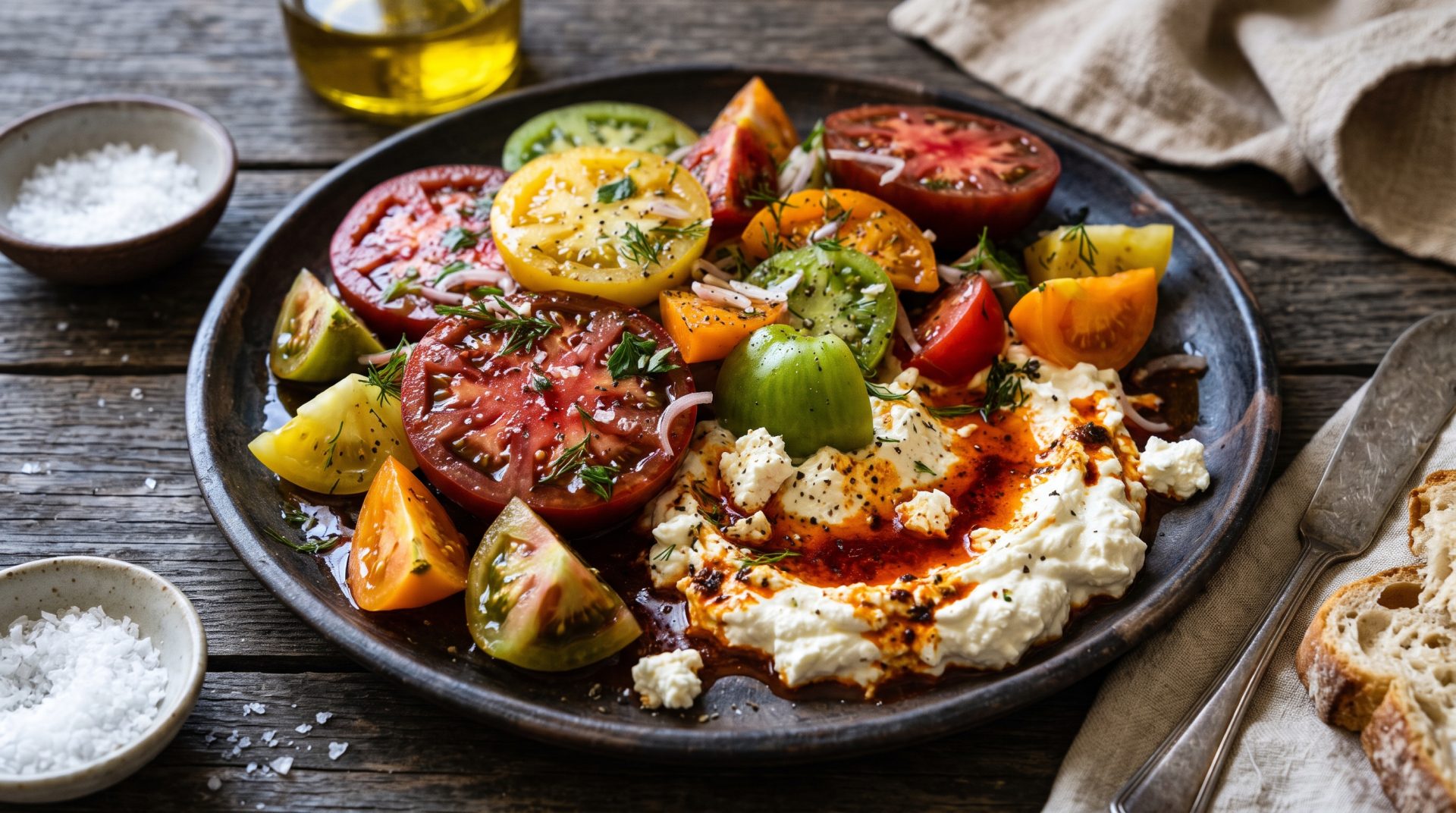
Heirloom Tomatoes with Creamy Feta & Paprika Oil

Salads · Side Dishes

Heirloom Tomatoes with Creamy Feta & Paprika Oil

A lemony feta-yogurt spread makes a rich base for ripe tomatoes. A quick smoked-paprika oil and fresh mint finish the platter with warmth and brightness.
Serves
4 servings

Bring it to the table

About this recipe.

Tomatoes over lemony feta-yogurt cream with mint and warm smoked-paprika oil.

Before you start

Gather your ingredients.

Check your pantry before you begin. Full quantities and serving adjustments are in the recipe card below.

See the ingredient checklist
  • 4 oz feta (crumbled)
  • 1/2 cup plain whole-milk Greek yogurt
  • 1 lemon (finely grated zest)
  • 1 tablespoon fresh lemon juice
  • 1 tablespoon extra-virgin olive oil (for feta mixture)
  • 1 tablespoon chopped mint (plus leaves for serving)
  • freshly ground black pepper (to taste)
  • 1/2 teaspoon Diamond Crystal kosher salt (or 1/4 teaspoon Morton for the base recipe)
  • 2 tablespoons extra-virgin olive oil (for paprika oil)
  • 1/4 teaspoon smoked paprika
  • 1 1/2 lb mixed heirloom tomatoes (sliced, quartered or halved)
  • flaky sea salt (to finish)

Warm the paprika briefly

Thirty seconds in warm oil brings out its aroma. Remove it from the heat promptly so the paprika does not burn.

At the table

Serve as a fresh side with bread or a simple main dish.

The cooking plan

How to make Heirloom Tomatoes with Creamy Feta & Paprika Oil.

  1. Mash the feta with a fork. Mix in the yogurt, lemon zest and juice, tablespoon oil and chopped mint. Season with black pepper and measured salt.

  2. Just before serving, warm the remaining oil in a small saucepan over medium heat. Swirl in the paprika for about 30 seconds, until fragrant, then remove from the heat and cool slightly.

  3. Spread the feta mixture in a shallow bowl or platter and pile the tomatoes over it. Add a little flaky salt and pepper, drizzle with paprika oil and finish with mint leaves.

Let’s cook

The full recipe.

Check off ingredients as you get them ready.

Changing servings? The ingredient list scales automatically. Adjust quantities named in the steps to match, and choose pans and cooking times for your batch.

Heirloom Tomatoes with Creamy Feta & Paprika Oil

No ratings yet
Tomatoes over lemony feta-yogurt cream with mint and warm smoked-paprika oil.
Servings: 4 servings
Course: Salad, Side Dish
Cuisine: Mediterranean-inspired

Some ingredient links are affiliate links. We may earn a commission at no extra cost to you. As an Amazon Associate I earn from qualifying purchases.

Ingredients
  

  • 4 oz Feta Cheese crumbled
  • ½ cup plain whole-milk Greek yogurt
  • 1 lemon finely grated zest
  • 1 tablespoon fresh lemon juice
  • 1 tablespoon extra-virgin olive oil for feta mixture
  • 1 tablespoon chopped mint plus leaves for serving
  • freshly ground black pepper to taste
  • Light irregular kosher salt flakes in a small white bowl½ teaspoon Diamond Crystal kosher salt or 1/4 teaspoon Morton for the base recipe
  • 2 tablespoons extra-virgin olive oil for paprika oil
  • ¼ teaspoon smoked paprika
  • 1 ½ lb mixed heirloom tomatoes sliced, quartered or halved
  • Large delicate sea salt flakes in a glass prep bowlflaky sea salt to finish

Equipment images are illustrative. Exact products may vary.
Instructions
 

  1. Mash the feta with a fork. Mix in the yogurt, lemon zest and juice, tablespoon oil and chopped mint. Season with black pepper and measured salt.
  2. Just before serving, warm the remaining oil in a small saucepan over medium heat. Swirl in the paprika for about 30 seconds, until fragrant, then remove from the heat and cool slightly.
  3. Spread the feta mixture in a shallow bowl or platter and pile the tomatoes over it. Add a little flaky salt and pepper, drizzle with paprika oil and finish with mint leaves.

Notes

Choose ripe tomatoes and vary the cuts for a platter that is easy to serve.
Taste the feta mixture before adding more salt; feta varies in saltiness.

Tried this recipe?

Let us know how it was!

A couple of useful answers.

How do I change the number of servings?

Use the serving controls in the recipe card. Ingredient quantities change automatically; quantities written in the instructions, pan sizes and cooking times still need your attention.

Can I print or check off the ingredients?

Choose Print recipe near the title for a printable version. On this page, check ingredients off as you prepare them, then use Reset ingredient checks to start again.

Keep the good food going

Similar Recipes

Choose your next craving. Each card includes its recipe’s total time.