Almond Joconde Sponge Sheet

Dessert · Pastry

Almond Joconde Sponge Sheet

Whip the two egg mixtures separately, then fold them together with the sifted dry ingredients. Spread the batter evenly so the sheet bakes through without dry edges and a wet center.

Yield
1 small batch
Cuisine
French-inspired

Bring it to the table

Keep the layer thin

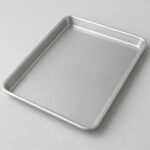
Spread the batter about 1/4 inch thick on parchment-lined rimmed baking sheets. Use another sheet if needed rather than making a deep cake.

At the table

Cool and cut for a dessert assembled separately, or serve small pieces with fruit. Any cream or filling needs its own preparation and storage instructions.

Before you start

Gather your ingredients.

Full quantities and serving adjustments are in the recipe card below.

See the ingredient checklist
  • 150 g whole eggs — lightly beaten and weighed without shell
  • 60 g egg yolks
  • 50 g granulated sugar — for the whole-egg mixture
  • 100 g all-purpose flour — sifted
  • 100 g egg whites
  • 20 g granulated sugar — for the meringue
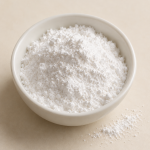
  • 100 g confectioners’ sugar — sifted
  • 100 g almond flour — finely ground, sifted

A few useful notes.

This is a sponge component, without a filling, syrup or assembled cake.

The two granulated sugar amounts belong to different egg mixtures.

The recipe control represents one batch, without a fixed sheet or portion count.

Do not taste raw batter.

The cooking plan

How to make Almond Joconde Sponge Sheet.

  1. Heat the oven to 375°F. Line a large rimmed baking sheet with parchment, preparing a second if needed to keep the batter layer thin.

  2. Whip the whole eggs, yolks and their 50 g granulated sugar until thick, pale and foamy, with a ribbon that remains briefly on the surface. Sift the flour, confectioners’ sugar and almond flour together separately.

  3. In a clean, grease-free bowl, whisk the whites until foamy. Gradually add their 20 g granulated sugar and continue to soft peaks.

  4. Fold a portion of the whites into the whole-egg mixture to lighten it. Fold in the sifted dry ingredients and remaining whites in alternating additions, using gentle strokes and stopping as soon as no dry pockets or white streaks remain.

  5. Spread about 1/4 inch thick on the prepared sheet or sheets. Bake until lightly colored and set, starting to check at 8 minutes and continuing as needed. The center should spring back gently, with no wet batter.

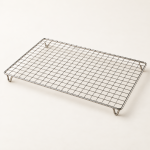
  6. Transfer the parchment and sponge to a rack to cool. Peel away the paper carefully once cool and cut as needed. Wrap well if keeping for later, and refrigerate if combined with a perishable filling.

Let’s cook

The full recipe.

Check off ingredients as you get them ready.

Changing servings? The ingredient list scales automatically. Adjust quantities named in the steps to match, and choose pans and cooking times for your batch.

Almond Joconde Sponge Sheet

No ratings yet
A thin almond sponge sheet made with whole eggs, extra yolks and a separately whipped meringue.
Servings: 1 small batch
Course: Dessert, Pastry
Cuisine: French-inspired

Some ingredient links are affiliate links. We may earn a commission at no extra cost to you. As an Amazon Associate I earn from qualifying purchases.

Ingredients
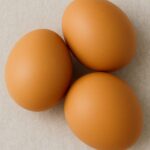
  

  • 150 g whole eggs lightly beaten and weighed without shell
  • Three separated raw egg yolks in a clear glass bowl60 g egg yolks
  • 50 g granulated sugar for the whole-egg mixture
  • 100 g all-purpose flour sifted
  • 100 g egg whites
  • 20 g granulated sugar for the meringue
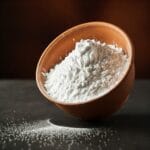
  • Fine white powdered confectioners sugar in a prep bowl100 g confectioners’ sugar sifted
  •  
    100 g almond flour finely ground, sifted

Equipment images are illustrative. Exact products may vary.

Instructions
 

  1. Heat the oven to 375°F. Line a large rimmed baking sheet with parchment, preparing a second if needed to keep the batter layer thin.
  2. Whip the whole eggs, yolks and their 50 g granulated sugar until thick, pale and foamy, with a ribbon that remains briefly on the surface. Sift the flour, confectioners’ sugar and almond flour together separately.
  3. In a clean, grease-free bowl, whisk the whites until foamy. Gradually add their 20 g granulated sugar and continue to soft peaks.
  4. Fold a portion of the whites into the whole-egg mixture to lighten it. Fold in the sifted dry ingredients and remaining whites in alternating additions, using gentle strokes and stopping as soon as no dry pockets or white streaks remain.
  5. Spread about 1/4 inch thick on the prepared sheet or sheets. Bake until lightly colored and set, starting to check at 8 minutes and continuing as needed. The center should spring back gently, with no wet batter.
  6. Transfer the parchment and sponge to a rack to cool. Peel away the paper carefully once cool and cut as needed. Wrap well if keeping for later, and refrigerate if combined with a perishable filling.

Notes

This is a sponge component, without a filling, syrup or assembled cake.
The two granulated sugar amounts belong to different egg mixtures.
The recipe control represents one batch, without a fixed sheet or portion count.
Do not taste raw batter.

Tried this recipe?

Let us know how it was!

A couple of useful answers.

Can I bake it as a deep cake?

These instructions are for a thin sponge sheet about 1/4 inch thick; a deep cake needs a different baking assessment.

Why whip the whites separately?

The meringue adds air that needs to be preserved with gentle folding.

Keep the good food going

Similar Recipes

Find another recipe to bring to the table.

Choux Puffs for Profiteroles

Pastry · Dessert

Choux Puffs for Profiteroles

Cook the flour mixture on the stove, cool it briefly and beat in the eggs gradually. Bake the piped mounds until the shells are well set and dry inside.

Yield
1 small batch
Cuisine
French-inspired

Bring it to the table

Add egg by texture

Beat the eggs before weighing. Add gradually until the paste is smooth and glossy and falls from a spatula in a thick ribbon; stop before it becomes runny.

At the table

Cool the shells completely before adding a filling prepared separately. The linked chocolate sauce and almonds can be used to finish a dessert.

Base recipe: Cocoa-Cream Chocolate Sauce, Syrup-Roasted Candied Almonds

Before you start

Gather your ingredients.

Full quantities and serving adjustments are in the recipe card below.

See the ingredient checklist
  • 62.5 g whole milk
  • 75 g water
  • 53 g unsalted butter
  • 2.5 g granulated sugar
  • 2.5 g salt
  • 69 g all-purpose flour — sifted
  • 125 g whole eggs — lightly beaten; add gradually and use only as needed for the texture

A few useful notes.

This recipe makes unfilled shells, not a complete ice-cream-filled profiterole dessert.

The number of shells depends on the piping size.

Fill only when the shells are completely cool. Store fillings according to their own recipes and refrigerate filled pastries when the filling requires it.

The cooking plan

How to make Choux Puffs for Profiteroles.

  1. Heat the oven to 400°F and line a baking sheet with parchment. Bring the milk, water, butter, sugar and salt to a simmer in a saucepan, making sure the butter has melted.

  2. Add the flour all at once and stir vigorously. Cook over medium heat for about 3–6 minutes, stirring, until the paste is smooth and pulls together with a cooked rather than raw-flour smell.

  3. Transfer to a mixing bowl and stir to release steam. Let cool below 125°F before adding egg. Beat in the weighed egg gradually, scraping the bowl, until the paste is smooth and glossy and falls in a thick ribbon. You may not need the last small amount.

  4. Pipe small, evenly sized mounds about 1 1/2 inches across onto the prepared sheet, leaving room to expand. Smooth sharp tips with a lightly dampened finger.

  5. Bake at 400°F for 10 minutes, then lower the oven to 350°F without opening the door. Continue until puffed, deeply golden and firm, starting to check after about 20 more minutes and continuing as needed for size. Do not stop while the shells are pale or soft.

  6. Carefully make a small slit in each shell to release steam, then return to the oven for about 5 minutes to dry. Cool on a rack. Split a cooled test puff to check that the interior is dry rather than wet dough before filling.

Let’s cook

The full recipe.

Check off ingredients as you get them ready.

Changing servings? The ingredient list scales automatically. Adjust quantities named in the steps to match, and choose pans and cooking times for your batch.

Choux Puffs for Profiteroles

No ratings yet
Unfilled choux pastry puffs baked until golden and dry, ready for a separately prepared filling.
Servings: 1 small batch
Course: Dessert, Pastry
Cuisine: French-inspired

Some ingredient links are affiliate links. We may earn a commission at no extra cost to you. As an Amazon Associate I earn from qualifying purchases.

Ingredients
  

  • 62.5 g whole milk
  • 75 g water
  • 53 g unsalted butter
  • 2.5 g granulated sugar
  • 2.5 g salt
  • 69 g all-purpose flour sifted
  • 125 g whole eggs lightly beaten; add gradually and use only as needed for the texture

Equipment images are illustrative. Exact products may vary.

Instructions
 

  1. Heat the oven to 400°F and line a baking sheet with parchment. Bring the milk, water, butter, sugar and salt to a simmer in a saucepan, making sure the butter has melted.
  2. Add the flour all at once and stir vigorously. Cook over medium heat for about 3–6 minutes, stirring, until the paste is smooth and pulls together with a cooked rather than raw-flour smell.
  3. Transfer to a mixing bowl and stir to release steam. Let cool below 125°F before adding egg. Beat in the weighed egg gradually, scraping the bowl, until the paste is smooth and glossy and falls in a thick ribbon. You may not need the last small amount.
  4. Pipe small, evenly sized mounds about 1 1/2 inches across onto the prepared sheet, leaving room to expand. Smooth sharp tips with a lightly dampened finger.
  5. Bake at 400°F for 10 minutes, then lower the oven to 350°F without opening the door. Continue until puffed, deeply golden and firm, starting to check after about 20 more minutes and continuing as needed for size. Do not stop while the shells are pale or soft.
  6. Carefully make a small slit in each shell to release steam, then return to the oven for about 5 minutes to dry. Cool on a rack. Split a cooled test puff to check that the interior is dry rather than wet dough before filling.

Notes

This recipe makes unfilled shells, not a complete ice-cream-filled profiterole dessert.
The number of shells depends on the piping size.
Fill only when the shells are completely cool. Store fillings according to their own recipes and refrigerate filled pastries when the filling requires it.
Base recipe: Cocoa-Cream Chocolate Sauce
Base recipe: Syrup-Roasted Candied Almonds

Tried this recipe?

Let us know how it was!

A couple of useful answers.

Do I have to add every gram of egg?

Add gradually and stop at the thick, glossy ribbon texture rather than thinning the paste until runny.

Why slit the baked shells?

It lets steam escape so the inside can dry before cooling and filling.

Keep the good food going

Similar Recipes

Find another recipe to bring to the table.

Egg and Vinegar Savory Pastry

Pastry

Egg and Vinegar Savory Pastry

Mix the liquid ingredients first, combine with softened butter, then add the sifted dry ingredients just until the dough comes together. Rest it flat in the refrigerator overnight before rolling.

Yield
1 small batch
Cuisine
French-inspired

Bring it to the table

Keep the mixing brief

Once the dry ingredients are incorporated, stop mixing. The overnight chilled rest firms the dough for rolling.

At the table

Use with a separately prepared tart or pie filling and follow that complete recipe for assembly and final baking.

Before you start

Gather your ingredients.

Full quantities and serving adjustments are in the recipe card below.

See the ingredient checklist
  • 157.5 g unsalted butter — softened
  • 45 g water
  • 5 g white vinegar
  • 7 g salt
  • 2 g granulated sugar
  • 25 g whole egg — lightly beaten and weighed without shell
  • 175 g all-purpose flour — plus a little for rolling
  • 87.5 g cornstarch

A few useful notes.

This recipe is the pastry component only; no pâté, meat filling or curing mixture is included.

The control represents one small dough batch, with no fixed shell count.

Do not taste raw dough.

The cooking plan

How to make Egg and Vinegar Savory Pastry.

  1. Stir the water, vinegar, salt, sugar and weighed egg together. Mix in the softened butter until evenly combined.

  2. Sift the flour and cornstarch together. Add to the butter mixture and mix just until the dough holds together, without prolonged beating.

  3. Flatten into a disc, wrap well and refrigerate overnight. Keep refrigerated and use within 2 days, or freeze promptly for longer keeping.

  4. Let soften just enough to roll, then roll about 1/8 inch thick on a lightly floured surface. Line the chosen pan without stretching the pastry, trim and chill again until firm. Use with a fully specified filling recipe for the required assembly and baking method.

  5. If the filling calls for an empty shell to be baked first, place the lined pan on a baking sheet, line the chilled dough with parchment and pie weights, and bake at 375°F until the sides are set and the lining lifts cleanly, starting to check around 20 minutes. Remove the weights carefully and continue until dry and golden for a fully baked shell, or follow the filling recipe for a partial bake.

Let’s cook

The full recipe.

Check off ingredients as you get them ready.

Changing servings? The ingredient list scales automatically. Adjust quantities named in the steps to match, and choose pans and cooking times for your batch.

Egg and Vinegar Savory Pastry

No ratings yet
A savory pastry dough made with butter, egg, vinegar and a blend of flour and cornstarch.
Servings: 1 small batch
Course: Pastry
Cuisine: French-inspired

Some ingredient links are affiliate links. We may earn a commission at no extra cost to you. As an Amazon Associate I earn from qualifying purchases.

Ingredients
  

  • 157.5 g unsalted butter softened
  • 45 g water
  • 5 g white vinegar
  • 7 g salt
  • 2 g granulated sugar
  • 25 g whole eggs lightly beaten and weighed without shell
  • 175 g all-purpose flour plus a little for rolling
  • 87.5 g cornstarch

Equipment images are illustrative. Exact products may vary.

Instructions
 

  1. Stir the water, vinegar, salt, sugar and weighed egg together. Mix in the softened butter until evenly combined.
  2. Sift the flour and cornstarch together. Add to the butter mixture and mix just until the dough holds together, without prolonged beating.
  3. Flatten into a disc, wrap well and refrigerate overnight. Keep refrigerated and use within 2 days, or freeze promptly for longer keeping.
  4. Let soften just enough to roll, then roll about 1/8 inch thick on a lightly floured surface. Line the chosen pan without stretching the pastry, trim and chill again until firm. Use with a fully specified filling recipe for the required assembly and baking method.
  5. If the filling calls for an empty shell to be baked first, place the lined pan on a baking sheet, line the chilled dough with parchment and pie weights, and bake at 375°F until the sides are set and the lining lifts cleanly, starting to check around 20 minutes. Remove the weights carefully and continue until dry and golden for a fully baked shell, or follow the filling recipe for a partial bake.

Notes

This recipe is the pastry component only; no pâté, meat filling or curing mixture is included.
The control represents one small dough batch, with no fixed shell count.
Do not taste raw dough.

Tried this recipe?

Let us know how it was!

A couple of useful answers.

Does this include a pâté filling?

No. Prepare any filling separately using a complete recipe with its own cooking instructions.

Why chill overnight?

The dough firms and rests before rolling, making it easier to handle without excess mixing.

Keep the good food going

Similar Recipes

Find another recipe to bring to the table.

Butter-Rich Tart Pastry (Pâte Brisée)

Pastry

Butter-Rich Tart Pastry (Pâte Brisée)

Keep the butter cold, pulse only enough to combine and give the dough a chilled rest before lining a tart pan. The filling is prepared separately.

Yield
1 small batch
Cuisine
French-inspired

Bring it to the table

Stop before it turns into a paste

Pulse the butter into the flour in short bursts, then add cold water just until the mixture holds together when pressed.

At the table

Use as a tart shell with a separately prepared filling, baking the shell as that filling requires.

Before you start

Gather your ingredients.

Full quantities and serving adjustments are in the recipe card below.

See the ingredient checklist
  • 125 g all-purpose flour — plus a little for rolling
  • 102.5 g unsalted butter — cold, in small cubes
  • 1.5 g salt
  • 37.5 g cold water

A few useful notes.

This is an unsweetened dough component, not a complete tart.

The control represents one small dough batch; shell size and thickness determine how much is needed.

Do not taste raw dough.

The cooking plan

How to make Butter-Rich Tart Pastry (Pâte Brisée).

  1. Pulse the flour, salt and cold butter in a food processor until the butter is distributed in small pieces. Add the measured cold water and pulse briefly, stopping as soon as the mixture holds when pressed together.

  2. Gather gently into a disc without prolonged kneading. Wrap and refrigerate for at least 1 hour. Keep refrigerated and use within 2 days, or freeze promptly for later use.

  3. Let the dough soften just enough to roll. Roll about 1/8 inch thick on a lightly floured surface or between parchment. Line the chosen tart pan without stretching the dough, trim and chill again until firm, about 30 minutes.

  4. Follow your filling recipe for baking. If an empty shell needs a partial bake, heat the oven to 375°F, set the pan on a baking sheet, line the chilled shell with parchment and fill with pie weights. Start checking around 20 minutes and continue until the sides are set and the lining lifts cleanly.

  5. Remove the weights carefully. For a fully baked shell, continue until the base looks dry and golden, checking after another 5–15 minutes as needed for the pan and thickness. Cool before adding a no-bake filling.

Let’s cook

The full recipe.

Check off ingredients as you get them ready.

Changing servings? The ingredient list scales automatically. Adjust quantities named in the steps to match, and choose pans and cooking times for your batch.

Butter-Rich Tart Pastry (Pâte Brisée)

No ratings yet
An unsweetened butter-rich tart pastry made with flour, cold butter, salt and water.
Servings: 1 small batch
Course: Pastry
Cuisine: French-inspired

Some ingredient links are affiliate links. We may earn a commission at no extra cost to you. As an Amazon Associate I earn from qualifying purchases.

Ingredients
  

  • 125 g all-purpose flour plus a little for rolling
  • 102.5 g unsalted butter cold, in small cubes
  • 1.5 g salt
  • 37.5 g cold water

Equipment images are illustrative. Exact products may vary.

Instructions
 

  1. Pulse the flour, salt and cold butter in a food processor until the butter is distributed in small pieces. Add the measured cold water and pulse briefly, stopping as soon as the mixture holds when pressed together.
  2. Gather gently into a disc without prolonged kneading. Wrap and refrigerate for at least 1 hour. Keep refrigerated and use within 2 days, or freeze promptly for later use.
  3. Let the dough soften just enough to roll. Roll about 1/8 inch thick on a lightly floured surface or between parchment. Line the chosen tart pan without stretching the dough, trim and chill again until firm, about 30 minutes.
  4. Follow your filling recipe for baking. If an empty shell needs a partial bake, heat the oven to 375°F, set the pan on a baking sheet, line the chilled shell with parchment and fill with pie weights. Start checking around 20 minutes and continue until the sides are set and the lining lifts cleanly.
  5. Remove the weights carefully. For a fully baked shell, continue until the base looks dry and golden, checking after another 5–15 minutes as needed for the pan and thickness. Cool before adding a no-bake filling.

Notes

This is an unsweetened dough component, not a complete tart.
The control represents one small dough batch; shell size and thickness determine how much is needed.
Do not taste raw dough.

Tried this recipe?

Let us know how it was!

A couple of useful answers.

Does this dough contain sugar?

No. It uses flour, butter, salt and water.

Do I need to bake it before filling?

That depends on the filling. Follow the complete tart recipe for a partial or full bake.

Keep the good food going

Similar Recipes

Find another recipe to bring to the table.

Small-Batch Sweet Tart Dough (Pâte Sucrée)

Dessert · Pastry

Small-Batch Sweet Tart Dough (Pâte Sucrée)

Cream softened butter with confectioners sugar, mix in weighed eggs, then add flour only until the dough comes together. Chill thoroughly before lining a tart pan.

Yield
1 small batch
Cuisine
French-inspired

Bring it to the table

Weigh the egg mixture

Lightly beat whole egg before weighing 25 g. Weigh the extra yolks separately so the small batch keeps its balance.

At the table

Use with a tart filling prepared separately, choosing a partially or fully baked shell to suit that filling.

Before you start

Gather your ingredients.

Full quantities and serving adjustments are in the recipe card below.

See the ingredient checklist
  • 70 g unsalted butter — softened
  • 62.5 g confectioners sugar
  • 32.5 g egg yolks — weighed without whites
  • 25 g whole egg — lightly beaten, weighed without shell
  • 168 g all-purpose flour — plus a little for rolling

A few useful notes.

The control represents one small dough batch; tart size and thickness determine how much is needed.

Baking times are checking points and depend on the pan and thickness.

Keep unbaked dough refrigerated and use within 2 days, or freeze promptly. Do not taste raw dough.

The cooking plan

How to make Small-Batch Sweet Tart Dough (Pâte Sucrée).

  1. Mix the softened butter and confectioners sugar until smooth. Lightly beat the measured whole egg and yolks together, then mix into the butter in small additions, scraping the bowl.

  2. Add the flour and mix on low speed or by hand just until the dough comes together. Do not keep beating once combined. Flatten into a disc, wrap and refrigerate for at least 2 hours.

  3. Let the dough soften just enough to roll. Roll about 1/8 inch thick on a lightly floured surface or between parchment sheets. Fit into a tart pan without stretching and trim; save spare dough. The amount used depends on the pan. Prick the base lightly and freeze the lined pan for about 30 minutes.

  4. For an unfilled shell, heat the oven to 375°F. Set the pan on a baking sheet, line with parchment and fill with pie weights. Bake, checking around 20–25 minutes, until the sides are set and the lining lifts without pulling away raw dough.

  5. Remove lining and weights carefully. For a fully baked shell, return to the oven until the base is dry and golden, checking after another 5–10 minutes. For a filling that needs further baking, follow that tart recipe after the initial bake. Cool before adding a no-bake filling.

Let’s cook

The full recipe.

Check off ingredients as you get them ready.

Changing servings? The ingredient list scales automatically. Adjust quantities named in the steps to match, and choose pans and cooking times for your batch.

Small-Batch Sweet Tart Dough (Pâte Sucrée)

No ratings yet
A sweet butter-and-egg pastry dough for lining a tart pan, with a rest before rolling.
Servings: 1 small batch
Course: Dessert, Pastry
Cuisine: French-inspired

Some ingredient links are affiliate links. We may earn a commission at no extra cost to you. As an Amazon Associate I earn from qualifying purchases.

Ingredients

  

  • 70 g unsalted butter softened
  • Fine white powdered confectioners sugar in a prep bowl62.5 g confectioners sugar
  • Three separated raw egg yolks in a clear glass bowl32.5 g egg yolks weighed without whites
  • 25 g whole eggs lightly beaten, weighed without shell
  • 168 g all-purpose flour plus a little for rolling

Equipment images are illustrative. Exact products may vary.

Instructions
 

  1. Mix the softened butter and confectioners sugar until smooth. Lightly beat the measured whole egg and yolks together, then mix into the butter in small additions, scraping the bowl.
  2. Add the flour and mix on low speed or by hand just until the dough comes together. Do not keep beating once combined. Flatten into a disc, wrap and refrigerate for at least 2 hours.
  3. Let the dough soften just enough to roll. Roll about 1/8 inch thick on a lightly floured surface or between parchment sheets. Fit into a tart pan without stretching and trim; save spare dough. The amount used depends on the pan. Prick the base lightly and freeze the lined pan for about 30 minutes.
  4. For an unfilled shell, heat the oven to 375°F. Set the pan on a baking sheet, line with parchment and fill with pie weights. Bake, checking around 20–25 minutes, until the sides are set and the lining lifts without pulling away raw dough.
  5. Remove lining and weights carefully. For a fully baked shell, return to the oven until the base is dry and golden, checking after another 5–10 minutes. For a filling that needs further baking, follow that tart recipe after the initial bake. Cool before adding a no-bake filling.

Notes

The control represents one small dough batch; tart size and thickness determine how much is needed.
Baking times are checking points and depend on the pan and thickness.
Keep unbaked dough refrigerated and use within 2 days, or freeze promptly. Do not taste raw dough.

Tried this recipe?

Let us know how it was!

A couple of useful answers.

Why rest the dough?

Chilling firms the butter and lets the dough relax before rolling and lining.

Should I fully bake it before adding a filling?

That depends on the filling. A no-bake filling needs a fully baked shell; a filling that cooks in the tart may call for a partial bake.

Keep the good food going

Similar Recipes

Find another recipe to bring to the table.