Cinnamon and Clove Refrigerator Pickled Beets

Condiment · Side Dish

Cinnamon and Clove Refrigerator Pickled Beets

Make a small batch, cool promptly and keep refrigerated for use within 3–4 days.

Yield
6 side portions
Cuisine
Contemporary

Bring it to the table

Start with labeled vinegar

Use white vinegar labeled 5% acidity. Measure the vinegar and fresh water separately.

At the table

Serve chilled alongside a meal or drain a few slices for a salad.

Before you start

Gather your ingredients.

Full quantities and serving adjustments are in the recipe card below.

See the ingredient checklist
  • 1.75 lb small beets — about 2–2 1/2 inches across; tops trimmed to leave 1 inch of stem
  • 1 cup white vinegar — labeled 5% acidity
  • 1/2 cup fresh water — for the dressing
  • 1/2 cup granulated sugar
  • 3/8 tsp pickling salt
  • 1/2 cinnamon stick
  • 3 whole cloves

A few useful notes.

This is a refrigerator dish for prompt use, with no canning or room-temperature storage instructions.

Six side portions are a serving suggestion.

The cooking plan

How to make Cinnamon and Clove Refrigerator Pickled Beets.

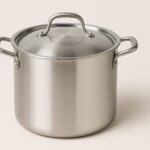
  1. Wash the beets. Cover with water and boil until tender, starting to check around 25 minutes. Drain and discard the cooking water. Cool enough to handle, remove skins and roots, and cut into 1/4-inch slices.

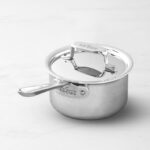
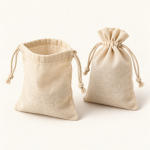
  2. Combine the measured vinegar, fresh water, sugar and salt in a saucepan. Enclose cinnamon and cloves in a food-safe spice bag, add and bring to a boil.

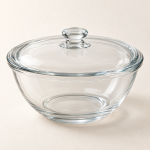
  3. Add beet slices and simmer for 5 minutes, then remove the spice bag. Transfer to shallow heatproof containers with the liquid.

  4. Cool promptly and refrigerate within 2 hours at 40°F or below. Use within 3–4 days. Keep refrigerated throughout storage; these directions do not produce shelf-stable canned beets.

Let’s cook

The full recipe.

Check off ingredients as you get them ready.

Changing servings? The ingredient list scales automatically. Adjust quantities named in the steps to match, and choose pans and cooking times for your batch.

Cinnamon and Clove Refrigerator Pickled Beets

No ratings yet
Cooked beet slices in a sweet-sharp vinegar dressing with cinnamon and cloves.
Servings: 6 side portions
Course: Condiment, Side Dish
Cuisine: Contemporary

Some ingredient links are affiliate links. We may earn a commission at no extra cost to you. As an Amazon Associate I earn from qualifying purchases.

Ingredients
  

  •  
    1.75 lb small beets about 2–2 1/2 inches across; tops trimmed to leave 1 inch of stem
  •  
    1 cup white vinegar labeled 5% acidity
  •  
    ½ cup fresh water for the dressing
  • ½ cup granulated sugar
  •  
    ⅜ tsp pickling salt
  •  
    ½ cinnamon stick
  •  
    3 whole cloves

Equipment images are illustrative. Exact products may vary.

Instructions
 

  1. Wash the beets. Cover with water and boil until tender, starting to check around 25 minutes. Drain and discard the cooking water. Cool enough to handle, remove skins and roots, and cut into 1/4-inch slices.
  2. Combine the measured vinegar, fresh water, sugar and salt in a saucepan. Enclose cinnamon and cloves in a food-safe spice bag, add and bring to a boil.
  3. Add beet slices and simmer for 5 minutes, then remove the spice bag. Transfer to shallow heatproof containers with the liquid.
  4. Cool promptly and refrigerate within 2 hours at 40°F or below. Use within 3–4 days. Keep refrigerated throughout storage; these directions do not produce shelf-stable canned beets.

Notes

This is a refrigerator dish for prompt use, with no canning or room-temperature storage instructions.
Six side portions are a serving suggestion.

Tried this recipe?

Let us know how it was!

A couple of useful answers.

Can I store these in the pantry?

Keep this version refrigerated and use within 3–4 days.

Can I reuse the beet cooking water?

Discard it; use the separately measured fresh water in the dressing.

Keep the good food going

Similar Recipes

Find another recipe to bring to the table.

Citrus, Ginger and Raisin Couscous

Side Dish

Citrus, Ginger and Raisin Couscous

The measured juices form part of the cooking liquid. Use plain instant couscous rather than the larger pearled type, and check the liquid ratio on its package.

Yield
4 small side portions
Cuisine
Contemporary

Bring it to the table

Check the couscous package

This base batch uses 1 cup of total liquid for 3/4 cup instant couscous. If your package specifies a different amount, adjust only the water so the measured juices still count toward that total.

At the table

Serve warm or chilled as a small side. Any seafood or dressing is prepared separately.

Before you start

Gather your ingredients.

Full quantities and serving adjustments are in the recipe card below.

See the ingredient checklist
  • 3/4 cup plain instant couscous — not pearled couscous
  • 190 ml water — adjust if the package requires a different total liquid amount
  • 30 ml orange juice
  • 15 ml grapefruit juice
  • 5 ml lemon juice
  • 1 tbsp extra-virgin olive oil
  • 1 tsp fresh ginger — finely grated
  • 1/2 tsp curry powder
  • 15 g golden raisins — chopped
  • 1 pinch Espelette pepper
  • salt — to taste
  • ground black pepper — to taste

A few useful notes.

This version makes the couscous side only, without crab or aïoli.

Instant and pearled couscous have different cooking methods.

Four small side portions are a home serving suggestion.

The cooking plan

How to make Citrus, Ginger and Raisin Couscous.

  1. Check that the plain instant couscous package uses about 1 cup total liquid for 3/4 cup dry couscous. The listed water and juices total 240 ml. If the package needs a different total, adjust the water while keeping the juices measured.

  2. Put the water, juices, olive oil, ginger, curry, raisins and Espelette in a small saucepan. Bring just to a boil.

  3. Stir in the couscous, cover and remove from the heat. Let stand for the time specified on the package, generally about 5 minutes for plain instant couscous.

  4. Fluff gently with a fork, separating the grains. Season with salt and pepper to taste and serve warm.

  5. For a chilled side, spread in a shallow container to cool promptly and refrigerate within 2 hours at 40°F or below. Use within 3–4 days. Keep any seafood accompaniment separate and follow its own storage instructions.

Let’s cook

The full recipe.

Check off ingredients as you get them ready.

Changing servings? The ingredient list scales automatically. Adjust quantities named in the steps to match, and choose pans and cooking times for your batch.

Citrus, Ginger and Raisin Couscous

No ratings yet
Fluffy instant couscous flavored with orange, grapefruit, lemon, ginger, curry and golden raisins.
Servings: 4 small side portions
Course: Side Dish
Cuisine: Contemporary

Some ingredient links are affiliate links. We may earn a commission at no extra cost to you. As an Amazon Associate I earn from qualifying purchases.

Ingredients
  

  •  
    ¾ cup plain instant couscous not pearled couscous
  • 190 ml water adjust if the package requires a different total liquid amount
  •  
    30 ml orange juice
  •  
    15 ml grapefruit juice
  • 5 ml lemon juice
  • 1 tbsp extra-virgin olive oil
  •  
    1 tsp fresh ginger finely grated
  •  
    ½ tsp curry powder
  •  
    15 g golden raisins chopped
  •  
    1 pinch Espelette pepper
  • salt to taste
  • ground black pepper to taste

Equipment images are illustrative. Exact products may vary.

Instructions
 

  1. Check that the plain instant couscous package uses about 1 cup total liquid for 3/4 cup dry couscous. The listed water and juices total 240 ml. If the package needs a different total, adjust the water while keeping the juices measured.
  2. Put the water, juices, olive oil, ginger, curry, raisins and Espelette in a small saucepan. Bring just to a boil.
  3. Stir in the couscous, cover and remove from the heat. Let stand for the time specified on the package, generally about 5 minutes for plain instant couscous.
  4. Fluff gently with a fork, separating the grains. Season with salt and pepper to taste and serve warm.
  5. For a chilled side, spread in a shallow container to cool promptly and refrigerate within 2 hours at 40°F or below. Use within 3–4 days. Keep any seafood accompaniment separate and follow its own storage instructions.

Notes

This version makes the couscous side only, without crab or aïoli.
Instant and pearled couscous have different cooking methods.
Four small side portions are a home serving suggestion.

Tried this recipe?

Let us know how it was!

A couple of useful answers.

Can I use pearled couscous?

Not with these directions. Use the small, precooked instant granules specified.

Do the juices count as cooking liquid?

Yes. The measured juices and water together make the base batch’s total liquid.

Keep the good food going

Similar Recipes

Find another recipe to bring to the table.

White Wine-Braised Baby Artichokes

Side Dish

White Wine-Braised Baby Artichokes

Trim away the tough leaves before cooking and use a snug pan. The artichokes are ready when a knife slips easily into their bases, with no tough outer leaves remaining.

Yield
4 side servings
Cuisine
French-inspired

Bring it to the table

Trim down to tender leaves

Baby artichokes still need trimming. Remove tough outer leaves, shorten the tops and peel the stems before halving and checking for any fuzzy choke.

At the table

Serve warm or chilled with a little of the cooking liquid as a vegetable side.

Before you start

Gather your ingredients.

Full quantities and serving adjustments are in the recipe card below.

See the ingredient checklist
  • 8 baby artichokes
  • 1 lemon — juice, for the holding water
  • 4 tbsp extra-virgin olive oil — divided
  • 1/2 small onion — finely diced
  • 2 cloves garlic — thinly sliced
  • 1/2 tsp fennel seeds
  • 1/2 tsp coriander seeds
  • 1/8 tsp whole black peppercorns
  • 180 ml dry white wine
  • 1 thyme sprig
  • 1 bay leaf
  • 2 parsley stems
  • water — as needed for braising
  • salt — to taste

A few useful notes.

Four side portions are a home serving suggestion.

Cooking time varies with artichoke size and trimming.

This version contains white wine; cooking is not a promise of complete alcohol removal.

The cooking plan

How to make White Wine-Braised Baby Artichokes.

  1. Prepare a bowl of cold water with the lemon juice. Remove tough outer artichoke leaves, cut away the firm upper leaf tips, trim and peel the stems, and halve the artichokes. Remove any fuzzy choke. Place trimmed pieces in the lemon water as you work, then drain before cooking.

  2. Warm half the oil in a snug, heavy saucepan. Add the fennel seeds, coriander and peppercorns and stir briefly until fragrant without burning.

  3. Add the onion and garlic and cook gently until softened without browning. Add the remaining oil and drained artichokes, then the wine, thyme, bay and parsley stems.

  4. Add only enough water to barely cover the artichokes. Cover with a close-fitting lid or parchment circle and simmer gently, stirring or turning occasionally and adding a splash of water if the pan is drying.

  5. Start checking after about 15 minutes and continue until a small knife slips easily into the bases and the leaves are tender. Remove the herb stems and bay, season to taste and serve with a little cooking liquid.

  6. If serving later, cool in a shallow container and refrigerate within 2 hours at 40°F or below. Use within 3–4 days. This is a cooked vegetable dish for prompt use, not a preserving or canning method.

Let’s cook

The full recipe.

Check off ingredients as you get them ready.

Changing servings? The ingredient list scales automatically. Adjust quantities named in the steps to match, and choose pans and cooking times for your batch.

White Wine-Braised Baby Artichokes

No ratings yet
Baby artichokes braised with white wine, garlic, onion, fennel seed and coriander.
Servings: 4 side servings
Course: Side Dish
Cuisine: French-inspired

Some ingredient links are affiliate links. We may earn a commission at no extra cost to you. As an Amazon Associate I earn from qualifying purchases.

Ingredients
  

  •  
    8 baby artichokes
  • 1 lemon juice, for the holding water
  • 4 tbsp extra-virgin olive oil divided
  •  
    ½ small Onions finely diced
  • 2 cloves garlic thinly sliced
  • ½ tsp fennel seeds
  •  
    ½ tsp coriander seeds
  •  
    ⅛ tsp whole black peppercorns
  •  
    180 ml dry white wine
  • 1 thyme sprig
  • 1 bay leaf
  •  
    2 parsley stems
  • water as needed for braising
  • salt to taste

Equipment images are illustrative. Exact products may vary.

Instructions
 

  1. Prepare a bowl of cold water with the lemon juice. Remove tough outer artichoke leaves, cut away the firm upper leaf tips, trim and peel the stems, and halve the artichokes. Remove any fuzzy choke. Place trimmed pieces in the lemon water as you work, then drain before cooking.
  2. Warm half the oil in a snug, heavy saucepan. Add the fennel seeds, coriander and peppercorns and stir briefly until fragrant without burning.
  3. Add the onion and garlic and cook gently until softened without browning. Add the remaining oil and drained artichokes, then the wine, thyme, bay and parsley stems.
  4. Add only enough water to barely cover the artichokes. Cover with a close-fitting lid or parchment circle and simmer gently, stirring or turning occasionally and adding a splash of water if the pan is drying.
  5. Start checking after about 15 minutes and continue until a small knife slips easily into the bases and the leaves are tender. Remove the herb stems and bay, season to taste and serve with a little cooking liquid.
  6. If serving later, cool in a shallow container and refrigerate within 2 hours at 40°F or below. Use within 3–4 days. This is a cooked vegetable dish for prompt use, not a preserving or canning method.

Notes

Four side portions are a home serving suggestion.
Cooking time varies with artichoke size and trimming.
This version contains white wine; cooking is not a promise of complete alcohol removal.

Tried this recipe?

Let us know how it was!

A couple of useful answers.

Why do the artichokes need so much trimming?

The tough outer leaves and stem skin do not become pleasant to eat simply by braising. Trim until the remaining parts are tender.

Is this a jarred preserve?

No. Refrigerate promptly and use within 3–4 days.

Keep the good food going

Similar Recipes

Find another recipe to bring to the table.

Creamy Garlic and Herb Potato Gratin

Side Dish

Creamy Garlic and Herb Potato Gratin

Warm the potatoes in the seasoned cream before transferring everything to a shallow baking dish. Keep the slices unwashed so their starch helps bind the gratin.

Yield
4 side servings
Cuisine
French-inspired

Bring it to the table

Slice, then cook

Peel and slice the potatoes just before adding them to the cream. Do not rinse or soak away the surface starch.

At the table

Rest briefly after baking, then spoon alongside a main dish.

Before you start

Gather your ingredients.

Full quantities and serving adjustments are in the recipe card below.

See the ingredient checklist
  • 625 g Idaho potatoes — peeled weight; thinly sliced, not rinsed or soaked after slicing
  • 2 cups heavy cream
  • 15 g garlic — finely chopped
  • 12.5 g salt — or less to taste; add gradually to the cream
  • 1/2 tsp ground white pepper
  • 1/8 tsp grated nutmeg
  • 1 1/2 tsp fresh thyme leaves — chopped
  • 1 1/2 tsp fresh rosemary — finely chopped

A few useful notes.

Use the peeled potato weight rather than a fixed number of potatoes.

Four side portions are a home serving suggestion.

The cooking plan

How to make Creamy Garlic and Herb Potato Gratin.

  1. Heat the oven to 325°F. Have a shallow ovenproof baking dish of about 1 1/2–2 quarts ready.

  2. Put cream, garlic, herbs, white pepper and nutmeg in a saucepan. Add salt gradually to taste and bring just to a boil.

  3. Add the sliced potatoes. Return to a gentle boil, stirring carefully along the bottom so the slices do not catch.

  4. Transfer potatoes and cream to the baking dish and level the top. Bake for about 1 hour, rotating the dish halfway through, until the potatoes are completely tender and the top is golden. Continue as needed for the actual thickness of the slices and dish.

  5. Let stand briefly before serving. Cool leftovers promptly in shallow portions and refrigerate within 2 hours.

Let’s cook

The full recipe.

Check off ingredients as you get them ready.

Changing servings? The ingredient list scales automatically. Adjust quantities named in the steps to match, and choose pans and cooking times for your batch.

Creamy Garlic and Herb Potato Gratin

No ratings yet
Thinly sliced potatoes baked in garlic, herb and nutmeg cream.
Servings: 4 side servings
Course: Side Dish
Cuisine: French-inspired

Some ingredient links are affiliate links. We may earn a commission at no extra cost to you. As an Amazon Associate I earn from qualifying purchases.

Ingredients
  

  •  
    625 g Idaho potatoes peeled weight; thinly sliced, not rinsed or soaked after slicing
  • 2 cups heavy cream
  • 15 g garlic finely chopped
  • 12.5 g salt or less to taste; add gradually to the cream
  •  
    ½ tsp ground white pepper
  •  
    ⅛ tsp grated nutmeg
  •  
    1 ½ tsp fresh thyme leaves chopped
  •  
    1 ½ tsp fresh rosemary finely chopped

Equipment images are illustrative. Exact products may vary.

Instructions
 

  1. Heat the oven to 325°F. Have a shallow ovenproof baking dish of about 1 1/2–2 quarts ready.
  2. Put cream, garlic, herbs, white pepper and nutmeg in a saucepan. Add salt gradually to taste and bring just to a boil.
  3. Add the sliced potatoes. Return to a gentle boil, stirring carefully along the bottom so the slices do not catch.
  4. Transfer potatoes and cream to the baking dish and level the top. Bake for about 1 hour, rotating the dish halfway through, until the potatoes are completely tender and the top is golden. Continue as needed for the actual thickness of the slices and dish.
  5. Let stand briefly before serving. Cool leftovers promptly in shallow portions and refrigerate within 2 hours.

Notes

Use the peeled potato weight rather than a fixed number of potatoes.
Four side portions are a home serving suggestion.

Tried this recipe?

Let us know how it was!

A couple of useful answers.

Why should I avoid rinsing the slices?

Their surface starch helps thicken and bind the cream.

How do I check doneness?

A knife should pass easily through the center without meeting firm potato.

Keep the good food going

Similar Recipes

Find another recipe to bring to the table.

Fennel and Onion Soubise

Side Dish

Fennel and Onion Soubise

Cook the thinly sliced vegetables slowly without added water, keeping them pale. Drain before blending with the fronds for a thick sauce or side.

Yield
4 side servings
Cuisine
French-inspired

Bring it to the table

Soften without browning

Keep the heat low and stir along the bottom. The vegetables should become very tender while staying pale.

At the table

Spoon a small portion alongside cooked fish, poultry or vegetables.

Before you start

Gather your ingredients.

Full quantities and serving adjustments are in the recipe card below.

See the ingredient checklist
  • 270 g fennel bulb — thinly sliced
  • 200 g onion — thinly sliced
  • 20 g fennel fronds — washed
  • 1 tbsp extra-virgin olive oil
  • salt and black pepper — to taste
  • water — for blanching fronds only; drained

A few useful notes.

The listed water is only for blanching and is drained off.

Four small side portions are a serving suggestion.

The cooking plan

How to make Fennel and Onion Soubise.

  1. Warm olive oil in a small heavy saucepan over low heat. Add onion and cook gently until it begins to soften. Add sliced fennel.

  2. Place a parchment circle directly over the vegetables and cover with a lid. Cook over low heat for about 1 hour, stirring regularly, until very soft and nearly dry. Keep them from browning and do not add water.

  3. Drain any excess cooking liquid through a sieve. Meanwhile blanch fennel fronds in boiling salted water until bright green and softened, then cool in cold water and drain well.

  4. Process the drained vegetables and fronds until smooth and thick. Stop the processor to scrape down as needed; do not add water to thin. Season to taste and serve warm.

Let’s cook

The full recipe.

Check off ingredients as you get them ready.

Changing servings? The ingredient list scales automatically. Adjust quantities named in the steps to match, and choose pans and cooking times for your batch.

Fennel and Onion Soubise

No ratings yet
A thick fennel and onion purée brightened with blanched fennel fronds.
Servings: 4 side servings
Course: Side Dish
Cuisine: French-inspired

Some ingredient links are affiliate links. We may earn a commission at no extra cost to you. As an Amazon Associate I earn from qualifying purchases.

Ingredients
  

  •  
    270 g fennel bulb thinly sliced
  •  
    200 g Onions thinly sliced
  •  
    20 g fennel fronds washed
  • 1 tbsp extra-virgin olive oil
  •  
    salt and black pepper to taste
  • water for blanching fronds only; drained

Equipment images are illustrative. Exact products may vary.

Instructions
 

  1. Warm olive oil in a small heavy saucepan over low heat. Add onion and cook gently until it begins to soften. Add sliced fennel.
  2. Place a parchment circle directly over the vegetables and cover with a lid. Cook over low heat for about 1 hour, stirring regularly, until very soft and nearly dry. Keep them from browning and do not add water.
  3. Drain any excess cooking liquid through a sieve. Meanwhile blanch fennel fronds in boiling salted water until bright green and softened, then cool in cold water and drain well.
  4. Process the drained vegetables and fronds until smooth and thick. Stop the processor to scrape down as needed; do not add water to thin. Season to taste and serve warm.

Notes

The listed water is only for blanching and is drained off.
Four small side portions are a serving suggestion.

Tried this recipe?

Let us know how it was!

A couple of useful answers.

Should I add water while blending?

No. The intended purée is thick; use well-softened vegetables and scrape the processor down between pulses.

Can I brown the onions?

Keep them pale for this version. Cook gently and stir regularly.

Keep the good food going

Similar Recipes

Find another recipe to bring to the table.

Parsley Potato Blini

Appetizer · Side Dish

Parsley Potato Blini

Keep the batter thick and add milk only if needed to loosen it. Cook small portions in clarified butter until golden and fully set in the center.

Yield
33 small blini
Cuisine
French-inspired

Bring it to the table

Start with plain mash

Use cooked potatoes mashed smooth without large additions of cream or butter, so the batter follows the proportions listed.

At the table

Serve warm as a side or add a topping for an appetizer.

Before you start

Gather your ingredients.

Full quantities and serving adjustments are in the recipe card below.

See the ingredient checklist
  • 500 g plain mashed cooked potato — cooled; no added cream or butter
  • 100 g all-purpose flour
  • 3 large eggs
  • 50 ml milk — optional; add only as needed
  • 2 tbsp parsley — finely chopped
  • salt and black pepper — to taste
  • clarified butter — for the pan

A few useful notes.

The base formula makes approximately 33 small blini; actual count depends on portion size.

Milk is optional and may not all be needed.

The cooking plan

How to make Parsley Potato Blini.

  1. Mix the cooled mashed potato and flour until evenly combined. Add eggs one at a time, mixing after each addition.

  2. Stir in parsley, salt and pepper. Add milk a little at a time only if needed; the batter should remain thick and spoonable.

  3. Heat a nonstick skillet over medium heat and coat lightly with clarified butter. Add small spoonfuls of batter, leaving room between them.

  4. Cook until golden underneath and beginning to set on top. Turn and finish the second side. The centers should be fully cooked with no wet batter; check a thicker piece reaches 160°F. Adjust the heat if the outside colors before the center cooks.

  5. Repeat with remaining batter, adding clarified butter as needed. Serve warm.

Let’s cook

The full recipe.

Check off ingredients as you get them ready.

Changing servings? The ingredient list scales automatically. Adjust quantities named in the steps to match, and choose pans and cooking times for your batch.

Parsley Potato Blini

No ratings yet
Small potato pancakes made with mashed potato, eggs, flour and chopped parsley.
Servings: 33 small blini
Course: Appetizer, Side Dish
Cuisine: French-inspired

Some ingredient links are affiliate links. We may earn a commission at no extra cost to you. As an Amazon Associate I earn from qualifying purchases.

Ingredients
  

  •  
    500 g plain mashed cooked potato cooled; no added cream or butter
  • 100 g all-purpose flour
  • 3 large eggs
  • 50 ml milk optional; add only as needed
  • 2 tbsp parsley finely chopped
  •  
    salt and black pepper to taste
  •  
    clarified butter for the pan

Equipment images are illustrative. Exact products may vary.

Instructions
 

  1. Mix the cooled mashed potato and flour until evenly combined. Add eggs one at a time, mixing after each addition.
  2. Stir in parsley, salt and pepper. Add milk a little at a time only if needed; the batter should remain thick and spoonable.
  3. Heat a nonstick skillet over medium heat and coat lightly with clarified butter. Add small spoonfuls of batter, leaving room between them.
  4. Cook until golden underneath and beginning to set on top. Turn and finish the second side. The centers should be fully cooked with no wet batter; check a thicker piece reaches 160°F. Adjust the heat if the outside colors before the center cooks.
  5. Repeat with remaining batter, adding clarified butter as needed. Serve warm.

Notes

The base formula makes approximately 33 small blini; actual count depends on portion size.
Milk is optional and may not all be needed.

Tried this recipe?

Let us know how it was!

A couple of useful answers.

Should the batter be pourable?

No. Keep it thick enough to drop from a spoon and hold a small pancake shape.

Why is milk optional?

Mashed potatoes vary in moisture, so add only enough to loosen a very stiff batter.

Keep the good food going

Similar Recipes

Find another recipe to bring to the table.