
Soup
Saffron-Orange Fish and Lobster Broth
Use cleaned fish frames and lobster shells prepared for stock. Simmer with the vegetables, then strain through fine cloth and discard all bones, shells and solids.
- Yield
- 1 small pot
- Cuisine
- French-inspired
Bring it to the table
Strain rather than blend
Do not put fish bones or lobster shells through a blender or food mill for this home version. Filter the liquid carefully and discard the solids.
At the table
Use the hot broth as the base for a separately prepared soup or sauce, or serve a small cup with an accompaniment prepared separately.
Before you start
Gather your ingredients.
Full quantities and serving adjustments are in the recipe card below.
See the ingredient checklist
- 850 g white-fish frames and heads — fresh or properly thawed; cleaned by a fishmonger, gills removed
- 280 g lobster bodies and shells — cleaned and prepared for stock
- 2 tbsp olive oil
- 1/2 large onion — roughly chopped
- 1/4 fennel bulb — roughly chopped
- 25 g white leek — washed carefully and sliced
- 3 cloves garlic — peeled and crushed
- 6 saffron threads
- 2 cups ripe tomatoes — roughly chopped
- 2 tbsp tomato paste
- 3/4 star anise
- 1/2 anchovy fillet
- 3/4 orange — thin strips of zest only; no white pith
- 1 small thyme sprig
- 1 bay leaf
- 2 parsley stems
- water — just enough to cover in a snug stockpot
- salt — to taste
- ground black pepper — to taste
- 1 pinch cayenne pepper
A few useful notes.
This version makes a strained broth, not a puree of whole fish.
No fixed finished volume is claimed; the pot and water needed to cover affect the yield.
All bones, shells and cooked solids are discarded after straining.
The broth contains fish and shellfish.
The cooking plan
How to make Saffron-Orange Fish and Lobster Broth.
Ask a fishmonger to prepare clean white-fish frames and heads with gills removed, and lobster bodies and shells suitable for stock. Keep them refrigerated until cooking. Wash and chop the vegetables, cleaning grit from the leek.
Warm the oil in a heavy stockpot. Add the onion, fennel, leek and garlic and cook gently until softened. Stir in the saffron, tomato paste, star anise and anchovy and cook briefly without scorching.
Add the prepared fish frames and lobster shells, tomatoes, orange zest and herbs. Pour in only enough water to cover the ingredients in the pot.
Bring to a boil, then reduce to a gentle simmer and cook for about 20 minutes, skimming the surface and stirring carefully if needed to prevent sticking.
Lift out large solids carefully, then strain the liquid through a fine sieve lined with damp food-grade cheesecloth into a clean heatproof pot. Do not crush, puree or blend the bones and shells. Discard every solid, then filter the liquid again through clean fine cloth if any particles remain.
Bring the strained broth back to a boil, season with salt, black pepper and cayenne, and use promptly.
For later use, cool rapidly in shallow containers over an ice bath, stirring the broth with a clean utensil, and refrigerate within 2 hours at 40°F or below. Use within 3–4 days or freeze promptly. Reheat refrigerated broth to a rolling boil.
Let’s cook
The full recipe.
Check off ingredients as you get them ready.
Changing servings? The ingredient list scales automatically. Adjust quantities named in the steps to match, and choose pans and cooking times for your batch.
Saffron-Orange Fish and Lobster Broth
Ingredients
- 850 g white-fish frames and heads fresh or properly thawed; cleaned by a fishmonger, gills removed
- 280 g lobster bodies and shells cleaned and prepared for stock
 2 tbsp olive oil
- ½ large onion roughly chopped
- ¼ fennel bulb roughly chopped
- 25 g white leek washed carefully and sliced
- 3 cloves garlic peeled and crushed
- 6 saffron threads
- 2 cups ripe tomatoes roughly chopped
- 2 tbsp tomato paste
- ¾ star anise
- ½ anchovy fillet
- ¾ orange thin strips of zest only; no white pith
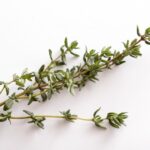
- 1 small thyme sprig
- 1 bay leaf
- 2 parsley stems
- water just enough to cover in a snug stockpot
- salt to taste
- ground black pepper to taste
- 1 pinch cayenne pepper





Instructions
- Ask a fishmonger to prepare clean white-fish frames and heads with gills removed, and lobster bodies and shells suitable for stock. Keep them refrigerated until cooking. Wash and chop the vegetables, cleaning grit from the leek.
- Warm the oil in a heavy stockpot. Add the onion, fennel, leek and garlic and cook gently until softened. Stir in the saffron, tomato paste, star anise and anchovy and cook briefly without scorching.
- Add the prepared fish frames and lobster shells, tomatoes, orange zest and herbs. Pour in only enough water to cover the ingredients in the pot.
- Bring to a boil, then reduce to a gentle simmer and cook for about 20 minutes, skimming the surface and stirring carefully if needed to prevent sticking.
- Lift out large solids carefully, then strain the liquid through a fine sieve lined with damp food-grade cheesecloth into a clean heatproof pot. Do not crush, puree or blend the bones and shells. Discard every solid, then filter the liquid again through clean fine cloth if any particles remain.
- Bring the strained broth back to a boil, season with salt, black pepper and cayenne, and use promptly.
- For later use, cool rapidly in shallow containers over an ice bath, stirring the broth with a clean utensil, and refrigerate within 2 hours at 40°F or below. Use within 3–4 days or freeze promptly. Reheat refrigerated broth to a rolling boil.
Notes
Tried this recipe?
Let us know how it was!A couple of useful answers.
Should I blend the cooked fish bones?
No. For this home version, strain the liquid and discard all bones, shells and other solids.
Can this be the base of a seafood soup?
Yes. Prepare and cook any added seafood separately according to its own recipe and add it to the hot broth.
Keep the good food going
Similar Recipes
Find another recipe to bring to the table.